

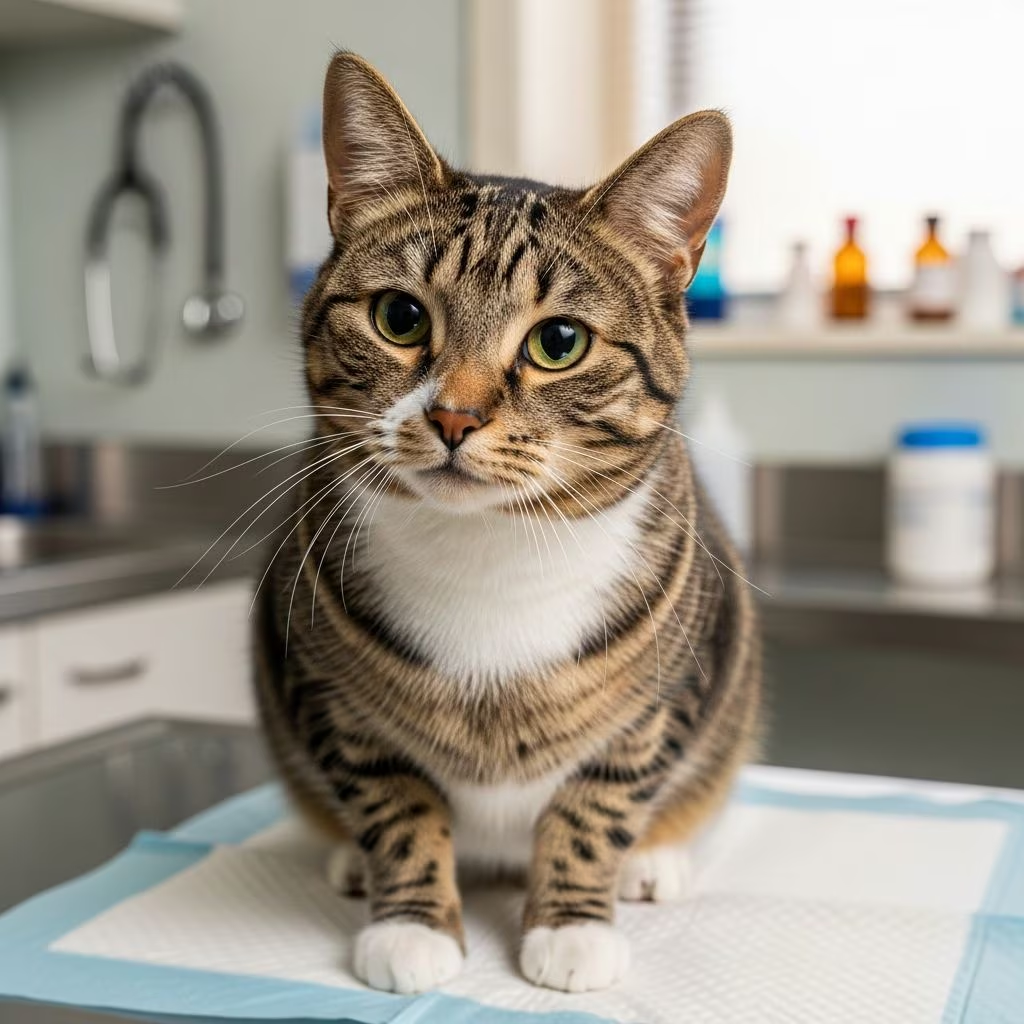
Gabapentin is a versatile medication commonly prescribed for cats to manage chronic pain, reduce anxiety, and control seizures. Originally developed for humans as an anticonvulsant, it has found significant off-label use in veterinary medicine for felines due to its safety profile and efficacy at appropriate doses.
What Is Gabapentin?
Gabapentin, sold under brand names like Neurontin, is a structural analog of the neurotransmitter GABA but does not directly act on GABA receptors. Instead, it binds to voltage-gated calcium channels in the central nervous system, reducing the release of excitatory neurotransmitters like glutamate. This mechanism makes it effective for neuropathic pain, epilepsy, and situational anxiety in cats.
In veterinary practice, gabapentin is favored for cats because it is well-tolerated, with a wide therapeutic index. It is primarily excreted unchanged by the kidneys, so dosing adjustments are necessary in cats with renal impairment. The drug comes in capsules, tablets, or compounded liquid forms, with the liquid being ideal for precise dosing in cats.
Uses of Gabapentin in Cats
Gabapentin serves multiple purposes in feline medicine, addressing common issues that affect quality of life.
Pain Management
For **chronic pain** conditions like arthritis, cancer, or intervertebral disc disease, gabapentin provides neuropathic pain relief. It targets nerve pain by limiting calcium influx into neurons, thereby reducing pain signal transmission. Studies show it is particularly useful in combination with other analgesics like NSAIDs or opioids.
In cases of **acute pain**, such as post-surgical recovery, it offers adjunctive support. Doses typically start low to assess tolerance.
Anxiety Reduction
Gabapentin excels as an **anxiolytic** for cats, especially for stressful events like veterinary visits, travel, or grooming. Administered 1-3 hours prior, it induces mild sedation and relaxation without significant respiratory depression. Research confirms doses of 20 mg/kg effectively calm cats during transport and exams.
Seizure Control
As an **anticonvulsant**, gabapentin helps manage idiopathic epilepsy or cluster seizures in cats. It stabilizes abnormal electrical activity in the brain, often used alongside phenobarbital or levetiracetam. While not first-line, it is valuable for refractory cases.
Gabapentin Dosage for Cats
Dosages vary by condition, cat’s weight, age, and health status. Always consult a veterinarian for personalized dosing; there are no universal FDA-approved guidelines for cats, relying on clinical experience and studies.
| Condition | Standard Dosage | Maximum Dosage | Frequency |
|---|---|---|---|
| Pain (Chronic/Neuropathic) | 3-10 mg/kg | 15-20 mg/kg | Every 8-12 hours |
| Anxiety (Vet Visit) | 50-100 mg/cat or 20 mg/kg | 100-200 mg/cat | Single dose 1-3 hours prior |
| Seizures | 5-10 mg/kg | 20 mg/kg | Every 8-12 hours |
Note: Start with the lowest effective dose. For a 5 kg cat, 20 mg/kg equals 100 mg. Liquid formulations allow accuracy; capsules can be compounded with flavors.
Tolerance may develop over time, requiring gradual increases. Cats with kidney disease need reduced doses (e.g., 50% reduction if creatinine clearance is low).
How to Give Gabapentin to Cats
- Forms: Liquid (preferred for dosing precision), capsules (open and mix with food), or tablets.
- Administration: Give orally with or without food. For anxiety, time 90-120 minutes before stress. Use a syringe for liquids.
- Tips: Hide in treats like Churu or pill pockets. Monitor first dose for sedation.
If vomiting occurs post-dose, try smaller, more frequent amounts or anti-nausea meds.
Side Effects of Gabapentin in Cats
Gabapentin is generally safe, but side effects are dose-dependent and transient.
- Common (mild): Ataxia (wobbly gait), sedation, lethargy – resolve in 8-12 hours.
- Less common: Vomiting, diarrhea, hypersalivation, decreased appetite.
- Rare/Severe: Over-sedation, respiratory depression (high doses), paradoxical excitation.
Elderly cats or those with liver/kidney issues are more susceptible. Discontinue if severe effects persist and seek vet care.
Precautions and Contraindications
- Avoid in cats with known hypersensitivity.
- Use cautiously in renal failure; monitor bloodwork.
- No major drug interactions, but potentiates sedatives like acepromazine.
- Pregnant/lactating queens: Limited data; use only if benefits outweigh risks.
- Overdose: Supportive care (IV fluids, monitoring); rarely fatal.
Alternatives to Gabapentin
Depending on the condition:
- Pain: Buprenorphine, meloxicam (NSAID), tramadol.
- Anxiety: Trazodone, alprazolam, pheromone diffusers.
- Seizures: Phenobarbital, zonisamide, levetiracetam.
Multimodal therapy often combines options for best results.
FAQs
How much gabapentin can I give my cat?
The standard dose is 50 mg for anxiety or 5-10 mg/kg for pain/seizures, but varies by cat. Consult your vet.
Is gabapentin safe for long-term use in cats?
Yes, at appropriate doses, with monitoring for tolerance and kidney function.
Can I give human gabapentin to my cat?
Yes, if vet-prescribed; ensure no xylitol in formulations.
How long does gabapentin last in cats?
Effects peak at 1-3 hours, lasting 6-12 hours.
Does gabapentin make cats sleepy?
Yes, mild sedation is common, especially initially.
Final Thoughts from the Vet
Gabapentin is a cornerstone in feline medicine for its multi-use benefits and safety. Always partner with your veterinarian to tailor treatment, monitor response, and adjust as needed. Early intervention with pain or anxiety can greatly improve your cat’s well-being.
References
- Gabapentin dose for cats: Standard and maximum dosages — SingleCare. 2023. https://www.singlecare.com/blog/gabapentin-dosage-cats/
- Gabapentin: Clinical Use and Pharmacokinetics in Dogs, Cats, and Horses — PMC (NCBI). 2023-06-15. https://pmc.ncbi.nlm.nih.gov/articles/PMC10295034/
- Gabapentin in cats – giving the right dose — BOVA Veterinary Pharmacy. 2023-06-28. https://bova.vet/2023/06/28/gabapentin-in-cats-giving-the-right-dose/
- Gabapentin for Cats: Uses, Dosage, Side Effects — GoodRx. 2023. https://www.goodrx.com/pet-health/cat/gabapentin-for-cats
- Gabapentin for Cats: Uses, Dosage, and Safety — Paoli Vetcare. 2023. https://www.paolivet.com/health/gabapentin-for-cats/
- Gabapentin doses for cats — Zero Pain Philosophy. 2023. https://www.zeropainphilosophy.com/post/gabapentin-doses-for-cats
- Gabapentin — VCA Animal Hospitals. 2023. https://vcahospitals.com/know-your-pet/gabapentin



