

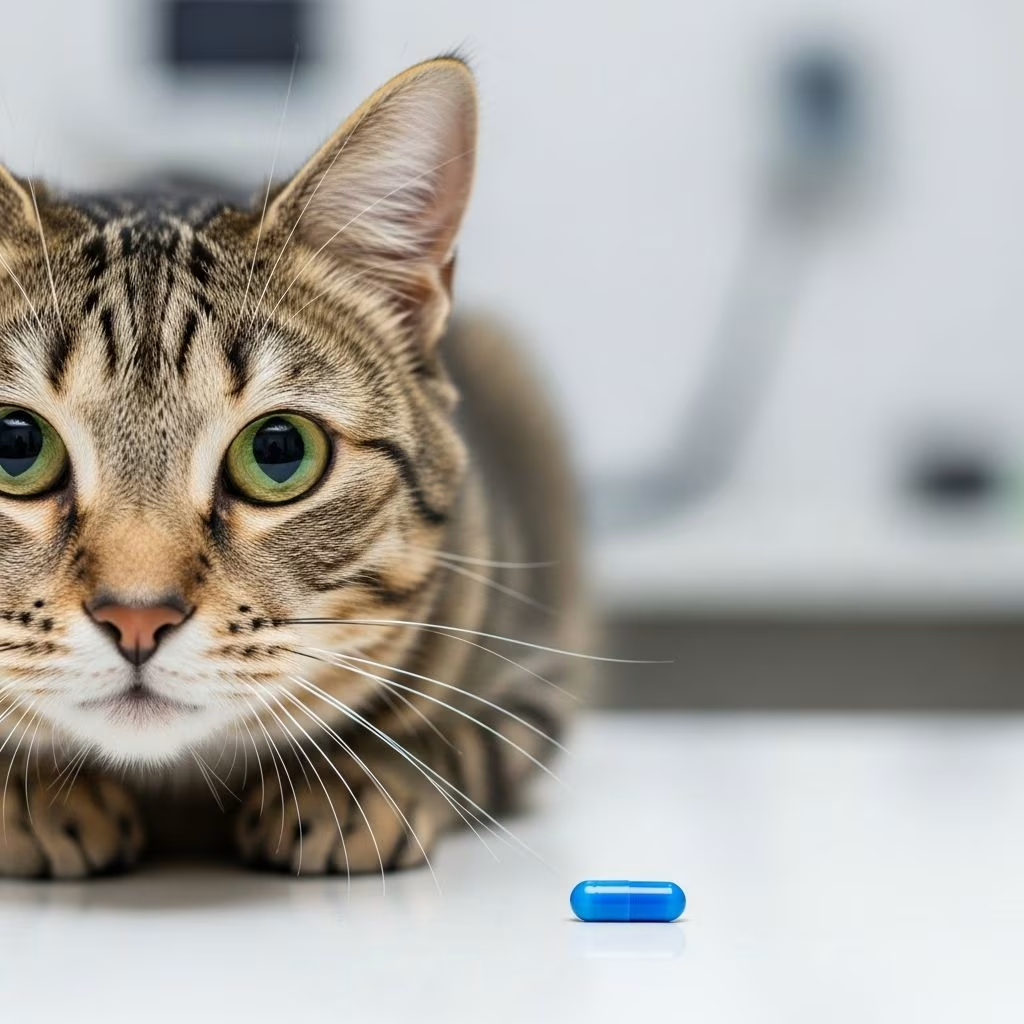
Gabapentin serves as a versatile medication in feline veterinary care, primarily addressing chronic pain, anxiety during stressful events, and certain seizure disorders. Originally developed for human epilepsy, its off-label applications in cats have gained traction due to its calming and analgesic effects.
Understanding Gabapentin’s Mechanism in Felines
This anticonvulsant binds to voltage-gated calcium channels in the nervous system, reducing neurotransmitter release that contributes to pain signals and heightened anxiety. In cats, it proves particularly beneficial for neuropathic pain—damage-related discomfort from nerves—and situational stress, such as travel or clinical exams. Unlike traditional sedatives, gabapentin offers a milder sedation profile, allowing cats to remain somewhat responsive while feeling more relaxed.
Pharmacokinetic studies reveal that cats metabolize gabapentin differently from dogs or humans, with peak effects occurring 1-3 hours post-administration and lasting 8-12 hours. This makes it ideal for pre-event dosing. However, cats with renal impairment may experience prolonged effects, necessitating dose adjustments.
Primary Applications in Cat Health
Veterinarians prescribe gabapentin for several key conditions in cats:
- Chronic and Neuropathic Pain: Effective for conditions like osteoarthritis, cancer-related discomfort, or post-surgical recovery, often combined with other analgesics.
- Anxiety and Stress Management: Reduces fear responses during car rides, grooming, or veterinary procedures, improving compliance and safety.
- Seizure Control: Used adjunctively when primary anticonvulsants fail or cause toxicity, though less common as a standalone therapy.
- Post-Operative Pain: Particularly after ovariohysterectomy, where it mitigates acute discomfort effectively.
Clinical trials confirm its efficacy; for instance, studies show gabapentin significantly lowers stress indicators during vet visits, with cats displaying reduced aggression and vocalization.
Recommended Dosages for Different Conditions
Dosing varies by purpose, cat weight, and health status. Always consult a veterinarian for personalized regimens. Below is a summary table of typical guidelines derived from veterinary research:
| Condition | Dosage (mg/kg) | Frequency | Notes |
|---|---|---|---|
| Neuropathic Pain or Seizures | 5-10 (up to 20 in refractory cases) | Every 8-12 hours PO | Start low; monitor response |
| Anxiety/Stress (e.g., Vet Visit) | 20-30 (often flat 100 mg/cat) | Single dose 90-180 min prior | Peak at 2-3 hours; effects last 8-12h |
| Post-Surgical Pain | 5-10 | Every 12 hours | Combine with other meds; max 50 mg/dose usually |
Oral administration via capsules, compounded liquids, or tablets works best. For anxiety, timing is crucial—administer 90 minutes before stress to align with peak plasma levels.
Administering Gabapentin Safely to Your Cat
Success hinges on proper delivery. Tips include:
- Compounding into flavored liquids if your cat resists pills.
- Using pill pockets or treat-based concealers.
- Hiding in wet food, but ensure full consumption.
- For travel anxiety, dose at home to observe initial effects before departure.
Monitor for 30-60 minutes post-dose. Cats may appear sleepy but should retain basic coordination. In multi-cat homes, separate dosed cats to prevent accidental ingestion by others.
Potential Side Effects and Monitoring
Common reactions are mild and transient:
- Sedation/Lethargy: Desired for anxiety but may linger with chronic use.
- Ataxia (Wobbliness): Balance issues, especially at higher doses.
- Gastrointestinal Upset: Rare vomiting or drooling.
Serious risks are minimal but include prolonged sedation in kidney-compromised cats or overdose signs like severe incoordination. Reduce dose gradually when discontinuing long-term use to avoid rebound anxiety. Regular vet check-ins ensure safety, particularly for seniors or those with comorbidities.
Precautions and Contraindications
Not all cats suit gabapentin:
- Avoid in severe renal failure without adjustment.
- Use cautiously with other CNS depressants (e.g., opioids, benzodiazepines) due to additive sedation.
- Pregnant or lactating queens require vet approval.
- State regulations vary; some classify it as a Schedule V controlled substance, limiting refills.
Drug interactions with antacids or morphine can alter absorption—space doses accordingly.
Real-World Efficacy: What Studies Show
Research underscores gabapentin’s value. A 2017 JAVMA study found it significantly calmed cats during exams, reducing stress behaviors. Pharmacokinetic reviews highlight its role in combo therapies for refractory epilepsy and chronic pain, though optimal regimens need more feline-specific trials. VCA Hospitals note its utility in cancer pain adjunctive care.
In practice, owners report smoother vet experiences, with 80-90% of cats showing reduced fear post-dose in observational data.
When to Consult Your Veterinarian
Never self-medicate. Vets tailor doses based on bloodwork, weight, and history. Signs warranting discussion:
- Persistent side effects.
- Ineffective pain control.
- Changes in appetite or behavior.
Alternatives like pregabalin exist for non-responders.
Frequently Asked Questions (FAQs)
How long does gabapentin take to work in cats?
Typically 90 minutes to 3 hours for peak effects, ideal for pre-vet dosing.
Is gabapentin safe for long-term use in cats?
Yes, for pain management under supervision, but monitor kidney function.
Can gabapentin make my cat too sleepy?
Sedation is common but dose-dependent; adjust as needed.
What if my cat vomits after gabapentin?
Redose only half if within 30 minutes; consult vet otherwise.
Is gabapentin addictive for cats?
No evidence of addiction, but taper chronic use.
Enhancing Your Cat’s Comfort Beyond Medication
Pair gabapentin with environmental strategies:
- Feliway diffusers for pheromone calming.
- Quiet carriers with familiar bedding.
- Desensitization training for travel.
- Regular play to reduce baseline anxiety.
Holistic approaches complement pharmacotherapy, promoting overall well-being.
References
- Gabapentin: Clinical Use and Pharmacokinetics in Dogs, Cats, and Horses — PMC/NCBI. 2023-06-12. https://pmc.ncbi.nlm.nih.gov/articles/PMC10295034/
- Gabapentin for Cats: Uses, Dosage, Side Effects — GoodRx Pet Health. 2024-01-15. https://www.goodrx.com/pet-health/cat/gabapentin-for-cats
- Using gabapentin to reduce feline stress — DVM360. 2023-05-20. https://www.dvm360.com/view/using-gabapentin-to-reduce-feline-stress
- Gabapentin — VCA Animal Hospitals. 2024-08-10. https://vcahospitals.com/know-your-pet/gabapentin
- Using Gabapentin or Pregabalin to Sedate Your Cat for Travel — Cat Specialists. 2023-11-05. https://www.catspecialists.com.au/using-gabapentin-or-pregabalin-to-sedate-your-cat-for-travel/



