

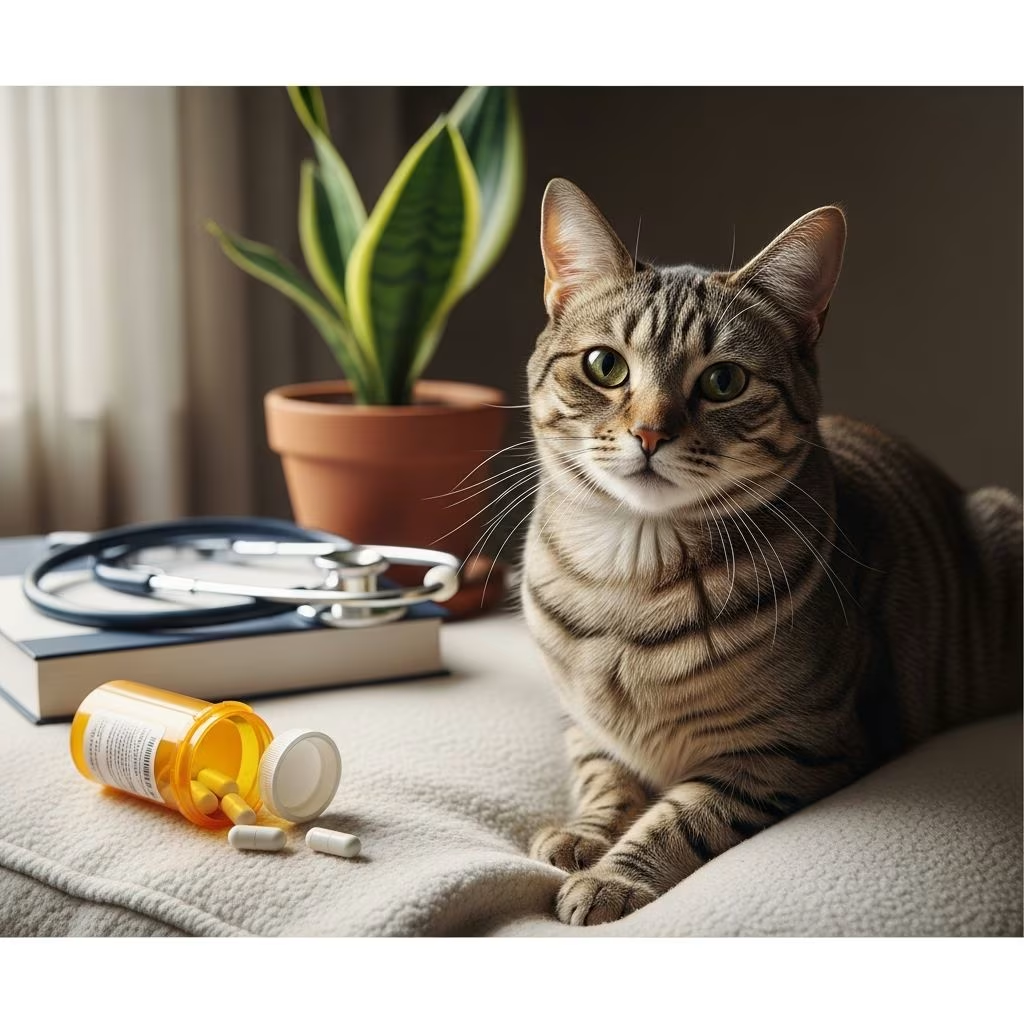
Gabapentin has become an increasingly valuable tool in veterinary medicine for addressing multiple health concerns in cats. Originally developed as an anticonvulsant medication for human use, this drug has found significant applications in feline healthcare beyond its initial purpose. Today, veterinarians frequently prescribe gabapentin to manage chronic pain conditions, control seizure disorders, and alleviate anxiety in cats facing stressful situations. Understanding how this medication works and when it may benefit your cat is essential for informed decision-making with your veterinary team.
The Evolution of Gabapentin in Veterinary Practice
When gabapentin first entered veterinary medicine, practitioners primarily used it as an extra-label treatment for seizure management in cats and dogs. However, clinical experience and emerging research have revealed its broader therapeutic potential. Veterinarians now recognize gabapentin’s effectiveness in treating neuropathic pain, chronic pain conditions, and anxiety-related behaviors in felines. This shift in application reflects the growing body of evidence supporting its use beyond traditional anticonvulsant therapy.
The discovery of gabapentin’s anxiety-reducing properties has been particularly transformative for feline medicine. Cats are notoriously sensitive to environmental stressors and veterinary examinations, and the introduction of effective non-sedative anxiolytic options has significantly improved the quality of veterinary care that cats can receive. Clinical research now demonstrates that gabapentin substantially reduces fear and stress-related behaviors during challenging situations, offering an alternative to traditional tranquilizers or anesthesia.
How Gabapentin Works in Feline Physiology
Gabapentin operates through a specific mechanism involving calcium channel modulation within the nervous system. The medication binds to the α2δ-1 auxiliary subunit of voltage-gated calcium channels, which influences neurotransmitter release and pain signal transmission. This unique binding mechanism provides gabapentin with both anticonvulsant and analgesic properties, making it useful for multiple clinical presentations.
In cats, this pharmacological action translates to reduced pain perception and decreased anxiety responses. The drug’s ability to modulate neuronal activity helps calm the overactive stress response that many cats experience during travel, veterinary visits, or other anxiety-inducing events. Unlike sedatives that simply cause drowsiness, gabapentin addresses the underlying neurological basis of anxiety, providing a more targeted therapeutic approach.
Primary Medical Applications for Cats
Pain Management and Chronic Conditions
Gabapentin has demonstrated particular effectiveness in managing neuropathic pain in cats, often being prescribed alongside other pain-relieving medications such as nonsteroidal anti-inflammatory drugs. Neuropathic pain, which arises from damage to or dysfunction of nerves themselves, often responds poorly to traditional pain medications. Gabapentin’s unique mechanism makes it especially valuable for these difficult-to-treat conditions.
Beyond neuropathic pain, veterinarians use gabapentin to address several other pain-related conditions:
- Chronic arthritic pain associated with aging and degenerative joint disease
- Cancer-related pain and malignancy-associated discomfort
- Post-operative pain following surgical procedures
- Post-ovariohysterectomy pain following spay surgery
Anxiety and Behavioral Stress Management
Recent clinical studies have established gabapentin as an effective short-term anxiety management tool for cats, particularly when administered before predictable stressful events. A landmark 2017 study published in the Journal of the American Veterinary Medical Association examined gabapentin’s efficacy in reducing stress during veterinary visits. The research found that administering gabapentin 90 minutes prior to a veterinary appointment significantly reduced stress-related behavioral signs during both transportation and examination.
Veterinarians frequently recommend gabapentin for cats facing:
- Transportation anxiety during car or plane travel
- Fear and stress during veterinary examination visits
- Anxiety associated with grooming appointments
- General situational anxiety from environmental changes
Seizure Management
While gabapentin is no longer the first-line seizure medication in cats, veterinarians continue to use it as an adjunctive therapy when other anticonvulsants prove ineffective or cause adverse reactions. In combination with primary seizure medications, gabapentin can help achieve better seizure control for cats with treatment-resistant epilepsy.
Dosing Guidelines and Administration
Gabapentin dosing in cats varies considerably depending on the intended therapeutic use and individual patient factors. Proper dosing requires close collaboration with your veterinarian, who will assess your cat’s weight, overall health status, kidney function, and the specific condition being treated.
Pain Management Dosing
For chronic pain conditions, gabapentin dosing is typically individualized based on therapeutic response. Most cats receiving gabapentin for pain management do not require doses exceeding 50 mg per administration. The medication is usually administered every 8 to 12 hours for ongoing pain management. Your veterinarian will determine the optimal dosing schedule and may adjust the dose based on your cat’s response and tolerance.
Anxiety and Stress-Related Administration
When used for situational anxiety, gabapentin is typically administered in a single dose approximately 90 minutes to 2 hours before the anticipated stressful event. This timing allows the medication to reach therapeutic levels in the bloodstream before the stressor occurs. Single-dose protocols for anxiety management often allow for higher doses than chronic pain treatment, as the goal is to achieve acute anxiolytic effects rather than maintain steady-state medication levels.
Available Formulations
Gabapentin is available in multiple formulations to accommodate different administration preferences and feline tolerances:
- Standard capsules that can be opened and mixed with food
- Compounded liquid formulations for cats that refuse solid medications
- Tablet forms, though capsules and liquids are generally preferred for feline patients
Side Effects and Safety Considerations
Gabapentin is generally well-tolerated in cats, and serious adverse reactions are uncommon. However, cat owners should be aware of potential side effects that may occur, particularly with higher doses or prolonged use.
Common Side Effects
The most frequently observed side effects of gabapentin in cats include lethargy, sedation, and ataxia (loss of coordination affecting walking and balance). These effects may be desirable when gabapentin is used specifically for anxiety management, as the calming effect is the therapeutic goal. However, when gabapentin is prescribed for chronic daily pain management, these side effects can be problematic and impact the cat’s quality of life.
Additional considerations regarding side effects:
- Sedation typically diminishes as the cat’s body adjusts to the medication
- Ataxia may improve with dose reduction if it becomes concerning
- Most side effects are temporary and resolve when the medication is discontinued
- Your veterinarian may recommend dose adjustments or alternative formulations to minimize unwanted effects
Drug Interactions and Contraindications
Gabapentin’s safety profile is generally favorable when combined with other medications commonly used in cats. However, your veterinarian should be informed of all medications your cat currently receives. Cats with significant kidney disease may require dose adjustments, as gabapentin is eliminated through renal pathways. Additionally, cats with a history of severe allergic reactions to gabapentin should not receive this medication.
Off-Label Use and Regulatory Status
Gabapentin is FDA-approved for human use but not for veterinary patients, making its use in cats an off-label or extra-label prescription. This classification does not indicate that the medication is unsafe or ineffective in animals; rather, it simply means that the FDA approval process has not been completed for veterinary species. Off-label prescribing is standard and legal in veterinary medicine when evidence supports its use.
It is important to note that gabapentin is a controlled substance in some states, with Schedule 5 classifications in certain jurisdictions. Depending on your location, your veterinarian may face specific restrictions regarding gabapentin prescriptions and refills. Your vet can clarify any local regulations that might affect your cat’s access to this medication.
Comparing Gabapentin to Alternative Treatments
When addressing feline pain and anxiety, several treatment modalities are available. The choice between gabapentin and alternatives depends on the specific condition, your cat’s health status, and treatment goals.
| Treatment Option | Primary Use | Onset Time | Side Effect Profile |
|---|---|---|---|
| Gabapentin | Neuropathic pain, anxiety, chronic pain | 30-90 minutes | Mild sedation, ataxia |
| NSAIDs | Inflammatory pain, arthritis | 30-60 minutes | GI upset, kidney concerns |
| Opioids | Acute and severe pain | 15-30 minutes | Constipation, sedation |
| Sedatives/Tranquilizers | Anxiety, stress management | 15-45 minutes | Deep sedation, prolonged effect |
| Adjunctive Therapy | Enhanced pain management | Variable | Depends on combination |
Many veterinarians recommend gabapentin as a first-line approach for anxiety management because it provides calming effects without the deep sedation associated with traditional tranquilizers. For pain management, gabapentin is often combined with NSAIDs or other analgesics to achieve optimal therapeutic effects through synergistic mechanisms.
The Veterinary Examination Advantage
One of the most significant advances in feline veterinary care has been the recognition of gabapentin’s potential to transform the veterinary examination experience. Feline veterinarians have discovered that gabapentin can enable thorough examinations of previously difficult cats without resorting to chemical sedation or anesthesia. This represents a meaningful improvement in both the quality of veterinary care and the stress experience for anxious cats.
By allowing veterinarians to conduct more comprehensive physical examinations, gabapentin facilitates earlier detection of health problems and more accurate diagnoses. Additionally, cats that have positive veterinary experiences are more likely to receive regular preventive care, ultimately contributing to better long-term health outcomes.
Practical Considerations for Cat Owners
What to Expect When Starting Gabapentin
When your veterinarian prescribes gabapentin for your cat, expect some initial sedation and possible coordination issues. Many cats become noticeably calmer and may appear slightly drowsy for several hours after administration. This is a normal response to the medication and typically indicates that the drug is working effectively. Most cats acclimate to the medication over time, with initial side effects diminishing as the body adapts.
Storage and Handling
Gabapentin should be stored at room temperature, away from moisture and direct sunlight. Keep the medication in its original container with the label intact. Protect gabapentin from extreme temperatures and ensure it remains out of reach of children and other pets. If you miss a scheduled dose, administer the next dose at the regular time; never double-dose to compensate.
Monitoring Your Cat’s Response
After starting gabapentin, monitor your cat for the intended therapeutic effects as well as any adverse reactions. Keep records of your cat’s behavior, pain levels, and anxiety responses. This information will help your veterinarian determine whether the current dose is optimal or requires adjustment. Some cats respond excellently to gabapentin, while others may require dose modifications or alternative treatments.
Frequently Asked Questions
Is gabapentin safe for long-term use in cats?
Yes, gabapentin has been used safely in cats for chronic pain management for several years. However, long-term use requires periodic veterinary reassessment to ensure continued efficacy and appropriate dosing. Your veterinarian may recommend blood work to monitor kidney function, particularly if your cat has underlying renal disease.
How quickly does gabapentin work for anxiety?
Gabapentin typically begins to take effect within 30-90 minutes of administration, with peak effects occurring around 90 minutes post-dose. For anxiety management, administering the medication 90 minutes before an anticipated stressful event provides optimal calming effects.
Can gabapentin be combined with other pain medications?
Yes, gabapentin is frequently prescribed alongside other analgesic medications. The combination of gabapentin with NSAIDs or other pain management approaches often provides superior pain control compared to single-agent therapy. Your veterinarian will determine appropriate drug combinations based on your cat’s specific condition.
What should I do if my cat experiences side effects?
Contact your veterinarian if your cat experiences persistent or concerning side effects. Your vet may recommend dose reduction, alternative formulations, or adjusted dosing schedules. In most cases, side effects can be managed through minor medication adjustments.
Is gabapentin covered by pet insurance?
Coverage varies by insurance plan and policy terms. Some pet insurance providers cover gabapentin when prescribed by a licensed veterinarian for eligible conditions. Review your specific policy or contact your insurance provider for details regarding gabapentin coverage.
Moving Forward with Gabapentin Treatment
Gabapentin represents a valuable therapeutic option for managing pain, anxiety, and certain seizure disorders in cats. The medication’s favorable safety profile, combined with its effectiveness in multiple clinical applications, has made it an increasingly important component of feline healthcare. Whether your cat requires pain management for chronic conditions or anxiety relief for challenging situations, gabapentin offers a practical and evidence-based treatment approach.
The decision to use gabapentin should always be made in consultation with your veterinarian, who can assess your cat’s individual health status, consider potential interactions with other medications, and determine appropriate dosing. By understanding how gabapentin works and what to expect during treatment, you can make informed decisions that support your cat’s health and quality of life. Regular communication with your veterinary team ensures that gabapentin therapy remains optimized for your cat’s changing needs and circumstances.
References
- Gabapentin: Clinical Use and Pharmacokinetics in Dogs, Cats, and Horses — National Center for Biotechnology Information (NCBI), PubMed Central. 2023. https://pmc.ncbi.nlm.nih.gov/articles/PMC10295034/
- Gabapentin for Cats: Uses, Dosage, Side Effects — GoodRx. 2024. https://www.goodrx.com/pet-health/cat/gabapentin-for-cats
- Gabapentin for Cats: Uses, Dosage, Side Effects — Pawlicy Advisor. 2024. https://www.pawlicy.com/blog/gabapentin-for-cats/
- Using Gabapentin to Reduce Feline Stress — DVM360, a Catanduanes Publication. 2024. https://www.dvm360.com/view/using-gabapentin-to-reduce-feline-stress
- Gabapentin — VCA Animal Hospitals. 2024. https://vcahospitals.com/know-your-pet/gabapentin



