

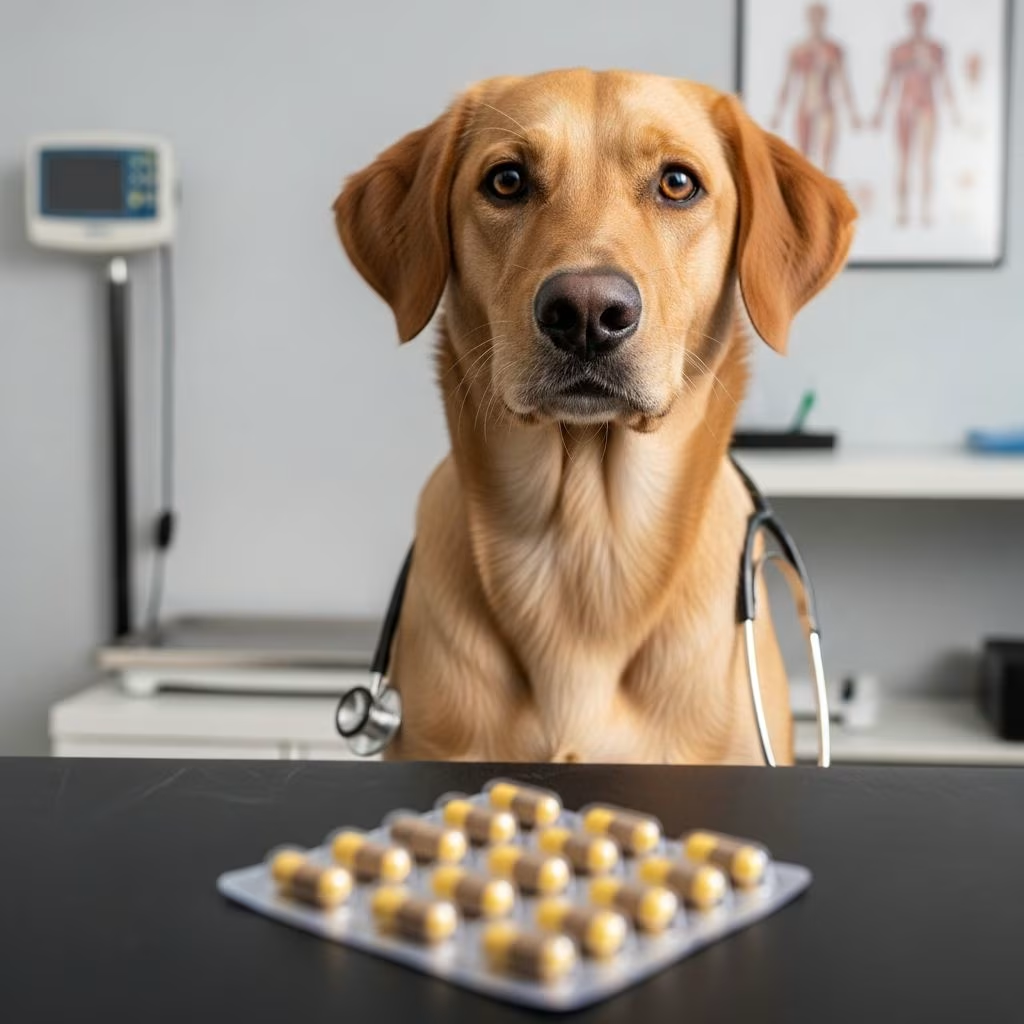
Gabapentin has become an increasingly popular medication in veterinary medicine for managing various conditions in dogs. Originally developed for human use, this medication is now widely prescribed off-label by veterinarians to address chronic pain, anxiety, and seizure disorders in canine patients. As a pet owner, understanding how this medication works, its appropriate applications, and potential adverse effects is essential for making informed decisions about your dog’s health care.
What Gabapentin Is and How It Functions
Gabapentin is a medication that operates as an analgesic and anticonvulsant agent. While approved for human use, all applications of gabapentin in dogs constitute off-label prescribing, meaning veterinarians use their clinical judgment to determine when and how to administer it based on individual patient needs. The medication works by modifying nerve signals in the body, particularly those associated with pain perception and electrical activity in the brain.
The pharmacokinetic profile of gabapentin in dogs reveals interesting characteristics that make it suitable for various therapeutic applications. When administered orally, the medication demonstrates greater than 80% systemic availability, meaning most of the dose enters the dog’s bloodstream. Maximum blood concentrations occur within one to three hours of administration, and the drug maintains an elimination half-life of three to four hours. Importantly, gabapentin is metabolized by the kidneys rather than the liver, which makes it a particularly good choice for dogs with hepatic disease.
Primary Clinical Applications in Canine Medicine
Managing Chronic Pain Conditions
The most prevalent use of gabapentin in veterinary practice involves treating chronic pain in dogs. Dogs suffering from degenerative joint disease, arthritis, or back pain often benefit from gabapentin therapy. This medication proves especially valuable for dogs who experience difficulty walking or sitting comfortably without pain relief. Unlike acute pain management, which may require different pharmaceutical approaches, gabapentin’s sustained action makes it suitable for long-term pain control in conditions that persist over extended periods.
Beyond arthritis, gabapentin finds application in managing cancer pain and neuropathic pain conditions. The medication may also be administered in conjunction with other pain management strategies, such as nonsteroidal anti-inflammatory drugs (NSAIDs) or opioids, to create a multimodal pain management approach that addresses pain through different mechanisms simultaneously.
Anxiety and Fear Management
Veterinary behaviorists have increasingly adopted gabapentin as an adjunctive treatment for various anxiety-related disorders in dogs. The medication shows effectiveness in treating generalized anxiety, specific phobias, panic disorders, and impulsive behaviors. Gabapentin is particularly useful during stressful situations such as thunderstorms, fireworks, travel, or veterinary visits.
When used for anxiety management, gabapentin is typically administered one and a half to two hours before an anticipated stressful event. Often, veterinarians prescribe it alongside other behavioral medications, such as selective serotonin reuptake inhibitors (SSRIs) including fluoxetine or sertraline, to enhance the overall anxiolytic effect.
Seizure Management
Gabapentin serves as an important adjunctive therapy for dogs with seizure disorders. While not used as a standalone seizure medication, it functions effectively when combined with primary anticonvulsants such as phenobarbital or potassium bromide. Dogs whose seizure disorders prove resistant to standard therapies may experience improved seizure control when gabapentin is added to their existing medication regimen.
Dosing Considerations and Administration Guidelines
Appropriate dosing of gabapentin depends significantly on individual dog weight, as there exists considerable variability in canine sizes. Veterinarians typically calculate doses based on milligrams per kilogram of body weight, ensuring that each dog receives a therapeutically appropriate amount. When prescribed for pain management or as an anticonvulsant, gabapentin is generally administered every 8 to 12 hours.
For anxiety management before specific events, the timing differs from regular pain management protocols. Dogs should receive their dose at least 1.5 to 2 hours before the anticipated stressful situation. This timing allows the medication to reach therapeutic blood levels before the anxiety-inducing event occurs.
Given the importance of proper dosing and the individual variation in dog sizes and conditions, consulting with your veterinarian to determine the correct dosage for your specific pet is absolutely essential. Never adjust dosing without veterinary guidance, as this can impact both effectiveness and safety.
Common Side Effects and Their Management
Sedation and Drowsiness
The most frequently observed side effect of gabapentin in dogs is sedation. Many dogs experience temporary drowsiness or reduced activity levels, particularly during the initial treatment period or when first adjusting to the medication. This sedation typically diminishes as the dog’s body adjusts to the medication over time. In some cases, this sedative effect may actually be beneficial when the goal is to reduce anxiety and create a calming effect.
Ataxia and Balance Difficulties
Difficulty with balance and walking, a condition known as ataxia, represents another commonly reported side effect. Dogs may appear uncoordinated, display weakness in their hind legs, or seem unsteady when moving. These neurological effects can be concerning to pet owners but are usually reversible and typically resolve once the medication is discontinued or dosage is adjusted.
Understanding the Side Effect Profile
The good news is that gabapentin generally produces a relatively limited side effect profile compared to many other medications. Most adverse effects are temporary and resolve as the dog’s system adapts to the medication. The sedative and balance-related effects should be carefully monitored during the initial treatment phase, and any concerning symptoms should be reported to your veterinarian immediately.
Important Safety Considerations
Monitoring During Initial Treatment
When a dog first begins gabapentin therapy, careful observation is important. Monitor your pet for excessive drowsiness, difficulty walking, or any unusual behavioral changes. Document when effects occur in relation to medication administration, as this information helps your veterinarian assess whether the current dose is appropriate or requires adjustment.
Drug Interactions and Concurrent Medications
Gabapentin may interact with other medications your dog is taking. Inform your veterinarian of all current medications, supplements, and treatments before starting gabapentin. This ensures your veterinary team can identify potential interactions and adjust therapy appropriately to maintain safety and efficacy.
Kidney Function Considerations
Since gabapentin is excreted almost entirely through the kidneys, dogs with kidney disease or compromised kidney function may require dosage adjustments or more frequent monitoring. Your veterinarian may recommend baseline kidney function tests and periodic monitoring during long-term gabapentin use in dogs with renal concerns.
Frequently Asked Questions
How long does it take for gabapentin to work in dogs?
Gabapentin reaches maximum blood levels within one to three hours of administration. However, the full therapeutic benefit for pain management or anxiety control may take several days of consistent dosing. Your veterinarian will advise on the expected timeline for your dog’s specific condition.
Can gabapentin be given with food?
Yes, food does not affect gabapentin absorption in dogs. This allows flexibility in administration timing, and many pet owners find it helpful to give the medication with a meal to simplify the dosing schedule.
Is gabapentin safe for long-term use in dogs?
Gabapentin can be used long-term for chronic pain and other conditions when appropriately monitored by a veterinarian. Regular check-ins and periodic assessments help ensure the medication continues to be effective and safe for your individual dog.
What should I do if I miss a dose?
If you miss a dose, give it as soon as you remember unless it’s nearly time for the next dose. Never double-dose to make up for a missed administration. Contact your veterinarian if you’re unsure about what to do in your specific situation.
When Gabapentin Is the Right Choice
Gabapentin represents a valuable therapeutic option for dogs experiencing chronic pain, anxiety disorders, or seizure conditions. Its favorable pharmacokinetic profile, relatively benign side effect profile, and effectiveness in multimodal pain management protocols make it a frequently chosen medication in veterinary practice. The fact that it doesn’t rely on hepatic metabolism provides an additional advantage for dogs with liver disease.
However, gabapentin is not appropriate for every dog or every condition. Research does not support its use for acute pain management when used alone. Your veterinarian will determine whether gabapentin represents the best treatment option for your dog’s specific health situation, considering factors such as the nature of the condition, concurrent medications, and your dog’s overall health status.
The Bottom Line
Gabapentin has become an important tool in the veterinary medicine toolkit for addressing pain, anxiety, and seizure disorders in dogs. While the medication is generally well-tolerated with manageable side effects, understanding its uses, proper administration, and potential adverse reactions allows pet owners to participate actively in their dog’s health care. The most common side effects—sedation and balance difficulties—are typically temporary and reversible. Always work closely with your veterinarian to ensure gabapentin is appropriate for your dog’s condition, that the dosage is correct for your pet’s weight and health status, and that your dog receives appropriate monitoring throughout treatment. With proper veterinary guidance and careful monitoring, gabapentin can significantly improve quality of life for dogs dealing with chronic pain, anxiety, or seizure disorders.
References
- Gabapentin for Dogs: Uses, Side Effects, and Dosage — GoodRx. 2024. https://www.goodrx.com/pet-health/dog/gabapentin-for-dogs
- Gabapentin: Clinical Use and Pharmacokinetics in Dogs, Cats, and Horses — National Center for Biotechnology Information (PubMed Central). 2023. https://pmc.ncbi.nlm.nih.gov/articles/PMC10295034/
- The use of gabapentin to help manage anxiety in dogs — DVM360. 2024. https://www.dvm360.com/view/use-gabapentin-help-manage-anxiety-dogs
- Gabapentin for Dogs: How It Can Help — Visalia Vets. 2022. https://www.tkves.com/site/blog/2022/03/19/gabapentin-for-dogs
- Gabapentin — VCA Animal Hospitals. https://vcahospitals.com/know-your-pet/gabapentin



