

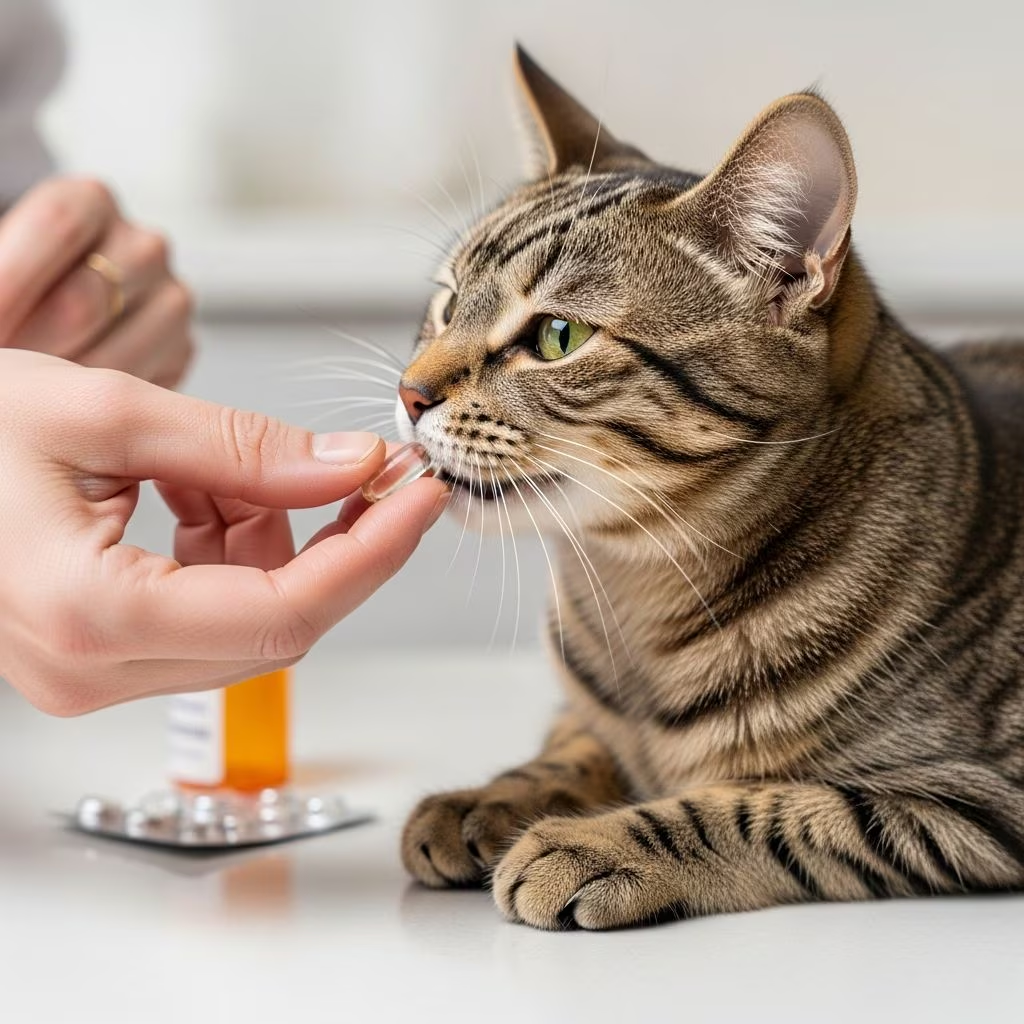
Understanding Gabapentin and Its Role in Feline Medicine
Gabapentin has emerged as an important therapeutic agent in veterinary medicine, particularly for treating various conditions in domestic cats. Originally developed as an anticonvulsant medication for human use, this drug has found widespread application in feline healthcare due to its versatility and generally favorable safety profile. The medication works by modulating calcium channels in the nervous system, which helps reduce abnormal electrical activity and dampen pain signals transmitted through nerve pathways. This mechanism of action makes gabapentin particularly valuable for addressing multiple clinical concerns simultaneously in cats.
Unlike many human medications that cannot be safely used in animals, gabapentin has demonstrated consistent efficacy in feline patients across various clinical scenarios. Veterinarians have increasingly recognized the therapeutic potential of this medication, leading to its incorporation into standard treatment protocols for managing chronic conditions and situational anxiety in cats. The drug’s quick onset of action and minimal interaction with other medications make it an attractive option for both acute and long-term management strategies.
Primary Clinical Applications in Cats
Pain Management and Chronic Conditions
One of the most significant uses of gabapentin in feline medicine involves managing chronic pain conditions. Cats suffering from arthritis, degenerative joint disease, and age-related mobility issues often benefit from gabapentin therapy. The medication is particularly effective for neuropathic pain, which involves damage to or dysfunction of nerve fibers themselves. This type of pain is often resistant to conventional treatments and can significantly impact a cat’s quality of life.
Post-surgical pain management represents another important application. Following procedures such as ovariohysterectomy, orthopedic repairs, or dental extractions, gabapentin can provide effective analgesia when used as part of a multimodal pain management strategy. Many veterinarians combine gabapentin with other pain relievers, such as nonsteroidal anti-inflammatory drugs, to achieve superior pain control compared to using any single agent alone. Research indicates that gabapentin often demonstrates enhanced effectiveness when combined with other analgesic medications, allowing veterinarians to achieve better patient comfort while potentially using lower doses of each individual drug.
Cancer-related pain in feline patients also responds favorably to gabapentin therapy. Cats with malignancies often experience severe pain that requires sophisticated management approaches. The use of gabapentin in these cases can help maintain comfort and quality of life during difficult medical circumstances.
Anxiety and Behavioral Support
Beyond pain management, gabapentin has become recognized as an effective anxiolytic agent in cats. Clinical research has established that administering gabapentin prior to stressful events can significantly reduce anxiety-related behaviors and fear responses. This application has transformed how veterinarians approach stress-related issues in feline patients.
Veterinary visits represent one of the most common scenarios where gabapentin proves beneficial. Many cats experience considerable stress during transportation to veterinary clinics and during physical examinations. By administering gabapentin approximately 90 minutes before the appointment, veterinarians can help cats remain calmer throughout the visit, facilitating better physical examinations and reducing the need for more invasive sedation methods. This approach benefits both the animals and their caregivers by creating a more pleasant experience for all involved.
Other stress-inducing situations where gabapentin may be recommended include air or automobile travel, grooming appointments, and environmental stressors such as fireworks, construction activities, or household gatherings. The medication essentially helps cats manage their nervous system’s overactive response to perceived threats, allowing them to remain more composed during challenging circumstances.
Seizure Management
While gabapentin was originally developed as an anticonvulsant medication, its role in feline seizure management is more limited compared to its use for pain and anxiety. Veterinarians do not typically recommend gabapentin as a first-line treatment for epilepsy in cats. Instead, other medications with more established anti-seizure properties serve as primary agents.
However, gabapentin can serve a valuable supportive role as adjunctive therapy. Cats that respond inadequately to standard anti-seizure medications, or those whose conditions become complicated by medication side effects or tolerance, may benefit from the addition of gabapentin to their existing treatment regimen. This supplementary approach can help improve seizure control when primary medications alone prove insufficient.
Dosing Guidelines and Administration Methods
Determining Appropriate Doses
Gabapentin dosing in cats requires individualization based on multiple factors. A cat’s body weight serves as the primary consideration in dose calculation, but other variables including age, kidney function, concurrent medications, and the specific condition being treated all influence dosing decisions. Most cats do not require doses exceeding 50 mg per administration when the medication is used for pain management purposes.
For anxiety management during specific events, higher doses may be appropriate, and veterinarians will determine optimal dosing through careful assessment of each individual patient. The frequency of administration varies depending on the intended use. For chronic pain management, gabapentin is typically administered every 8 to 12 hours to maintain consistent therapeutic levels. For situational anxiety, a single dose given before the anticipated stressful event usually suffices.
Dosage adjustments may become necessary based on how an individual cat responds to treatment. Some cats achieve excellent therapeutic benefit at lower doses, while others may require higher amounts. Regular communication with the veterinarian ensures that dosing remains optimized throughout the treatment course.
Available Formulations
Gabapentin is available in several different formulations to accommodate feline patients. Capsules, tablets, and compounded liquids all provide options for administration. The choice of formulation often depends on a cat’s individual preferences and the owner’s ability to administer medication. Some cats resist capsules or tablets, making liquid formulations more practical despite potentially higher costs.
Compounding pharmacies can prepare gabapentin in flavored liquids designed to be more palatable to cats. This option proves particularly valuable for owners struggling to medicate their feline companions using standard pharmaceutical preparations. Working with a veterinarian to identify the most suitable formulation increases the likelihood of consistent, appropriate medication administration.
Pharmacokinetics: How Gabapentin Works in Cats
Understanding how gabapentin behaves within a cat’s body helps explain both its therapeutic benefits and potential limitations. The medication takes effect relatively quickly, typically producing noticeable changes within one to two hours of administration. This relatively rapid onset makes gabapentin useful for managing acute anxiety situations and provides quick relief for cats experiencing pain.
However, gabapentin’s half-life in cats is quite short, ranging from approximately two to four hours. This means the medication is metabolized and eliminated from the body relatively quickly, necessitating multiple daily doses for sustained therapeutic benefit during chronic conditions. The short half-life also means that missed doses have less cumulative impact than might occur with longer-acting medications, though consistent dosing schedules remain important for optimal results.
Common Side Effects and Safety Considerations
Expected Side Effects
When used as prescribed by veterinarians, gabapentin generally produces minimal side effects in cats. The most commonly observed effects include mild to moderate sedation and lethargy. Many cats experience a subtle reduction in activity levels, which may be desirable when the goal is to reduce anxiety during stressful events. However, for cats receiving chronic dosing for pain management, excessive sedation can negatively impact quality of life.
Some cats experience difficulties with balance and coordination, a condition termed ataxia. Affected cats may appear slightly uncoordinated or wobbly, particularly in the hind limbs. These symptoms typically resolve with dose reduction or allow the cat to adjust over time. Most side effects associated with gabapentin are transient and diminish as the cat’s body adjusts to the medication.
Special Populations and Contraindications
Pregnant and nursing cats require careful consideration before gabapentin administration. Laboratory studies have associated gabapentin exposure with birth defects and fetal loss in experimental animals. Additionally, the medication is present in nursing mothers’ milk, potentially exposing kittens to the drug. Veterinarians typically recommend avoiding gabapentin in pregnant or nursing cats unless the benefits clearly outweigh the potential risks.
Cats with significant kidney disease may require dose adjustments, as the kidneys are responsible for eliminating gabapentin from the body. Veterinarians should perform appropriate screening to identify potential renal concerns before initiating therapy.
Regulatory Status and Off-Label Use
An important distinction regarding gabapentin in veterinary medicine involves its regulatory status. The medication is FDA-approved for human use but not specifically approved for use in dogs, cats, or other animals. This means that veterinarians prescribe gabapentin to feline patients on an “off-label” basis. Off-label use, while common and legal in veterinary medicine, indicates that the medication is being used in a manner not explicitly approved by regulatory agencies.
Veterinarians are permitted to prescribe off-label medications when they believe such use is appropriate and in their patient’s best interest. This practice is particularly common in veterinary medicine because many animals lack sufficient economic incentives for pharmaceutical companies to pursue formal FDA approval for specific species.
In some jurisdictions, gabapentin is classified as a Schedule 5 controlled substance, which may impose restrictions on how veterinarians prescribe and dispense the medication. Pet owners should understand local regulations regarding gabapentin availability and prescription limitations that may apply in their region.
Comparing Gabapentin with Alternative Treatments
| Treatment Option | Primary Use | Onset of Action | Duration | Side Effect Profile |
|---|---|---|---|---|
| Gabapentin | Chronic pain, anxiety | 1-2 hours | 2-4 hours | Mild sedation, ataxia |
| NSAIDs | Acute and chronic pain | 30 minutes to 1 hour | 8-12 hours | GI upset, kidney effects |
| Opioids | Acute severe pain | Minutes to hours | 4-6 hours | Sedation, constipation |
| Tranquilizers | Acute anxiety | 30 minutes | Variable | Heavy sedation |
Optimizing Treatment Success
Combination Therapy Approaches
Research demonstrates that gabapentin often works synergistically with other pain management medications. When cats receive gabapentin combined with other analgesic agents such as morphine, hydrocodone, or nonsteroidal anti-inflammatory drugs, pain control exceeds what any single agent achieves independently. This multimodal approach allows veterinarians to use lower doses of each medication, potentially reducing the risk of side effects while maximizing therapeutic benefit.
Interestingly, some veterinarians find that after initial pain control is achieved using gabapentin combined with another analgesic, the additional medication can sometimes be gradually withdrawn while maintaining pain relief with gabapentin alone. This transition strategy requires careful monitoring but can simplify long-term treatment regimens.
Monitoring and Adjustment
Successful gabapentin therapy requires ongoing assessment and communication between pet owners and veterinarians. Not all cats respond identically to the same dose, and individual variation in drug metabolism means that optimal dosing differs among patients. Pet owners should report observations about their cat’s response, including whether anxiety reduction occurs, how long effects persist, and whether any concerning side effects develop.
Veterinarians may recommend dose adjustments, formulation changes, or modified administration schedules based on how well individual cats tolerate and respond to initial treatment. This iterative process ensures that therapy remains well-suited to each cat’s needs.
Practical Considerations for Pet Owners
Administration Tips
Giving gabapentin to cats can present challenges, as many felines resist medication administration. For cats that struggle with capsules or tablets, discussing compounded liquid formulations with the veterinarian provides a practical alternative. Some owners find that hiding medication in small amounts of food works well, though this strategy depends on the individual cat’s eating habits and the specific formulation being used.
Establishing a consistent dosing schedule improves treatment outcomes. Using medication reminders or incorporating gabapentin administration into existing daily routines helps ensure that doses are not inadvertently missed.
Cost Considerations
Gabapentin is generally affordable compared to many other veterinary medications, making it an accessible option for cats requiring chronic pain or anxiety management. Costs vary based on dosage, frequency, formulation choice, and local pharmacy pricing. Pet owners should discuss medication costs with their veterinarian and ask about generic options that may offer savings.
Frequently Asked Questions
Is gabapentin safe for long-term use in cats?
Yes, gabapentin has been used safely in cats for several years for chronic pain and anxiety management. Long-term safety data supports its use when prescribed and monitored appropriately by veterinarians. However, ongoing communication with the veterinarian ensures that dosing remains appropriate and that any emerging concerns are addressed promptly.
How long does gabapentin take to work in cats?
Gabapentin typically produces noticeable effects within one to two hours of administration. For anxiety management during specific events, this relatively quick onset makes the medication particularly useful. For chronic pain conditions, multiple days of consistent dosing may be necessary before maximum therapeutic benefit becomes apparent.
Can gabapentin be given with other medications?
Gabapentin has minimal interaction with most other medications, making it relatively safe to combine with other drugs. However, veterinarians should be informed about all medications and supplements a cat receives to ensure there are no contraindications or problematic interactions.
What should be done if a dose is missed?
If a scheduled dose is missed, give the next dose at the regular time. Do not double-dose to compensate for a missed administration. Contact the veterinarian if multiple doses are missed or if concerns arise about treatment efficacy.
Are there any breeds of cats for which gabapentin is contraindicated?
Gabapentin is appropriate for all cat breeds. However, individual cats with specific medical conditions, such as significant kidney disease, may require dose adjustments or might not be suitable candidates for the medication. Individual medical history is more important than breed considerations.
Conclusion: Enhancing Feline Quality of Life
Gabapentin represents a valuable addition to the veterinary pharmacological toolkit for managing pain, anxiety, and select seizure conditions in cats. Its relatively rapid onset, favorable side effect profile, and effectiveness in multimodal treatment regimens make it an attractive option for addressing various feline health challenges. Whether used to ease the stress of veterinary visits, manage chronic arthritis pain, or support post-operative recovery, gabapentin has proven beneficial in improving outcomes and quality of life for many cats.
Pet owners considering gabapentin therapy should work closely with their veterinarians to determine whether this medication is appropriate for their cat’s specific circumstances. Through careful dose selection, appropriate formulation choice, and ongoing monitoring, gabapentin can provide meaningful improvements in comfort and behavioral management for feline patients across various clinical scenarios.
References
- Gabapentin for Cats: Uses, Dosage, Side Effects — Pawlicy Advisor. 2024. https://www.pawlicy.com/blog/gabapentin-for-cats/
- Gabapentin for Cats: Uses, Dosage, Side Effects — GoodRx. 2024. https://www.goodrx.com/pet-health/cat/gabapentin-for-cats
- Clinical Use and Pharmacokinetics in Dogs, Cats, and Horses — National Center for Biotechnology Information (NCBI). 2023. https://pmc.ncbi.nlm.nih.gov/articles/PMC10295034/
- Gabapentin — VCA Animal Hospitals. 2024. https://vcahospitals.com/know-your-pet/gabapentin
- How Gabapentin Works In Dogs and Cats — Wedgewood Pet Insurance. 2024. https://www.wedgewood.com/medications/gabapentin/



