

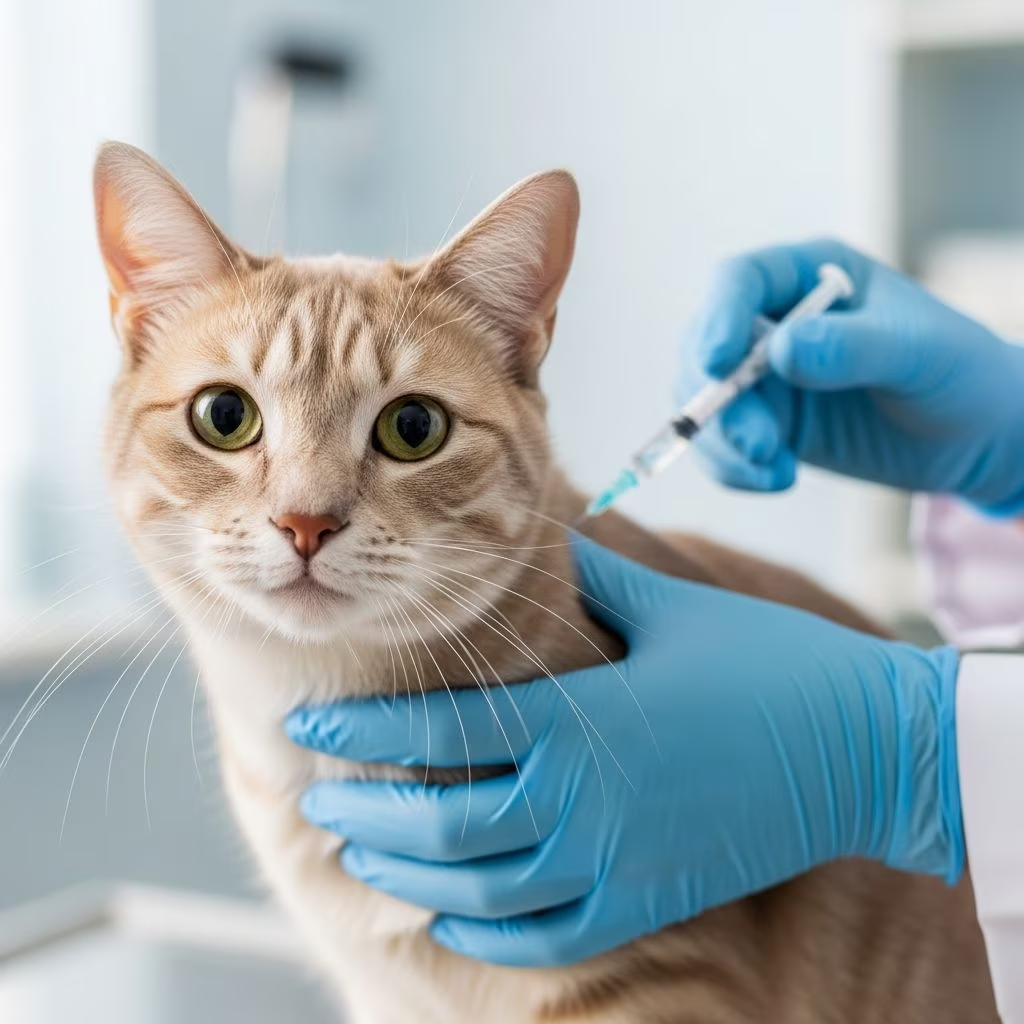
The **FVRCP vaccine** is a cornerstone of feline preventive healthcare, safeguarding cats against three highly contagious and potentially fatal viral diseases: feline viral rhinotracheitis (FVR or FHV-1), feline calicivirus (FCV), and feline panleukopenia (FPV). This combination vaccine, often called the “3-way vaccine,” is classified as a core vaccine by major veterinary organizations like the American Animal Hospital Association (AAHA), meaning it is recommended for all cats, regardless of lifestyle. Even indoor cats face risks from these resilient viruses, which can linger on surfaces for months or hitch a ride into homes on clothing and shoes.
What Does the FVRCP Vaccine Protect Against?
The FVRCP acronym breaks down the specific threats it targets, each capable of causing severe illness or death, especially in kittens.
Feline Viral Rhinotracheitis (FVR or FHV-1)
Feline herpesvirus-1 (FHV-1) causes upper respiratory infections with symptoms like sneezing, nasal discharge, conjunctivitis, and fever. Nearly all cats encounter this virus, leading to lifelong latent infections that reactivate under stress, causing chronic issues like corneal ulcers. The vaccine reduces disease severity and shedding, curbing spread.
Feline Calicivirus (FCV)
FCV triggers respiratory infections, oral ulcers, fever, and limping in kittens. Highly contagious with multiple strains, it spreads via direct contact or fomites. Vaccinated cats experience milder symptoms and shorter shedding periods.
Feline Panleukopenia (FPV)
Also known as feline distemper, FPV attacks rapidly dividing cells in the gut, bone marrow, and lining of the heart, causing vomiting, bloody diarrhea, dehydration, and high mortality (up to 90% in kittens). The modified-live vaccine provides robust, long-lasting immunity.
| Disease | Causative Agent | Main Symptoms | Mortality Risk (Kittens) |
|---|---|---|---|
| FVR (FHV-1) | Feline herpesvirus-1 | Sneezing, eye/nasal discharge, ulcers | Low, but chronic |
| Calicivirus (FCV) | Feline calicivirus | Oral ulcers, fever, lameness | Low-moderate |
| Panleukopenia (FPV) | Parvovirus | Vomiting, diarrhea, leukopenia | Up to 90% |
FVRCP Vaccine Schedule for Cats
Vaccination timing is critical due to maternal antibodies in kittens interfering with early shots. AAHA guidelines recommend starting at 6-8 weeks.
Kitten Vaccination Series
- First dose: 6-8 weeks
- Boosters: Every 3-4 weeks until 16-20 weeks (typically 3-4 doses total)
This ensures protection as maternal antibodies wane.
Adult Cats
- Booster 1 year after final kitten dose
- Then every 3 years (AAHA recommendation for low-risk cats)
- Unvaccinated adults: 2 doses, 3-4 weeks apart, followed by annual booster
Example Schedule:
| Age | Vaccine |
|---|---|
| 6 weeks | Initial |
| 9-10 weeks | Booster 1 |
| 12-14 weeks | Booster 2 |
| 16 weeks | Final kitten booster |
| 1 year | Adult booster |
| Every 3 years thereafter | Maintenance |
Special Considerations
- Pregnant cats: Avoid live vaccines.
- High-risk (shelters, multi-cat homes): More frequent boosters.
- Indoor cats: Still essential; viruses persist environmentally.
Benefits of the FVRCP Vaccine
Beyond direct protection, FVRCP vaccination yields herd immunity benefits, reducing outbreaks. Key advantages include:
- Prevents severe disease: Highly effective against FPV; mitigates FHV-1/FCV.
- Long-term immunity: 3-year intervals suffice for most.
- Cost-effective: Avoids expensive treatments for viral illnesses.
- Supports longevity: Lowers chronic respiratory risks.
Veterinarians universally endorse it as safer than the diseases.
Side Effects of the FVRCP Vaccine in Cats
Most cats tolerate FVRCP well, with mild, transient reactions resolving in 24-48 hours. Serious issues are rare (<0.1%).
Common Mild Side Effects
- Lethargy or mild fever
- Appetite loss
- Injection site soreness/swelling
- Sneezing (from intranasal versions)
Rare Serious Reactions
- Anaphylaxis (hives, vomiting, collapse): Seek emergency care.
- Vaccine-associated sarcoma (extremely rare).
Monitor post-vaccination; contact your vet if symptoms persist beyond 2 days.
Frequently Asked Questions (FAQs)
Q: What is the FVRCP vaccine for cats?
A: It’s a core combination vaccine protecting against FHV-1 (rhinotracheitis), FCV (calicivirus), and FPV (panleukopenia).
Q: Is FVRCP necessary for indoor cats?
A: Yes, viruses survive on surfaces for up to a year and can enter homes indirectly.
Q: How often does my cat need FVRCP boosters?
A: Kittens: series every 3-4 weeks to 16 weeks; adults: 1-year booster, then every 3 years.
Q: Can FVRCP cause disease in my cat?
A: Extremely rare with modern vaccines; benefits far outweigh risks.
Q: When do kittens start FVRCP shots?
A: At 6-8 weeks, with boosters until 16-20 weeks.
Why Consult Your Veterinarian?
Individual factors like health status, lifestyle, and local disease prevalence influence protocols. Always follow your vet’s tailored advice, and maintain vaccination records for boarding/travel. Regular wellness exams ensure ongoing protection.
References
- What Is the FVRCP Vaccine, and Why Does Your Cat Need It? — PetMD. 2023. https://www.petmd.com/cat/general-health/fvrcp-vaccine
- FVRCP Vaccine for Cats — Godspeed Animal Care. 2024-06-15. https://www.godspeedanimalcare.com/site/blog/2024/06/15/fvrcp-vaccine-cats
- Cat Immunizations: A Must-Read Guide for Owners — Metro Vet Clinic. 2024. https://metrovetclinic.com/resources/cat-immunizations/
- FVRCP Vaccinations for Cats — Purina. 2025-06-05. https://www.purina.com/articles/cat/health/symptoms/fvrcp-vaccinations
- Core Vaccines for Pet Cats (PDF) — AAHA. 2020. https://www.aaha.org/wp-content/uploads/globalassets/02-guidelines/feline-vaccination-guidlines/resource-center/corevaccinesforpetcats-table.pdf



