

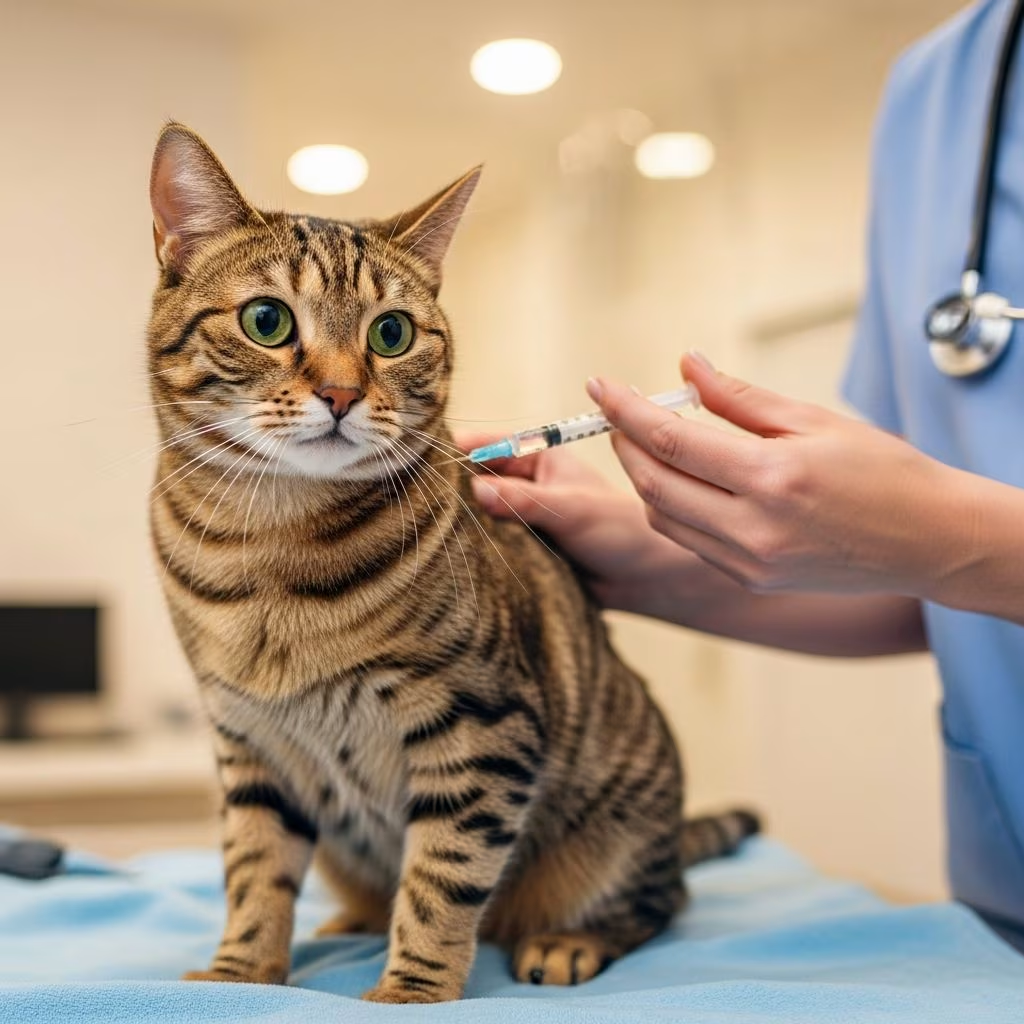
One of the most critical decisions pet owners make is ensuring their feline companions receive appropriate medical care, and vaccination stands as a cornerstone of preventive health maintenance. Among the various vaccines available for cats, the FVRCP vaccine represents one of the most important protective measures recommended by veterinarians worldwide. This comprehensive vaccine addresses three devastating viral infections that can cause severe illness or death in unvaccinated cats. Understanding this vaccine, its benefits, and the appropriate timing for administration helps pet owners make informed decisions about their cat’s long-term health and wellbeing.
The Three Diseases FVRCP Protects Against
The FVRCP vaccine is a combination immunization that works against three distinct and highly contagious feline viruses, each capable of causing serious complications. The name itself reflects the three primary components: the F represents Feline Viral Rhinotracheitis, the C stands for Calicivirus, and the P indicates Panleukopenia.
Feline Viral Rhinotracheitis
Feline Viral Rhinotracheitis, caused by feline herpesvirus type 1 (FHV-1), primarily affects the upper respiratory system of cats. This virus produces symptoms including sneezing, nasal discharge, eye inflammation, and fever. Affected cats may experience difficulty eating due to oral ulcers and conjunctivitis. While many cats recover from acute infection, they may become chronic carriers of the virus, experiencing periodic flare-ups throughout their lives, particularly during periods of stress or illness.
Calicivirus Complications
Feline Calicivirus (FCV) represents another serious respiratory pathogen affecting cats of all ages. This virus causes upper respiratory disease with clinical signs similar to rhinotracheitis, including sneezing, nasal congestion, and fever. Additionally, calicivirus frequently causes painful mouth ulcers and may lead to joint pain or limping in affected cats. Some strains of calicivirus can cause more severe systemic disease with potential for high mortality rates.
Panleukopenia Severity
Panleukopenia, commonly referred to as feline distemper, represents perhaps the most dangerous of the three diseases addressed by the FVRCP vaccine. This highly contagious viral infection attacks the bone marrow and gastrointestinal tract, causing severe vomiting, diarrhea, dehydration, and immune system collapse. Panleukopenia carries a particularly high mortality rate in unvaccinated kittens and young cats, with some studies indicating fatality rates exceeding 90 percent in young animals without treatment. Even with aggressive veterinary intervention, many infected cats do not survive, making prevention through vaccination exceptionally important.
Why the FVRCP Vaccine Matters for All Cats
Veterinarians universally recommend FVRCP vaccination for all cats, regardless of whether they spend their lives exclusively indoors or have outdoor access. This recommendation reflects the widespread distribution of these viruses in the environment and their ability to persist outside living hosts. Indoor cats are not immune to exposure, as viruses can be carried into homes on human clothing, shoes, and hands, or through contact with other pets brought inside. The three diseases protected against by FVRCP are particularly dangerous because no specific curative treatments exist; veterinarians can only provide supportive care while cats’ immune systems attempt to fight the infection.
The vaccine works by helping a cat’s immune system recognize and mount an effective response against these viral threats before they can establish serious infection. While the FVRCP vaccine may not completely prevent infection with feline herpesvirus, it significantly reduces the severity of acute illness and limits the impact of future reactivations. This protective benefit makes vaccination one of the most valuable health interventions available to cat owners.
Vaccination Timeline for Kittens
Establishing proper immunity in young cats requires following a carefully designed vaccination schedule that begins early in life and continues through the first year. The timing of these vaccines is crucial, as administration too early may be ineffective due to maternal antibodies, while delays in vaccination leave kittens vulnerable to serious infection.
Initial Series Administration
Veterinarians recommend initiating the kitten FVRCP series at 6 to 8 weeks of age. This timing allows maternal antibodies to begin declining while remaining sufficient to support the kitten’s immune response. Following the first injection, veterinarians administer booster shots at regular intervals to maintain and strengthen immunity.
Booster Schedule During Kittenhood
After the initial vaccination, kittens receive booster injections every three to four weeks until they reach 16 to 20 weeks of age. This repeated vaccination approach ensures that once maternal antibodies have completely diminished, the kitten’s own immune system has developed robust protection. A typical kitten vaccination schedule follows this pattern:
- 6 weeks: Initial FVRCP vaccine
- 9-10 weeks: First booster
- 12-13 weeks: Second booster
- 15-16 weeks: Third booster
- 1 year of age: Final kitten series booster
The final booster administered around one year of age is particularly important, as it solidifies long-term immunity and sets the foundation for the adult vaccination schedule. It is critical to maintain this vaccination sequence, as gaps in the schedule may necessitate repeating the entire series from the beginning.
Adult Cat Vaccination Protocols
Once cats have completed their kitten vaccination series, their immunization needs shift to a maintenance schedule designed to preserve existing immunity throughout adulthood and into senior years.
Previously Vaccinated Adults
For adult cats with documented previous vaccination history, booster doses are administered at intervals determined by veterinary guidelines and individual risk factors. The American Animal Hospital Association (AAHA) recommends booster vaccinations every three years for FVRCP to maintain adequate immunity levels. Some veterinarians may recommend boosters every two years depending on the specific vaccine formulation used and the cat’s lifestyle and risk of exposure.
Unvaccinated or Unknown History Adults
Adult cats with no prior vaccination history or cats whose vaccination status cannot be verified require a different approach than previously immunized animals. These cats typically receive two initial FVRCP injections administered three to four weeks apart, followed by the standard booster schedule thereafter. This two-dose series ensures that immunity develops even if maternal antibodies are not a factor, as may occur in older animals.
Vaccine Effectiveness and Protection
The FVRCP vaccine has demonstrated high effectiveness in protecting cats against the three targeted diseases. When administered according to recommended schedules, the vaccine provides substantial protection against severe illness. While protection may not prevent infection entirely in all circumstances, particularly with feline herpesvirus exposure, vaccinated cats typically experience significantly reduced disease severity compared to unvaccinated animals.
The vaccine’s protective benefit extends beyond individual cats to help control disease spread within multi-cat environments and cat populations broadly. This community-level protection becomes particularly important in shelters, boarding facilities, and households with multiple cats.
Potential Side Effects and Safety Profile
FVRCP vaccines are well-tolerated by the vast majority of cats, with serious side effects being quite rare. Common and mild reactions that occasionally occur include temporary lethargy, mild fever, or soreness at the injection site. These reactions typically resolve within 24 to 48 hours without treatment.
More serious adverse events, while extremely uncommon, can include allergic reactions or injection-site sarcomas in rare cases. Pet owners should monitor their cats for signs of severe reactions in the hours and days following vaccination and contact their veterinarian if they observe unusual behavior, significant swelling, or difficulty breathing.
Special Considerations for Different Cat Lifestyles
Indoor Cats
Even cats that never venture outdoors benefit significantly from FVRCP vaccination. The viruses protected against by this vaccine are airborne and can be introduced into homes through various pathways, making indoor cats not immune to exposure. All cats, regardless of indoor or outdoor status, should receive this core vaccine.
Outdoor and Multi-Cat Households
Cats with outdoor access or those living in multi-cat households face increased exposure risk to respiratory viruses. These cats may benefit from more frequent booster vaccinations, and veterinarians may recommend annual or biennial boosters rather than the standard three-year interval, depending on local disease prevalence and the cat’s specific exposure circumstances.
Frequently Asked Questions
Is FVRCP truly necessary for my indoor cat?
Yes, FVRCP vaccination is recommended for all cats, including those kept exclusively indoors. The viruses this vaccine protects against can enter homes through various routes and are widespread in the environment, making indoor cats vulnerable to exposure.
How long does FVRCP protection last?
Following the complete kitten vaccination series and booster at one year of age, immunity typically lasts for three years, though some cats may require boosters at two-year intervals depending on individual factors and vaccine type.
Can vaccinated cats still get these diseases?
While vaccinated cats have significantly reduced risk, breakthrough infections can occasionally occur, particularly with feline herpesvirus. However, vaccinated cats that do become infected typically experience much milder disease than unvaccinated animals.
What should I do if I miss my cat’s booster appointment?
If a booster is overdue, contact your veterinarian to schedule an updated vaccination. Depending on how long has elapsed, your veterinarian may recommend a new booster or returning to a modified vaccination schedule.
Working with Your Veterinarian
Your veterinarian is the best resource for determining your individual cat’s specific vaccination needs and schedule. Factors including age, health status, lifestyle, and local disease prevalence should inform vaccination decisions. Regular veterinary checkups provide opportunities to discuss vaccination strategies and ensure your cat’s immunization status remains current.
Pet owners should maintain vaccination records and bring them to all veterinary appointments. These records help veterinarians track when boosters are due and ensure continuity of care, particularly if your cat sees multiple veterinary practitioners during its lifetime.
Conclusion: Prioritizing Your Cat’s Health
FVRCP vaccination represents one of the most effective investments pet owners can make in their cat’s long-term health and quality of life. By understanding what this vaccine protects against, following recommended vaccination schedules, and maintaining regular veterinary care, cat owners significantly reduce their pets’ risk of serious illness from three devastating viral infections. Whether your cat spends its days lounging by a sunny window indoors or exploring the neighborhood, appropriate vaccination protection provides peace of mind and helps ensure your feline companion enjoys a healthy, vibrant life for years to come.
References
- FVRCP Vaccine for Cats: A Complete Guide to Protecting Your Feline Friend — Supertails. Accessed February 17, 2026. https://supertails.com/blogs/posts/fvrcp-vaccine-for-cats-a-complete-guide-to-protecting-your-feline-friend
- What Is the FVRCP Vaccine, and Why Does Your Cat Need It? — PetMD. Accessed February 17, 2026. https://www.petmd.com/cat/general-health/fvrcp-vaccine
- Vaccine Schedules for Cats & Kittens — Small Door Veterinary. Accessed February 17, 2026. https://www.smalldoorvet.com/learning-center/wellness/cat-kitten-vaccine-schedules
- The FVRCP Vaccine for Cats — Killen Vets. 2024-05-31. https://www.centerstarvet.com/site/blog/2024/05/31/fvrcp-cat-vaccine
- Core Vaccines for Pet Cats — American Animal Hospital Association (AAHA). 2020. https://www.aaha.org/resources/2020-aahaaafp-feline-vaccination-guidelines/core-vaccines-for-pet-cats/
- The Complete Guide to Cat Vaccines: What Shots Do Cats Need? — Deltona Veterinary Clinic. Accessed February 17, 2026. https://www.deltonavet.com/cat-vaccinations/the-complete-guide-to-cat-vaccines-what-shots-do-cats-need/
- Vaccine Recommendations — PMC (PubMed Central). Accessed February 17, 2026. https://pmc.ncbi.nlm.nih.gov/articles/PMC7152048/



