
Future Pet Treatments: Veterinary Innovations Ahead
Discover cutting-edge veterinary advancements revolutionizing pet healthcare, from AI diagnostics to personalized therapies for longer, healthier lives.
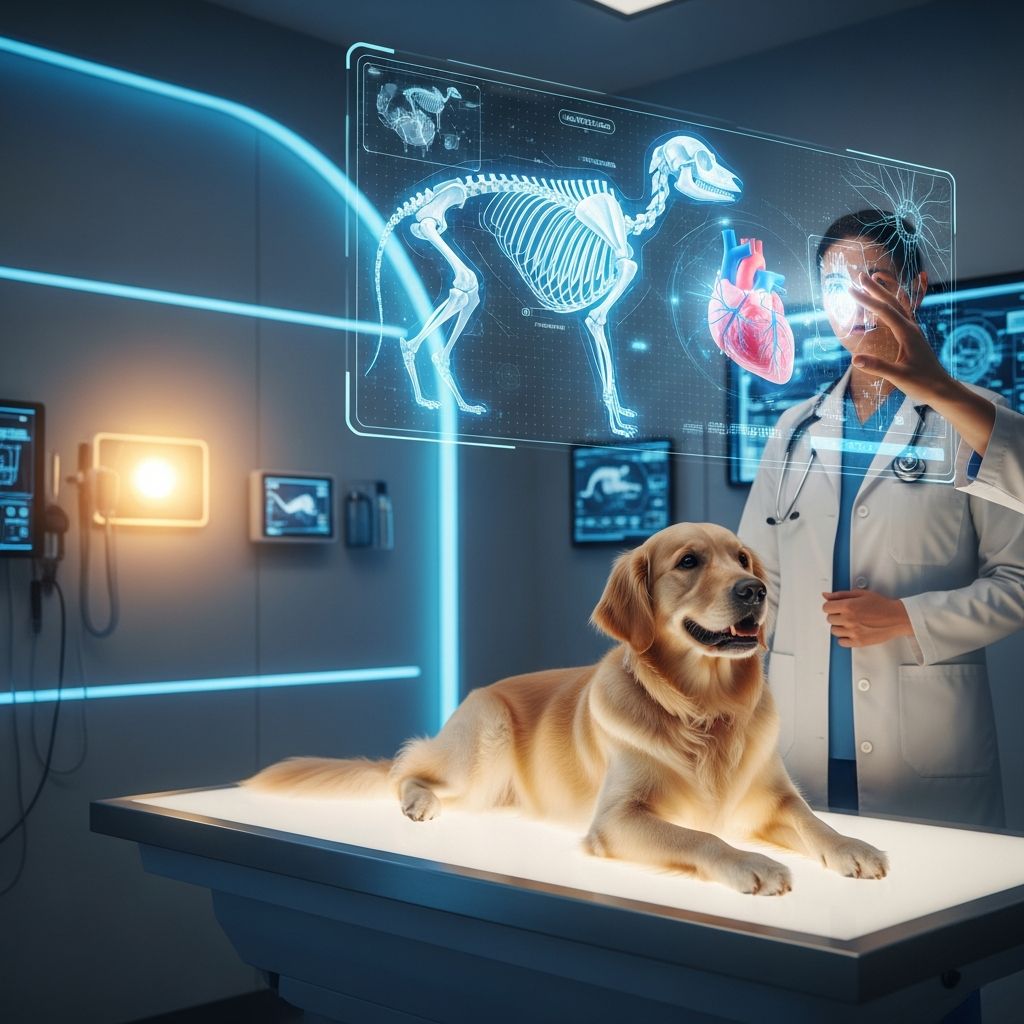
Advancements in veterinary science are rapidly expanding the options for pet care, offering hope for managing chronic diseases, enhancing diagnostics, and improving overall well-being. From targeted immunotherapies to smart devices, these developments promise more precise, less invasive treatments that extend pets’ healthy years.
Revolutionizing Diagnostics with Artificial Intelligence
Artificial intelligence is reshaping how veterinarians detect and diagnose illnesses in pets. AI algorithms now analyze imaging like X-rays and ultrasounds in seconds, identifying subtle anomalies that might escape the human eye. This speed allows for quicker interventions, potentially saving lives in critical cases.
For instance, AI-driven software processes symptoms alongside lab results to suggest possible diagnoses, streamlining the decision-making process. While hands-on exams remain essential, these tools act as invaluable assistants, reducing diagnostic errors and treatment delays.
- Key Benefits: Faster analysis of complex images
- Early detection of conditions like tumors or fractures
- Integration with wearable data for holistic health profiles
Smart Wearables: Continuous Monitoring for Pets
Wearable technology, once limited to fitness trackers for humans, has evolved into sophisticated pet health monitors. Smart collars and harnesses track vital signs such as heart rate, temperature, respiration, and activity levels, sending real-time alerts to owners’ phones or vets.
These devices learn individual pet behaviors, flagging deviations that signal illness onset. Wireless sensors in bowls even monitor eating and drinking patterns, crucial for detecting metabolic issues early. By 2026, such tech integrates seamlessly with telemedicine platforms for remote vet consultations.
| Device Type | Monitored Metrics | Benefits |
|---|---|---|
| Smart Collars | Heart rate, activity, GPS | Real-time alerts, location tracking |
| Harness Sensors | Temperature, respiration | Early illness detection |
| Bowl Sensors | Weight intake, hydration | Nutritional issue spotting |
3D Printing: Custom Solutions for Surgical Precision
Three-dimensional printing is transforming orthopedic and surgical care for pets. Custom prosthetics, braces, and even replica organ models are created from precise scans, fitting animals perfectly and reducing surgery times.
Pre-surgical 3D models allow vets to plan procedures meticulously, minimizing risks and accelerating recovery. This technology makes advanced care more affordable and accessible, especially for rare sizes or complex injuries.
Monoclonal Antibodies: Targeted Therapy for Chronic Conditions
Monoclonal antibodies (mAbs) represent a leap in immunotherapy for pets. These lab-engineered proteins precisely target disease-causing agents, modulating the immune response without broad suppression.
In cats, mAbs address chronic kidney disease complications by reducing inflammation. Dogs benefit from treatments for pancreatitis, a historically challenging condition. Administered via injections, these therapies offer long-lasting relief with fewer side effects than traditional drugs.
- Applications in felines: Kidney disease management
- Canine uses: Pancreatitis and allergic conditions
- Advantages: Specificity, reduced toxicity
Telemedicine and Hybrid Care Models
Veterinary telemedicine has matured into a hybrid model blending virtual and in-person care. Apps enable video consultations, AI triage, and record sharing, making expert advice accessible anytime.
Remote tools connect wearables to vets for ongoing monitoring, ideal for post-op follow-ups or chronic care. This shift reduces clinic overload, improves client satisfaction, and expands care to remote areas.
Breakthroughs in Virology and Cancer Research
Research at leading institutions like Penn Vet is yielding promising results against zoonotic viruses and cancers. Studies on avian influenza evolution enhance surveillance and prevention, protecting both pets and humans.
In oncology, investigations into copy number alterations in cancers like breast, pancreatic, and leukemias pave the way for early detection and targeted therapies. These efforts could soon translate to companion animal treatments.
Industry Trends Shaping 2026 Veterinary Practices
Experts predict AI integration, digital workflows, and staff training as dominant trends. Online booking, automated documentation, and hybrid visits streamline operations, combating burnout and elevating care quality.
Events like VMX 2026 highlight themes such as extending animal healthspans, mobility enhancement, and broader care access, underscoring a push toward innovative, inclusive veterinary medicine.
FAQs on Emerging Pet Treatments
What are monoclonal antibodies for pets?
mAbs are precise immune therapies targeting specific diseases like kidney issues in cats or pancreatitis in dogs, offering effective management with minimal side effects.
How do pet wearables improve health outcomes?
They provide continuous vital sign monitoring and behavior analysis, enabling early intervention through app alerts to owners and vets.
Is 3D printing common in vet surgery now?
It’s increasingly used for custom prosthetics and planning models, making surgeries faster and more accurate.
Can AI replace vet diagnoses?
No, AI supports by analyzing data quickly but requires vet expertise for final decisions.
What chronic pet conditions benefit most from new tech?
Kidney disease, pancreatitis, cancers, and mobility issues see major gains from mAbs, wearables, and printing.
Outlook: A Healthier Future for Pets
These innovations collectively aim to extend pets’ healthspans, making treatments personalized, proactive, and less burdensome. Pet owners can expect safer surgeries, better chronic disease control, and constant health insights, fostering longer companionship.
Staying informed and discussing options with vets ensures pets benefit from this rapidly evolving field.
References
- New in Veterinary Medicine — VCA Animal Hospitals. 2023. https://vcahospitals.com/resources/lifestyle/new-in-veterinary-medicine
- Pet Tech of 2026: Gadgets That Could Transform Veterinary Care — Shiloh Veterinary Hospital. 2026. https://www.shilohsvet.com/blog/pet-tech-of-2026-gadgets-that-could-transform-veterinary-care/
- Penn Vet Scientists Earn National Honors for Breakthrough Research in Virology and Cancer Innovation — University of Pennsylvania School of Veterinary Medicine. 2026-02-24. https://www.vet.upenn.edu/penn-vet-scientists-earn-national-honors-for-breakthrough-research-in-virology-and-cancer-innovation/
- Veterinary Industry Insights for 2026 — Otto. 2026. https://otto.vet/veterinary-industry-insights-2026/
- Key themes revealed for VMX 2026 — Vet Times. 2026. https://www.vettimes.com/news/vets/international/key-themes-revealed-for-vmx-2026
- 7 New Technologies Veterinary Professionals Should Know About in 2026 — IVC Journal. 2026. https://ivcjournal.com/7-new-technologies-veterinary-professionals-should-know-about-in-2026/
Similar Articles








Read full bio of medha deb


