Furunculosis in Dogs: Causes and Care
Understand furunculosis in dogs: from causes like bacterial infections to effective treatments and prevention strategies for healthier skin.
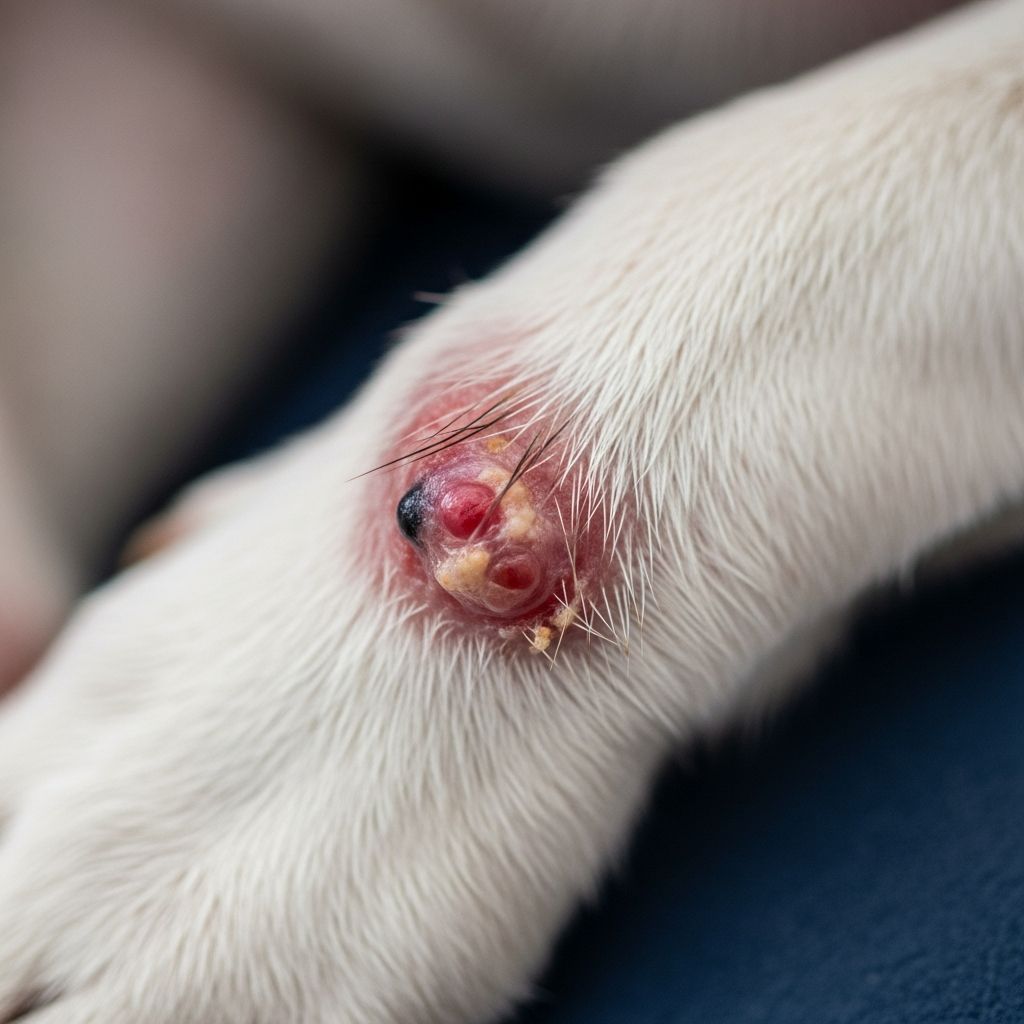
Furunculosis refers to deep bacterial infections of hair follicles in dogs, leading to painful boils or abscesses on the skin. These infections often affect areas like paws, chin, or tail, causing discomfort and requiring prompt veterinary attention.
Recognizing the Signs of Furunculosis
Early detection of furunculosis is crucial for effective management. Dogs typically show red, swollen nodules that may ooze pus, accompanied by hair loss and intense itching. Affected areas become tender, prompting excessive licking or chewing, which can worsen the condition.
- Swollen, red bumps: Initial firm lumps that grow painful and hot to the touch.
- Pus drainage: Thick, yellowish discharge when boils rupture.
- Alopecia: Bald patches surrounding the infected sites.
- Behavioral changes: Limping if paws are involved, or reluctance to eat if facial areas hurt.
In severe cases, fever or lethargy signals systemic involvement, demanding immediate care.
Common Locations and Types
Furunculosis manifests in specific body regions due to friction, moisture, or grooming habits. Interdigital furunculosis between toes is prevalent in short-haired breeds, while chin acne-like boils affect others.
| Type | Common Sites | Predisposing Factors |
|---|---|---|
| Interdigital | Between toes/paws | Trauma, allergies, foreign bodies |
| Facial/Chin | Muzzle, chin | Rubbing, short coarse hair |
| Post-Grooming | Trunk, back | Clipper burn, Pseudomonas bacteria |
| Anal/Perianal | Tail base, anus | Immune issues, genetics |
Each type shares bacterial origins but differs in triggers, influencing treatment approaches.
Root Causes Behind the Infections
Bacterial invasion, primarily Staphylococcus, initiates most cases, entering via damaged follicles. Trauma from scratches, bites, or clipping creates entry points. Underlying issues amplify risks:
- Allergies: Atopy or food sensitivities cause chronic inflammation, weakening barriers.
- Endocrine disorders: Hypothyroidism impairs immunity.
- Parasites/Fungi: Demodex or Malassezia co-infections.
- Genetic factors: Certain breeds prone due to coat or conformation.
Recurrent episodes often stem from untreated root causes like allergies or improper prior therapy.
Diagnostic Approaches for Accurate Identification
Veterinarians employ several methods to confirm furunculosis and rule out mimics like tumors or eosinophilic conditions.
- Cytology: Swabs reveal bacteria, pus cells, or eosinophils.
- Culture/Sensitivity: Identifies specific pathogens and effective antibiotics.
- Skin Biopsy: Essential for chronic or unusual cases to check for deeper issues.
- Allergy Testing: Intradermal or blood tests for environmental triggers.
- Imaging/Bloodwork: To exclude systemic diseases.
Precise diagnosis guides targeted therapy, preventing resistance or recurrence.
Treatment Strategies: From Mild to Severe
Treatment combines infection control, inflammation reduction, and cause correction. Mild cases may resolve with topicals, but severe ones need systemic drugs.
Medical Management
- Antibiotics: Oral like cephalexin or fluoroquinolones for 3-6 weeks; topicals like mupirocin.
- Anti-inflammatories: NSAIDs, steroids, or cyclosporine for allergies.
- Topical Therapies: Chlorhexidine soaks, medicated shampoos.
- Pain Relief: Gabapentin or tramadol.
Supportive Care at Home
Owners play a key role post-vet visit:
- Prevent licking with cones or boots.
- Daily cleaning with vet-recommended solutions.
- Diet trials for food allergies.
Surgical Interventions
For refractory anal furunculosis or deep abscesses, drainage or laser surgery may be needed. Reserved for medical failures.
Preventing Recurrence: Long-Term Solutions
Proactive steps reduce flare-ups:
- Allergy Control: Immunotherapy, hypoallergenic diets, flea prevention.
- Skin Maintenance: Regular baths, paw soaks, moisturizers.
- Breed-Specific Care: Avoid trauma in short-haired dogs.
- Monitoring: Early intervention at first signs.
Immunotherapy succeeds in 70% of allergic cases after 1 year.
FAQs on Canine Furunculosis
Is furunculosis contagious to other dogs or humans?
No, it’s not directly contagious, but bacteria like Staph can spread via shared items. Good hygiene prevents secondary issues.
How long does recovery take?
Mild cases: 1-2 weeks; chronic: months with ongoing management.
Can diet influence furunculosis?
Yes, food allergies contribute; novel protein diets help many.
What breeds are most at risk?
Short-coated like Bulldogs, Labs; German Shepherds for anal type.
When is surgery necessary?
For non-responsive perianal fistulas after medical trials.
Prognosis and Owner Tips
With proper care, most dogs achieve good control. Persistent cases need dermatologist referral. Track progress and adhere to protocols for best outcomes.
References
- Furuncle in Dogs: Causes, Symptoms & Treatment — Sustainable Vet. 2023. https://www.sustainablevet.org/blog/furuncle-in-dogs-causes-symptoms-treatment
- Eosinophilic Folliculitis/Furunculosis in a Dog — Today’s Veterinary Practice. 2022-10-01. https://todaysveterinarypractice.com/dermatology/eosinophilic-folliculitis-furunculosis-in-a-dog/
- Interdigital Furunculosis in Dogs — Merck Veterinary Manual. 2024. https://www.merckvetmanual.com/integumentary-system/interdigital-furunculosis/interdigital-furunculosis-in-dogs
- Interdigital furunculosis: medical and surgical options — dvm360. 2023. https://www.dvm360.com/view/interdigital-furunculosis-medical-and-surgical-options
- Furunculosis In Dogs: A Comprehensive Guide For Dog Owners — Kingsdale Animal Hospital. 2024. https://www.kingsdale.com/furunculosis-in-dogs-a-comprehensive-guide-for-dog-owners
- Interdigital furunculosis in dogs — Unleashed Veterinary Dermatology. 2023. https://www.unleashedvetderm.com/furunculosis/
Similar Articles






Read full bio of medha deb