

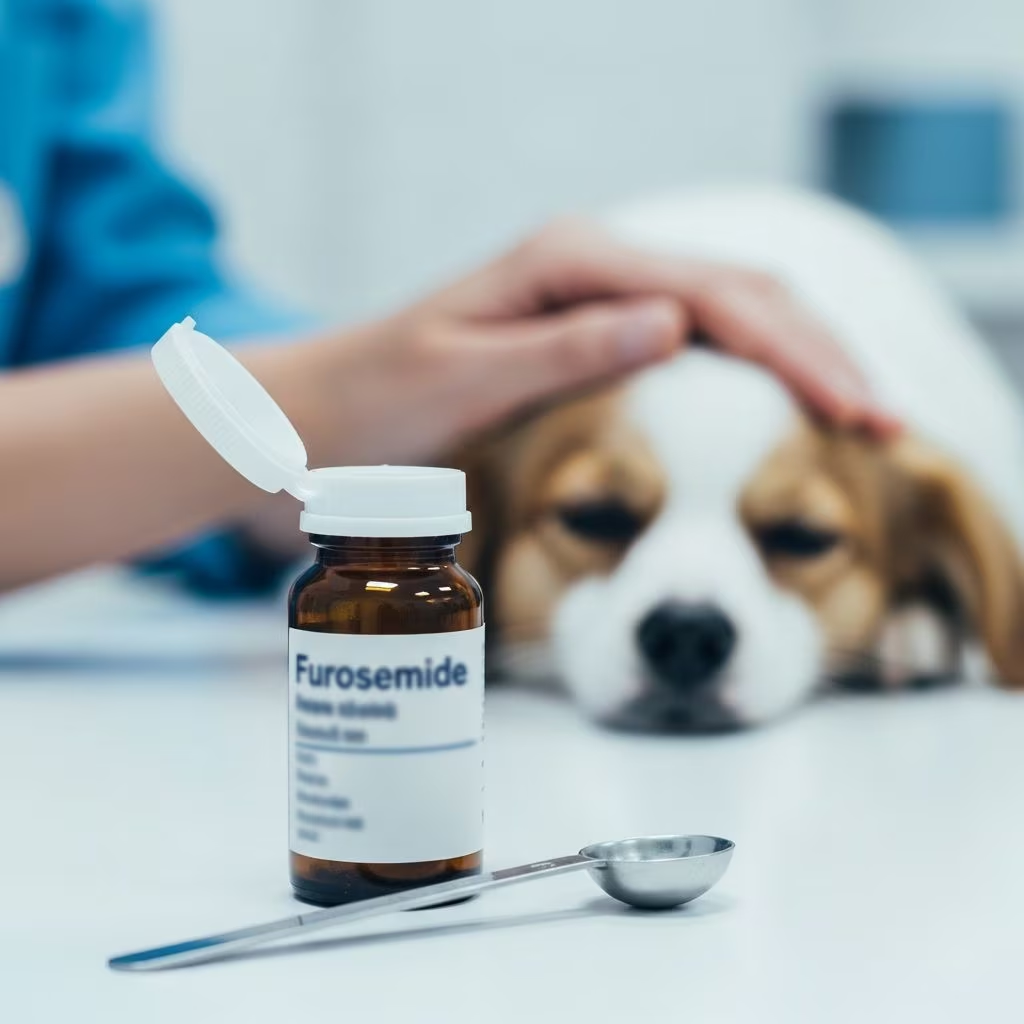
What is Furosemide?
Furosemide (brand names: Lasix®, Salix®, Disal®) is a potent diuretic medication commonly prescribed by veterinarians to treat various conditions in dogs and cats. As a loop diuretic, furosemide works by inhibiting the reabsorption of sodium and chloride in the kidneys, thereby increasing the production and excretion of urine. This mechanism of action makes it an effective treatment for conditions characterized by fluid accumulation in the body. The medication has been widely used in veterinary medicine for decades and remains one of the most important drugs in managing cardiac and renal conditions in companion animals.
Common Uses of Furosemide in Pets
Furosemide serves multiple therapeutic purposes in veterinary medicine. The primary indications for this medication include:
- Congestive Heart Failure (CHF): Furosemide is the first-line diuretic therapy for managing CHF in both dogs and cats, helping to reduce fluid accumulation in the lungs and body tissues.
- Pulmonary Edema: This life-threatening condition, where fluid fills the lungs, requires immediate treatment with furosemide to improve oxygen exchange and breathing.
- Peripheral Edema: Fluid retention in the legs and other tissues can be effectively managed with furosemide therapy.
- Kidney Disease: In certain cases of renal insufficiency, furosemide helps manage fluid retention and supports kidney function.
- Electrolyte Imbalances: The medication can assist in managing certain electrolyte disorders through increased urinary excretion.
Dosage Guidelines for Dogs
The appropriate dose of furosemide for dogs varies depending on the specific condition being treated, the severity of the disease, and individual patient factors. Veterinarians tailor the dosage to each dog’s needs based on their response to treatment.
Oral Administration
For oral furosemide in dogs, typical dosing ranges from 1 to 5 mg/kg administered once to three times daily. More specifically, the standard dose is 1 to 3 mg per pound (2 to 6 mg/kg) one to four times per day. For long-term management of congestive heart failure, a typical starting dose is 2 mg/kg given orally every 12 hours, with a possible range of 1 to 5 mg/kg every 8 to 12 hours. In cases of mild heart failure, dogs may receive as little as 1 mg/kg every other day, while severe cases might require up to 4 mg/kg every 8 hours.
Injectable Administration
For life-threatening conditions such as acute cardiogenic pulmonary edema, parenteral dosages of furosemide range from 2 to 4 mg/kg administered intravenously, intramuscularly, or subcutaneously every 1 to 6 hours. Injectable forms allow for more rapid absorption and onset of action compared to oral administration. The typical injectable dose is 1 to 2 mg per pound (2.5 to 5 mg/kg) once or twice daily via intravenous or intramuscular administration.
Dosage Guidelines for Cats
Cats are notably more sensitive to furosemide than dogs and typically require lower doses. For long-term management of pulmonary edema in cats, the typical starting dose is 1 mg/kg given orally every 24 hours, with a range of 1 to 2 mg/kg every 12 to 24 hours, up to a maximum total daily dose of 4 to 6 mg/kg. Alternatively, cats may receive 0.5 to 2 mg per pound (1 to 4 mg/kg) one to three times per day.
For acute conditions requiring parenteral administration, cats typically receive 0.5 to 2 mg/kg intravenously, intramuscularly, or subcutaneously every 1 to 8 hours. However, cats with severe heart failure due to decreased renal blood flow may require higher dosages than the standard recommendations. Veterinary adjustments are often necessary based on the individual cat’s response to therapy.
How Furosemide Works
Furosemide operates as a loop diuretic, meaning it acts on the ascending limb of the loop of Henle in the kidney’s nephrons. By blocking the sodium-potassium-chloride co-transporter, furosemide prevents the reabsorption of these electrolytes back into the bloodstream. This action increases the osmotic gradient within the kidney tubules, preventing water reabsorption and resulting in increased urine production. The increased urine flow helps eliminate excess fluid from the body, reducing the workload on the heart and improving respiratory function in animals with pulmonary edema or congestive heart failure.
Administration Considerations
Proper administration of furosemide is crucial for optimal therapeutic outcomes. Consistency in dosing is particularly important for managing heart failure, as irregular or missed doses may result in disease exacerbation. Veterinarians typically recommend establishing a specific schedule rather than allowing owners to administer doses “as needed,” as this ensures stable therapeutic levels of the medication in the patient’s system.
For dogs requiring furosemide trials to determine if they truly have heart failure, a dose of 2 mg/kg orally twice daily is recommended. Using doses that are too low may result in difficulty determining whether a dog actually has heart failure or if the dose simply wasn’t adequate. Veterinarians monitor resting respiratory rates carefully, adjusting doses if values exceed 30 breaths per minute.
Potential Side Effects and Precautions
While furosemide is generally safe and effective, it can produce side effects, particularly with excessive dosing or prolonged use. Pet owners should be aware of the following potential complications:
- Dehydration: Excessive diuresis can lead to dehydration, especially if fluid intake is not adequate.
- Electrolyte Imbalances: Loss of potassium, sodium, and other electrolytes through increased urination can result in dangerous electrolyte abnormalities.
- Kidney Dysfunction: Severe dehydration may compromise kidney function, potentially worsening renal disease.
- Ototoxicity: In rare cases, particularly with high-dose parenteral administration, hearing loss may occur.
- Hyperuricemia: Furosemide can increase uric acid levels in some animals.
- Hypotension: Excessive fluid loss may lead to low blood pressure.
Monitoring and Follow-up Care
Regular veterinary monitoring is essential for pets receiving furosemide therapy. Veterinarians typically recommend periodic blood work to assess kidney function, electrolyte balance, and overall health status. Weight monitoring can help determine if fluid retention is being adequately controlled or if dosage adjustments are needed. Additionally, observation of resting respiratory rates, exercise tolerance, and appetite provides valuable information about treatment effectiveness.
Pet owners should maintain consistent dosing schedules and report any changes in their pet’s condition to their veterinarian promptly. If a pet’s condition deteriorates or new symptoms develop, the furosemide dose or frequency may need adjustment.
Drug Interactions and Contraindications
Furosemide may interact with other medications, particularly those affecting kidney function or electrolyte balance. Pets receiving furosemide alongside other cardiac medications, NSAIDs, or certain antibiotics require close monitoring. Furosemide is generally contraindicated in animals with severe electrolyte depletion, acute kidney failure, or those allergic to sulfonamides, as furosemide is derived from sulfonamide compounds.
Storage and Handling
Furosemide should be stored at room temperature, protected from moisture and light. Pet owners should keep the medication in its original labeled container and away from children and other pets. Expired medication should be properly disposed of according to local regulations. Always follow the veterinarian’s instructions regarding storage and handling specific to the prescribed formulation.
Frequently Asked Questions
Q: Can I give my pet furosemide without a prescription?
A: No. Furosemide is a prescription medication that requires veterinary oversight. Your veterinarian must diagnose the condition and determine the appropriate dose and treatment plan for your pet.
Q: What should I do if I miss a dose?
A: If you miss a dose, administer it as soon as possible unless it’s nearly time for the next scheduled dose. Never double-dose your pet. Contact your veterinarian if you have concerns about missed doses.
Q: How long does furosemide take to work?
A: Injectable furosemide typically begins working within 30 minutes to an hour. Oral formulations may take 1 to 2 hours to show effects. In acute situations, intravenous administration produces the fastest response.
Q: Can furosemide be used long-term?
A: Yes, furosemide can be used long-term for chronic conditions like congestive heart failure. However, regular veterinary monitoring is necessary to ensure the dose remains appropriate and to watch for potential complications.
Q: Are there alternatives to furosemide?
A: Yes. Other diuretics like torsemide may be used when furosemide resistance develops. Torsemide is increasingly used as an initial treatment for some cases of canine CHF. Your veterinarian can recommend alternatives if needed.
Q: Why are cats more sensitive to furosemide than dogs?
A: Cats have different renal physiology and metabolism compared to dogs, making them more susceptible to the drug’s effects. This sensitivity requires lower doses and more careful monitoring in feline patients.
Conclusion
Furosemide remains an essential medication in veterinary practice for managing various conditions in dogs and cats, particularly those involving fluid retention and cardiac dysfunction. Understanding proper dosing, administration techniques, and potential side effects helps pet owners work effectively with their veterinarians to optimize their pet’s health outcomes. Always follow your veterinarian’s specific instructions and maintain regular follow-up appointments to ensure your pet receives the maximum benefit from this important medication while minimizing risks.
References
- Diuretics for Use in Animals — Merck Veterinary Manual. 2024. https://www.merckvetmanual.com/pharmacology/systemic-pharmacotherapeutics-of-the-cardiovascular-system/diuretics-for-use-in-animals
- Furosemide (Lasix®) for Dogs and Cats: Uses, Dosage & Side Effects — PetPlace. 2024. https://www.petplace.com/article/drug-library/drug-library/library/furosemide-lasix-for-dogs-and-cats
- Diuretics for Use in Animals – Pharmacology — MSD Veterinary Manual. 2024. https://www.msdvetmanual.com/pharmacology/systemic-pharmacotherapeutics-of-the-cardiovascular-system/diuretics-for-use-in-animals
- What To Know About Furosemide for Dogs — WebMD Pets. 2024. https://www.webmd.com/pets/dogs/what-to-know-about-furosemide-for-dogs
- SALIX® (Furosemide Injection) – Canine & Feline — Merck Animal Health USA. 2024. https://www.merck-animal-health-usa.com/products/salix-furosemide-injection/
- DOs and DON’Ts for Furosemide Use in Dogs — VETgirl Veterinary Continuing Education. 2024. https://vetgirlontherun.com/dos-don%CA%BCts-furosemide-use-dogs-vetgirl-veterinary-continuing-education-blog/
- Furosemide — VCA Animal Hospitals. 2024. https://vcahospitals.com/know-your-pet/furosemide



