

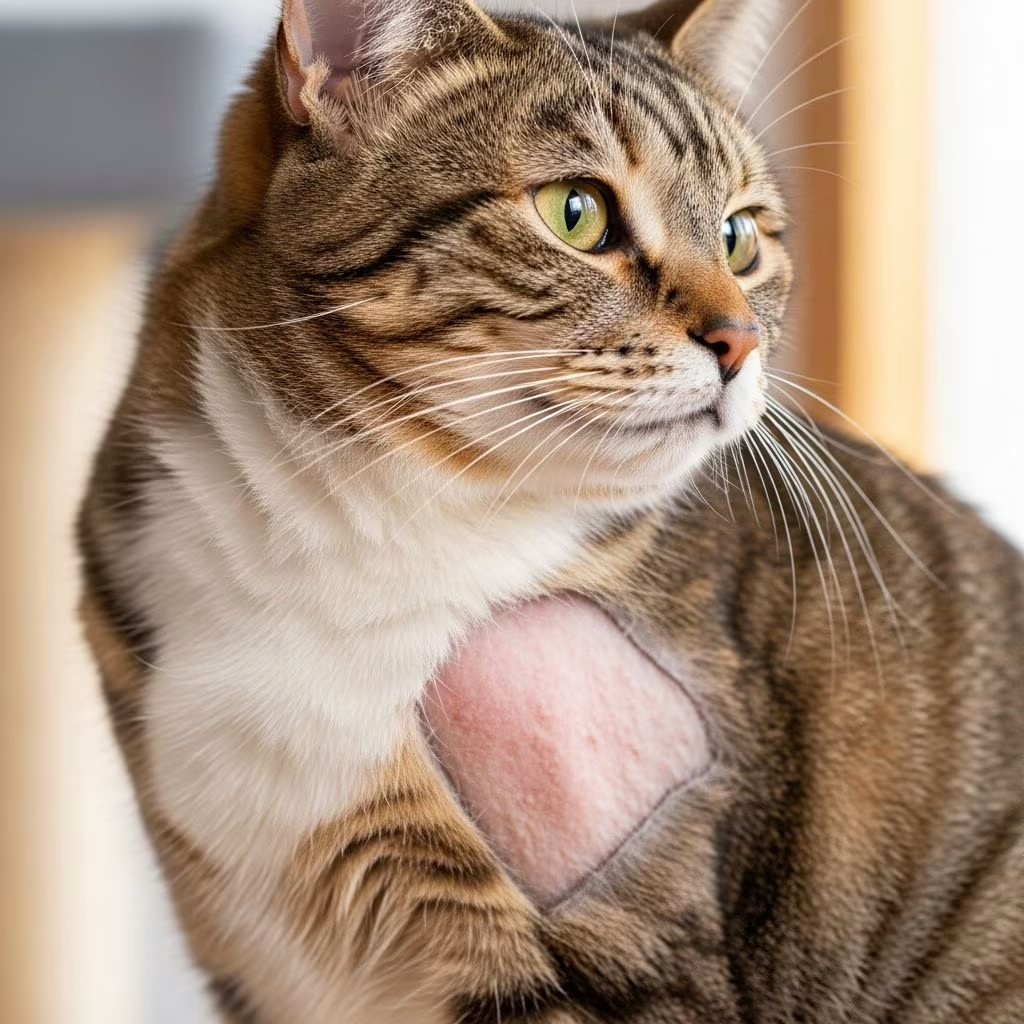
Cats often engage in self-grooming, but when it escalates to **fur mowing**—excessive licking, chewing, or pulling out fur leading to bald spots—it signals an underlying issue. This behavior, also called overgrooming, can stem from medical conditions, environmental factors, or behavioral triggers, requiring owners to identify causes and implement targeted care.
Recognizing the Signs of Overgrooming
Observe your cat for symmetrical bald patches, particularly on the belly, flanks, or legs, which differ from patchy shedding. Broken hairs, red skin, or scabs often accompany this, distinguishing it from normal grooming. Short-haired cats may show less visible loss but increased hairballs, while long-haired ones develop mats quickly.
- Bald areas: Often on abdomen or inner thighs due to easy access.
- Skin changes: Irritation, inflammation, or wounds from constant licking.
- Behavioral cues: Intense grooming sessions lasting minutes, ignoring food or play.
Early detection prevents complications like infections or flea infestations in exposed skin.
Primary Medical Causes Behind Fur Mowing
Health issues frequently drive overgrooming. Allergies top the list, with food sensitivities causing itchy skin and flea allergies amplifying reactions even from minimal bites.
| Condition | Symptoms | Prevalence |
|---|---|---|
| Flea Allergy Dermatitis | Intense itching, small scabs, tail-base baldness | Common in infested cats |
| Food Allergies | Chronic ear infections, paw licking, GI upset | Affects 10-15% of dermatology cases |
| Atopic Dermatitis | Seasonal itching, face/rub rubbing | Genetic in some breeds |
Hyperthyroidism in older cats increases grooming drive, while pain from arthritis prompts licking affected joints. Parasites like mites or ringworm create targeted irritation. Veterinary diagnostics, including skin scrapes and blood tests, pinpoint these.
Psychological and Environmental Triggers
Stress induces psychogenic alopecia, where anxious cats barber their fur for comfort. Changes like new pets, moves, or loud noises trigger this. Boredom in indoor cats leads to compulsive grooming as self-soothing.
- Boredom: Lack of stimulation prompts repetitive behaviors.
- Anxiety: Territorial threats or owner absence heightens cortisol, worsening itch perception.
- Confinement: Limited space amplifies frustration.
Unlike medical causes, these show no skin inflammation initially, but prolonged mowing causes secondary issues.
Grooming Routines to Combat Fur Loss
Regular brushing removes loose fur, reducing ingestion and hairballs while stimulating skin health. For short-haired cats, weekly sessions suffice using soft-bristle brushes; long-haired need daily wide-tooth combs.
Focus on high-risk areas: behind ears, armpits, and sanitary zones. Positive reinforcement—treats and praise—builds tolerance.
- Introduce tools gradually, letting cat sniff first.
- Brush in direction of fur growth, 5-10 minutes max.
- Check skin for fleas, lumps during sessions.
Bathing is rare—only for dirtied coats using cat-safe shampoos every 4-6 weeks. Waterless sprays control shedding between.
Tools Every Cat Owner Needs
Select breed-appropriate implements for efficacy.
| Coat Type | Recommended Tools | Benefits |
|---|---|---|
| Short-Haired | Grooming mitt, bristle brush | Removes dead hair, distributes oils |
| Long-Haired | Slicker brush, dematting comb | Prevents tangles, undercoat access |
| Universal | Nail clippers, pet wipes | Hygiene, injury prevention |
Thinning shears thin ruffs safely; clippers for severe mats require caution to avoid nicks.
Handling Mats and Tangles Safely
Mats form from neglected grooming, trapping dirt and worsening irritation. Start with fingers to tease apart, progressing to combs. For stubborn ones, apply detangler or seek pros.
Avoid pulling—use guide combs or round-tipped scissors. Post-removal, apply soothing balm. Regular trims around hindquarters prevent sanitary matting.
Addressing Stress-Related Overgrooming
Enrich environment with scratching posts, puzzle feeders, and vertical spaces. Pheromone diffusers calm nerves; play therapy redirects energy.
- Feliway plugins mimic calming scents.
- Daily 15-minute interactive play reduces anxiety.
- Consistent routines stabilize behavior.
Consult behaviorists if persists; meds like fluoxetine may help severe cases.
Nutritional Support for Healthy Coats
Diet impacts fur quality. Omega-3 supplements reduce inflammation in allergic cats; high-protein foods support growth. Hydration aids shedding control.
Avoid overfeeding—obesity hinders self-grooming reach.
When to Consult a Veterinarian
Seek help if mowing persists post-flea treatment/environment changes, or with weight loss, lethargy. Derms perform biopsies for psychogenic vs. allergic differentiation.
Treatment may include hypoallergenic diets, steroids, or antibiotics.
Preventive Strategies for Long-Term Coat Health
Combine routines: monthly flea preventives, annual checkups, grooming from kittenhood. Monitor for seasonal flares.
Professional grooming quarterly for longhairs eases home burden.
FAQs
Is fur mowing the same as shedding?
No, shedding is natural; mowing involves deliberate removal creating baldness.
Can diet alone fix overgrooming?
Not usually—addresses allergies but not stress or parasites.
How often should I brush my cat?
Weekly for short-haired, daily for long-haired.
What if my cat hates grooming?
Start slow with treats, short sessions; use gloves for petting-like feel.
Does neutering affect grooming behavior?
It reduces roaming stress but doesn’t directly impact mowing.
References
- Understanding Your Cat’s Grooming Needs: A Complete Guide — Jazz’s Wonderland. 2024-01-15. https://www.jazzswonderland.com/blog/understanding-your-cats-grooming-needs-a-complete-guide
- The Ultimate Guide to Cat Grooming Frequency and Tips for Pet Owners — TICA. 2023-11-20. https://tica.org/blogs/the-ultimate-guide-to-cat-grooming-frequency-and-tips-for-pet-owners/
- Top 10 Cat Grooming Tips Every Cat Owner Should Know — TropiClean. 2024-05-10. https://tropiclean.com/blogs/dog-grooming/top-10-cat-grooming-tips-every-cat-owner-should-know
- 9 Cat Grooming Tips to Keep Your Feline Healthy and Happy — Chewy. 2024-02-28. https://www.chewy.com/education/cat/grooming/cat-grooming-tips
- Tame the floof! Grooming tips for longhaired cats — Happy Cats Haven. 2023-08-12. https://happycatshaven.org/resource/grooming-cats/
- Cat Grooming Guide — VetCare Hosp. 2025-07-01. https://vetcarehosp.com/2025/07/01/cat-grooming-guide/



