
Fungal Yeast Infections in Poultry: Recognition and Management
Essential guide to understanding, diagnosing, and treating candidiasis in poultry flocks
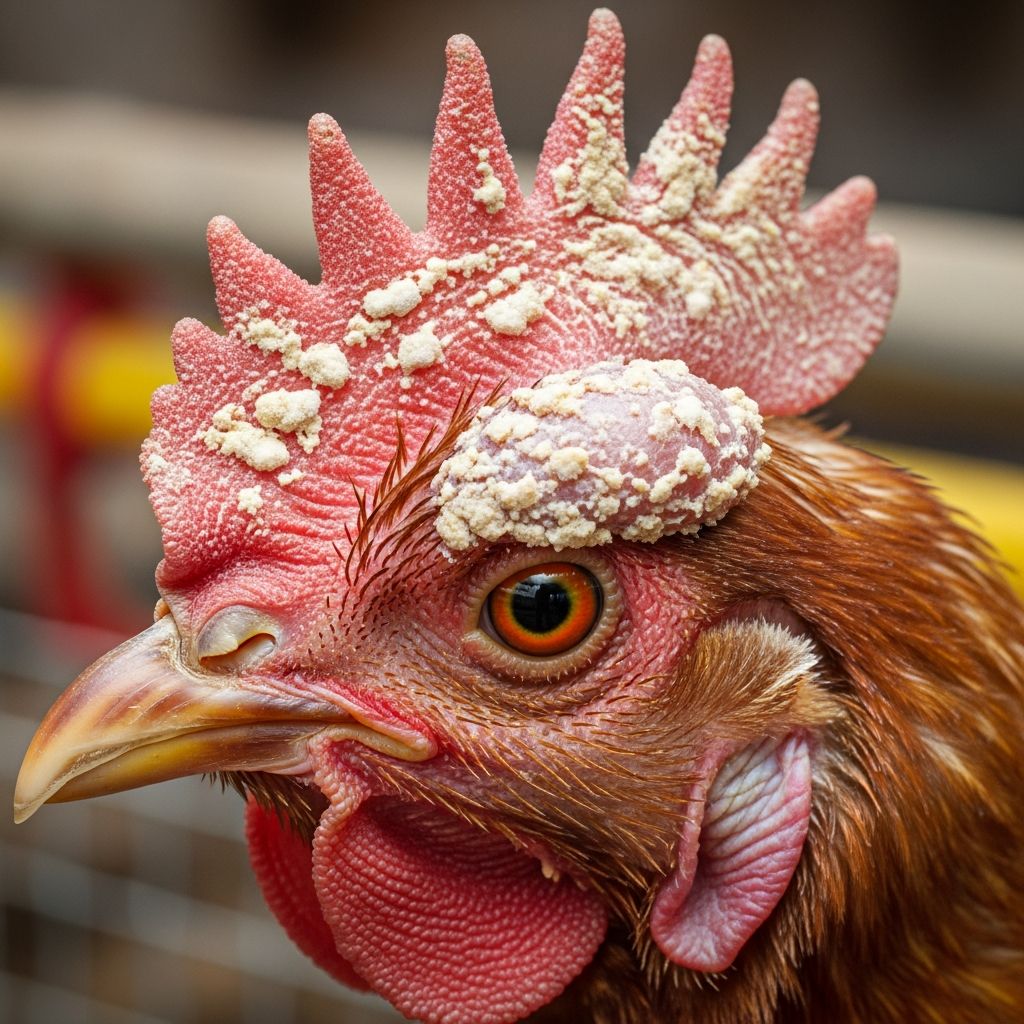
Candidiasis represents one of the most commonly encountered fungal infections affecting poultry production worldwide. This disease, caused by the opportunistic yeast organism Candida albicans, develops when the natural balance of the avian digestive system becomes compromised. Understanding the mechanisms of infection, recognizing clinical signs, and implementing appropriate management strategies are essential skills for poultry producers and veterinarians seeking to maintain flock health and productivity.
Understanding the Disease: What Is Candidiasis?
Candidiasis is a fungal infection that primarily affects the alimentary tract in poultry, though it rarely progresses to systemic involvement. The causative organism, Candida albicans, exists as a normal inhabitant of the nasopharynx, gastrointestinal tract, and external genitalia in many animal species, including birds. The organism becomes pathogenic only when specific conditions create an opportunity for its proliferation and mucosal invasion.
This disease has multiple nomenclature variations in veterinary literature and practice. Poultry producers and bird owners may encounter this condition referred to as thrush, sour crop, moniliasis, or simply yeast infection. Regardless of terminology, the underlying pathophysiology remains consistent: the disruption of normal microbial flora allows Candida albicans to establish infection within the crop, esophagus, and broader gastrointestinal system.
The significance of candidiasis in poultry extends beyond individual bird morbidity. Affected flocks may experience reduced productivity, increased feed conversion inefficiency, and compromised growth rates, particularly in young stock. Despite these concerns, mortality rates from uncomplicated candidiasis remain relatively low when appropriate management and therapeutic interventions are implemented promptly.
Contributing Factors and Disease Development
Candidiasis in poultry functions primarily as a secondary infection rather than a primary pathogenic process. The development of clinical disease requires the convergence of multiple predisposing factors that weaken avian immune defenses or disrupt normal digestive tract ecology.
Environmental and Management Factors
- Prolonged antibiotic administration: Extended use of antimicrobial agents represents one of the most significant risk factors for candidal infection development. Antibiotics eliminate beneficial bacterial flora that normally suppress Candida albicans proliferation, creating an ecological niche for fungal overgrowth.
- Sanitation deficiencies: Poor hygiene practices, contaminated feed, and unclean drinking water sources provide both environmental reservoirs for the organism and stressors that compromise immune function.
- Warm, humid environments: Candida species thrive in warm, moisture-rich conditions typical of brooder facilities and improperly ventilated housing, making young chicks and poults particularly vulnerable during their first weeks of life.
- Nutritional inadequacies: Vitamin deficiencies, particularly those involving B-complex vitamins and vitamin A, reduce mucosal integrity and compromise local immune defenses.
- Dietary imbalances: Excessive carbohydrate content in feed formulations can favor candidal growth while diminishing beneficial bacterial populations.
Health and Immune Factors
- Heavy parasitic infections: Both internal and external parasites create metabolic stress and divert immune resources, reducing resistance to secondary infections.
- Immunosuppressive diseases: Any condition that compromises immune competence increases susceptibility to opportunistic infections, including candidiasis.
- General stress conditions: Transportation, overcrowding, environmental temperature fluctuations, and social disruption all trigger stress responses that temporarily impair immune function.
- Concurrent infections: The presence of other bacterial, viral, or parasitic diseases increases the likelihood of secondary candidal colonization.
Clinical Recognition and Symptom Presentation
Candidiasis presents with a diverse array of clinical signs that may vary in severity and progression depending on the extent of infection and the overall health status of affected birds. Early recognition enables prompt intervention and improved treatment outcomes.
Observable Signs in Affected Birds
Producers should monitor for behavioral and physiological changes that suggest candidal infection. Appetite reduction or complete feed refusal frequently occurs as birds experience discomfort during feeding. Depression and lethargy become evident as affected birds show diminished activity levels and reduced social interaction within the flock. Poor growth rates and reduced body weight gain develop secondary to reduced feed consumption and nutrient malabsorption.
Digestive system manifestations include delayed crop emptying, where the crop fails to progress normally through its normal fill-empty cycles, and hard or squishy crops indicating abnormal crop contents and function. Regurgitation may be observed, particularly in young birds, and affected poultry frequently exhibit brownish and watery droppings reflecting gastrointestinal disturbance.
Oral cavity findings provide the most diagnostically significant observations. Producers may notice white patches or plaques appearing on the inner surfaces of the mouth, under the tongue, or along the esophagus. These lesions present as raised, whitish areas of dead epithelial tissue with easily removable pseudomembranes overlying the affected mucosa. Afflicted birds often exhibit bad breath, reflecting abnormal bacterial fermentation within compromised oral and esophageal tissues.
Age-Related Disease Patterns
Candidiasis shows a distinct age-related epidemiology. Young chicks and poults demonstrate significantly higher susceptibility than adult birds, particularly when housed in warm, humid brooder environments. However, veterinarians and producers must recognize that candidiasis is frequently overdiagnosed in older birds. Many cases presumed to represent candidal infection in mature poultry actually represent other conditions requiring different management approaches.
Diagnostic Approaches and Confirmation Methods
Accurate diagnosis ensures appropriate treatment selection and prevents unnecessary or prolonged antimicrobial therapy. Multiple diagnostic pathways exist, ranging from presumptive clinical assessment to definitive histological confirmation.
Preliminary Diagnostic Assessment
Field diagnosis often relies on characteristic clinical presentations combined with examination findings. The combination of white oral lesions, crop dysfunction, poor appetite, and relevant predisposing factors (such as recent antibiotic use) permits presumptive diagnosis in many cases. This rapid assessment enables prompt initiation of supportive care and management modifications while awaiting confirmatory diagnostic results.
Definitive Diagnostic Confirmation
Histopathological examination provides definitive diagnosis by demonstrating fungal hyphae and yeast forms within affected mucosa. Collection of affected tissue samples from oral cavities, esophageal mucosa, or crop wall for laboratory analysis confirms Candida albicans infection and excludes mimicking conditions such as bacterial infections or neoplastic lesions.
Treatment Strategies and Therapeutic Options
Successful management of candidiasis requires a multifaceted approach addressing both the fungal infection and underlying predisposing factors. Treatment should be individualized based on infection severity, bird age, and available therapeutic options.
Fundamental Management Principles
The cornerstone of candidiasis management begins with isolation of affected birds into a separate, comfortable, warm environment with unrestricted access to water and food. While candidiasis itself is not contagious between birds, isolation reduces stress and facilitates individual monitoring. Immediate cessation of antibiotic therapy is essential, allowing normal bacterial flora to reestablish and suppress candidal proliferation.
Antifungal Medication Options
Multiple antifungal agents demonstrate efficacy against Candida albicans infections in poultry, with selection based on infection severity and bird age.
| Medication | Dosage and Administration | Duration | Clinical Applications |
|---|---|---|---|
| Nystatin | 300,000 IU/kg orally, twice daily; alternatively 100g/ton as feed additive | 5 days | First-line therapy; minimal toxicity; no egg withdrawal; suitable for laying birds |
| Copper Sulfate | 1:2000 solution in drinking water | Several days | Prevention and control; economical; suitable for flock treatment |
| Fluconazole | 20 mg/kg orally every 48 hours | 14-17 days | Severe infections; systemic absorption; reserved for resistant cases |
| Ketoconazole | 10-30 mg/kg orally, twice daily | 7-30 days | Severe infections; greater hepatotoxicity potential than fluconazole |
| Itraconazole | 10 mg/kg orally, twice daily | 21 days | Severe infections caused by other fungal species; broader-spectrum activity |
Supportive Care and Flora Restoration
Probiotic supplementation at double therapeutic dosage accelerates restoration of normal gastrointestinal bacterial communities, directly suppressing residual candidal populations. Avian-specific probiotic formulations should be selected rather than generic products, as poultry possess distinct microbiota requirements.
Nutritional support becomes particularly important in birds showing signs of malnutrition or prolonged anorexia. Ensuring adequate vitamin content, particularly B-complex vitamins and vitamin A, supports mucosal healing and immune reconstitution. Fluid support may be necessary in birds with severe crop involvement or persistent regurgitation.
Alternative and Complementary Approaches
Research has identified several botanical compounds demonstrating inhibitory activity against Candida albicans. Apple cider vinegar (one tablespoon per gallon of drinking water for three to four days) may benefit birds with mild infections related to flora disruption. Dietary supplementation with cinnamon essential oil shows strong antimicrobial effects, while clove powder (2% of diet) and thyme (200 ml/kg of diet) have demonstrated benefits in broiler chickens, improving clinical symptoms and hematological parameters. Pomegranate peel powder exhibits high inhibitory activity against Candida albicans, offering potential as a dietary supplement.
Prevention and Long-Term Flock Management
Preventing candidiasis proves substantially more economical and practical than treating established infections. Comprehensive prevention strategies address the underlying conditions that permit disease development.
- Sanitation excellence: Implement strict cleaning and disinfection protocols for housing, feeders, waterers, and equipment using appropriate disinfectant compounds and iodine-based preparations.
- Antibiotic stewardship: Minimize antibiotic exposure by avoiding prolonged treatment courses without explicit veterinary guidance. Reserve antimicrobials for confirmed bacterial infections requiring systemic therapy.
- Nutritional adequacy: Formulate balanced rations containing appropriate vitamin levels, particularly B-complex vitamins and vitamin A, to support mucosal integrity and immune competence.
- Environmental optimization: Maintain proper ventilation, temperature control, and humidity levels to minimize stress and prevent warm, moist conditions favoring candidal proliferation.
- Parasite management: Implement integrated pest management and parasitic disease control programs to reduce parasitic stress and associated immune compromise.
- Stress reduction: Minimize stressors through appropriate housing density, gentle handling, and environmental consistency throughout the production cycle.
- Water quality: Ensure clean, uncontaminated drinking water supplies through regular system cleaning and chemical or copper sulfate treatment for disease prevention.
Prognosis and Expected Outcomes
The overall prognosis for candidiasis in poultry is favorable when diagnosed promptly and managed appropriately. Morbidity and mortality rates remain low, with affected birds typically demonstrating clinical improvement within several days of initiating antifungal therapy and supportive care. However, treatment success depends critically on addressing underlying predisposing factors. Birds experiencing relapses often suffer from unresolved primary causes, inadequate sanitation, or environmental stress perpetuating candidal susceptibility.
Flock-level impacts, while present through reduced productivity and increased care requirements, do not typically result in catastrophic economic losses when management responses are implemented promptly. Young birds, particularly chicks in the first three weeks of life, generally show more dramatic clinical improvement compared to adult birds with chronic infections.
Conclusion
Candidiasis represents a manageable poultry health challenge when producers and veterinarians understand the underlying pathophysiology and implement evidence-based management strategies. The disease results not from exposure to the causative organism—since Candida albicans exists normally in avian microflora—but rather from the disruption of ecological balance through antibiotics, poor sanitation, nutritional inadequacy, or immunosuppressive conditions. Recognition of clinical signs, prompt diagnostic confirmation, appropriate antifungal therapy, and restoration of normal gastrointestinal flora combine to restore bird health and flock productivity. Most importantly, implementation of comprehensive prevention strategies addressing underlying risk factors proves substantially more effective and economical than reactive treatment of established infections.
References
- Candidiasis (Sour Crop) — Rural Veterinary Outreach. 2025-05-04. https://ruralveterinaryoutreach.org/2025/05/04/candidiasis-sour-crop/
- Yeast infection (Candidiasis) in Chickens — PoultryDVM. 2025. https://poultrydvm.com/condition/yeast-infection-chickens
- CANDIDIASIS – Diseases of Poultry — The Poultry Site. https://www.thepoultrysite.com/publications/diseases-of-poultry/214/candidiasis
- Candidiasis in Poultry — Backyard Poultry. 2021-06. https://backyardpoultry.iamcountryside.com/feed-health/all-cooped-up-candidiasis/
- Candidiasis in Animals – Infectious Diseases — MSD Veterinary Manual. https://www.msdvetmanual.com/infectious-diseases/fungal-infections/candidiasis-in-animals
- Chicken Thrush – Candidiasis – Treatment and Prevention — Dine a Chook. https://www.dineachook.com.au/blog/chicken-thrush-candidiasis-treatment-and-prevention/
- Candidiasis — Skylark Veterinary Services. 2024-12-18. https://www.skylarkvets.co.uk/index.php/2024/12/18/candidiasis/
Similar Articles








Read full bio of Sneha Tete


