

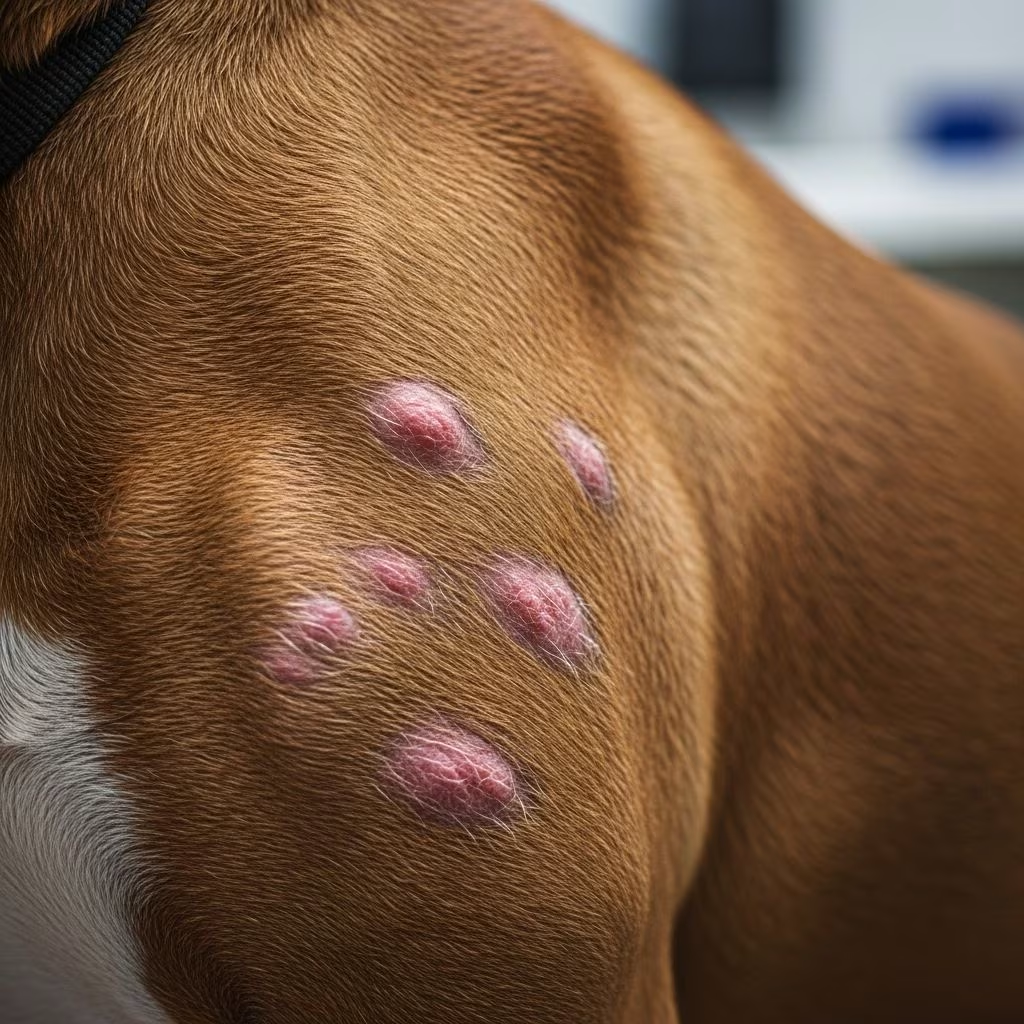
Fungal skin infections represent one of the most common dermatological concerns that veterinarians encounter in canine patients. These infections can range from mild, localized conditions affecting small patches of skin to severe, widespread cases that require intensive treatment protocols. Understanding the nature of these infections, recognizing their signs, and knowing how to address them effectively can help pet owners maintain their dog’s skin health and overall wellbeing.
What Are Fungal Skin Infections?
Fungal skin infections in dogs are caused by microscopic organisms that thrive on the skin, fur, and sometimes the nails. The most prevalent type affecting dogs is dermatophytosis, commonly known as ringworm, despite the fact that it has nothing to do with worms at all. The infection gets its name from the characteristic circular pattern it often creates on the skin’s surface.
These fungal infections are particularly concerning because they can spread relatively easily between animals and from animals to humans. This zoonotic potential makes early detection and prompt treatment essential for protecting not just your dog, but also other pets and family members in your household.
Recognizing the Signs and Symptoms
Pet owners should become familiar with the visible indicators of fungal skin infections to catch them early. The most common symptoms include:
- Circular patches of hair loss on the dog’s body
- Flaky or crusty skin, particularly in areas like skin folds, armpits, around nails, and the anal region
- Itching and discomfort in affected areas
- Brittle or misshapen nails when the infection involves the nail bed
- Redness or inflammation of the skin surface
- A musty or distinctive odor from the affected areas
The severity of symptoms can vary significantly between individual dogs. Some pets may show only minor signs, while others experience more pronounced reactions. Additionally, the location of the infection matters—infections in areas with higher moisture, such as skin folds or between toes, may progress more rapidly than those on dry areas of the body.
Diagnostic Procedures Your Veterinarian May Perform
Proper diagnosis is crucial before beginning any treatment regimen. Veterinarians employ several diagnostic methods to confirm fungal infections and identify the specific organism responsible.
Fungal culture testing involves collecting hair or skin samples from the affected area and sending them to a laboratory where they are grown on special media. This process can take several days or even weeks but provides definitive identification of the fungal species involved. Microscopic examination represents another diagnostic approach, where the veterinarian directly observes hair samples under a microscope. When examining yeast infections specifically, stained samples reveal the organisms as distinctive structures that resemble small purple peanuts under magnification.
Wood’s lamp examination may also be utilized, though it’s less commonly diagnostic for all fungal infections. This ultraviolet light can help visualize certain fungal species, though some strains do not fluoresce under this light and may still require additional testing.
Treatment Approaches: A Multi-Faceted Strategy
Effective management of fungal skin infections typically requires a comprehensive approach that combines multiple treatment modalities simultaneously. Veterinarians generally recommend implementing three key treatment components: topical therapy, oral medications when necessary, and environmental decontamination.
Topical Treatment Options
Topical treatments form the foundation of most fungal skin infection management plans. These treatments work by directly targeting the fungal organisms on the skin and fur surface.
Medicated shampoos and dips represent the most commonly recommended topical therapy. These products should be applied at least twice weekly, though your veterinarian may recommend more frequent applications depending on your dog’s condition. Medicated baths work by removing fungal spores from the dog’s coat and helping to eliminate infected hair. Lime-sulfur dips are particularly effective, though they can be pungent and messy, which is why many pet owners prefer having them administered at a veterinary clinic. For dogs with longer coats, your veterinarian may recommend clipping the hair to speed up treatment effectiveness and allow better penetration of topical medications.
Antifungal creams and ointments offer an excellent option for localized infections affecting smaller areas of the body. These preparations, often containing active ingredients like miconazole, terbinafine, or clotrimazole, can be applied directly to affected patches. This targeted approach reduces overall medication exposure while concentrating treatment exactly where it’s needed most.
Topical therapy typically requires consistent application for a minimum of six weeks, and in many cases, considerably longer. Pet owners should understand that patience is essential—topical treatments alone may take several months to completely eliminate the infection, but they offer the advantage of not introducing systemic medications into the dog’s body.
Oral Antifungal Medications
Oral medications become necessary when dealing with severe infections, widespread fungal involvement, or cases that haven’t responded adequately to topical therapy alone. These systemic medications work by entering the bloodstream and targeting fungal organisms throughout the body.
Common oral antifungals prescribed by veterinarians include itraconazole and terbinafine. These medications function by interfering with the fungus’s ability to reproduce and spread. Like topical therapies, oral medications require a minimum treatment duration of six weeks, though severe cases may necessitate several months of continuous therapy.
It’s important to note that oral antifungals may carry potential side effects, most commonly gastrointestinal disturbances. Additionally, these medications vary in cost, and your veterinarian will discuss both the financial and health considerations when recommending a specific oral medication for your dog.
Oral and topical therapies work synergistically, and combining them often produces superior results compared to either treatment alone. This combination approach addresses the infection both on the skin surface and systemically throughout the body.
Environmental Decontamination
An often-overlooked but critical component of fungal infection management is thorough environmental cleaning. Fungal spores can persist on bedding, furniture, carpet, and other household surfaces, potentially leading to reinfection or transmission to other animals and people.
Effective environmental management includes:
- Frequent vacuuming of all carpeted areas and upholstered furniture
- Washing your dog’s bedding regularly in hot water
- Using diluted bleach solutions to disinfect hard surfaces and non-fabric areas
- Steam cleaning carpets and upholstered items
- Disposing of or thoroughly disinfecting grooming tools and brushes
- Cleaning areas where your dog frequently rests or sleeps
Neglecting environmental decontamination is a common reason why fungal infections recur despite appropriate medical treatment. The infection can persist in the environment and reinfect your dog or other household members.
Treatment Duration and Patience
One of the most important messages for pet owners is that fungal skin infection treatment requires commitment and patience. Most treatment protocols span a minimum of six weeks, with many cases requiring two to three months or longer before complete resolution. Some severe or complicated cases may take up to six months or more to fully clear.
It’s crucial not to discontinue treatment prematurely, even if symptoms appear to improve significantly. Stopping treatment before the infection is completely eliminated often results in recurrence, sometimes with renewed intensity. Your veterinarian will advise you on when it’s safe to discontinue treatment, typically based on follow-up fungal cultures or examinations showing no remaining evidence of infection.
Special Considerations for Different Dog Breeds
Certain dog breeds may require special attention when dealing with fungal infections. Yorkshire Terriers, for example, frequently require oral medications as part of their treatment protocol, even for cases that might be manageable with topical therapy alone in other breeds. Dogs with naturally longer coats may benefit from strategic grooming to facilitate topical medication penetration and speed healing.
Additionally, dogs with skin folds or wrinkles require extra vigilance, as these areas provide warm, moist environments where fungal organisms thrive. Regular cleaning and drying of these areas can help prevent infections or catch them early.
Prevention Strategies
While not all fungal infections can be prevented, several strategies can reduce your dog’s risk:
- Maintain regular grooming and bathing to keep your dog’s coat clean and healthy
- Keep your dog’s living environment clean and dry
- Avoid exposing your dog to areas known to harbor fungal spores
- Practice good hygiene when handling any dog showing signs of skin infection
- Keep your dog’s skin fold areas clean and dry if applicable
- Maintain good overall health through proper nutrition and healthcare
When to Seek Veterinary Care
Contact your veterinarian if you notice any signs of skin infection on your dog, particularly if you observe hair loss, unusual itching, or the characteristic circular lesions associated with fungal infections. Early intervention can prevent the infection from spreading and reduce overall treatment duration. If you’ve been exposed to your dog’s fungal infection and develop skin symptoms yourself, contact your healthcare provider and inform them of your dog’s condition.
Frequently Asked Questions
Can fungal skin infections in dogs be cured?
Yes, fungal skin infections in dogs are curable with appropriate treatment. However, they can be stubborn and require consistent, long-term therapy. Complete recovery depends on following your veterinarian’s treatment plan fully and maintaining environmental decontamination.
How long does treatment typically take?
Most cases require a minimum of six weeks of treatment, though many require two to three months. Some severe cases may take longer. Treatment duration depends on the infection’s severity, your dog’s health status, and how consistently treatment is administered.
Can I treat ringworm with over-the-counter products alone?
While over-the-counter antifungal shampoos and dips may help stop infection in its early stages, prescription-strength treatments are often necessary for confirmed infections. Always consult your veterinarian before relying solely on over-the-counter products.
Is ringworm contagious to humans?
Yes, ringworm is zoonotic and can spread from dogs to humans. Practicing good hygiene when handling an infected dog and washing your hands thoroughly can reduce transmission risk.
What if my dog’s infection keeps recurring?
Recurring infections often indicate incomplete initial treatment, inadequate environmental decontamination, or an underlying condition affecting your dog’s immune system. Discuss this with your veterinarian to identify the underlying cause and adjust your treatment approach.
Conclusion
Fungal skin infections in dogs are manageable conditions that respond well to appropriate veterinary care and consistent owner commitment. By understanding the signs, pursuing prompt diagnosis, implementing comprehensive treatment protocols, and maintaining environmental cleanliness, most dogs can be successfully treated and returned to full health. Working closely with your veterinarian throughout the treatment process ensures the best possible outcome for your beloved pet.
References
- Ringworm in Dogs: Signs, Symptoms, Treatment — American Kennel Club. 2024. https://www.akc.org/expert-advice/health/ringworm-in-dogs/
- Identifying and Treating Fungal Infections in Dogs — PetMD. 2024. https://www.petmd.com/dog/general-health/identifying-and-treating-fungal-infections-dogs
- Ringworm (Dermatophytosis) in Dogs — Merck Veterinary Manual. 2024. https://www.merckvetmanual.com/dog-owners/skin-disorders-of-dogs/ringworm-dermatophytosis-in-dogs
- Remedies for Dog Ringworm — WebMD Pets. 2024. https://www.webmd.com/pets/dogs/dog-ringworm-remedies
- Symptoms of Fungal Infection in Dogs — Veterinary Medical Services Group. 2021. https://www.vmsg-oc.com/site/blog/2021/01/29/fungal-infections-in-dogs-causes-symptoms-treatments



