

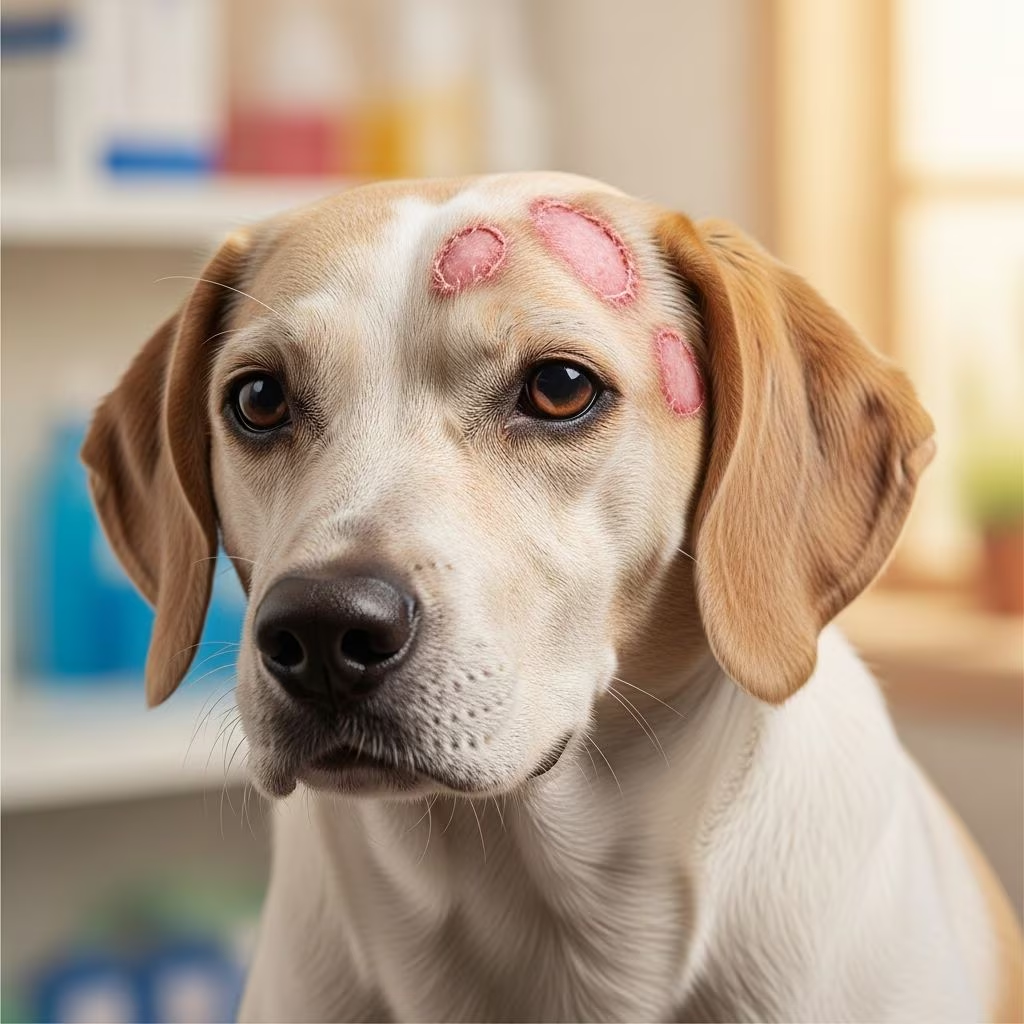
Fungal skin infections represent one of the most common dermatological concerns affecting dogs across all breeds and age groups. These infections can cause significant discomfort and, if left untreated, may spread to other household pets and potentially to human family members. Understanding the nature of these conditions, how to recognize them early, and what treatment options are available can help you protect your canine companion’s health and quality of life.
What Causes Fungal Skin Conditions in Dogs
Fungal skin infections in dogs typically stem from dermatophytic fungi—organisms that thrive on the keratin found in hair, skin, and nails. The most prevalent culprit is a fungus called Microsporum canis, which accounts for approximately 70% of diagnosed cases in canines. These fungi are spread through direct contact with infected animals, contaminated surfaces, soil, or even shared grooming tools and bedding.
The infection flourishes in warm, humid environments and spreads more readily in multi-pet households. Dogs with compromised immune systems, open wounds, or existing skin conditions are at higher risk of developing these infections. Age is also a factor—puppies and senior dogs may be more susceptible due to their developing or declining immune responses.
Recognizing the Physical Manifestations
Identifying a fungal skin infection early is crucial for prompt treatment. These infections typically present with distinctive visual and tactile signs that alert owners to seek veterinary care.
Common Location Patterns
Fungal infections most frequently appear on specific areas of the dog’s body. The face, particularly around the nose and muzzle, represents a common site of infection. The ears and ear tips often show signs of the condition, as do the tail, feet, and paws. The ridge along the dog’s back and chest area may also be affected. In some cases, infections develop around the nail beds and affecting the claws themselves.
Visible Skin Changes
The appearance of infected skin varies depending on the severity and stage of infection. Dogs may develop circular patches of hair loss that may have distinctive red, inflamed, or crusty borders. The affected hair becomes brittle and breaks easily, creating an irregular, patchy appearance throughout the coat. Dandruff-like scaling appears in the depths of the coat, sometimes resembling excessive shedding. Some dogs develop red lesions that appear acne-like on the skin surface.
The skin itself may appear darkened in affected areas, thickened, or excessively scaly. In inflammatory cases, you might notice crusty formations or scabbing over affected regions. The infected nails become dry, brittle, misshapen, and may darken in color.
Behavioral Indicators
While fungal infections typically do not cause intense itching, some dogs experience mild to moderate discomfort that manifests as scratching or excessive grooming of affected areas. Dogs may focus their licking and grooming on specific body regions, which can further damage hair shafts and spread the infection. In severe cases, inflamed skin folds around the claws may cause visible discomfort when the dog walks or moves.
The Diagnostic Process
Obtaining an accurate diagnosis requires professional veterinary evaluation. Your veterinarian will employ multiple diagnostic methods to confirm the presence of a fungal infection and determine the specific organism involved.
Physical Examination
The initial step involves a thorough physical examination of all affected and potentially affected areas. Your veterinarian will assess the extent of hair loss, examine the quality of remaining hair, and evaluate the condition of the skin for scaling, crusting, and inflammation.
Laboratory Testing Methods
Veterinarians typically use three primary diagnostic approaches:
- Wood’s Lamp Examination: An ultraviolet light called a Wood’s lamp is used to examine infected hairs. While only certain fungal species fluoresce under this light, a positive result provides rapid confirmation.
- Fungal Culture: Hair and skin cell samples are collected from affected areas and sent to a laboratory for fungal culture. This method is the most accurate for definitive diagnosis and takes one to two weeks for results.
- Microscopic Examination: Direct microscopic observation of hair or skin scrapings may reveal fungal elements and allow for earlier diagnosis compared to culture results.
Your veterinarian may employ one or multiple testing methods depending on the clinical presentation and diagnostic confidence level.
Treatment Approaches and Options
Successful treatment of fungal skin infections requires a multi-faceted approach that combines multiple treatment modalities tailored to the severity of the infection and the individual dog’s health status.
Topical Treatment Strategies
Topical treatments involve applying medications directly to the affected skin areas and are often used in combination with oral medications.
Creams and Ointments: Antifungal creams and ointments containing ingredients such as miconazole, terbinafine, or clotrimazole can be applied directly to localized areas of infection. These preparations are most effective for mild cases affecting only one or two small areas. However, ointments alone rarely eliminate the infection completely and are typically used alongside systemic treatment.
Medicated Shampoos: Medicated shampoos are particularly valuable for treating wider areas of infection. These shampoos may contain chlorhexidine combined with miconazole, which helps reduce fungal spores throughout the dog’s entire coat. Regular bathing with these specialized formulations helps remove fungal spores and supports the healing process.
Lime Sulfur Dips: Among topical treatments, lime sulfur dips demonstrate superior effectiveness compared to antifungal shampoos alone. These dips are applied to the entire coat during treatment sessions, typically occurring twice weekly. While highly effective, lime sulfur dips are notoriously messy and have a distinctive odor, leading many pet owners to opt for veterinary administration rather than home application.
Hair Management: In many cases, veterinarians recommend clipping or shaving affected areas to accelerate treatment and reduce the reservoir of fungal spores. For dogs with localized infections affecting one or two small areas, targeted shaving of those regions may suffice. For more generalized infections, complete clipping of the dog’s entire coat may be recommended to maximize topical treatment effectiveness.
Oral Antifungal Medications
Oral medications are essential for most moderate to severe fungal infections and work by inhibiting the fungus’s ability to reproduce and spread.
Commonly Prescribed Medications: The most frequently prescribed oral antifungals include itraconazole and terbinafine, chosen because they demonstrate fewer side effects compared to alternatives. Griseofulvin may also be prescribed, although it carries a greater risk of adverse reactions.
Treatment Duration: Oral medications typically require administration for a minimum of six weeks, though treatment may extend for several months depending on the infection’s severity and the dog’s response. Consistency is crucial—abruptly stopping treatment or discontinuing it before the veterinarian’s recommendation increases the risk of infection recurrence.
Potential Side Effects: Gastrointestinal issues represent the most common side effect associated with oral antifungal medications. Your veterinarian will work with you to select the appropriate medication based on your dog’s overall health status, age, and any existing medical conditions.
Combined Treatment Plans
Most effective treatment protocols employ both topical and oral medications simultaneously. This combination approach addresses the infection from multiple angles—topical treatments reduce environmental contamination while oral medications work systemically to eliminate the fungus from within. Your veterinarian will determine the specific combination and duration based on factors including infection severity, the number of pets in your household, and whether immunocompromised individuals live in your home.
Environmental Management and Prevention
Fungal spores can persist in the environment for extended periods, making environmental decontamination a critical component of successful treatment.
Cleaning Protocols
Regular cleaning with appropriate disinfectants is essential. Diluted bleach solutions are effective for environmental decontamination. Clean all areas where the infected dog spends time, including bedding, toys, food and water dishes, and grooming tools. Wash the dog’s bedding frequently in hot water and dry in high heat when possible.
Preventing Spread to Other Pets
If you have multiple pets, keeping the infected animal separated from others during treatment reduces transmission risk. However, your veterinarian may recommend treating all household pets simultaneously in some situations, even if not all show signs of infection. This proactive approach prevents the establishment of infection in other animals.
Personal Hygiene Measures
Since fungal infections can transmit to humans, practice consistent hygiene. Wash your hands thoroughly after handling the infected dog, wear gloves when applying topical treatments, and avoid touching your face before washing hands. Protect any open cuts or wounds you may have to prevent transmission.
Treatment Timeline and Recovery Expectations
Understanding realistic recovery timelines helps set appropriate expectations during treatment.
Topical therapy alone typically requires several weeks to months for complete infection elimination. When combined with oral medications, treatment duration often ranges from six weeks to several months. Your veterinarian will conduct periodic fungal cultures after treatment begins to monitor progress and determine when the infection has been successfully eradicated.
Most dogs recover fully from fungal skin infections with proper treatment and return to healthy skin and coat condition. However, consistency with medication administration and environmental decontamination is essential for success. Incomplete treatment or stopping medications prematurely significantly increases recurrence risk.
When to Schedule a Veterinary Appointment
Prompt professional evaluation is essential when you notice any signs suggestive of fungal infection. Schedule an appointment if your dog develops circular patches of hair loss, dry and brittle hair, scabby or inflamed skin, rough or brittle claws, scales resembling dandruff, or inflamed skin folds around the nails. Early intervention typically results in faster resolution and reduced environmental contamination.
Frequently Asked Questions
Can humans catch fungal infections from dogs?
Yes, fungal skin infections can transmit to humans, making it very important that cases be treated by a veterinarian. Practice good hygiene when handling an infected dog to minimize transmission risk.
How long does treatment typically take?
Treatment duration varies from six weeks to several months depending on infection severity, treatment approach, and individual response. Oral medications alone may require treatment for several months in some cases.
Is itching always present with fungal infections?
No, fungal infections typically do not cause intense itching. However, some dogs experience mild discomfort that manifests as scratching or excessive grooming of affected areas.
Can these infections clear up without treatment?
In healthy adult dogs, some fungal infections may eventually clear without treatment, but professional treatment speeds recovery and significantly reduces environmental spread.
Should I treat all pets in my household?
If you have multiple pets, your veterinarian will recommend whether to treat all animals simultaneously or maintain separation during treatment. Treatment decisions depend on each household’s specific situation.
References
- Ringworm in Dogs: Signs, Symptoms, Treatment — American Kennel Club. https://www.akc.org/expert-advice/health/ringworm-in-dogs/
- Ringworm in Dogs — VCA Animal Hospitals. https://vcahospitals.com/know-your-pet/ringworm-in-dogs
- Dog Ringworm – Signs to Look For & How It’s Treated — Guilford Jamestown Veterinary Clinic. https://www.guilfordjamestownvet.com/site/blog-greensboro-vet/2024/05/15/dog-ringworm
- Ringworm in Dogs — PetMD. https://www.petmd.com/dog/conditions/skin/c_dg_dermatophytosis
- Ringworm in Dogs | Treatment and Diagnosis — Blue Cross. https://www.bluecross.org.uk/advice/dog/health-and-injuries/ringworm-in-dogs
- Ringworm – Signs, Diagnosis and Treatment — Vetwest Animal Hospitals. https://www.vetwest.com.au/pet-library/ringworm-signs-diagnosis-and-treatment/
- Ringworm (Dermatophytosis) in Dogs — Merck Veterinary Manual. https://www.merckvetmanual.com/dog-owners/skin-disorders-of-dogs/ringworm-dermatophytosis-in-dogs



