

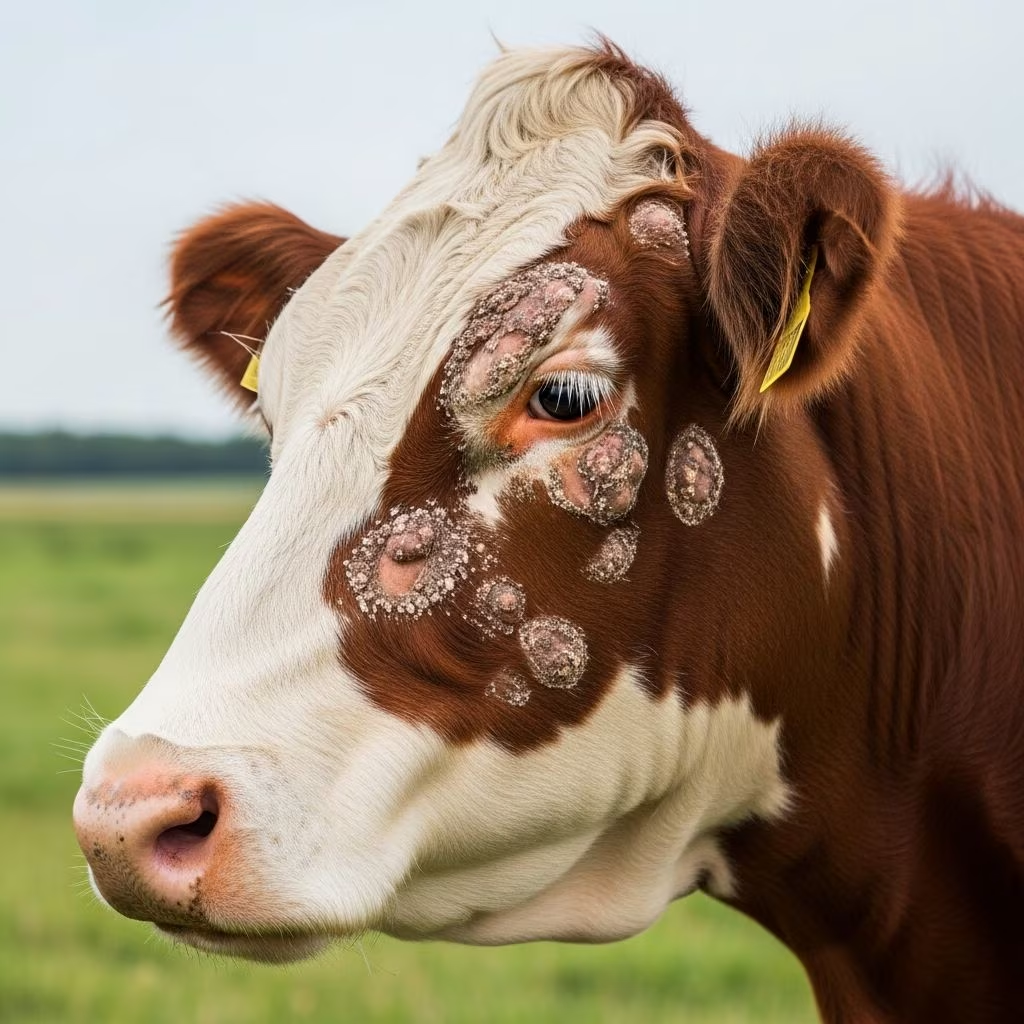
Fungal skin infections, commonly known as ringworm or dermatophytosis, represent a significant challenge in cattle production worldwide. Despite the misleading common name, ringworm is not caused by parasitic worms but rather by dermatophytic fungi that infect the outer layers of skin and hair. These infections affect both the health and productivity of affected animals while simultaneously presenting transmission risks to farm workers and other livestock. Understanding the biology, recognition, and management of these infections is essential for any cattle producer or veterinary professional.
The Nature and Scope of Bovine Dermatophytosis
Dermatophytosis occurs when specialized fungi invade the stratum corneum (outer skin layer) and hair shaft, triggering both direct fungal damage and an inflammatory host response. These organisms are keratinophilic, meaning they preferentially colonize keratin-containing structures. The infection’s appearance and progression result from a combination of fungal invasion and the animal’s immune system attempting to contain the infection.
The pathogenic mechanism involves fungal hyphae penetrating hair follicles and degrading the structural integrity of hair and skin. As the host’s body recognizes the fungal invasion, a hypersensitivity reaction develops to the fungal metabolic byproducts, causing inflammation and lesion formation. Interestingly, the inflammatory response, while uncomfortable for the animal, actually assists in containing the infection. This biological response creates the characteristic appearance of circular lesions: the organism’s protective inflammation concentrates at the lesion’s periphery while healing occurs at the center where the immune system has successfully eliminated the pathogen.
Clinical Recognition and Diagnostic Confirmation
Observable Clinical Signs
Cattle affected by dermatophytosis display several recognizable clinical manifestations. The most apparent sign is alopecia (hair loss) in circumscribed areas, typically appearing as circular patches. Lesions characteristically display a distinctive greyish-white or ash-like surface appearance with well-demarcated borders. The infection commonly affects the head, neck, and upper body regions, though it can develop anywhere on the animal’s body.
Additional clinical indicators include:
- Scaling and crusting of affected skin areas
- Erythema (reddening) of the skin surrounding lesions
- Papules (small raised bumps) on the skin
- Variable degrees of pruritus (itching), though cattle may show minimal scratching behavior
- Poor hair coat condition and stunted hair growth
- Reduced weight gains in affected young stock
The severity of clinical presentation varies considerably among affected animals. Some cattle may show only a few small, localized lesions, while others develop widespread, expanding infections with multiple affected sites of varying sizes.
Diagnostic Methodologies
Clinical appearance alone, while suggestive, does not definitively confirm dermatophytosis. Definitive diagnosis requires laboratory confirmation through multiple complementary techniques.
Fungal Culture remains the gold standard for identifying the specific dermatophytic species responsible for infection. Hair and scale samples collected from the periphery of lesions (where active fungal growth occurs) are cultured on specialized mycological media. Colony formation typically appears within 7-14 days, allowing species identification and assessment of antifungal susceptibility. Culture results guide treatment selection and help identify whether infections involve Trichophyton, Microsporum, or other dermatophytic genera.
Microscopic Examination provides rapid preliminary results and confirms fungal involvement. Samples undergo preparation with 20% potassium hydroxide (KOH) solution and heating, followed by direct microscopic examination using lactophenol cotton blue (LPCB) staining. Mycotic hyphae and macroconidia become visible under the microscope, indicating fungal presence. While less specific than culture, microscopy offers immediate diagnostic information allowing treatment initiation before culture results return.
Wood’s Lamp Examination, while historically used, shows limited sensitivity in cattle ringworm diagnosis and should not be relied upon as a primary diagnostic tool.
Therapeutic Approaches: Topical and Systemic Management
Topical Antifungal Treatments
Topical antifungal agents form the foundation of most dermatophytosis treatment protocols in cattle. These medications directly contact affected skin and effectively address surface and superficial follicular infections.
Povidone Iodine Solutions provide broad-spectrum antimicrobial activity and have demonstrated excellent clinical efficacy. A 2% povidone iodine solution effectively removes surface crusting and debris, preparing lesions for subsequent medication application. In clinical studies, povidone iodine application followed by topical ointment therapy twice daily for 15 consecutive days resulted in complete clinical recovery.
Whitfield’s Ointment, a century-old remedy combining salicylic acid and benzoic acid, reduces cohesion between skin cells (keratinocytes) and exfoliates the stratum corneum. This dual mechanism removes dead, infected skin layers while preventing fungal re-establishment. The ointment’s cost-effectiveness and proven performance make it a practical choice for large-scale cattle operations.
Azole Compounds (including enilconazole, miconazole, and clotrimazole) demonstrate potent antifungal activity and penetrate hair follicles effectively. Enilconazole requires 2-3 weekly applications and kills surface infections, though it exhibits limited sporicidal activity (fungal spore destruction). For optimal efficacy, the entire animal should receive treatment, not merely visible lesion areas, as subclinical infections may exist elsewhere.
Chlorhexidine Rinses often complement other topical treatments and reduce bacterial secondary infection risk. Affected animals typically receive daily chlorhexidine treatment for 5-7 days, followed by weekly treatments extending to one month.
Systemic Antifungal Therapy
Oral antifungal medications become necessary when infections prove extensive, deep, or complicated by secondary bacterial furunculosis. Systemic therapy also addresses animals that resist topical treatment application or possess widespread, expanding lesions. Treatment typically continues until two consecutive negative fungal cultures are obtained at 1-2 week intervals, confirming infection resolution.
Environmental Management and Facility Decontamination
Environmental decontamination constitutes an essential component of successful dermatophytosis control. Dermatophytic fungi produce resilient spores that persist in the environment for extended periods, continuously re-exposing treated animals to infection risk.
Comprehensive environmental protocols include:
- Thorough cleaning of all contaminated surfaces, stalls, and feeding areas with appropriate disinfectants
- Removal and disposal of all contaminated bedding and waste materials
- Disinfection of halters, ropes, grooming equipment, and other materials contacting affected animals
- Implementation of foot baths containing disinfectant at enclosure entrances and exits
- Improvement of ventilation systems to reduce humidity and fungal spore concentration
- Regular cleaning of fences, gates, and shared equipment between animals
These measures significantly reduce environmental fungal load and prevent reinfection of successfully treated animals.
Integrated Treatment Protocols for Maximum Effectiveness
Successful dermatophytosis management employs a multimodal approach combining multiple intervention strategies simultaneously.
| Treatment Component | Application Method | Duration | Primary Purpose |
|---|---|---|---|
| Lesion Preparation | Antifungal soap wash, scale removal | Prior to other treatments | Remove debris, enhance penetration |
| Surface Treatment | Povidone iodine solution application | Initial cleaning phase | Disinfection, crust removal |
| Primary Topical Therapy | Ointment twice daily (Whitfield’s, azoles) | 15 consecutive days or until healing | Direct fungal elimination |
| Environmental Control | Facility disinfection, bedding removal | Concurrent with animal treatment | Prevent environmental reinfection |
| Systemic Support | Oral antifungals (severe cases only) | Until negative cultures obtained | Address deep/extensive infections |
Monitoring Recovery and Treatment Endpoint Determination
Determining when dermatophytosis treatment has successfully resolved requires objective assessment rather than simple lesion disappearance. Hair regrowth within the previously affected circular area represents the most reliable healing indicator. Most cattle demonstrate recovery within 4-8 weeks with appropriate, sustained treatment protocols.
Complete healing requires more than hair regrowth alone. Scabs must completely resolve, and consistent daily cream application must continue for several weeks even after visible improvement occurs. Premature treatment cessation frequently results in infection recurrence.
For show cattle and animals entering competitive venues, substantial hair regrowth within the lesion circle is required to pass veterinary inspection. Most shows require more than a few hair strands present to demonstrate successful treatment completion.
Disease Prevention and Biosecurity Measures
Preventing dermatophytosis introduction and spread proves more cost-effective than managing established infections. Risk factors significantly increase when new animals are introduced to farms. Quarantine protocols for newly acquired cattle, combined with dermatological examination before herd integration, effectively reduce infection establishment probability.
Long-term prevention strategies include:
- Maintaining optimal body condition and nutritional status to support robust immune function
- Implementing strict quarantine periods for incoming animals with dermatological screening
- Regular facility cleaning and maintenance to minimize fungal environmental persistence
- Prompt isolation of infected animals to prevent horizontal transmission
- Education of farm workers regarding transmission risk and appropriate hygiene practices
- Maintaining detailed records of dermatological health in the herd
Zoonotic Considerations and Human Health Protection
Dermatophytosis poses genuine zoonotic transmission risk, meaning affected cattle can transmit fungal infections to humans and vice versa. This public health dimension makes prompt medical therapy essential not only for animal welfare but also for protecting farm workers, veterinarians, and other individuals contacting infected animals.
Workers and handlers should implement standard precautions including glove usage, regular handwashing, and protective clothing when managing infected animals or contaminated materials.
Special Considerations in Young Stock and Calves
Young cattle and calves demonstrate particular susceptibility to dermatophytosis. Clinical cases frequently occur in calves three months to one year of age, with multiple animals in affected groups showing simultaneous infection. The combination of immature immune systems, close group housing, and potentially suboptimal environmental conditions creates ideal conditions for fungal proliferation.
Treatment approaches for calves generally mirror those used in adults, though dosing adjustments may be necessary for systemic medications. Early detection and treatment in young stock prevents spread throughout the group and minimizes production losses during critical growth periods.
Frequently Asked Questions
How long does dermatophytosis treatment typically require?
Most cattle show significant improvement within 4-8 weeks with consistent topical treatment. However, complete resolution with full hair regrowth may require several weeks beyond visible lesion healing. Treatment should continue until fungal culture confirms infection elimination.
Can ringworm in cattle resolve without treatment?
While some lesions may eventually self-resolve through immune response, the extended timeline and ongoing transmission risk make treatment strongly advisable. Medical therapy shortens infection duration and dramatically reduces zoonotic transmission potential.
Is enilconazole the only licensed treatment available for cattle ringworm?
Enilconazole represents the primary licensed pharmaceutical option in many regions, but multiple effective topical alternatives exist including povidone iodine, Whitfield’s ointment, and other azole compounds, though availability varies by country and veterinary regulations.
What prevents reinfection after successful treatment?
Thorough environmental decontamination combined with proper disinfection and removal of contaminated materials prevents fungal spore persistence. Without environmental control, treated animals frequently reinfect themselves from contaminated surroundings.
References
- Dermatophytosis – An Overview For Veterinary Technicians — Kansas State Veterinary Diagnostic Laboratory. 2017. https://www.ksvdl.org/resources/news/diagnostic_insights_for_technicians/august2017/dermatophytosis.html
- A practical approach to ringworm treatment in cattle — The Pharma Journal. 2023. https://www.thepharmajournal.com/archives/2023/vol12issue5/PartAR/12-5-441-379.pdf
- Ringworm – MSD Animal Health Republic of Ireland — MSD Animal Health. https://www.msd-animal-health.ie/species/cattle/ringworm/
- How to Treat Ringworm in Cattle — Morning Ag Clips. https://www.morningagclips.com/how-to-treat-ringworm-in-cattle/
- Management of Ringworm on the Farm and at Youth Livestock — University of Hawaii College of Tropical Agriculture and Human Resources. https://www.ctahr.hawaii.edu/oc/freepubs/pdf/AS-11.pdf
- Ringworm in calves: risk factors, improved molecular diagnosis, and prevention — National Center for Biotechnology Information. https://pmc.ncbi.nlm.nih.gov/articles/PMC7640396/



