

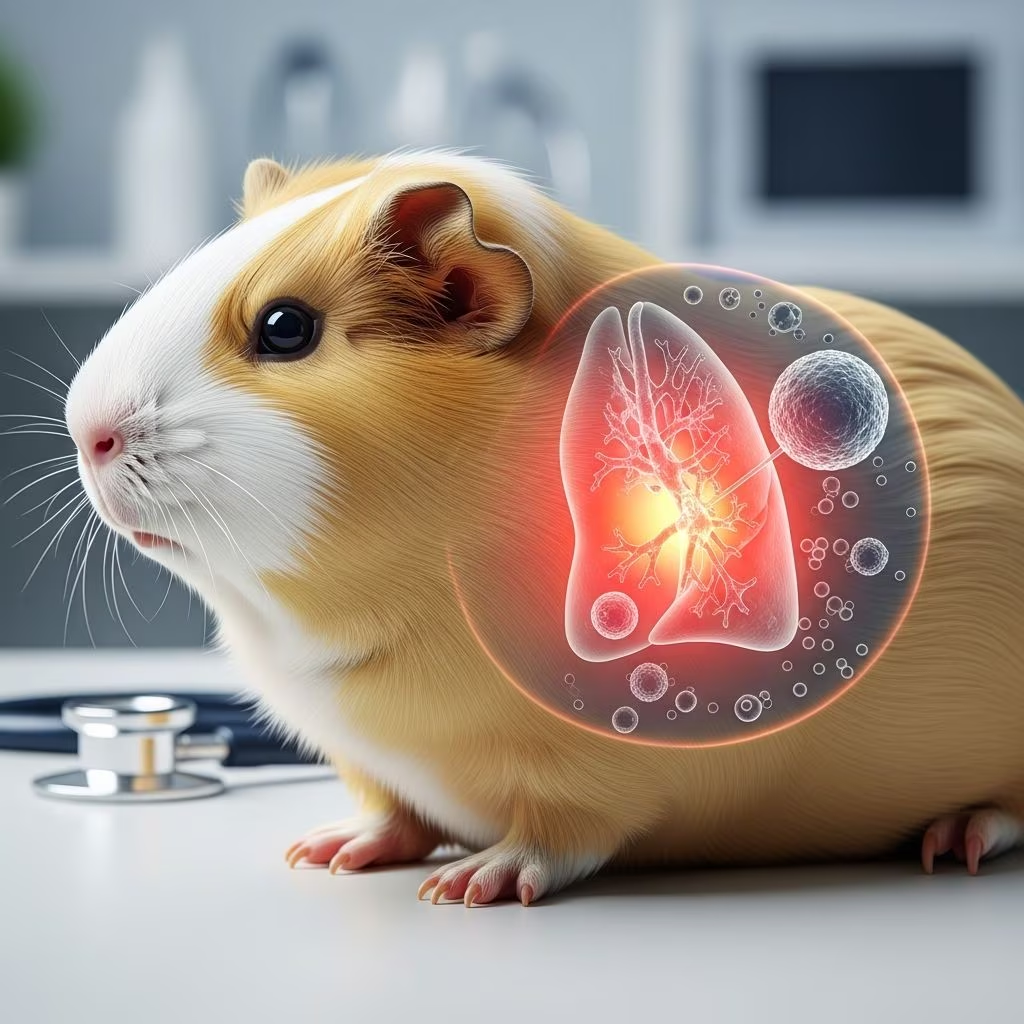
Fungal pneumonia represents a significant respiratory challenge in small animals like dogs and cats, arising from inhalation of environmental fungal spores that trigger lung inflammation and infection. Unlike bacterial forms, it demands specific antifungal interventions for resolution.
Understanding the Nature of Fungal Lung Infections
These infections develop when pets breathe in spores from fungi thriving in soil, bird droppings, or decaying matter. Dogs face higher susceptibility than cats, with certain breeds and males showing elevated risk due to behavioral or genetic factors. The condition inflames lung tissues, airways, and supporting structures, potentially disseminating to other organs if unchecked.
Key fungi involved include Blastomyces dermatitidis, which targets lungs primarily; Histoplasma capsulatum from soil enriched with bird or bat guano; Coccidioides immitis causing Valley Fever in arid regions; and Aspergillus species, often opportunistic in nasal passages before lung involvement. Cryptococcus neoformans enters via nasal routes, sometimes affecting eyes or brain alongside lungs.
Geographic and Environmental Risk Factors
Distribution patterns heighten risks in specific locales: Blastomycosis prevails in river valleys of the Midwest and Southeast U.S.; histoplasmosis clusters around the Ohio and Mississippi River basins; Valley Fever dominates Southwestern deserts. Pets exploring outdoor environments, especially hunting or digging dogs, encounter higher spore loads. Immunocompromised animals, though not exclusively affected, face graver disseminated disease.
Recognizing Clinical Manifestations
Early detection hinges on spotting subtle to severe signs. Common presentations include:
- Persistent, dry or productive cough triggered by activity or pressure on the chest.
- Labored, rapid, or deepened breathing, sometimes with open-mouth efforts.
- Generalized weakness, reduced appetite, and unintended weight reduction.
- Fever, exercise intolerance, and pale or bluish mucous membranes in distress.
Advanced cases reveal systemic spread: ocular inflammation, lameness from bone lesions, skin nodules, or neurological deficits like seizures. Cats may exhibit nasal discharge, facial swelling, or cutaneous ulcers alongside respiratory issues. Symptoms mimic bacterial pneumonia, underscoring diagnostic urgency.
Diagnostic Approaches in Veterinary Practice
Veterinarians employ multifaceted strategies to differentiate fungal from other pneumonias. Initial assessment incorporates history of travel or exposure, physical thoracic auscultation revealing crackles or wheezes, and basic bloodwork showing leukocytosis or hyperglobulinemia.
Imaging forms the cornerstone: thoracic radiographs display diffuse interstitial patterns, nodular opacities, or hilar lymphadenopathy. Advanced CT scans offer superior lesion detail.
| Test Type | Purpose | Key Findings |
|---|---|---|
| Chest X-rays | Visualize lung patterns | Interstitial infiltrates, nodules, consolidation |
| Urine/Serum Antigen Tests | Detect fungal proteins | Positive for Blastomyces, Histoplasma |
| Cytology (BAL, aspirates) | Direct organism visualization | Yeast forms with characteristic budding |
| Serology/PCR | Antibody or DNA detection | Confirms species, monitors response |
Airway lavages, lymph node aspirates, or biopsies provide definitive cytology, revealing pathognomonic yeast morphologies—broad-based budding for Blastomyces or small intracellular forms for Histoplasma. These methods ensure targeted therapy, as antibiotics fail against fungi.
Therapeutic Strategies and Management
Treatment prioritizes antifungal agents alongside supportive measures, often spanning months. Hospitalization aids severe cases with oxygen supplementation, fluid therapy, and nutritional bolstering.
Primary Antifungals:
- Itraconazole: First-line oral for most systemic mycoses; effective, cost-efficient for dogs.
- Fluconazole: Chosen for CNS or ocular penetration, Valley Fever.
- Amphotericin B: IV for life-threatening dissemination; nephrotoxic, lipid formulations preferred.
- Posaconazole/Voriconazole: Salvage for refractory infections.
Monitoring entails serial imaging, antigen titers, and clinical scoring to adjust regimens. Adjunctive anti-inflammatories curb immune-mediated damage.
Supportive Care Essentials
Beyond antimicrobials, care focuses on respiratory support. Oxygen therapy via masks or chambers alleviates hypoxia, particularly beneficial at home for stable patients. Nutritional supplements, appetite stimulants, and rest minimize metabolic demands. Owners must track for deterioration: escalating dyspnea, cyanosis, collapse warrant immediate veterinary return.
Prognostic Considerations and Long-Term Outlook
Success rates soar with early intervention; many pets achieve full remission, though chronic or relapsed cases persist in 20-30%. Factors influencing prognosis include fungal species (e.g., better for coccidioidomycosis), infection extent, host immunity, and therapy adherence. Cured animals risk reinfection in endemic zones, necessitating environmental precautions.
Follow-up spans 6-12 months, with periodic diagnostics confirming clearance. Relapse signals incomplete eradication or resistance.
Prevention Tactics for Pet Owners
- Avoid high-risk areas during peak spore seasons (dry, windy conditions).
- Limit soil disturbance in endemic regions; use air filtration indoors.
- Maintain vaccinations and health to bolster immunity.
- Promptly address respiratory signs in at-risk pets.
Frequently Asked Questions
Can fungal pneumonia spread between pets?
Rarely; most are environmentally acquired, not contagious pet-to-pet.
How long does treatment last?
Typically 3-12 months, guided by clinical and lab response.
Is surgery ever needed?
Occasionally for focal lesions or refractory nasal aspergillosis.
What home care supports recovery?
Quiet environment, humidified air, monitored nutrition, and oxygen if prescribed.
Do cats get fungal pneumonia as often as dogs?
Less frequently, but cryptococcus and histoplasma pose notable threats.
Emerging Insights and Research Directions
Ongoing studies refine diagnostics via novel biomarkers and PCR panels, while resistance patterns spur new azole developments. Immunotherapy adjuncts show promise in trials. Pet owners benefit from awareness campaigns in endemic areas, reducing diagnostic delays.
References
- Everything You Need to Know About Fungal Pneumonia in Pets — Pawprint Oxygen. 2023. https://pawprintoxygen.com/blogs/healthy-paws/everything-you-need-to-know-about-fungal-pneumonia-in-pets
- Fungal Pneumonia in Dogs — Mountainaire Animal Clinic. 2024-02-15. https://www.mountainaireanimalclinic.com/site/blog/2024/02/15/fungal-pneumonia-dogs
- Fungal Pneumonia in Dogs: Causes, Symptoms & Treatment — W.C. Rah Animal Hospital. 2021-01-07. https://www.wcrah.com/site/blog-flat-rock-vet/2021/01/07/fungal-pneumonia-dogs-causes-symptoms-treatment
- Fungal Disease — University of Missouri Veterinary Health Center. Accessed 2026. https://vhc.missouri.edu/small-animal-hospital/small-animal-internal-medicine/diseases-and-treatments/fungal-disease/
- Identifying and Treating Fungal Infections in Dogs — PetMD. Accessed 2026. https://www.petmd.com/dog/general-health/identifying-and-treating-fungal-infections-dogs



