Fungal Infections In Reptiles: Essential Guide For Owners
Comprehensive guide to recognizing, preventing, and treating fungal diseases that threaten reptile health in captivity and the wild.
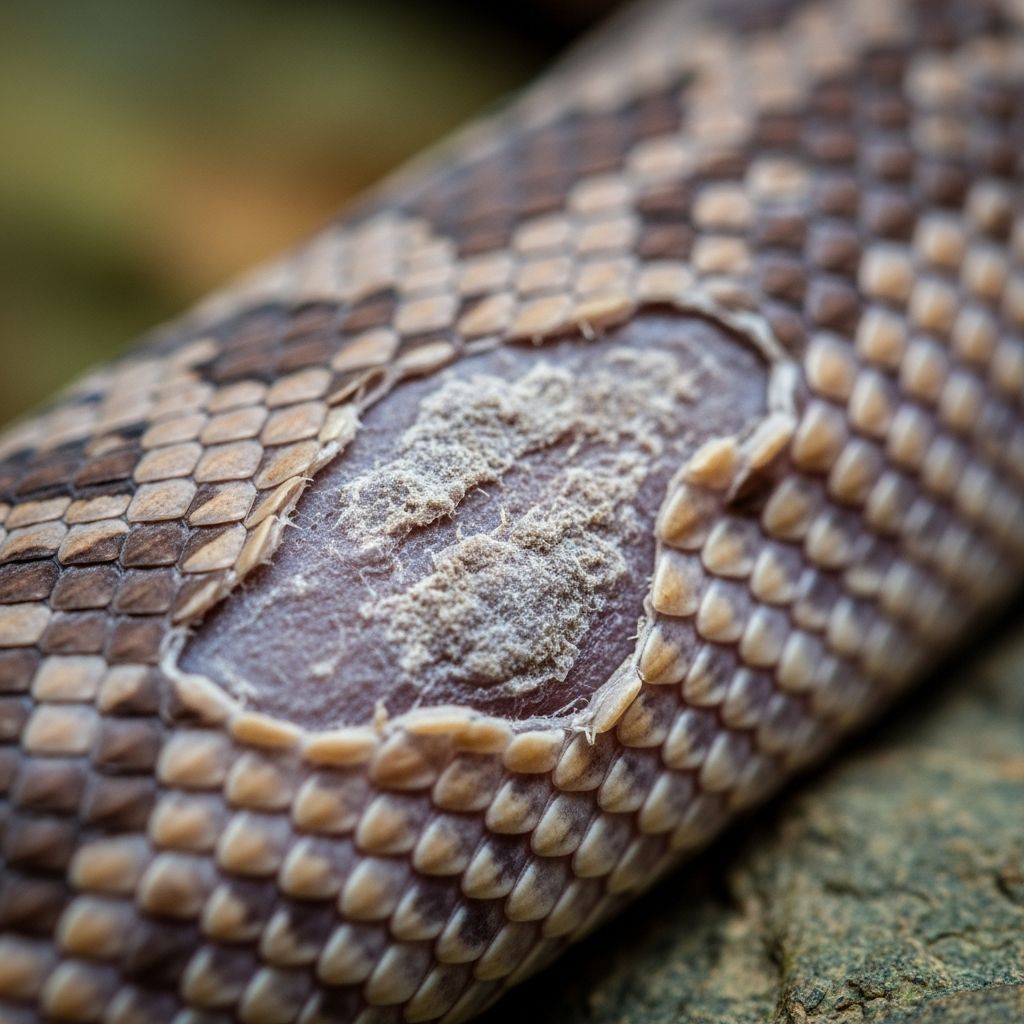
Fungal infections, known as mycoses, represent a significant health challenge for reptiles in both captive and wild settings. These opportunistic pathogens thrive under suboptimal conditions, leading to skin lesions, respiratory distress, and potentially fatal systemic disease. Understanding the diverse fungal agents, their clinical manifestations, and effective interventions is crucial for reptile enthusiasts and conservationists alike.
Understanding the Nature of Fungal Pathogens in Reptiles
Reptiles are susceptible to a wide array of fungi from phyla such as Ascomycota, Mucoromycota, and others. Common isolates include Aspergillus, Mucor, Paecilomyces, and Metarhizium species, which frequently target the skin and respiratory system. Emerging pathogens like Nannizziopsis and Ophidiomyces have gained attention for causing severe dermatomycoses in lizards and snakes.
These fungi are often environmental opportunists, present in soil, decaying matter, or humid enclosures. Healthy reptiles typically resist infection, but factors like high humidity, low temperatures, poor nutrition, or stress compromise defenses, allowing invasion.
Primary Sites of Infection and Clinical Signs
Skin and lungs are the most common entry points. Cutaneous infections manifest as ulcers, crusts, discoloration, or granulomas, often starting on the face, limbs, or ventral surfaces. Respiratory involvement leads to wheezing, nasal discharge, open-mouth breathing, and dyspnea.
- Skin lesions: Yellow-brown crusts, necrosis, hyperkeratosis in bearded dragons and crocodiles.
- Respiratory symptoms: Plaques or granulomas causing distress; Candida in snakes.
- Systemic effects: Weight loss, lethargy, anorexia; visceral granulomas in liver, kidneys, spleen.
Gastrointestinal ulceration from Mucor or Fusarium and chronic organ disease from Metarhizium may show minimal signs until terminal stages.
Emerging Fungal Threats: Ophidiomycosis and Nannizziomycosis
Ophidiomycosis, caused by Ophidiomyces ophiodiicola, affects snakes with yellow-white skin patches, edema, ulceration, and dysecdysis. It progresses to deeper tissues, bones, and viscera, altering skin microbiomes and increasing susceptibility. Wild population declines in North America highlight its severity.
Nannizziomycosis, linked to Nannizziopsis guarroi in lizards and N. crocodili in crocodiles, begins in the stratum corneum, invading dermis with granulomatous inflammation. Bearded dragons show facial crusting and poor prognosis if disseminated. Recent wild lizard deaths in Australia underscore its expansion.
Risk Factors Predisposing Reptiles to Mycoses
| Factor | Description | Impact |
|---|---|---|
| High Humidity | Excessive moisture in enclosures | Promotes fungal growth |
| Low Temperature | Below optimal thermal gradients | Weakens immunity |
| Malnutrition | Inadequate diet | Impairs defenses |
| Stressors | Handling, transport, concurrent illness | Increases vulnerability |
| Poor Hygiene | Dirty substrate, ventilation issues | Harbors spores |
Host factors like immune status interact with pathogen virulence and environment, driving disease emergence.
Diagnostic Approaches for Accurate Identification
Diagnosis demands histological evidence of tissue response plus fungal identification. Cytology, biopsies, and cultures reveal hyphae, granulomas, or necrosis. PCR assays confirm emerging pathogens like Ophidiomyces.
- Direct smears for branching hyphae.
- Histopathology showing invasion and inflammation.
- Culture on fungal media for speciation.
Early detection via lesion swabs or biopsies improves outcomes.
Treatment Strategies: Antifungals and Supportive Care
Success is limited for systemic cases, but options exist. Deep respiratory infections respond to amphotericin B, itraconazole, fluconazole, or voriconazole. Superficial lesions may require surgical debridement plus topicals.
- Systemic antifungals: Itraconazole, voriconazole; monitor for toxicity.
- Localized: Nystatin for candidiasis (100,000 U PO x10 days).
- Supportive: Correct husbandry, nutrition, hydration.
Basidiobolus in feces is often non-pathogenic.
Prevention: Optimizing Reptile Husbandry
Proactive management slashes infection rates. Maintain species-specific temperature (e.g., 28-32°C for many lizards), humidity (40-60%), and ventilation. Use clean, dry substrates; quarantine new arrivals.
- Regular enclosure cleaning.
- Balanced UVB lighting and diet.
- Avoid over-handling.
For breeders, monitor wild imports for ophidiomycosis.
Impact on Wild Populations and Conservation
Emerging mycoses threaten biodiversity. Ophidiomycosis causes snake mortality events; nannizziomycosis hits wild lizards. Climate change may exacerbate spread via altered microclimates.
Case Studies: Real-World Examples
In a crocodile outbreak, N. crocodili caused dermatitis progressing to edema in juveniles. Bearded dragon facilities report crusting leading to dissemination. Snake collections with respiratory aspergillosis highlight ventilation’s role.
FAQs on Reptile Fungal Infections
What are the first signs of fungal infection in my reptile?
Skin crusts, discoloration, respiratory noise, or lethargy signal potential mycoses.
Can fungal infections spread between reptiles?
Yes, via shared environments; quarantine prevents transmission.
Is surgery ever needed for fungal lesions?
Yes, for localized granulomas, combined with antifungals.
How do I prevent fungal growth in enclosures?
Control humidity, ensure ventilation, and spot-clean daily.
Are there home remedies for reptile fungi?
No; veterinary antifungals are essential—avoid unproven treatments.
Future Directions in Reptile Mycology
Research focuses on vaccines, novel antifungals, and microbiome modulation. Surveillance aids early wild detection.
References
- Mycotic Diseases of Reptiles — Merck Veterinary Manual. 2023. https://www.merckvetmanual.com/exotic-and-laboratory-animals/reptiles/mycotic-diseases-of-reptiles
- Understanding Mucor-induced Mycotic Disease in Reptiles — MiDog Test Blog. 2023. http://www.midogtest.com/blog/understanding-mucor-induced-mycotic-disease-in-reptiles/
- Major Emerging Fungal Diseases of Reptiles and Amphibians — PMC (NCBI). 2023-03-20. https://pmc.ncbi.nlm.nih.gov/articles/PMC10053826/
Similar Articles








Read full bio of Sneha Tete