
Fungal Infections In Pets: 6 Common Types And Treatments
Comprehensive guide to recognizing, diagnosing, and treating fungal diseases in dogs, cats, and other pets for better pet care.
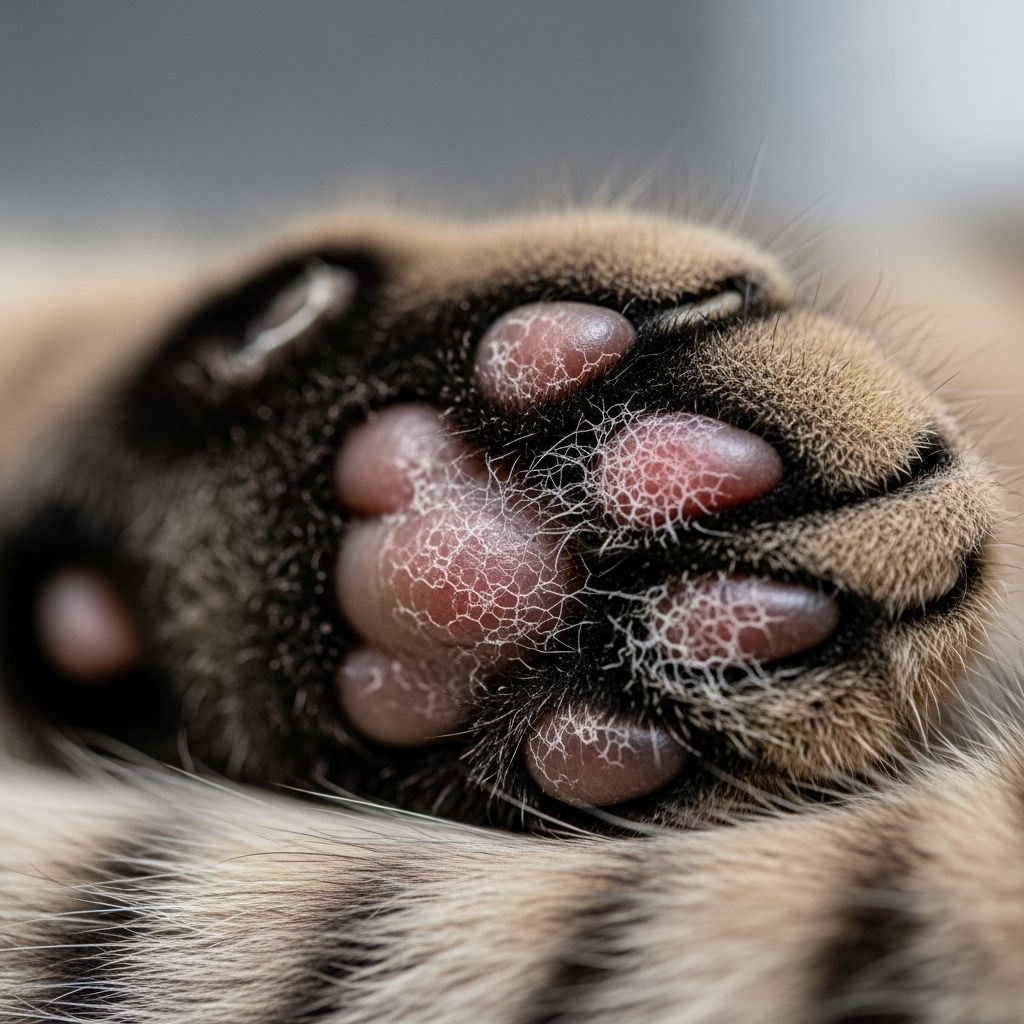
Fungal infections pose significant health risks to pets, particularly dogs and cats, ranging from localized skin issues to life-threatening systemic diseases. These infections often arise from environmental exposure and can be especially problematic in immunocompromised animals.
Understanding Fungal Pathogens in Veterinary Medicine
Fungi are ubiquitous in the environment, thriving in soil, decaying vegetation, and animal droppings. Pets primarily encounter them through inhalation of spores or direct skin contact, leading to infections categorized as superficial, subcutaneous, or systemic. Opportunistic fungi exploit weakened immune systems, making pets on immunosuppressants or with conditions like diabetes particularly vulnerable.
In small animals, these infections manifest differently based on the pathogen and host factors. For instance, aspergillus species commonly target the respiratory tract, while others like cryptococcus affect multiple organs. Recent veterinary data highlights a 13% prevalence in dogs on cyclosporine therapy.
Common Types of Fungal Infections
Veterinary fungal diseases vary by species and geography. Here’s an overview of prevalent ones:
- Aspergillosis: Often nasal in dogs, caused by Aspergillus fumigatus, destroying turbinates and occasionally spreading to eyes or skull. Disseminated forms hit German Shepherds hardest, affecting bones, kidneys, and discs.
- Cryptococcosis: Involves Cryptococcus neoformans or gattii, inhaled from soil or bird droppings, impacting lungs, brain, eyes, and skin. Immunosuppressed pets face higher risks.
- Blastomycosis: Endemic in Midwest regions, enters via lungs and spreads systemically, causing respiratory issues, skin lesions, and organ failure. Sporting dogs aged 1-5 years are prime targets due to soil exposure.
- Coccidioidomycosis: Dust-borne in arid areas, primarily respiratory but can disseminate to eyes, joints, bones.
- Candidiasis: Rare in dogs, affects mucous membranes from Candida albicans, linked to antibiotics or catheters.
- Opportunistic Infections: Phaeohyphomycosis and hyalohyphomycosis cause non-healing wounds or nodules, especially on extremities.
Exotic small mammals face unique challenges, with infections adapting to species-specific physiologies.
Symptoms and Clinical Presentation
Signs depend on infection site and extent. Respiratory involvement yields coughing, nasal discharge, and breathing difficulties. Skin manifestations include ulcers, nodules, draining tracts, and non-healing wounds. Systemic spread brings weight loss, fever, lameness, eye issues, and organ dysfunction like enlarged liver or spleen.
| Infection Type | Common Symptoms | Affected Pets |
|---|---|---|
| Nasal Aspergillosis | Nasal discharge, sneezing, facial swelling | Dogs |
| Disseminated Blastomycosis | Cough, skin sores, lameness, appetite loss | Dogs (hunting breeds) |
| Cryptococcosis | Skin nodules, neurological signs, eye inflammation | Dogs, Cats |
| Opportunistic Cutaneous | Ulcers on feet/nose, draining tracts | Immunocompromised pets |
Indoor pets aren’t immune; blastomycosis cases occur without outdoor exposure. Chronic cases mimic other diseases, delaying diagnosis.
Risk Factors and Transmission
Transmission is environmental, not direct pet-to-pet. Spores enter via inhalation or wounds. Key risks include:
- Immunosuppression from drugs (e.g., cyclosporine, 20% risk), diabetes, retroviruses (FeLV, FIV), or breed predispositions like German Shepherds.
- Geographic hotspots: Blastomycosis near waterways, coccidioidomycosis in deserts.
- Husbandry issues in exotics: Poor hygiene, temperature, humidity.
Dogs with noses in soil, like hunters, face elevated exposure. Zoonotic potential exists but transmission from pets to humans is negligible for most.
Diagnosis Strategies
Diagnosis combines clinical signs, imaging, and lab tests. Cytology or histopathology identifies fungi, though cultures confirm species. Serology detects antibodies; PCR offers specificity for hard-to-culture pathogens. Biopsy of lesions or fluids (blood, urine, CSF) is crucial. Challenges include non-specific signs and culture limitations.
For systemic cases, antigen tests (e.g., for blastomyces) aid rapid detection. Radiographs reveal lung patterns; endoscopy visualizes nasal aspergillosis.
Treatment Approaches
Antifungals form the mainstay, selected by species and site:
- Azoles: Itraconazole, fluconazole for aspergillosis, cryptococcosis.
- Amphotericin B: For severe systemic cases, with lipid formulations reducing toxicity.
- Terbinafine: Combined with azoles for skin/subcutaneous infections.
Surgery aids localized disease, like nasal aspergillosis infusion. Long-term therapy (months) is common; monitoring via antigen titers prevents relapse. Immunocompromised pets may need supportive care.
Prevention and Management Tips
Minimize exposure in endemic areas: Avoid dusty soils, waterways. Maintain pet immunity; screen for predispositions. Clean enclosures rigorously for exotics. Early veterinary check-ups for at-risk breeds help.
Owners should watch for persistent wounds or respiratory signs unresponsive to antibiotics.
FAQs on Fungal Infections in Pets
Q: Can my indoor dog get a fungal infection?
A: Yes, spores infiltrate homes; blastomycosis affects indoor dogs via environmental contamination.
Q: Are fungal infections contagious between pets or to humans?
A: No direct transmission; environmental acquisition only. Minimal zoonotic risk from dogs.
Q: How long does treatment last?
A: Often 3-12 months, depending on response and pathogen.
Q: Which pets are most at risk?
A: Hunting dogs, German Shepherds, immunosuppressed animals.
Q: What if my pet has non-healing skin wounds?
A: Seek fungal testing; opportunistic infections mimic bacterial ones.
Prognosis and Long-Term Outlook
Outcomes vary: Localized infections respond well (70-90% cure), but disseminated cases have 50% mortality, especially with CNS involvement. Early intervention boosts survival. Follow-up imaging and tests ensure clearance.
Pet owners play a vital role in vigilance and adherence to therapy.
References
- Approaches to Opportunistic Fungal Infections in Small Animals — Today’s Veterinary Practice. 2023. https://todaysveterinarypractice.com/internal-medicine/approaches-to-opportunistic-fungal-infections-in-small-animals/
- An Overview of Fungal Infections in Cats, Dogs, and Exotic Small Mammals — PubMed/NCBI. 2024-10-01. https://pubmed.ncbi.nlm.nih.gov/40691364/
- Fungal Infections in Dogs – Dog Owners – Merck Veterinary Manual — Merck Veterinary Manual. 2025. https://www.merckvetmanual.com/dog-owners/disorders-affecting-multiple-body-systems-of-dogs/fungal-infections-in-dogs
- Midwest Dogs at Risk of Fungal Infection Blastomycosis — University of Illinois College of Veterinary Medicine. 2023. https://vetmed.illinois.edu/pet-health-columns/dogs-fungal-infection-blastomycosis/
- Fungal infections in animals: a patchwork of different situations — PMC/NCBI. 2018-10-27. https://pmc.ncbi.nlm.nih.gov/articles/PMC6251577/
- General Fungal Disease Information — MiraVista Veterinary Diagnostics. 2024. https://miravistavets.com/fungal-diseases/general-fungal/
Similar Articles








Read full bio of Sneha Tete


