
Fungal Infections In Pet Birds: 4 Common Diseases And Treatment
Essential guide to recognizing, diagnosing, and treating common fungal diseases in companion birds for better avian care.
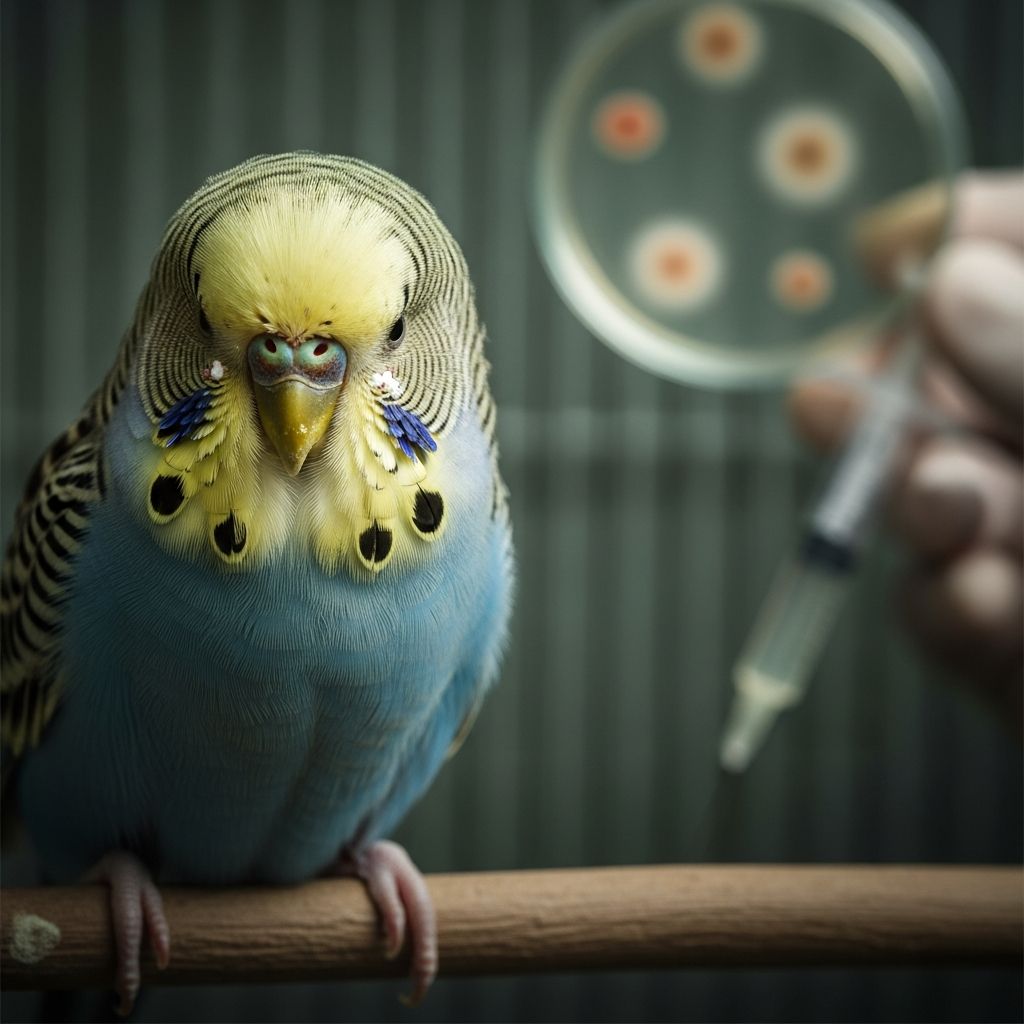
Fungal infections pose significant health risks to pet birds, often thriving in environments with poor hygiene or stress factors that weaken immunity. These mycoses can affect the respiratory system, gastrointestinal tract, and skin, leading to severe complications if not addressed promptly. Understanding the types, clinical presentations, and management strategies is crucial for bird owners and avian veterinarians alike.
Understanding Fungal Pathogens in Avian Species
Pet birds are susceptible to various fungi due to their unique respiratory anatomy, including air sacs that facilitate efficient gas exchange but also provide ideal niches for fungal growth. Common culprits include opportunistic yeasts and molds that exploit weakened defenses from malnutrition, overcrowding, or antibiotic overuse. Early intervention improves outcomes, as these infections can progress rapidly in captive settings.
Key factors contributing to fungal overgrowth encompass damp enclosures, spoiled food, and high humidity levels, which foster spore proliferation. Birds with chronic illnesses or young chicks face heightened vulnerability, emphasizing the need for vigilant husbandry practices.
Primary Types of Mycotic Conditions
Several fungal diseases dominate in pet bird populations, each with distinct etiologies and organ tropisms. Aspergillosis remains the most notorious, caused by Aspergillus species, while candidiasis stems from Candida albicans overproliferation in the digestive system.
Aspergillosis: The Respiratory Menace
Aspergillosis primarily invades the lungs and air sacs, manifesting as an opportunistic infection in stressed or immunocompromised birds. Inhaled spores germinate in damaged tissues, forming granulomas that impair breathing. Species like parrots, cockatiels, and budgerigars are frequently affected due to their popularity in the pet trade.
Candidiasis: Gastrointestinal Yeast Invasion
Candida infections target the crop and intestines, often secondary to bacterial disruptions or poor diet. Thrush-like lesions appear in the mouth and esophagus, hindering feeding and leading to dehydration.
Other Notable Mycoses
- Macrorhabdus ornithogaster: A yeast affecting proventriculus, causing chronic wasting in small birds like lovebirds.
- Dermatophytosis: Rare skin infections from Trichophyton, presenting as feather loss and crusting.
Clinical Signs and Symptom Recognition
Observing subtle changes in behavior and appearance is vital for timely detection. General indicators include lethargy, appetite loss, and fluffed feathers, signaling systemic distress.
| Disease | Respiratory Signs | Digestive Signs | Other Signs |
|---|---|---|---|
| Aspergillosis | Dyspnea, tail bobbing, voice alteration | Weight loss | Open-mouth breathing, nasal discharge |
| Candidiasis | Rare | Crop stasis, regurgitation, diarrhea | Oral plaques, dehydration |
| Macrorhabdus | None prominent | Emaciation, undigested seeds in droppings | Polydipsia |
Respiratory involvement often escalates to cyanosis and exercise intolerance, while gastrointestinal cases show persistent weight decline despite normal intake.
Diagnostic Approaches for Accurate Identification
Diagnosis combines history, physical exams, and advanced testing. Radiographs reveal air sac opacities in aspergillosis, complemented by complete blood counts showing leukocytosis.
- Endoscopy for direct visualization and biopsy of lesions.
- Culture and PCR for fungal speciation.
- Serology detecting antibodies in chronic cases.
Imaging modalities like CT scans offer superior detail for granuloma mapping, guiding therapeutic decisions.
Comprehensive Treatment Protocols
Treatment hinges on antifungal therapy tailored to infection site and severity, alongside supportive measures. Multi-modal approaches enhance efficacy, addressing both pathogen and host factors.
Pharmacological Interventions
Azoles like itraconazole and voriconazole inhibit ergosterol synthesis, forming the backbone for systemic aspergillosis. Doses range from 5-15 mg/kg orally, monitored for hepatotoxicity via serial bloodwork.
Amphotericin B provides rapid fungicidal action via IV or nebulization, at 1.5 mg/kg every 8 hours initially.
| Antifungal | Dosage | Route | Duration |
|---|---|---|---|
| Itraconazole | 5-10 mg/kg | PO | 4-6 weeks |
| Voriconazole | 10-12 mg/kg | PO BID | Until resolution |
| Fluconazole | 5-15 mg/kg | PO BID | 2-4 weeks |
| Amphotericin B | 1.5 mg/kg | IV q8h | 3-5 days |
| Clotrimazole | 10 mg/mL | Nebulized | 30 min BID |
For candidiasis, nystatin at 300,000 IU/kg PO BID offers low-toxicity control, though palatability poses challenges.
Supportive and Surgical Care
Nutritional support via tube feeding, fluid therapy, and oxygen supplementation stabilizes patients. Surgical debulking or air sac cannulation resolves obstructive aspergillomas.
Environmental warmth (85-90°F) conserves energy for immunity, while NSAIDs like meloxicam alleviate inflammation.
Management of Macrorhabdus ornithogaster
Amphotericin B suspension (100 mg/kg PO BID for 30 days) yields best results, augmented by sodium benzoate in drinking water (2.5 g/L fresh daily).
Prevention Strategies for Healthy Flocks
Proactive measures minimize outbreak risks. Maintain dry, well-ventilated enclosures with daily fresh bedding and diet rotation to avoid moldy seeds.
- Quarantine new birds for 45 days.
- Balanced nutrition rich in vitamins A and E bolsters immunity.
- Regular avian vet check-ups with fecal cultures.
Avoid broad-spectrum antibiotics unless necessary, as they disrupt microbiota favoring yeast blooms.
Prognosis and Long-Term Monitoring
Outcomes vary by diagnosis speed and lesion extent. Acute cases respond well (70-80% success), but chronic air sac scarring predisposes recurrences. Monthly blood panels track recovery.
Frequently Asked Questions (FAQs)
What are the earliest signs of fungal infection in my bird?
Lethargy, ruffled feathers, and subtle breathing changes often precede overt symptoms. Monitor droppings for undigested material.
Can fungal infections spread between birds?
Yes, via spores in shared air or contaminated fomites. Isolate suspects immediately.
How long does treatment typically last?
4-8 weeks minimum, extending 2-4 weeks post-resolution with imaging confirmation.
Is home nebulization safe for birds?
Under vet guidance, yes, using sterile solutions like enilconazole dilutions.
Can diet prevent aspergillosis?
Avoiding moldy feeds reduces spore exposure significantly.
References
- Mycotic Diseases of Pet Birds — MSD Veterinary Manual. 2023. https://www.msdvetmanual.com/exotic-and-laboratory-animals/pet-birds/mycotic-diseases-of-pet-birds
- Aspergillosis in Birds: Common Signs, Diagnosis & Treatments — Mixlab. 2023. https://mixlab.com/blog/aspergillosis-in-birds
- Candida Infections in Birds — VCA Animal Hospitals. 2023. https://vcahospitals.com/know-your-pet/candida-infections-in-birds
- Implications of Mycosis in Clinical Disorders — Harrison’s Bird Foods (PDF). 2024-02-29. https://www.harrisonsbirdfoods.com/wp-content/uploads/2024/02/29_mycosis.pdf
- Common Bacterial and Fungal Skin Infections in Birds — Wedgewood Pharmacy. 2023. https://www.wedgewood.com/blog/common-bacterial-and-fungal-skin-infections-in-birds/
Similar Articles








Read full bio of Sneha Tete


