

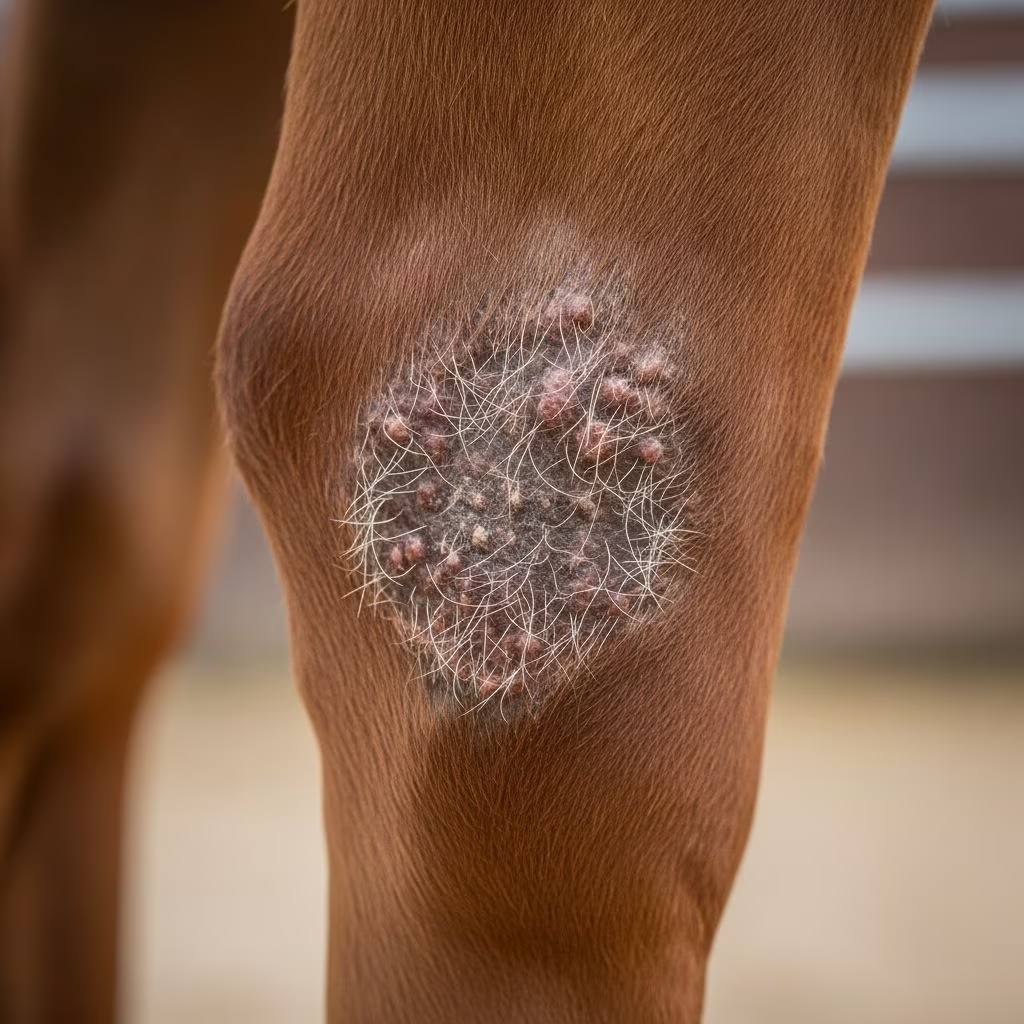
Fungal infections, known as mycoses, pose significant challenges to horse health, ranging from superficial skin issues to severe internal conditions. These infections arise from various fungi thriving in environments like damp stables, soil, or contaminated bedding, often entering through wounds or inhalation. Understanding their types, symptoms, and management is crucial for horse owners and veterinarians to ensure timely intervention and recovery.
Understanding the Nature of Fungal Pathogens in Equines
Fungi are ubiquitous microorganisms that can become pathogenic under certain conditions, particularly in horses with weakened immunity or exposure to high spore concentrations. Unlike bacteria, fungi often form resilient spores that persist in the environment, making prevention key. Equine fungal diseases primarily affect the skin, hooves, eyes, respiratory system, and occasionally deeper organs.
Common culprits include dermatophytes causing ringworm, yeasts leading to thrush, and molds like Aspergillus linked to guttural pouch mycosis. These organisms exploit moist, warm areas, proliferating in poorly ventilated barns or after prolonged wet weather.
Common Superficial Fungal Conditions
Skin and hoof infections represent the most frequent fungal issues in horses, often presenting as circular lesions, itching, or foul odors.
Skin Dermatophytosis (Ringworm)
Ringworm manifests as crusty, hairless patches, typically on the neck, saddle area, or girth. Caused by fungi like Trichophyton, it spreads via direct contact or shared equipment. Early signs include mild itching progressing to raised, scaly circles. Isolation prevents outbreaks in herds.
Hoof Thrush and Yeast Infections
Thrush thrives in the hoof’s frog crevice, producing black, necrotic material with a pungent smell. Horses in muddy paddocks or with unbalanced hooves are prone. Symptoms encompass lameness, sensitivity, and easy bleeding.
- Foul-smelling discharge from the hoof sulci
- Dark, mushy debris in the frog groove
- Reluctance to bear weight on affected limbs
- Potential spread to deeper hoof structures if untreated
Deeper and Systemic Mycoses
While rarer, internal fungal invasions can be life-threatening, targeting lungs, eyes, or guttural pouches.
Guttural Pouch Mycosis
This condition involves Aspergillus invading the guttural pouch’s arteries, risking severe epistaxis (nosebleeds). Clinical indicators include unilateral nasal bleeding, dysphagia, and neurological deficits. Prompt surgical ligation may be necessary.
Ocular Keratomycosis (Fungal Ulcers)
Fungal ulcers develop post-corneal injury, especially in dusty environments. They resist standard antibiotics, showing persistent opacity or melting lesions. Concurrent uveitis causes pain, tearing, and squinting.
Respiratory and Disseminated Infections
Systemic mycoses like coccidioidomycosis or blastomycosis present with fever, cough, weight loss, and lymphadenopathy. These are geographically linked, such as Valley Fever in arid regions.
Recognizing Clinical Manifestations
Symptoms vary by site but often include inflammation, discharge, and behavioral changes. Skin infections cause alopecia and pruritus; hoof issues lead to gait abnormalities; eye problems result in photophobia. Systemic signs like anorexia and dyspnea signal advanced disease.
| Infection Type | Key Symptoms | Common Sites |
|---|---|---|
| Skin (Ringworm) | Circular alopecia, crusts, itch | Body, girth |
| Hoof Thrush | Foul odor, black exudate, lameness | Frog sulci |
| Eye Ulcers | Corneal haze, pain, discharge | Cornea |
| Guttural Pouch | Nosebleeds, dysphagia | Pharynx |
| Systemic | Fever, cough, weight loss | Lungs, nodes |
Diagnostic Approaches for Accurate Identification
Veterinary diagnosis combines clinical exams with lab tests. Microscopic evaluation of scrapings reveals hyphae; cultures identify species and test sensitivities. PCR offers rapid detection for tricky cases. For eyes, cytology and culture guide therapy. Serology detects antibodies in systemic infections.
- Microscopy: Quick hyphal visualization
- Culture: Gold standard for speciation
- PCR: Sensitive molecular confirmation
- Biopsy: For deep lesions
Treatment Strategies: From Topicals to Systemics
Therapy targets the fungus while addressing secondary issues like inflammation. Superficial cases respond to topicals; deeper ones require systemic drugs.
Topical and Local Therapies
For skin, antifungal shampoos (e.g., chlorhexidine, lime sulfur) are applied daily, lathered for 15 minutes. Hooves need debridement followed by antifungal sprays or soaks. Clip hair, clean, and apply ointments like fungicides.
Systemic Antifungals
Oral griseofulvin or terbinafine treats ringworm but monitors liver function. Itraconazole suits systemic cases. Eye ulcers demand frequent antifungal drops plus NSAIDs and atropine.
Supportive and Surgical Interventions
Sun exposure aids skin recovery; surgery debulks guttural lesions. Immunotherapy vaccines exist for some pythium-like infections.
Prevention: Proactive Measures for Herd Health
Maintain dry, clean environments; disinfect tack; quarantine new arrivals. Routine grooming prevents mud buildup. Boost immunity via balanced nutrition and parasite control. Wear gloves during treatment to avoid zoonosis.
- Ensure good stable ventilation
- Regular hoof trimming and cleaning
- Isolate infected horses
- Use protective fly masks for eyes
Prognosis and Long-Term Management
Superficial infections resolve in weeks with compliance; systemic ones carry guarded outlooks without early detection. Recurrence is common in endemic areas, necessitating vigilance.
Frequently Asked Questions (FAQs)
Are fungal infections contagious to humans?
Yes, ringworm can transmit via contact, especially to immunocompromised individuals. Practice hygiene.
How long does ringworm treatment take?
Typically 2-4 weeks with consistent topical and oral therapy.
Can thrush resolve without vet care?
Mild cases may, but severe ones risk abscesses; professional debridement is advised.
What if my horse’s eye ulcer isn’t healing?
Suspect fungal involvement; cytology confirms and alters treatment.
Is guttural pouch mycosis fatal?
It can be due to hemorrhage, but surgery improves survival.
References
- How to Treat Fungal Infection in Horses — Vetericyn. 2023. https://vetericyn.com/blogs/vetericyn/fungal-infection-in-horses
- Diagnosing Fungal Infection in Horses — Mad Barn. 2024. https://madbarn.com/diagnosing-fungal-infection-in-horses/
- Ringworm in Horses (Dermatophytosis) — UC Davis Center for Equine Health. 2023. https://ceh.vetmed.ucdavis.edu/health-topics/ringworm-horses-dermatophytosis
- Fungal diseases of horses — PubMed (Vet Dermatol). 2013-03. https://pubmed.ncbi.nlm.nih.gov/23428378/
- Equine Fungal Ulcers — Peterson Smith Equine Hospital. 2024. https://www.petersonsmith.com/equine-fungal-ulcers/
- Fungal diseases not just skin deep — dvm360. 2022. https://www.dvm360.com/view/fungal-diseases-not-just-skin-deep



