

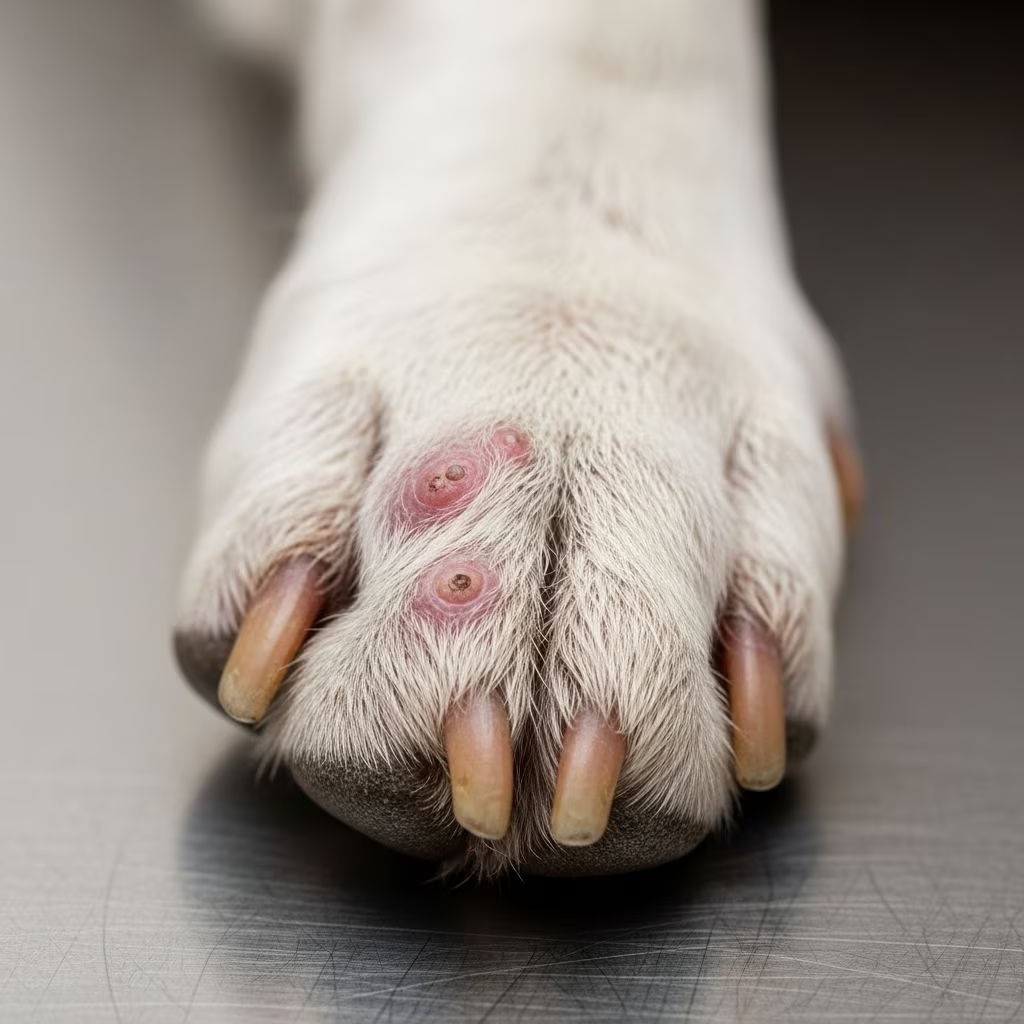
Fungal infections pose significant health risks to dogs, ranging from superficial skin conditions to life-threatening systemic diseases. These infections arise when dogs encounter fungal spores in the environment, which can enter through inhalation, skin contact, or ingestion. Early detection and veterinary intervention are crucial for successful outcomes, as some fungi can spread rapidly to vital organs like the lungs, eyes, and bones.
Understanding the Nature of Fungal Pathogens in Canines
Fungi are microscopic organisms thriving in soil, decaying matter, bird droppings, and moist environments. Dogs are particularly susceptible due to their exploratory habits, such as digging, hunting, or playing in wooded areas. Certain breeds, like sporting dogs, face higher risks in endemic regions. Systemic infections often begin in the respiratory tract, while dermatological ones stem from overgrowth of resident yeasts or contact with contagious spores.
Key factors influencing infection include weakened immunity from stress, illness, or poor nutrition. Puppies, seniors, and dogs with chronic conditions like diabetes are more vulnerable. Geographic location matters too—southwestern U.S. soils harbor Coccidioides, while river valleys foster Blastomyces.
Common Manifestations of Fungal Diseases
Symptoms vary by infection type and location but often mimic allergies or bacterial issues, delaying diagnosis. Watch for persistent signs unresponsive to standard treatments.
- Skin-related cues: Intense itching, hair loss in patches, red sores, crusty or thickened skin, especially around paws, ears, armpits, groin, and tail base.
- Respiratory indicators: Chronic cough, nasal discharge (sometimes bloody), sneezing, labored breathing, or fever.
- Systemic alerts: Lethargy, appetite loss, unexplained weight reduction, lameness, swollen joints, eye inflammation, bloody urine, enlarged lymph nodes, vomiting, or diarrhea.
- Neurological hints: Seizures, disorientation, or balance problems in advanced cases.
Skin-limited infections cause discomfort but are manageable, whereas disseminated ones can be fatal without prompt care.
Major Types of Fungal Infections Affecting Dogs
Dogs face diverse fungal threats, categorized as superficial, subcutaneous, or deep systemic. Here’s a breakdown:
| Type | Causative Agent | Primary Sites | Prevalence Areas |
|---|---|---|---|
| Yeast Dermatitis (Malassezia) | Malassezia pachydermatis | Skin folds, ears, paws | Worldwide |
| Ringworm | Dermatophytes (Microsporum, Trichophyton) | Skin, hair, nails | Global |
| Blastomycosis | Blastomyces dermatitidis | Lungs, skin, eyes, bones | Midwest, Southeast U.S. |
| Coccidioidomycosis (Valley Fever) | Coccidioides immitis | Lungs, bones, joints | Southwest U.S. |
| Histoplasmosis | Histoplasma capsulatum | Lungs, GI tract | Ohio/Mississippi River valleys |
| Aspergillosis | Aspergillus spp. | Nasal passages, lungs | Ubiquitous |
| Cryptococcosis | Cryptococcus neoformans | Nose, skin, CNS | Worldwide, esp. pigeon areas |
Skin and Localized Infections
Yeast Overgrowth: Normal skin flora like Malassezia explodes due to allergies, moisture, or endocrine disorders, yielding greasy, smelly skin and recurrent ear issues. Itchy paws and chronic licking are hallmarks.
Ringworm: Highly contagious to other pets and humans, it forms circular bald patches with scaling. UV lamp exams aid detection.
Systemic Respiratory Infections
Blastomycosis: Spores from damp, organic-rich soils near waterways infect via inhalation. Initial lung symptoms progress to multi-organ involvement: eye ulcers, draining skin nodules, bone pain. Hunting breeds in endemic zones are prime targets.
Valley Fever: Desert dust carries spores; dogs show fever, cough, and limpness. Many recover spontaneously, but disseminated forms hit bones hard.
Histoplasmosis: Bat/bird guano-laden soils spawn this GI-respiratory foe, causing weight loss and bloody stools.
Nasal and Invasive Fungi
Nasal Aspergillosis: Aggressive tissue destruction leads to nosebleeds, pain, and depigmentation. Long-nosed breeds like German Shepherds are prone.
Cryptococcosis: Inhaled from soil/pigeon droppings, it causes nasal swelling, sneezing, skin granulomas, or brain signs. Prognosis varies; long-term therapy needed.
How Veterinarians Diagnose Fungal Threats
Diagnosis starts with history, travel, and symptom review. Key tests include:
- Cytology/smears from skin/nasal swabs for fungal elements.
- Fungal cultures (slow, 2-4 weeks).
- Biopsies for histopathology.
- Antigen blood tests or PCR for systemic types.
- Radiographs/ultrasound for lung/organ spread.
- Urinalysis for kidney involvement.
Distinguishing fungi from bacteria/allergies requires lab confirmation, as symptoms overlap.
Treatment Strategies for Fungal Infections
Tailored plans hinge on type/severity. Prolonged therapy (months) is standard due to fungal resilience.
Topical Approaches
For skin/ear issues: medicated shampoos (miconazole, chlorhexidine), ointments, wipes. Weekly baths reduce yeast loads.
Systemic Medications
Oral antifungals like itraconazole, fluconazole, or terbinafine target deep infections. Itraconazole excels for blasto/histo. Monitoring liver function is vital.
Nasal aspergillosis demands rhinoscopic infusion of enilconazole.
Advanced Interventions
Severe cases may need surgery for pythium-like subcutaneous fungi, immunotherapy for recurrent yeast, or hospitalization for supportive IV fluids/nutrition.
Table of Common Antifungals:
| Drug | Best For | Duration | Notes |
|---|---|---|---|
| Itraconazole | Blasto, Histo | 3-12 months | Liver monitoring |
| Fluconazole | Crypto, CNS | 6-12 months | CSF penetration |
| Terbinafine | Dermatophytes | 4-8 weeks | Combo therapy |
Preventive Measures for Dog Owners
Avoid high-risk zones: steer clear of construction sites, beaver dams, bird roosts. Maintain hygiene with regular grooming, dry ears/paws post-baths. Boost immunity via balanced diet, vaccines, flea control. Quarantine ringworm cases; disinfect environments. Travel to endemic areas? Discuss prophylaxis with vets.
Prognosis and Long-Term Management
Superficial infections boast 90%+ cure rates with compliance. Systemic ones like blasto have 50-70% success if early; relapses demand lifelong monitoring. Address root causes (allergies, hypothyroidism) to curb recurrences.
Frequently Asked Questions (FAQs)
Can fungal infections spread to humans?
Yes, ringworm and sporotrichosis are zoonotic; wash hands, isolate pets.
Are home remedies safe?
No—avoid OTC human creams; they can worsen issues. Vet-prescribed only.
How long until symptoms improve?
Weeks for skin, months for systemic. Complete full courses.
Is my indoor dog at risk?
Less so, but yeast overgrowth or brought-in spores pose threats.
What if my dog has allergies too?
Manage both; allergies fuel yeast.
References
- About Fungal Infections in Dogs — Thousand Oaks Vets. 2024-07-30. https://www.vsecto.com/site/blog/2024/07/30/fungal-infections-dogs
- All About Fungal Infections in Dogs — Downtown Animal Care Center. 2023-02-03. https://www.downtownanimalcarecenter.com/site/blog/2023/02/03/dog-fungal-infection
- Fungal Infections in Dogs: What You Need to Be Aware Of — Wakefield Pet Vet. N/A. https://wakefieldpetvet.com/blog/fungal-infections-in-dogs/
- 13 Signs Your Dog May Have a Fungal Infection — GoodRx. N/A. https://www.goodrx.com/pet-health/dog/fungal-infection-in-dogs
- Fungal Infections in Dogs: Types, Signs & Treatment — UrgentVet. N/A. https://urgentvet.com/dog-fungal-infections-types-signs-treatment/
- Identifying and Treating Fungal Infections in Dogs — PetMD. N/A. https://www.petmd.com/dog/general-health/identifying-and-treating-fungal-infections-dogs



