
Fungal Infections In Cats: Comprehensive Guide For Owners
Understand the risks, signs, diagnosis, and long-term treatments for dangerous fungal diseases affecting your cat's health.
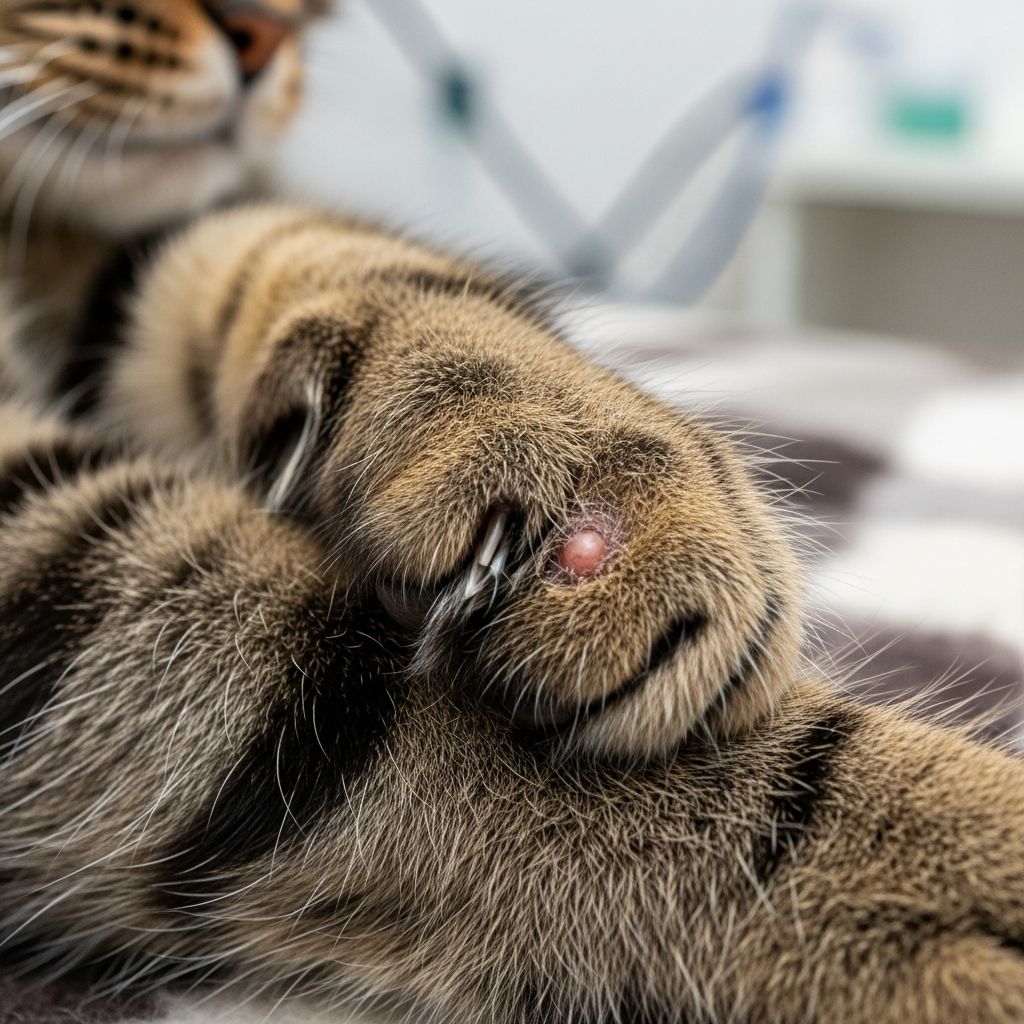
Fungal infections pose significant health threats to cats, particularly systemic types that invade multiple organs. These diseases often stem from environmental spores inhaled or absorbed through the skin, leading to diverse symptoms and requiring extended treatment.
Understanding Fungal Diseases in Feline Health
Cats encounter fungi in soil, decaying matter, and bird droppings, with outdoor or immunocompromised felines at higher risk. Unlike superficial infections like ringworm, systemic mycoses disseminate via bloodstream, affecting lungs, skin, eyes, and brain. North America reports higher incidences due to endemic fungi.
These infections mimic other illnesses, complicating early detection. Awareness empowers owners to spot subtle changes and seek prompt veterinary care, improving outcomes despite treatment challenges.
Primary Types of Systemic Fungal Infections
Several fungi target cats, each with distinct regional prevalence and manifestations. Key examples include:
- Cryptococcosis: Most prevalent in cats, caused by Cryptococcus neoformans or gattii, often from pigeon guano inhalation. Affects nasal cavities, lungs, skin, and central nervous system.
- Blastomycosis: From Blastomyces dermatitidis spores in moist soil near rivers. Primarily pulmonary but spreads to eyes, skin, and bones.
- Histoplasmosis: Triggered by Histoplasma capsulatum in bird/bat guano-rich areas. Impacts lungs, intestines, and lymph nodes.
- Coccidioidomycosis (Valley Fever): Rare in cats, from Coccidioides in arid Southwestern U.S. soils. Causes chronic respiratory issues with occasional dissemination.
These pathogens thrive in specific climates, underscoring geographic risk factors for cat owners.
Recognizing Early Warning Signs
Symptoms vary by fungus and affected sites but share patterns like chronic progression. Common indicators include:
- Respiratory distress: Coughing, sneezing, nasal discharge (often bloody), labored breathing, facial swelling.
- Skin changes: Non-healing ulcers, nodules, abscesses, draining tracts, hair loss without itch.
- Systemic effects: Lethargy, anorexia, weight loss, fever, enlarged lymph nodes.
- Neurological issues: Ataxia, seizures, head tilt, behavioral shifts, blindness.
- Ocular problems: Uveitis, cloudiness, sudden vision loss.
- Musculoskeletal: Lameness, joint swelling.
| Fungus | Key Symptoms | Common Sites |
|---|---|---|
| Cryptococcosis | Nasal discharge, skin nodules, neurological signs | Nose, skin, brain |
| Blastomycosis | Cough, eye inflammation, draining lesions | Lungs, eyes, skin |
| Histoplasmosis | Weight loss, diarrhea, respiratory signs | Lungs, GI tract |
| Valley Fever | Coughing, lameness, skin bumps | Lungs, bones, skin |
Owners should monitor for persistent, multifocal signs, as single-symptom cases may evade notice.
Diagnostic Approaches for Accurate Identification
Veterinarians employ multifaceted testing due to symptom overlap with cancers or bacterial diseases. Initial steps involve:
- Thorough history and physical exam, noting travel and environment.
- Bloodwork: Complete blood count, chemistry for organ function, antigen tests (e.g., Cryptococcus).
- Imaging: Chest X-rays, CT scans for lung/nasal involvement.
- Cytology/Biopsy: Fine-needle aspirates or surgical samples stained for fungal elements.
- Cultures: Fungal growth from swabs, urine, or tissue, though slow (weeks).
- Urinalysis and serology for dissemination checks.
Definitive diagnosis often combines antigen detection (rapid for Cryptococcus) with histopathology, ensuring targeted therapy.
Treatment Strategies and Management
Therapy demands patience, as antifungals kill slowly-growing fungi over months. Protocols include:
- Antifungals: Fluconazole (preferred for CNS penetration), itraconazole, amphotericin B (IV for severe cases), voriconazole. Doses monitored via bloodwork for hepatotoxicity.
- Surgery: Debulking nasal masses or skin nodules in cryptococcosis to reduce fungal load.
- Supportive Care: Fluids, nutrition, antibiotics for secondary bacteria, anti-nausea meds.
Treatment duration: 2-12 months, with relapse risks necessitating follow-ups. FeLV/FIV-positive cats face poorer prognoses due to immunity deficits.
Cost and monitoring strain owners, but adherence yields 70-90% success for cryptococcosis with early intervention.
Prevention Measures for Cat Owners
No vaccines exist, so focus on risk reduction:
- Limit outdoor access in endemic areas (e.g., Ohio Valley for blasto).
- Avoid dusty excavations or guano sites.
- Maintain indoor lifestyle for at-risk cats (young, old, immunocompromised).
- Regular vet check-ups for early detection.
- Probiotics during therapy to support gut health.
Environmental hygiene, like prompt litter cleaning, minimizes spore exposure indoors.
Prognosis and Long-Term Outlook
Success hinges on early diagnosis, fungal type, and cat’s health. Cryptococcosis responds well (80%+ cure with fluconazole), while disseminated histoplasmosis challenges persist. Monitor for relapse via titers; some cats require lifelong suppression.
Owners report full recovery post-treatment, with vigilant follow-up key to preventing recurrence.
Frequently Asked Questions (FAQs)
Is cryptococcosis contagious to other cats or humans?
No direct cat-to-cat or cat-to-human spread; infection arises from environmental spores. However, isolate symptomatic cats to curb potential fomite transmission.
How long does treatment last for fungal infections in cats?
Typically 2-12 months, based on response and fungal clearance via testing.
Can my indoor cat get a systemic fungal infection?
Yes, via contaminated air, litter, or fomites, though outdoor cats face higher exposure.
What are signs my cat’s antifungal treatment isn’t working?
Worsening symptoms, anorexia, jaundice, or elevated liver enzymes on bloodwork—contact your vet immediately.
Are there home remedies for cat fungal infections?
No; self-treatment risks worsening. Professional diagnosis and prescription antifungals are essential.
References
- Systemic fungal infections in cats: Symptoms and treatment — Vetster. 2023. https://vetster.com/en/wellness/systemic-fungal-infections-in-cats-symptoms-and-treatment
- Cryptococcosis in Cats: What It Is and How To Treat It — PetMD. 2023. https://www.petmd.com/cat/conditions/infectious-parasitic/cryptococcosis-in-cats
- Fungal Infections in Cats – Cat Owners – Merck Veterinary Manual — Merck Veterinary Manual. 2025. https://www.merckvetmanual.com/cat-owners/disorders-affecting-multiple-body-systems-of-cats/fungal-infections-in-cats
Similar Articles








Read full bio of Sneha Tete




