
Fungal Infections in Animals: A Comprehensive Guide
Explore the causes, symptoms, diagnosis, and treatment of fungal infections affecting pets and livestock, with insights for prevention.
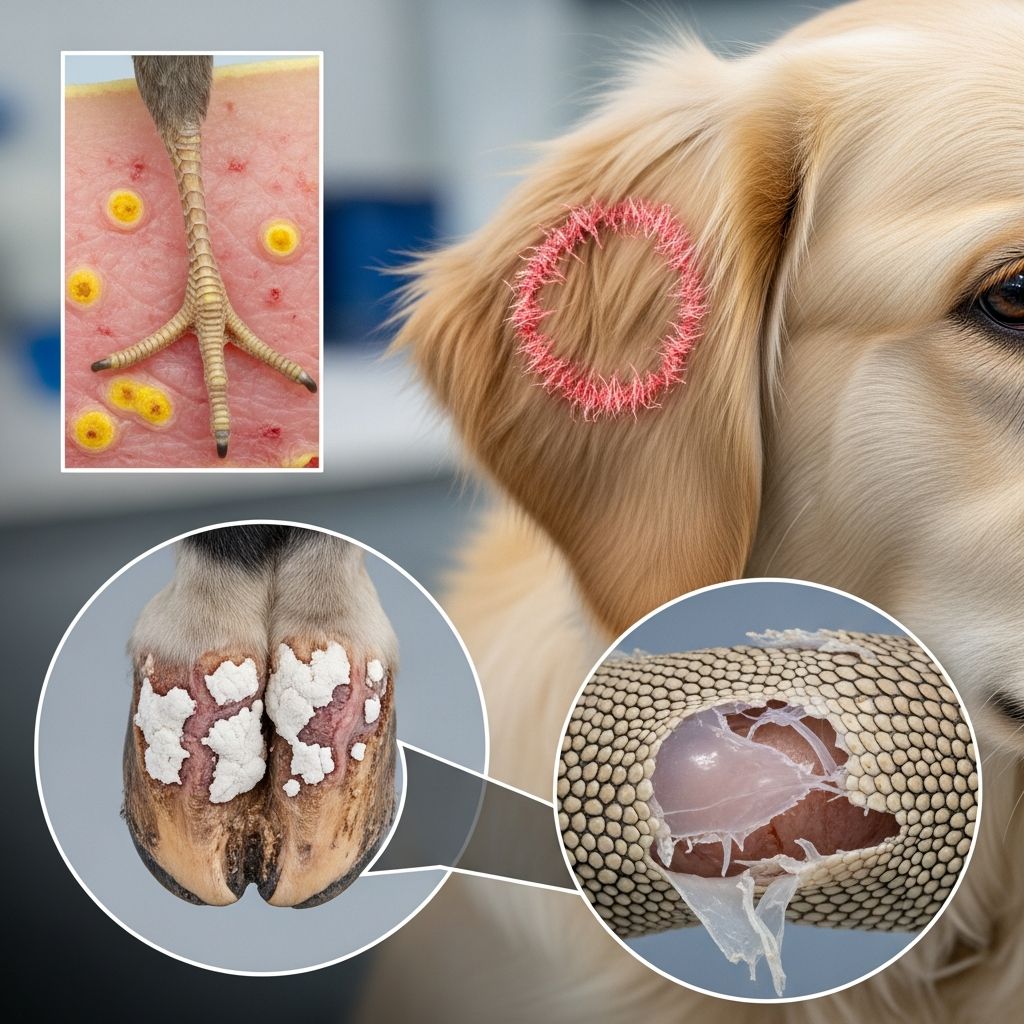
Fungal infections represent a significant challenge in veterinary practice, affecting a wide range of domestic animals, livestock, and wildlife. These mycoses arise from fungi ubiquitous in the environment, entering hosts via inhalation of spores or through skin breaches. While many animals maintain resistance through intact immune systems, immunocompromised individuals face heightened risks of localized or disseminated disease. Understanding the classification, transmission, and management of these infections is crucial for effective intervention.
Classification of Fungal Pathogens in Veterinary Medicine
Fungal infections in animals are broadly categorized into superficial, subcutaneous, and systemic types based on the depth of tissue invasion and organs affected. Superficial infections primarily involve the skin and mucous membranes, subcutaneous ones penetrate deeper dermal layers, and systemic mycoses disseminate via bloodstream to vital organs like lungs, kidneys, and central nervous system.
- Superficial Mycoses: These target epidermal layers, often causing dermatitis or mucosal lesions treatable with topical agents.
- Subcutaneous Mycoses: Involve dermis and subcutaneous tissues, leading to nodules, ulcers, or draining tracts.
- Systemic Mycoses: Originate in lungs or skin but spread hematogenously, posing severe threats especially in predisposed breeds or species.
This categorization aids in tailoring diagnostic and therapeutic approaches, as each type presents distinct clinical profiles and responds differently to antifungal therapies.
Common Fungal Pathogens and Their Hosts
Several fungi predominate in veterinary cases, with species-specific tropisms influencing disease patterns. Aspergillus species, for instance, frequently cause respiratory and disseminated infections in dogs, while Cryptococcus affects cats’ nasal cavities and nervous systems.
| Fungus | Primary Hosts | Common Sites |
|---|---|---|
| Aspergillus fumigatus | Dogs (esp. German Shepherds) | Nasal cavity, lungs, disks |
| Cryptococcus neoformans/gattii | Cats, dogs | Nasal, CNS, skin |
| Coccidioides immitis | Dogs | Lungs, bones, eyes |
| Candida albicans | Dogs, cats | Mucosa, GI tract |
| Lagenidium spp. | Dogs | Skin, vessels, organs |
Opportunistic fungi like those causing phaeohyphomycosis thrive in immunosuppressed patients, manifesting as non-healing wounds or nodules on extremities.
Transmission Routes and Environmental Factors
Most fungal infections are acquired environmentally rather than through direct animal-to-animal spread. Inhalation of aerosolized spores from soil, dust, or bird droppings is the primary route for systemic mycoses. Traumatic implantation via wounds introduces subcutaneous pathogens. Environmental triggers like drought following rainstorms elevate spore concentrations, spurring outbreaks in endemic areas.
Immunosuppression exacerbates susceptibility: cyclosporine therapy in dogs yields 20% infection rates, while conditions like feline leukemia virus, diabetes, or breed-specific immunodeficiencies heighten risks. Husbandry lapses in exotics, such as suboptimal temperature or hygiene, promote aspergillosis in reptiles.
Clinical Manifestations Across Species
Canine Fungal Diseases
Dogs exhibit diverse presentations. Nasal aspergillosis erodes turbinates, causing epistaxis and facial swelling. Disseminated forms target spine disks in German Shepherds, leading to lameness and fever. Coccidioidomycosis, endemic to arid regions, starts respiratory but disseminates to bones and eyes, with epidemics post-dust storms. Pythium-like lagenidiosis mimics skin pythiosis but can rupture vascular aneurysms fatally.
Feline Mycoses
Cats commonly suffer cryptococcosis, with nasal masses, neurological deficits, or skin nodules. CNS involvement correlates with poor prognosis. Gastrointestinal histoplasmosis presents chronic diarrhea and emaciation.
Exotic and Livestock Species
In small mammals and birds, subcutaneous nodules and wing membrane erosions signal deep mycoses. Reptiles develop aspergillosis under poor husbandry, affecting lungs and skin. Ruminants face sporadic outbreaks from soil fungi.
Diagnostic Approaches
Diagnosis integrates clinical signs, history, and multimodal testing. Cytology reveals fungal elements in exudates; biopsies confirm hyphae or yeast. Serology detects antibodies in systemic cases like coccidioidomycosis. Culture on selective media speciates pathogens, while PCR offers rapid identification. Imaging delineates dissemination, e.g., nasal CT for aspergillosis.
- Radiography/ultrasonography for pulmonary/organ involvement.
- Endoscopy for nasal/sinus sampling.
- Fluid analysis (CSF, urine) for disseminated disease.
Treatment Strategies
Antifungal therapy hinges on infection type and severity. Localized superficial cases respond to topicals like azoles or polyenes. Systemic infections demand prolonged oral itraconazole, fluconazole, or amphotericin B, often combined with surgery for nasal aspergillosis or debridement of subcutaneous lesions.
| Drug Class | Examples | Indications |
|---|---|---|
| Azoles | Itraconazole, Fluconazole | Systemic aspergillosis, cryptococcosis |
| Polyenes | Amphotericin B | Refractory disseminated cases |
| Echinocandins | Caspofungin | Opportunistic deep infections |
Immunosuppression management is pivotal; reducing cyclosporine mitigates opportunists. Monitoring via therapeutic drug levels prevents toxicity.
Prevention and Control Measures
Preventive strategies emphasize environmental control and host resilience. Avoid endemic zones during high-spore seasons for at-risk dogs. Optimize husbandry for exotics: maintain 28-32°C and 50-70% humidity for reptiles. Screen breeding stock for immunodeficiencies. Prompt wound care thwarts implantation mycoses. Vaccination trials for coccidioidomycosis show promise but remain experimental.
Challenges in Management and Prognosis
Deep-seated infections resist therapy due to poor vascularity and fungal biofilms. Multidrug resistance emerges in opportunists, complicating outcomes. Prognosis varies: nasal aspergillosis exceeds 80% success with infusion therapy, but disseminated forms carry 50% mortality. Early detection markedly improves survival.
FAQs on Fungal Infections in Animals
What are the first signs of fungal infection in my dog?
Watch for chronic nasal discharge, non-healing skin ulcers, lameness, or respiratory distress, especially in breeds like German Shepherds.
Can fungal infections spread from pets to humans?
Yes, zoonotic risks exist with Cryptococcus or Sporothrix, particularly for immunocompromised owners; practice hygiene.
How long does treatment for systemic mycosis last?
Typically 3-12 months, guided by clinical response and negative cultures.
Are there vaccines for animal fungal diseases?
Limited; experimental for Coccidioides in dogs, none widely available.
What role does diet play in preventing mycoses?
Balanced nutrition supports immunity; cobalamin deficiency predisposes dogs.
References
- Approaches to Opportunistic Fungal Infections in Small Animals — Today’s Veterinary Practice. 2023. https://todaysveterinarypractice.com/internal-medicine/approaches-to-opportunistic-fungal-infections-in-small-animals/
- An Overview of Fungal Infections in Cats, Dogs, and Exotic Small Mammals — PubMed. 2024-10-15. https://pubmed.ncbi.nlm.nih.gov/40691364/
- Fungal Infections in Dogs – Dog Owners – Merck Veterinary Manual — Merck Veterinary Manual. 2025. https://www.merckvetmanual.com/dog-owners/disorders-affecting-multiple-body-systems-of-dogs/fungal-infections-in-dogs
- Bacterial and Fungal Infections in Dogs — Wedgewood Pharmacy. 2024. https://www.wedgewood.com/blog/bacterial-and-fungal-infections-in-dogs/
- Fungal infections in animals: a patchwork of different situations — PMC (NIH). 2018-10-26. https://pmc.ncbi.nlm.nih.gov/articles/PMC6251577/
- General Fungal Disease Information — MiraVista Vets. 2025. https://miravistavets.com/fungal-diseases/general-fungal/
Similar Articles








Read full bio of medha deb


