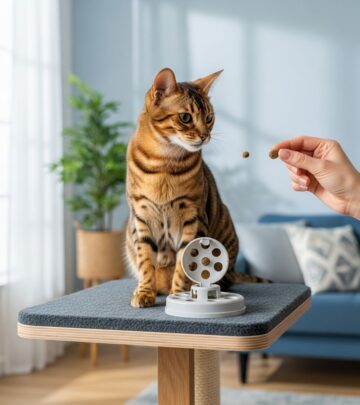
Fun Ways to Play with Your Cat
Boost your cat's happiness and health through engaging play sessions that strengthen your bond and prevent boredom.
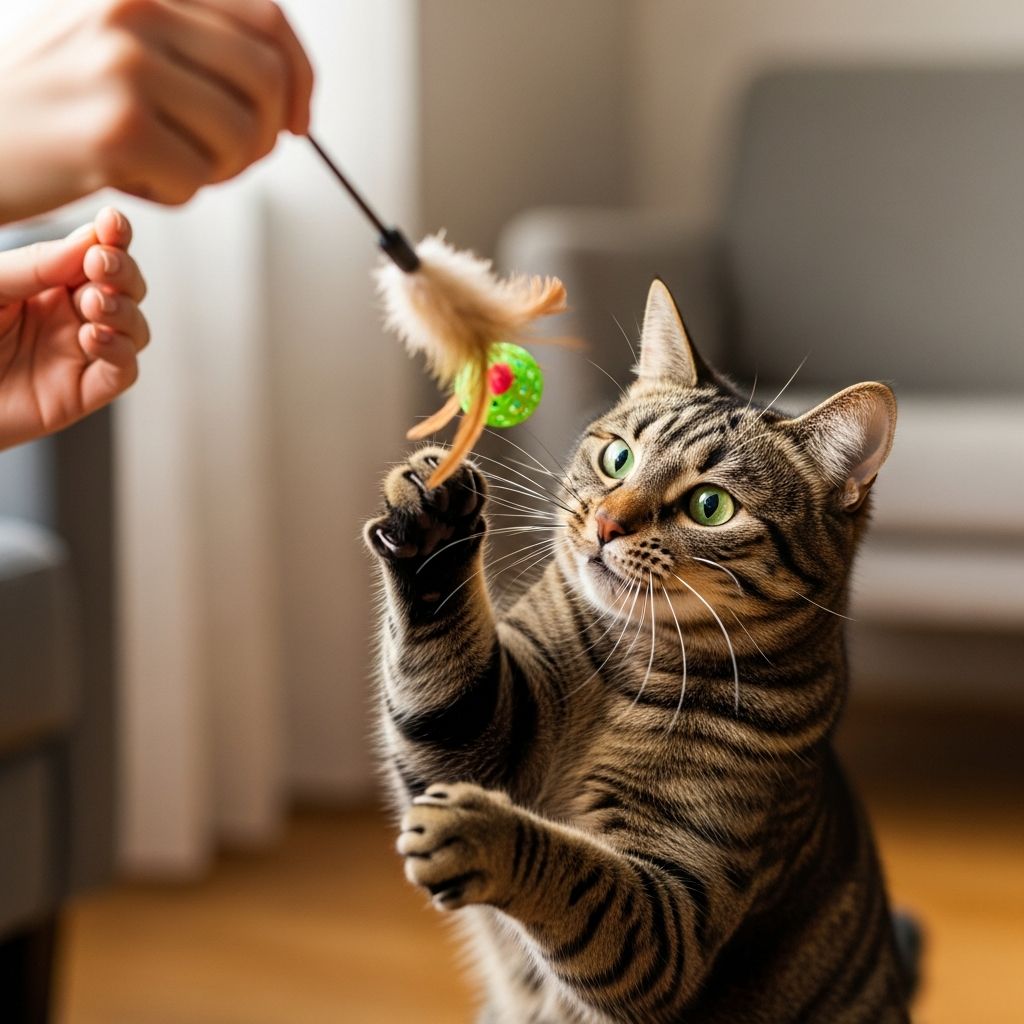
Engaging your cat in regular play is essential for their physical health, mental stimulation, and emotional well-being. Play mimics natural hunting instincts, helping indoor cats stay active and content while fostering a deeper connection with you.
Why Play Matters for Cats
Play serves as a key indicator of a cat’s welfare, promoting higher quality of life and stronger human-cat bonds. Studies show that cats involved in frequent play exhibit fewer signs of distress and better overall behavior. When play is absent, guardians often notice changes like increased attention-seeking or withdrawal, signaling frustration or unease.
Indoor cats, in particular, benefit greatly since they lack outdoor hunting opportunities. Regular sessions prevent boredom, habituation to toys, and related issues like destructive behavior. Research links playful interactions to resilience against stress, making cats happier and healthier.
Understanding Your Cat’s Play Style
Every cat has unique preferences shaped by age, personality, and breed. Kittens crave high-energy chases, while seniors prefer gentle swats. Observe body language: relaxed ears forward, tail up, and fluid movements indicate fun, whereas stiff posture or growling signals overstimulation.
- High-energy cats: Love chasing laser pointers or balls.
- Solo players: Enjoy puzzle feeders or solo wand toys.
- Social cats: Thrive on fetch or collaborative games.
Recognizing these styles ensures enjoyable sessions. Cats fetching spontaneously, often without training, show natural playfulness and prefer leading the game.
Essential Toys for Engaging Play
Variety combats habituation, where cats lose interest in repeated toys. Rotate items weekly to maintain excitement.
| Toy Type | Benefits | Examples |
|---|---|---|
| Wand Toys | Mimics prey movement | Feather teasers, string chasers |
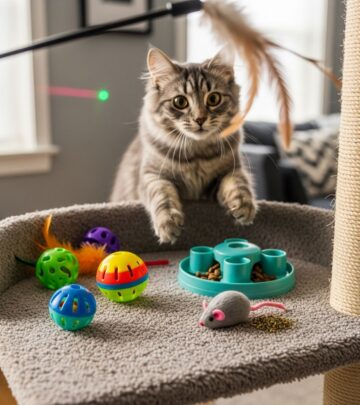
| Balls & Rollers | Encourages chasing | Ping-pong balls, treat-dispensing rollers |
| Puzzle Toys | Stimulates problem-solving | Food puzzles, hide-and-seek boxes |
| Interactive Lasers | High-intensity hunt simulation | Motion-activated pointers |
Incorporate catnip sparingly for extra enthusiasm, but prioritize motion-based toys to tap into predatory drives.
Daily Play Routines That Work
Aim for 15-30 minutes twice daily, ideally before meals to simulate hunt-eat cycles. Start slow with new cats, building to enthusiastic participation.
- Warm-up with gentle strokes or calls.
- Escalate to chasing and pouncing.
- End on a high note when your cat slows, rewarding with treats.
Track sessions: more games and daily time correlate with better relationships. Let cats initiate sometimes—they engage more when in control.
Building a Stronger Bond Through Games
Collaborative play enhances emotional ties. Owners with strong bonds via play seek more vet care, indicating deeper commitment. Guardian playfulness and mutual initiation boost closeness scores.
Try fetch: Cats often retrieve instinctively, playing longer if they start and control rules—like dropping toys midway. This ‘cat-directed’ approach builds trust and predicts future sessions.
Play in Multi-Cat Homes
Inter-cat play provides exercise and socialization but watch for mismatches. Healthy play features reciprocal chasing; one-sided pursuits may turn aggressive.
- Monitor vocalizations: chirps are playful, growls are not.
- Redirect with solo toys if needed.
- Enrich environment with vertical spaces for parallel play.
Parallel play—cats playing nearby without direct interaction—reduces tension while meeting needs.
Addressing Common Play Challenges
Some cats ignore toys due to habituation or low energy. Introduce novelty and observe cues: staring at toys signals interest.
Play aggression mimics hunting but targets humans. Differentiate: playful bites are gentle, inhibited; aggressive ones draw blood. Redirect to toys promptly.
For lethargic cats, consult vets to rule out health issues before intensifying play.
Advanced Play Techniques
Elevate sessions with ‘hunt sequences’: hide toys, stalk together, then pounce. This fulfills full predatory chain—search, chase, catch, kill.
Use technology: apps control laser patterns, or automatic spinners for solo fun. Combine with training: reward fetches with praise.
Outdoor enclosures allow safe ‘real’ prey simulation, ideal for indoor exclusives.
Signs Your Play Sessions Are Successful
Look for enthusiastic pursuit, relaxed post-play grooming, and voluntary returns for more. Fewer stress behaviors like excessive meowing confirm benefits.
- Initiates play frequently.
- Shows varied energy levels.
- Seeks affection post-session.
Frequently Asked Questions
How often should I play with my cat?
Twice daily for 15 minutes minimum, adjusting for age and energy.
What if my cat plays too roughly?
End sessions immediately, redirect to toys, and ignore rough bids.
Can play help with behavioral issues?
Yes, it dissipates energy, reduces frustration, and improves welfare.
Are expensive toys necessary?
No—household items like boxes or strings work if interactive.
How do I encourage a shy cat to play?
Start solo with hidden treats, gradually join in.
Creating an Enriched Play Environment
Beyond sessions, scatter toys, add scratching posts, and window perches for bird-watching. Verticality—cat trees, shelves—expands territory, encouraging natural leaps.
Rotate environments: move furniture for new ‘hunting grounds.’ Scent enrichment with herbs mimics wild scents.
For multi-cat setups, provide ample resources per cat to avoid competition.
Play for Different Life Stages
Kittens: Short, frequent bursts build coordination.
Adults: Focus on stamina with endurance games.
Seniors: Low-impact like gentle wands or rolling balls.
Adapt for health: arthritis cats need floor-level toys; overweight ones benefit from chasers promoting cardio.
Measuring Play’s Impact on Health
Play reduces obesity risks, strengthens muscles, and sharpens cognition. Track weight, activity, and mood quarterly. Stronger bonds lead to proactive health care.
Behavioral wins: less litter avoidance, fewer night zooms.
In summary, consistent, varied play transforms cat ownership. It addresses instincts, prevents issues, and creates joyful routines. Dedicate time daily—your cat’s purrs will thank you.
References
- Cats just want to have fun: Associations between play and welfare in cats — PMC/NCBI. 2024. https://pmc.ncbi.nlm.nih.gov/articles/PMC10936385/
- Play behaviour of cats surprises scientists — Burgess Pet Care. 2023. https://www.burgesspetcare.com/blog/cat/play-behaviour-of-cats-surprises-scientists/
- How To Play With a Cat According to a Cat Behaviorist — Cats.com. 2023. https://cats.com/how-to-play-with-a-cat
- Understanding Cat Play Behavior: Signs of Aggression vs. Healthy Play — Repounce. 2024. https://repounce.com/blogs/news/understanding-cat-play-behavior-signs-of-aggression-vs-healthy-play
- Cat-Cat Play: The Good, the Bad, and the Ugly — IAABC Journal. 2022. https://journal.iaabcfoundation.org/play-the-good-the-bad-and-the-ugly/
- Why You Should Play with Your Cat More — Psychology Today. 2024-02-20. https://www.psychologytoday.com/us/blog/animal-emotions/202402/playful-cats-are-happier-and-healthier-feline-friends
- Play Aggression (Cats) — San Francisco SPCA. 2023. https://www.sfspca.org/resource/play-aggression/
Similar Articles






Read full bio of medha deb