

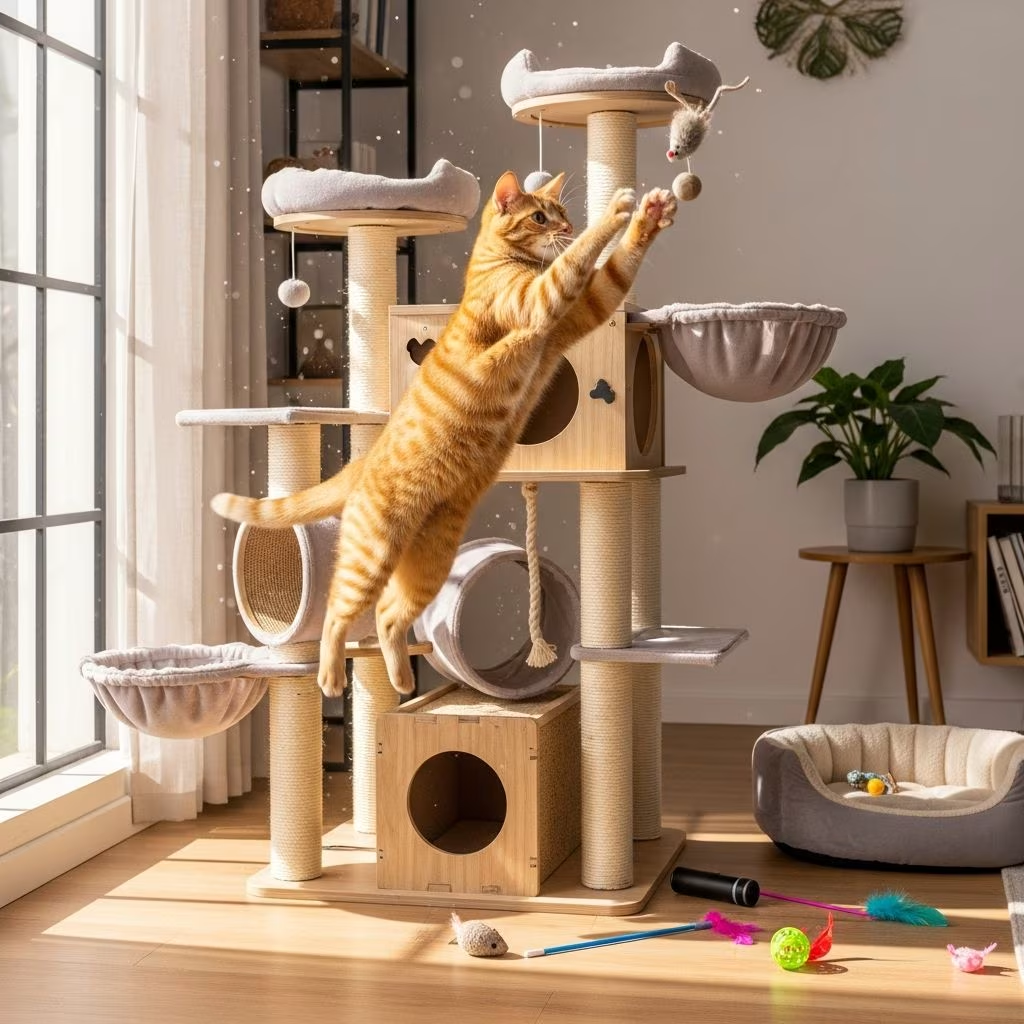
Cats thrive on regular physical activity disguised as play, which supports muscle tone, weight management, and mental acuity. Interactive sessions prevent obesity—affecting around 60% of U.S. cats—and reduce risks of diabetes, arthritis, and heart issues while curbing boredom-related behaviors.
The Essential Role of Play in Feline Wellness
Daily play mimics a cat’s natural hunting behaviors, providing both physical exertion and cognitive challenges. Adult cats require about 30 minutes of activity spread across sessions to maintain optimal health, with kittens needing more and seniors benefiting from gentler routines. This engagement strengthens muscles and bones, improves joint mobility, and promotes cardiovascular health.
Mentally, play alleviates stress, anxiety, and depression by satisfying predatory instincts. Inactive cats often display destructive habits or withdrawal, but consistent interaction keeps them alert and content. For indoor felines, who lack outdoor exploration, structured play is crucial to replicate wild energy bursts.
Tailoring Exercise to Your Cat’s Life Stage
Activity needs evolve with age. Kittens demand 20-30 minutes of vigorous play daily to channel boundless energy, using toys that encourage chasing and pouncing. Adult cats sustain fitness with two 15-20 minute bursts, focusing on variety to sustain interest.
Senior cats benefit from low-impact options to preserve muscle without strain, starting gradually if overweight to protect joints. Overweight cats should begin with short, gentle sessions, consulting a vet before intensifying. Breeds like Bengals or Abyssinians crave extended play due to high energy.
| Life Stage | Daily Exercise Recommendation | Example Activities |
|---|---|---|
| Kittens | 20-30+ minutes | Feather chasers, laser pursuits |
| Adults | 30 minutes (split sessions) | Puzzle toys, wand toys |
| Seniors | 15-20 minutes gentle play | Stretching, slow rolls |
Interactive Toys for Hunting Simulations
Toys that emulate prey spark instinctual responses, making exercise irresistible. Feather wands or fishing pole-style toys dangle enticing targets, prompting leaps and sprints that burn calories effectively. Laser pointers create erratic movements across floors and walls, ideal for short, high-intensity chases.
- Wand Toys: Promote full-body stretches and jumps, toning core muscles.
- Laser Pointers: Encourage rapid directional changes, enhancing agility without physical contact.
- Ball Trackers: Allow solo play, batting balls in circular paths for sustained engagement.
Rotate toys weekly to prevent habituation, ensuring each session feels novel.
DIY Challenges and Home Obstacles
Create custom courses using household items to foster exploration. Cardboard boxes stacked into tunnels or forts invite crawling and climbing, building endurance. Sofa cushions arranged as hurdles simulate natural terrain, prompting balanced navigation.
Puzzle feeders dispense treats after problem-solving, merging mental workouts with movement. Cats paw, nudge, or roll devices to access food, extending activity time. Scratching posts double as strengtheners, flexing claws and back muscles while deterring furniture damage.
- Box mazes for stealthy stalking practice.
- Treat balls that require rolling to release kibble.
- Window perches for bird-watching ‘hunts’.
Training Tricks with Rewards
Teach simple commands like ‘sit’ or ‘high-five’ using clickers and treats, incorporating movement. These sessions enhance obedience while providing light cardio. Hide-and-seek with treats hidden in rooms encourages searching, tapping foraging skills.
Gradual leash training opens safe outdoor walks, exposing cats to new scents and sights for enriched stimulation. Start indoors to build comfort before venturing out.
Multi-Cat Play and Social Dynamics
In households with multiple cats, supervised free play builds social bonds and group energy expenditure. Toys like shared kickers prevent resource guarding. Rotate play partners if tensions arise, ensuring equitable participation.
Monitoring Progress and Health Indicators
Track improvements via weight checks, energy levels, and coat shine. Signs of adequate exercise include lean body condition, enthusiastic participation, and reduced stress behaviors. If lethargy persists, veterinary evaluation rules out underlying issues.
Overexertion indicators: excessive panting, limping, or disinterest. Adjust intensity accordingly, prioritizing fun over duration.
Common Pitfalls and Solutions
- Boredom: Introduce novelty; avoid single-toy reliance.
- Inactivity in Seniors: Opt for passive stimulation like gentle brushing.
- Overweight Challenges: Pair play with vet-approved diet tweaks.
Frequently Asked Questions
How often should I play with my indoor cat?
Aim for 30 minutes daily in 10-15 minute segments to match natural burst patterns.
What if my cat ignores toys?
Enhance appeal by adding catnip or playing during peak hunger times before meals.
Can play help with destructive behavior?
Yes, by redirecting energy from scratching or knocking items.
Is exercise safe for obese cats?
Begin slowly to avoid joint strain; vet consultation recommended.
What toys are best for apartments?
Compact vertical climbers and silent trackers minimize space and noise.
References
- 4 Reasons Why Playing with Your Cat Is Crucial to Their Health — Diamond Pet. 2023. https://www.diamondpet.com/blog/health/exercise/regular-playtime-is-good-for-kitty/
- Understanding The Importance of Exercise for Cats — Blaine Central Veterinary Clinic. 2024. https://blainecentralveterinaryclinic.com/understanding-the-importance-of-exercise-for-cats/
- How Often Should You Play with Your Cat? — American Animal Hospital Association (AAHA). 2023. https://www.aaha.org/resources/how-often-should-you-play-with-your-cat/
- Exercising your Cat — People’s Dispensary for Sick Animals (PDSA). 2024. https://www.pdsa.org.uk/pet-help-and-advice/looking-after-your-pet/kittens-cats/exercise-for-your-cat
- What Are the Benefits of Daily Exercise for Pets? — Wilderness Veterinary Clinic. 2023. https://wildernessvet.com/what-are-the-benefits-of-daily-exercise-for-pets/
- Why Exercise Is so Important for Cats and Dogs — PawSync. 2024. https://pawsync.com/blogs/news/why-exercise-is-so-important-for-cats-and-dogs-and-how-much-they-need-1
- How much exercise does your cat need? — Animal Humane Society. 2023. https://www.animalhumanesociety.org/resource/how-much-exercise-does-your-cat-need



