

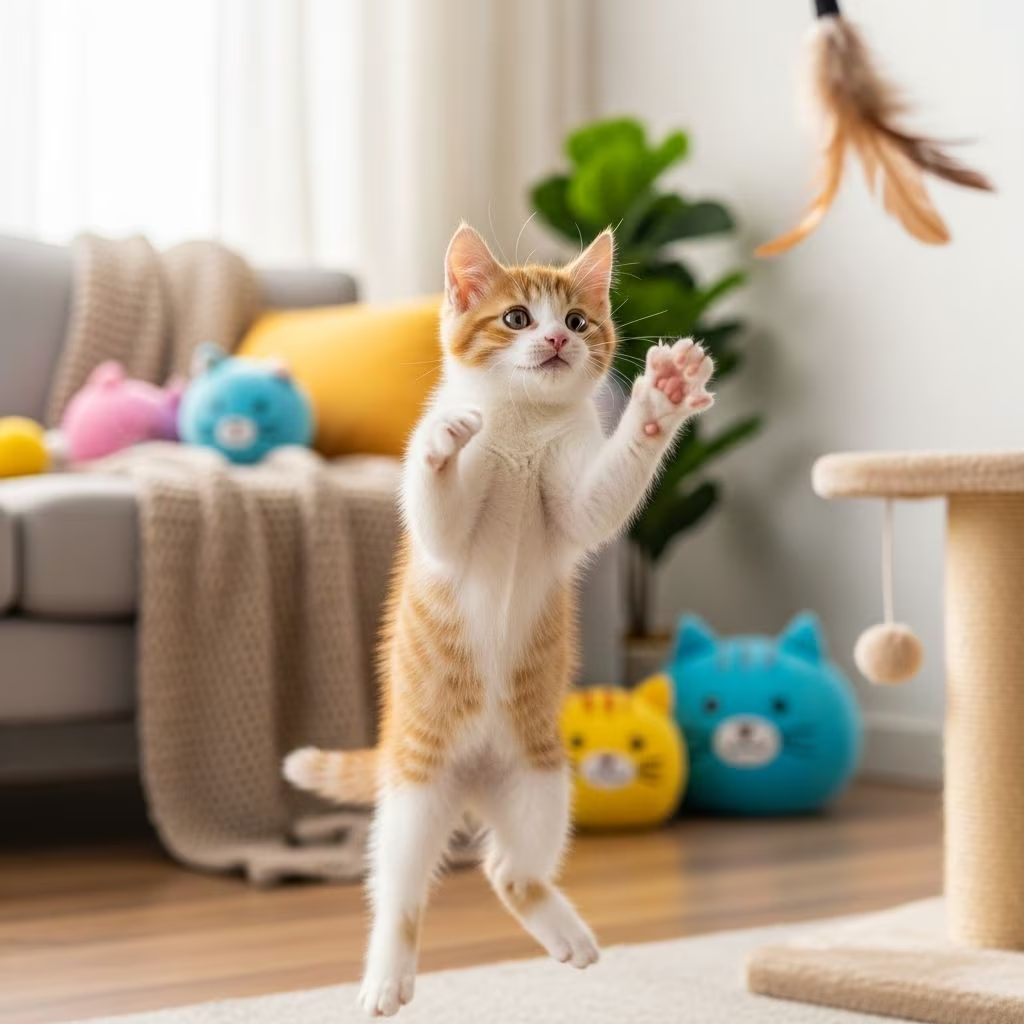
Bringing a kitten into your home fills it with boundless energy and curiosity that demands thoughtful outlets. Regular engagement not only prevents mischief like scratching furniture but also fosters a strong human-feline bond while supporting physical development. Kittens thrive on activities mimicking their natural hunting instincts, combining short bursts of intense play with mental challenges to keep them content.
Establishing a Play Routine for Optimal Health
A consistent schedule ensures your kitten gets sufficient exercise without overwhelming their growing bodies. Aim for a total of 30 minutes daily, split into 10-15 minute sessions to match their attention span and energy peaks. Morning play kickstarts their day, midday sessions coincide with natural activity surges, and evening routines tire them for better sleep.
- Observe your kitten’s cues: High-energy bursts signal prime playtime, while post-meal drowsiness suits gentler interactions.
- Adjust for age: Younger kittens under 12 weeks may need more frequent, shorter plays; older ones handle longer sessions.
- Track progress: Note preferences to refine routines, ensuring balanced activity across days.
Evening play, lasting 10-20 minutes based on daily exertion, helps channel nocturnal tendencies constructively. If your kitten remains restless at night, extend daytime efforts or introduce quiet solo options like soft toys.
Selecting the Perfect Toys for Lasting Interest
Toys tap into a kitten’s predatory drive, but variety prevents habituation. Experiment with textures, sounds, and movements since preferences vary widely—some chase feathers, others bat balls.
| Toy Type | Benefits | Examples |
|---|---|---|
| Interactive Wands | Builds bonding, hones pouncing skills | Feather teasers, string attachments |
| Batting Balls | Solo play, easy retrieval | Ping pong balls, jingle bells |
| Soft Plush | Comfort chewing, stress relief | Catnip mice, fabric toys |
Rotate selections weekly: Store half away and swap to simulate novelty. Supervise stringed items to avoid ingestion risks, and retire damaged toys promptly.
DIY Creations for Budget-Friendly Fun
Household items often outshine store-bought options, sparking creativity without expense. These encourage exploration and problem-solving safely.
- Cardboard Forts: Stack boxes with cutouts for tunnels and hideouts; refresh by rearranging.
- Paper Chasers: Crumple printer paper into loose balls for batting across floors.
- Plastic Ring Fetch: Use milk jug rings for toss-and-retrieve games, monitoring for wear.
- Sock Puppets: Stuff clean socks with catnip for drag-and-ambush play.
After sessions, tidy up to maintain safety and reset excitement for next time. These setups double as nap zones, blending play with rest.
Mental Stimulation Through Puzzle Challenges
Beyond physical exertion, kittens need cognitive workouts to stave off boredom-induced behaviors like excessive meowing. Puzzle feeders transform meals into hunts, slowing intake and engaging wits.
DIY versions abound: Scatter kibble in muffin tins covered by tennis balls, or hide treats in egg carton compartments. Commercial options like treat-dispensing balls roll unpredictably, rewarding persistence.
- Start simple: Roll treats across floors for easy wins.
- Progress to complexity: Layer puzzles requiring paw manipulation.
- Monitor intake: Limit to 10% of daily calories to avoid overfeeding.
Such activities mimic wild foraging, reducing obesity risks and enhancing satisfaction from earned rewards.
Vertical Spaces and Perches for Observation
Kittens adore heights for surveying territories, reducing ground-level stress. Install multi-tier cat trees or wall shelves near windows for bird-watching vigils.
Benefits include expanded living space in small homes, claw maintenance on sisal posts, and serene solo time. Combine with perches over activity hubs for endless entertainment.
Solo Enrichment for Your Absence
While interactive play shines, independent options bridge gaps during work hours. Battery-operated spinners, crinkle tunnels, and door-dangling toys provide motion without you.
- Safe Sounds: Curate playlists of gentle nature tracks or cat-specific tunes to soothe and intrigue.
- Moving Media: Stream bird/fish videos on a dedicated screen, placed scratch-proof.
- Water Features: Fountains entice hydration alongside play, as many prefer flowing sources.
Ensure noise levels suit neighbors and avoid overstimulation leading to frustration.
Interactive Games to Strengthen Bonds
Games simulating hunts deepen trust and communication. Hide-and-seek involves calling from spots with treats; chase involves dragging socks under doors.
- Prepare: Dim lights, select quiet hour.
- Initiate: Dangle toy to draw interest.
- Escalate: Vary speeds, directions for unpredictability.
- End positively: Reward with praise, not food overload.
No-toy variants use laser pointers or flashlight beams, though pair with tangible catches to prevent fixation.
Outdoor-Inspired Safely Indoors
Leash training opens patios or strollers for fresh air without escape risks. Begin indoors: Acclimate to harness over days, rewarding calm.
Alternatives like screened “catios” offer breeze and views, blending safety with stimulation.
Common Pitfalls and Safety Essentials
Avoid roughhousing promoting bites; model gentle interactions. Steer clear of strings unsupervised, small objects swallowable, or ribbons mimicking hazards.
- Assess temperament: Shy kittens need gradual exposure.
- Health check: Consult vets for activity limits post-spay or illness.
- Multi-pet homes: Separate play to prevent jealousy.
Frequently Asked Questions
How much play does a kitten need daily?
Aim for 30 minutes total, in short sessions tailored to energy levels and age.
What if my kitten ignores toys?
Trial different types patiently; some warm up after days. Scent with catnip or your hands.
Can play prevent nighttime zoomies?
Yes, robust evening sessions plus daytime enrichment often induce sleepiness.
Are DIY toys safe?
When supervised and free of small parts, yes. Inspect regularly.
How to introduce puzzles?
Demonstrate first, then let them experiment without pressure.
Long-Term Benefits of Consistent Engagement
Dedicated play curbs destructive habits, supports muscle tone, and reduces anxiety-related issues like litter avoidance. Over months, you’ll notice sharper focus, affectionate demeanor, and robust health. Track via journals to celebrate growth from clumsy pounces to precise stalks.
Integrate family: Assign toy rotations or game leads for shared joy. As kittens mature into cats around 1 year, sustain routines, adapting to subtler interests.
References
- Indoor Cat Enrichment: Toys, Puzzles, and More — Best Friends Animal Society. 2023. https://bestfriends.org/pet-care-resources/best-indoor-cat-enrichment-ideas-toys-puzzles-and-more
- Seven Enrichment Ideas to Keep Your Indoor Cat Entertained — Animal Humane Society. 2022-10-15. https://www.animalhumanesociety.org/resource/seven-enrichment-ideas-keep-your-indoor-cat-entertained
- Kitten Games & Indoor Cat Activities — Bayside Animal Hospital. 2022-11-15. https://bayside-ah.com/2022/11/15/kitten-games-indoor-cat-activities/



