

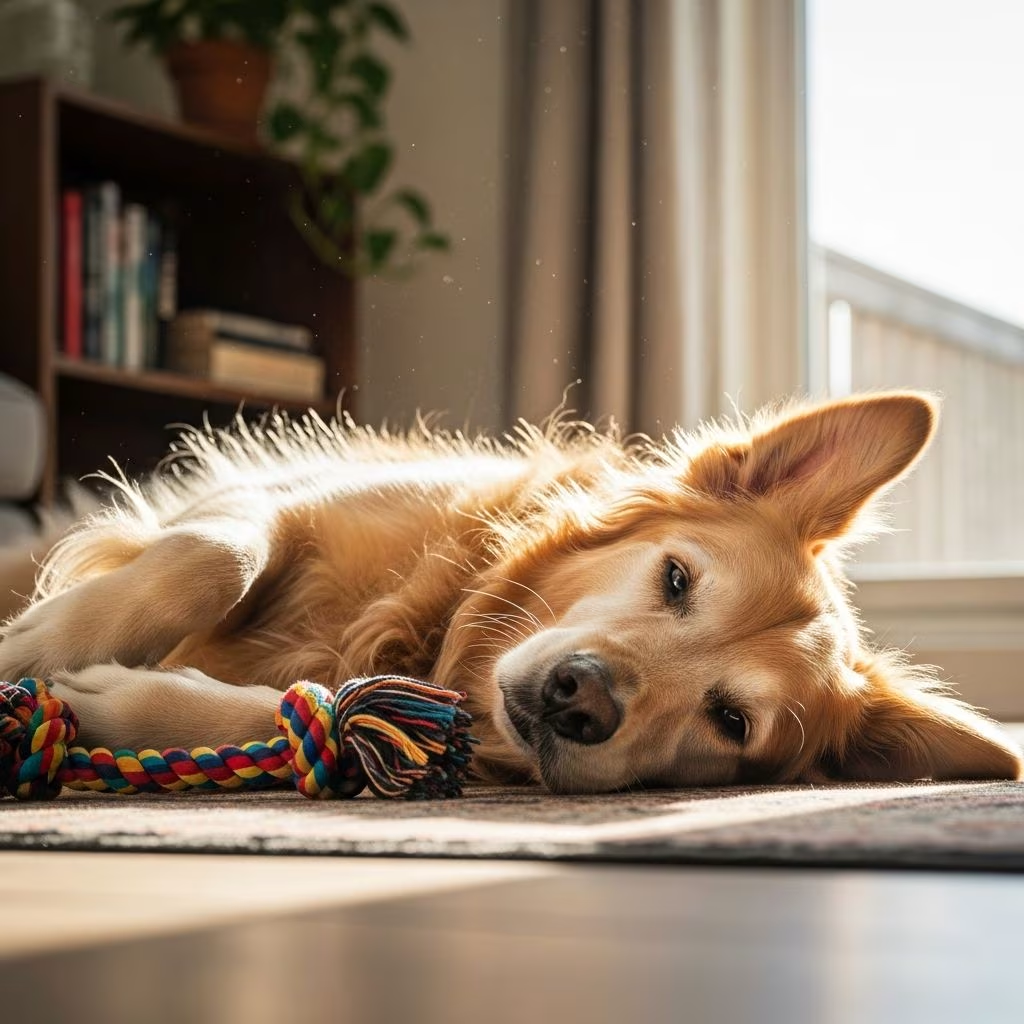
Teaching tricks to senior dogs enriches their lives, sharpens cognitive skills, and strengthens the human-canine bond. Despite common myths, older dogs can master new behaviors with tailored approaches that respect their physical and mental changes.
Why Train Senior Dogs?
Mental engagement prevents boredom and cognitive decline in aging pets. Regular training sessions promote physical activity suited to their abilities, improving joint health and mobility. It also reinforces basic obedience, enhancing safety during walks or at home. Owners report happier, more responsive companions after consistent practice.
Essential Preparation Steps
Before starting, consult a veterinarian to address health concerns like arthritis or vision impairment. Select a quiet, familiar space to minimize distractions. Gather soft treats, favorite toys, and a clicker for precise rewards. Schedule brief daily sessions to align with the dog’s energy peaks, often mornings or evenings.
- Assess physical limits: Avoid high-impact moves if joints are stiff.
- Choose rewards wisely: Opt for smelly, soft bits if teeth are sensitive.
- Build a routine: Consistency aids memory retention.
Mastering Basic Commands First
Foundation skills pave the way for advanced tricks. Begin with familiar cues to build confidence.
Sit and Stay Refresher
Gently lure into a sit with a treat above the nose, then add a hand signal. For stay, step back one pace, rewarding calm posture. Gradually increase distance over days. This duo enhances control in daily scenarios like doorways.
Come When Called
Practice in a secure yard. Use an excited tone and high-value treats upon arrival. Start close, then add distance. Visual cues like clapping help if hearing fades.
Easy Tricks for Mental Boost
Focus on low-effort moves that delight without exhaustion. These engage the brain through problem-solving.
Target Touch
Hold a stick or your finger; reward nose touches. Progress to touching objects on command. Ideal for vision-challenged dogs using scent.
Paw Lift
Say “paw” while tapping the leg lightly. Reward lifts, fading the touch. Great for seated positions, avoiding full stands.
| Trick | Difficulty | Benefits | Adaptations |
|---|---|---|---|
| Target Touch | Easy | Cognitive focus | Use scented targets |
| Paw Lift | Easy | Joint-friendly | Hand signal only |
| Spin | Medium | Balance training | Slow lure circle |
Gentle Spin
Lure a slow circle with treats, rewarding completion. Tighten the circle as proficiency grows. Modifies for stability issues.
Advanced Yet Gentle Challenges
Once basics solidify, introduce layered tricks for variety.
Take a Bow
From stand or sit, lure front legs down with a treat between paws. Pair with a verbal cue. Builds flexibility softly.
Find It Game
Hide treats in easy spots, cue “find it.” Evolves to scent work, vital for olfactory stimulation in seniors.
These tricks take 5-10 minute sessions, 3-5 times weekly. Track progress in a journal to note improvements.
Adapting for Age-Related Changes
Seniors face unique hurdles; customize accordingly.
Handling Reduced Mobility
Use ramps for positioning; teach from elevated beds. Swap jumps for paw targets on walls.
Compensating for Sensory Loss
Hearing decline? Rely on gestures and vibrations. Vision woes? Amplify scents and touches. Dual cues ensure reliability.
- Vision aid: Bright toys, verbal emphasis.
- Hearing aid: Consistent hand shapes.
- Mobility: Mats for grip, short bursts.
Potty and Crate Retraining
Accidents rise with age; retrain patiently.
Potty Routine
Frequent outings post-meals, naps. Praise outdoors immediately. Pads assist indoors during transitions.
Crate Comfort
Introduce gradually: Feed inside, close briefly. Limit to 4-6 hours max, with breaks. Eases nighttime or alone time.
Leash Manners for Safe Walks
Teach loose-leash walking: Reward beside you, stop if pulling. Shorten walks but add sniffing pauses for enrichment.
Incorporating Play and Puzzles
Blend tricks with toys. Scent games mimic hunting; puzzles dispense kibble. Rotate to sustain interest, combating routine fatigue.
Common Pitfalls to Avoid
Rushing leads to frustration; celebrate micro-wins. Inconsistency confuses; unify household cues. Over-tiring causes shutdowns; watch for yawns or lies-downs.
Health and Vet Integration
Monitor for pain signals during sessions. Annual checkups catch issues early. Supplements like glucosamine support joints, per vet advice.
Success Stories and Motivation
Owners share tales of 12-year-olds learning spins, improving recall. Persistence yields responsive, joyful elders.
Frequently Asked Questions
Can all senior dogs learn tricks?
Yes, with adaptations. Health dictates pace; most thrive on positives.
How long until results?
Weeks for basics, months for polish. Daily shorts accelerate.
What if my dog ignores cues?
Up rewards, reduce distractions, revisit foundations.
Is clicker training suitable?
Absolutely; clear marker bridges cue to reward instantly.
Group classes for seniors?
Seek low-impact ones; private suits shy or slow learners.
References
- 10 Senior Dog Training Tips — Black Paw Dog Training. 2023-05-15. https://blackpawdogtraining.com/senior-dog-training/
- A Complete Guide to Training an Older Dog — Woofz. 2024-02-10. https://www.woofz.com/blog/training-an-older-dog/
- How Senior Dogs Learn Differently: Training Strategies — The Training of Dogs. 2023-11-20. https://www.thetrainingofdogs.com/post/senior-dogs-training-strategies
- Obedience Training for Older Dogs — Purina US. 2024-08-05. https://www.purina.com/articles/dog/behavior/training/older-dog-obedience-training
- The Importance of Training Your Senior Dog — American Kennel Club. 2023-01-12. https://www.akc.org/expert-advice/health/training-your-senior-dog/



