

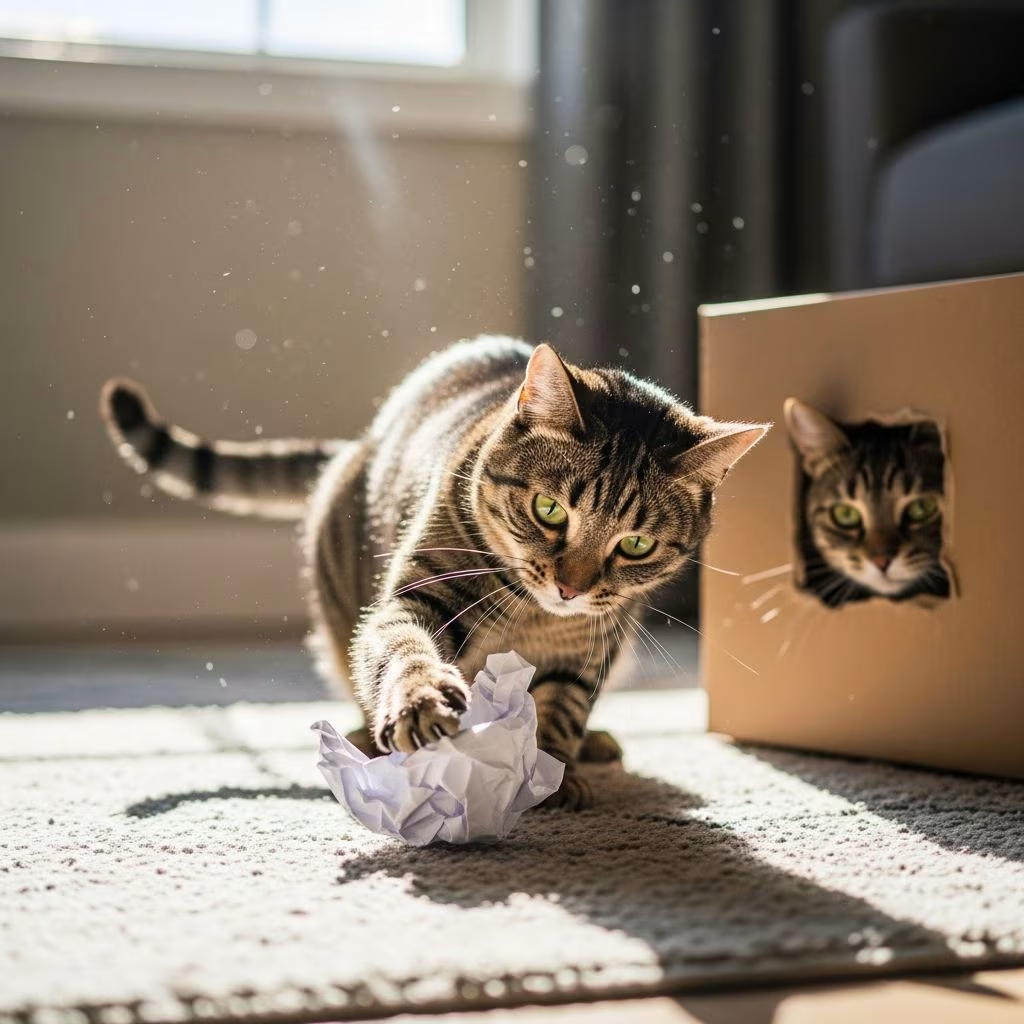
Cats thrive on stimulation that taps into their natural predatory behaviors, and you don’t need store-bought toys to provide it. Everyday household elements can transform into exciting play opportunities, fostering physical activity, mental sharpness, and deeper companionship. This guide offers practical, original strategies to keep your feline friend entertained without spending a dime.
Understanding Your Cat’s Play Needs
Domestic cats retain wild instincts, craving pursuits that mimic stalking, pouncing, and capturing prey. Regular interaction prevents obesity, reduces stress, and curbs destructive habits like scratching furniture. Aim for 15-20 minute sessions twice daily, ideally during dawn and dusk when cats are most active. Observe body language—dilated pupils, twitching tail, and crouched posture signal play readiness. Always end sessions positively to avoid frustration.
Body Movement Games to Spark Instincts
Your own motions can become the ultimate lure. Dangle fingers just out of reach, wiggling them erratically to simulate fleeing insects or rodents. Alternate speeds: slow creeps build tension, sudden darts provoke leaps. Progress to foot wiggles under blankets, creating mysterious bulges for investigation. This hands-on approach builds trust but use caution to prevent scratches—keep interactions claw-free.
- Finger Chase: Trail fingers across floors or behind furniture, encouraging pursuit.
- Blanket Burrow: Tunnel hands beneath throws, popping out unpredictably.
- Shadow Dance: Cast hand shadows on walls with a lamp, mimicking elusive prey.
Household Items as Instant Playthings
Repurpose common objects to ignite curiosity. Crumple printer paper into tight balls for batting across rooms— the rustle mimics dry leaves hiding critters. Aluminum foil spheres offer unpredictable bounces on slick surfaces. Empty paper towel cores roll enticingly, inviting bats and chases. Supervise to ensure safe ingestion avoidance.
| Item | Play Style | Benefits |
|---|---|---|
| Crumpled Paper | Batting, Fetch | Noise stimulation, easy retrieval |
| Foil Ball | Bouncing Chase | Unpredictable motion |
| Cardboard Tube | Rolling Hunt | Durable, chew-resistant |
Box Forts and Exploration Zones
Cardboard boxes are feline magnets, offering hideouts and ambush points. Stack varied sizes into multi-level mazes, cutting irregular holes for peeking and pouncing. Orient some upright for lounging, others sideways for tunnels. Scatter kibble inside to reward navigation. Elevate stacks on chairs for vertical challenges, enhancing agility. Paper bags (handles removed) provide crinkly alternatives, perfect for surprise jumps.
Classic Games Adapted for Felines
Childhood favorites translate seamlessly. For hide-and-seek, duck behind doors trailing a sock toe as bait—your cat’s superior senses will track you. Tag involves gentle chases: dash away, allow a catch-up pounce, then reciprocate with soft pats. Fetch works with lightweight tosses of corks or pom-poms; many cats retrieve instinctively. These build endurance and reinforce social bonds.
Sensory Surprises with Bubbles and Lights
Blow soap bubbles (diluted dish soap solution) for mid-air pursuits—cats leap at drifting orbs, engaging sight and reflexes. Safe, pet-formulated solutions prevent eye irritation. Flashlight beams create wall-dancing spots, but always conclude with a tangible ‘catch’ like a soft toy to satisfy completion urges. These visual spectacles suit multi-cat households for group play.
Mental Challenges Using Food Puzzles
Intelligence thrives on problem-solving. Fashion treat dispensers from toilet paper rolls: seal ends, slit a center hole, insert kibble. Cats bat vigorously until rewards tumble out. Muffin tins with ping-pong balls over treats demand nosing or pawing. These slow eating, combat boredom, and provide solo enrichment when you’re away. Praise successes to encourage repetition.
Obstacle Courses from Home Furnishings
Engineer adventure paths with chairs, cushions, and laundry baskets. Drape sheets into tents, line up stools for jumps. Guide with voice commands or treat trails. This promotes muscle tone, coordination, and confidence, ideal for active breeds. Dismantle post-play to maintain household order.
Window Perches and Bird-Watching Parties
Install suction shelves for prime outdoor views, turning observation into interactive commentary. Mimic bird calls or point excitedly to draw attention. Combine with feather dusters for dual stimulation. This low-energy option suits seniors or rainy days, satisfying territorial instincts.
Tailoring Play for Special Cats
Energetic Kittens
High-octane pursuits like rapid finger dashes or box scrambles match boundless energy. Multiple short bursts prevent exhaustion.
Senior Cats
Gentle wiggles, puzzle treats, and elevated perches accommodate joint issues, prioritizing mental over physical demands.
Shy or Rescued Cats
Start distant: place crumpled balls nearby, gradually introduce hand shadows. Provide escape routes like boxes. Patience yields trust.
Training Tricks for Deeper Connection
Clicker methods teach sits or target touches using treats—no toys required. Wave a pen as target, click on contact, reward. This mental workout boosts focus and mutual understanding. Sessions of 5 minutes yield quick results.
Daily Routines for Lasting Engagement
Rotate activities weekly to sustain novelty. Track preferences in a journal. Integrate play into chores: chase socks during tidying. Consistency yields fitter, happier cats less prone to mischief.
Frequently Asked Questions
How often should I play with my cat?
Two 15-minute sessions daily align with natural activity peaks.
What if my cat ignores play invitations?
Use enticing scents like catnip on items; observe peak energy times.
Can these games prevent scratching behavior?
Yes, by redirecting instincts from furniture to appropriate outlets.
Are bubbles safe for cats?
Use non-toxic solutions; rinse paws post-play to avoid ingestion.
How to play safely without scratches?
Avoid bare hands; employ objects as intermediaries.
Long-Term Benefits of Toy-Free Play
Consistent engagement trims waistlines, sharpens cognition, and fortifies bonds. Indoor cats gain outdoor-like fulfillment, reducing vet visits for obesity-related issues. Owners report calmer homes and affectionate pets. Experiment boldly—your creativity unlocks your cat’s wild side.
References
- How to Play with Cats: Fun Cat Activities — ARM & HAMMER. 2023. https://www.armandhammer.com/en/articles/fun-ways-to-play-with-your-cat
- How to Play with a Cat: 11 Fun Ways to Keep Your Kitty Entertained — Basepaws. 2024. https://basepaws.com/blog/how-to-play-with-a-cat-11-fun-ways-to-keep-your-kitty-entertained
- 13 Tips for Keeping Your Cat Exercised and Mentally Stimulated — PetMD. 2024-01-15. https://www.petmd.com/cat/general-health/tips-for-keeping-your-cat-exercised-and-mentally-stimulated
- Seven Enrichment Ideas to Keep Your Indoor Cat Entertained — Animal Humane Society. 2023. https://www.animalhumanesociety.org/resource/seven-enrichment-ideas-keep-your-indoor-cat-entertained



