Fun Things to Do With Your Dog: Activities & Games
Discover engaging activities and games to keep your dog happy, healthy, and entertained every day.
Fun Things to Do With Your Dog: Keep Your Canine Companion Happy and Engaged
Dogs are naturally curious, energetic creatures that thrive on mental stimulation and physical activity. Providing your dog with engaging activities and games goes far beyond simple entertainment—it strengthens the bond between you and your pet while promoting their physical health, emotional well-being, and behavioral development. Whether you have a high-energy breed that requires constant stimulation or a more laid-back companion, there are countless ways to keep your dog happy, healthy, and entertained throughout the day.
The right activities can prevent destructive behaviors, reduce anxiety, and contribute to a well-adjusted, content dog. In this comprehensive guide, we’ll explore various fun things to do with your dog that cater to different personalities, energy levels, and preferences.
Interactive Toys and Puzzle Games
Interactive toys are essential tools for canine enrichment, offering both physical engagement and mental challenges. Modern dog toys come in various forms, each designed to stimulate different aspects of your dog’s intelligence and instincts.
Puzzle feeders and treat-dispensing toys are particularly valuable for dogs that enjoy problem-solving. These toys require your dog to manipulate, roll, or manipulate the toy to release hidden treats, turning mealtime into an engaging game. Kong toys, snuffle mats, and interactive feeders can keep your dog occupied for hours while satisfying their natural foraging instincts.
Rope toys and tug toys are excellent for interactive play sessions between you and your dog. Tug-of-war games build trust, strengthen your relationship, and provide an outlet for your dog’s natural pulling instincts. Always ensure supervision during tug play and use appropriate toys designed for this activity.
Rotating toy selection helps maintain interest and prevents boredom. Rather than leaving all toys accessible simultaneously, rotate them weekly to keep the novelty factor alive. A toy that seemed uninteresting last week may be irresistible this week when it reappears.
Hide-and-Seek and Scent Games
Dogs possess an incredible sense of smell—up to 10,000 times more sensitive than humans—making scent-based games an ideal form of enrichment. These activities tap into your dog’s natural hunting and foraging instincts while providing rewarding mental exercise.
Classic hide-and-seek is simple yet highly engaging. Hide treats around your home or yard and encourage your dog to find them. Begin with easy hiding spots where treats are partially visible, then gradually increase the difficulty as your dog becomes more proficient. You can also hide toys or even hide yourself and reward your dog for finding you.
Scent trails create an engaging tracking experience. Lay a trail of treats or a favorite toy across your yard or a safe outdoor space, allowing your dog to follow their nose from start to finish. This activity provides significant mental stimulation while encouraging natural tracking behaviors.
Scent boxes and sniff games involve placing treats inside boxes filled with crumpled paper or blankets. Your dog must dig and investigate to uncover the hidden rewards. This activity satisfies digging instincts while providing rewarding mental engagement.
Outdoor Adventures and Exploration
Getting your dog outside into new environments provides invaluable enrichment opportunities. Novel sights, sounds, and smells stimulate your dog’s senses and create positive experiences that contribute to confidence and adaptability.
Hiking and trail walking offer more stimulating alternatives to routine neighborhood walks. Different terrain, elevation changes, and novel scents provide comprehensive physical and mental exercise. Start with shorter trails appropriate for your dog’s fitness level and gradually increase distance and difficulty.
Beach or park outings expose your dog to new environments with unique sensory experiences. The sound of waves, different ground textures, and varied wildlife create memorable experiences that keep your dog engaged and entertained.
Car rides and road trips expand your dog’s world and provide sensory stimulation through new sights and sounds. Many dogs enjoy the experience of traveling to new locations, and short car rides can become a rewarding activity when paired with positive experiences at the destination.
Training and Mental Challenges
Training isn’t just about teaching obedience—it’s a form of enrichment that provides mental stimulation while strengthening your relationship with your dog. Dogs enjoy having jobs and learning new skills.
Obedience training classes provide structured learning environments where dogs can acquire new skills like sit, stay, heel, and recall. Classes also offer socialization opportunities with other dogs and handlers, contributing to your dog’s overall development.
Trick training transforms learning into an entertaining game. Teaching your dog to spin, play dead, shake hands, or perform other tricks provides mental stimulation and creates impressive party tricks that showcase your dog’s intelligence.
Agility exercises challenge your dog physically and mentally while building confidence. Obstacles like jumps, weaves, and tunnels require your dog to navigate their body through space while following your guidance. You can create DIY agility courses using household items like PVC pipes, cardboard boxes, or garden furniture.
Canine sports like dock diving, flyball, and nose work provide structured competitions where dogs can excel while receiving comprehensive physical and mental exercise.
Social Interaction and Group Play
Many dogs thrive on social interaction with other dogs and people. Providing opportunities for safe, supervised socialization contributes significantly to your dog’s happiness and behavioral development.
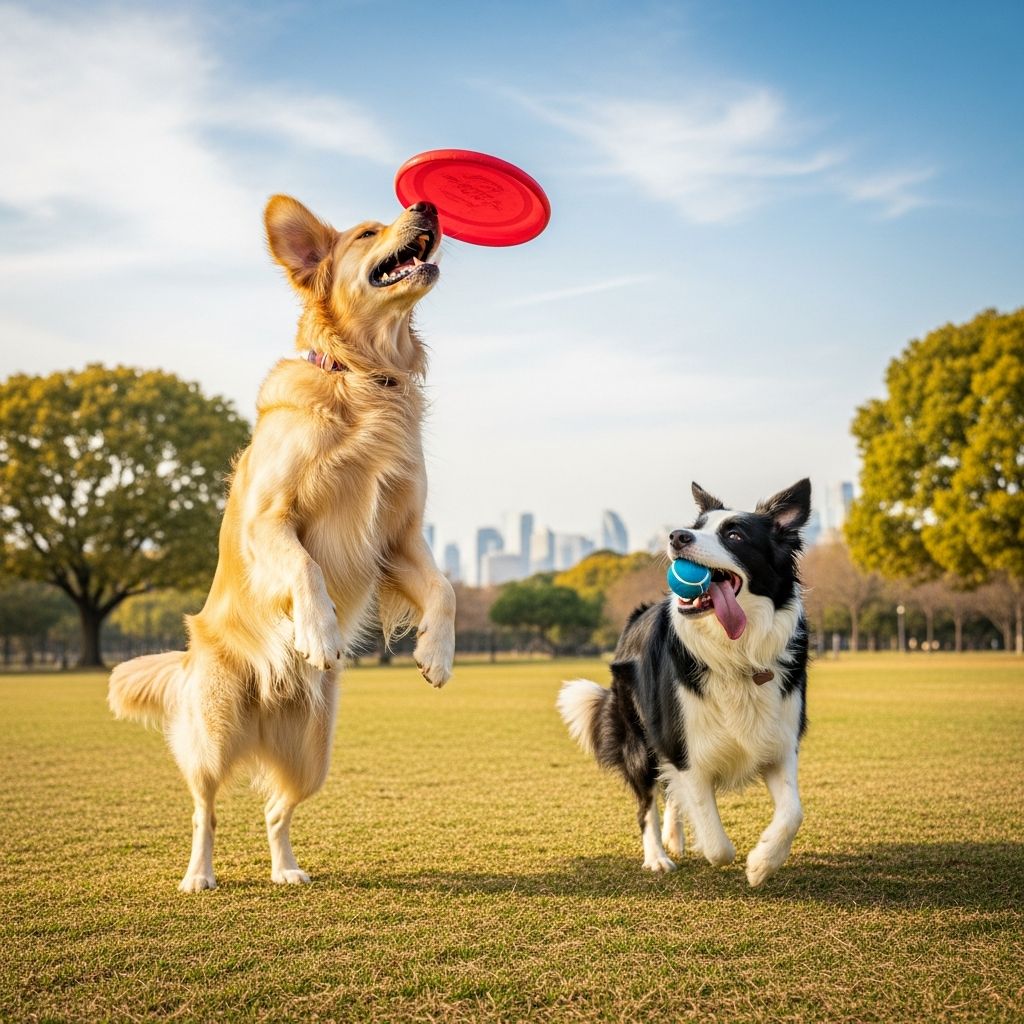
Dog park visits allow your dog to interact with other dogs in a designated safe space. These environments provide unrestricted play opportunities and social learning. Monitor interactions carefully and ensure all dogs play safely and enjoyably.
Playdates with familiar dogs provide controlled socialization opportunities. Arrange regular play sessions with compatible dogs, allowing your dog to develop friendships and practice social skills in a supervised setting.
Group training classes combine socialization with structured learning. Your dog interacts with other dogs while acquiring new skills, providing dual benefits of training and socialization.
Community events like dog-friendly concerts, outdoor markets, and festivals expose your dog to crowds, new people, and varied environments in a positive context.
Water-Based Activities
For dogs that enjoy water, aquatic activities provide excellent physical exercise and mental stimulation while offering relief on hot days.
Swimming is one of the most effective full-body exercises for dogs, particularly beneficial for older dogs or those with joint issues. Swimming builds muscle, improves cardiovascular health, and provides low-impact exercise that’s gentle on joints.
Dock diving and water retrieves combine water play with retrieving games. Your dog jumps from a dock into water to retrieve toys, satisfying both water-play instincts and retrieving drives.
Splash pad play offers a fun cooling alternative for dogs that prefer shallow water. Splash pads and kiddie pools provide refreshing water play without requiring deep-water swimming skills.
DIY Enrichment Projects
Creating homemade enrichment activities allows you to customize experiences for your specific dog while maintaining an economical approach to entertainment.
Frozen treat toys are simple to make and provide hours of occupation. Freeze toys in a bucket of water or fill ice-cube trays with dog-safe broth, creating refreshing treats that require effort to extract.
Toilet paper roll toys can be stuffed with treats and crumpled to create inexpensive puzzle toys. Always supervise to ensure your dog doesn’t consume excessive paper.
Cardboard box exploration lets your dog tear and investigate cardboard boxes (ensuring they’re non-toxic and free of harmful materials). This activity satisfies destructive impulses in a controlled manner.
Blanket fort dens create cozy spaces where your dog can retreat and relax. Dogs naturally appreciate enclosed spaces that feel secure and comfortable.
Seasonal Activities and Holiday Fun
Adapting activities to seasons keeps your dog’s enrichment fresh and appropriate for weather conditions.
Winter activities include snow play, sledding (for strong breeds), and winter hiking. Snow provides a novel surface and temperature sensation that dogs find stimulating.
Spring explorations feature new scents, emerging wildlife, and blooming plants that create engaging sensory experiences during outdoor play.
Summer water activities capitalize on warm weather to introduce swimming, water retrieving, and splash play.
Fall adventures offer leaf pile digging, exploring crunchy textures, and enjoying crisp outdoor temperatures perfect for hiking.
Creating a Balanced Activity Schedule
Effective dog enrichment requires balancing different activity types throughout the week. A well-rounded enrichment program should include physical exercise, mental stimulation, social interaction, and relaxation periods.
Daily routine should incorporate multiple activity types. A typical day might include a morning walk, midday puzzle play, afternoon training session, evening park visit, and quiet relaxation time before bed.
Age-appropriate activities ensure your dog enjoys appropriate challenges. Puppies need shorter sessions with frequent breaks, adults thrive on more demanding activities, and seniors require lower-impact options that respect joint and cardiovascular limitations.
Individual preferences matter significantly. Some dogs love water while others prefer dry-land activities. Some enjoy intense play groups while others prefer one-on-one interaction. Observe your dog’s genuine preferences rather than forcing participation in activities they dislike.
Frequently Asked Questions (FAQs)
Q: How much daily exercise does my dog need?
A: Exercise requirements vary by age, breed, and health status. Most adult dogs benefit from 30 minutes to 2 hours of daily exercise. High-energy breeds may need more, while senior dogs need less intensive activity. Consult your veterinarian for personalized recommendations.
Q: Can all dogs participate in group play sessions?
A: Not all dogs enjoy group play. Some dogs are reactive, fearful, or have aggressive tendencies that make group play inappropriate. Consult a professional dog trainer to assess whether your dog is suitable for group play situations.
Q: What should I do if my dog doesn’t seem interested in toys?
A: Try different toy types, textures, and sizes to find what engages your dog. Some dogs prefer interactive play with their owners rather than solo toy play. Consider puzzle feeders with high-value treats or consult a professional behaviorist if disinterest in all activities concerns you.
Q: How can I prevent my dog from getting bored with the same activities?
A: Rotate activities, toys, and locations regularly. Vary the difficulty level of puzzle games. Try new parks, trails, and experiences. Introduce novel games and activities periodically. The key is maintaining novelty while respecting your dog’s preferences.
Q: Are there activities suitable for dogs with mobility issues?
A: Yes. Swimming and hydrotherapy offer low-impact exercise. Indoor puzzle games, scent work, and training provide mental stimulation without physical demands. Consult your veterinarian for activity recommendations specific to your dog’s condition.
Q: Can enrichment activities help with behavioral problems?
A: Absolutely. Many behavioral issues stem from boredom and pent-up energy. Enrichment activities can redirect energy, reduce anxiety, and prevent destructive behaviors. However, serious behavioral problems may require professional training intervention.
Q: What’s the difference between exercise and enrichment?
A: Exercise focuses on physical activity and burning energy. Enrichment encompasses mental stimulation, sensory experiences, and activities that engage your dog’s natural instincts. Both are essential for complete well-being.
References
- Enrichment for Dogs in Shelters — Best Friends Animal Society. https://bestfriends.org/pet-care-resources/enrichment-dogs-shelters
- Canine Care and Enrichment Playbook — Best Friends Animal Society. https://bestfriends.org/network/resources-tools/canine-care-and-enrichment
- Dog enrichment equals happiness — Best Friends Animal Society. https://bestfriends.org/stories/features/dog-enrichment-equals-happiness
- Free Pet Care Resources — Best Friends Animal Society. https://bestfriends.org/pet-care-resources
Similar Articles






Read full bio of Sneha Tete