

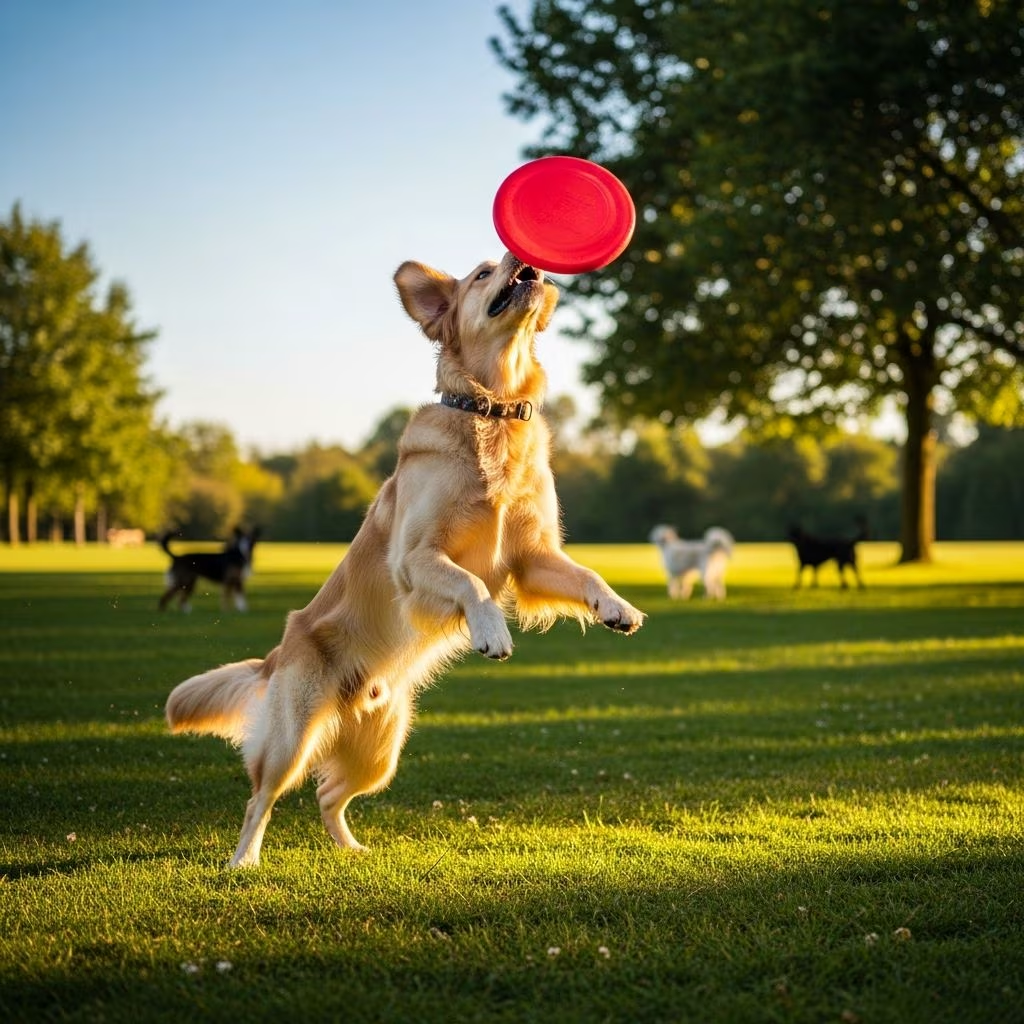
Playing games with your dog goes beyond simple entertainment; it delivers essential physical exercise, sharpens cognitive abilities, and fosters a deeper emotional connection. Regular interactive sessions help prevent boredom-induced issues like excessive barking or destructive chewing while supporting overall wellness.
Why Play Matters for Your Dog’s Well-Being
Dogs thrive on activity that mimics their natural instincts, such as chasing, foraging, and wrestling. These pursuits keep their bodies fit, minds engaged, and spirits high. According to experts, play reduces stress by providing an emotional outlet, particularly for dogs facing separation anxiety or environmental changes. It also builds impulse control through structured sequences in games, translating to calmer behavior in everyday scenarios.
Physically, games promote muscle tone, cardiovascular health, and joint lubrication, lowering obesity risks and enhancing coordination. Mentally, problem-solving activities like puzzle toys strengthen memory and communication skills, potentially warding off cognitive decline in older dogs. Socially, play teaches boundaries and communication, boosting confidence in interactions with humans and other animals.
Essential Benefits of Daily Dog Playtime
- Physical Fitness: Activities involving running, jumping, and tugging build strength and prevent injuries by engaging varied muscle groups.
- Mental Enrichment: Nose work and treat hunts stimulate brain cells, curbing hyperactivity and promoting focus.
- Emotional Balance: Play relieves anxiety, teaches self-regulation, and creates positive associations with training commands.
- Social Skills: Group play helps dogs read body language, manage excitement, and resolve conflicts peacefully.
- Bonding Boost: Shared fun releases oxytocin, deepening trust and improving obedience through positive reinforcement.
Indoor Games for Rainy Days or Small Spaces
When weather limits outdoor time, indoor options keep energy levels in check without needing much room. These games emphasize mental challenges and gentle movement, ideal for apartments or senior dogs.
Muffin Tin Foraging Challenge
Fill a muffin tin with tennis balls and hide treats or kibble in some cups. Your dog sniffs out the goodies, nudging balls aside. This taps into scavenging instincts, providing 10-15 minutes of focused sniffing that tires the mind more than the body. Start simple with fewer balls, progressing to full coverage for advanced puzzlers.
Tug with Rules
Use a sturdy rope toy for controlled tugging sessions. Teach “take it” to grab, “drop it” to release, and “sit” for pauses. Limit to 5-minute bursts to avoid overstimulation. This builds jaw strength, reinforces commands, and satisfies pulling urges safely.
Shell Game Surprise
Place three cups upside down, hide a treat under one, and shuffle while your dog watches. Cue “find it” to search. Enhances memory and patience; vary speeds for difficulty. Great for short noses like Pugs.
| Game | Space Needed | Best For | Duration |
|---|---|---|---|
| Muffin Tin Foraging | Small | Mental focus | 10-15 min |
| Tug with Rules | Medium | Impulse control | 5 min bursts |
| Shell Game | Minimal | Memory building | 5-10 min |
Outdoor Adventures to Burn High Energy
For active breeds like Border Collies or Labs, outdoor games channel zoomies into productive fun. These require yards or parks but yield big fitness gains.
Flirt Pole Frenzy
Attach a lure to a pole on a line; tease your dog into chases, jumps, and stops on cue. Mimics prey drive without exhaustion. Builds reflexes and obedience; supervise to prevent tangles. Sessions of 10 minutes suffice for high-drive dogs.
DIY Agility Course
Set up hurdles from broomsticks, tunnels from boxes, and weave poles from bottles. Guide with treats, timing runs for speed. Improves coordination, confidence, and heel work. Scale for puppies with lower obstacles.
Long-Distance Fetch Relay
Throw progressively farther, incorporating sits and recalls mid-game. Use varied toys to maintain interest. Excellent for endurance; alternate with water breaks.
Rotate games weekly to prevent boredom and target different skills, ensuring balanced development.
Games Tailored to Your Dog’s Life Stage
Puppy Play for Growing Bodies
Puppies need short, frequent sessions to develop coordination without joint strain. Focus on gentle socialization games like parallel play with calm adults, teaching bite inhibition naturally. Puzzle beginners and short fetches build focus amid teething energy.
Adult Dog Challenges for Peak Performance
Mature dogs benefit from intense mixes: tug for strength, scent trails for smarts. Incorporate tricks like spinning or backing up during play to layer training.
Senior Games for Gentle Stimulation
Low-impact options like bubble chasing or slow-roll ball games maintain mobility. Mental puzzles combat decline; hand-targeting preserves interaction without strain.
Solo Play Options for Independent Fun
Teach self-entertainment with durable toys for when you’re busy. Frozen Kongs stuffed with yogurt, snuffle mats with hidden meals, or rotating chew sets encourage patience and foraging. Gradually increase alone time to foster calm independence, reducing separation issues.
Group Play and Dog Park Strategies
Supervised dog-to-dog romps teach social cues like play bows and yielding. Monitor for balanced wrestling; intervene in one-sided chases. Start with playdates for shy pups to build resilience. Human-led group walks with toy shares enhance pack dynamics.
Safety Tips for Play Sessions
- Supervise to avoid ingestion of small parts or rough play injuries.
- Hydrate frequently, especially outdoors.
- Match intensity to fitness level; stop if panting excessively.
- Use quality toys to prevent choking.
- End on a high note with calm cuddles for positive closure.
Building a Weekly Play Routine
Aim for 20-60 minutes daily, split into morning mental, midday physical, evening wind-down. Track progress in a journal: note energy drops or new skills. Adjust for breed—herders need complexity, hounds speed. Consistency yields calmer, happier dogs.
Frequently Asked Questions
How often should I play with my dog?
Daily sessions of 15-30 minutes, plus walks, suit most; high-energy breeds may need more.
Can play help with my dog’s bad habits?
Yes, by redirecting energy and reinforcing rules, reducing chewing or jumping.
What if my dog doesn’t fetch?
Try tug or nose games first to build interest before classics.
Is play safe for older dogs?
Absolutely—opt for low-impact to support joints and cognition.
How do I introduce new games?
Start slow with treats and praise, building duration gradually.
References
- Unleashing Joy: The Importance of Play — Karen Pryor Academy. Accessed 2026. https://karenpryoracademy.com/the-importance-of-play/
- The Role of Play in Dog Development and Behavior — Dog Owners Academy. Accessed 2026. https://www.dogownersacademy.com/the-role-of-play-in-dog-development-and-behavior/
- The Serious Benefits of Play — PEDIGREE. Accessed 2026. https://www.pedigree.com/dog-care-articles/serious-benefits-play
- The Power of Play: How Playing Can Improve Your Puppy’s Mental and Physical Health — Halo Collar. Accessed 2026. https://www.halocollar.com/blog/dog-health/the-power-of-play-how-playing-can-improve-your-puppys-mental-and-physical-health/
- The Power of Play: Why Dog-to-Dog Interaction is Essential — Dog Speak 101. Accessed 2026. https://dogspeak101.com/the-power-of-play-why-dog-to-dog-interaction-is-essential/
- Top Five Benefits of Playing With Your Dog — Playful Pack. Accessed 2026. https://playfulpack.com/news-and-blog/top-five-benefits-of-playing-with-your-dog
- The Science of Interactive Play Experiences: Pet Health Benefits — Tipp to Tail. Accessed 2026. https://tipptotail.com/interactive-play-experiences-benefits/



