Fun Dog Enrichment Ideas for Happy Pups
Discover creative, easy-to-implement dog enrichment activities to boost mental stimulation, reduce boredom, and strengthen your bond with your furry friend.
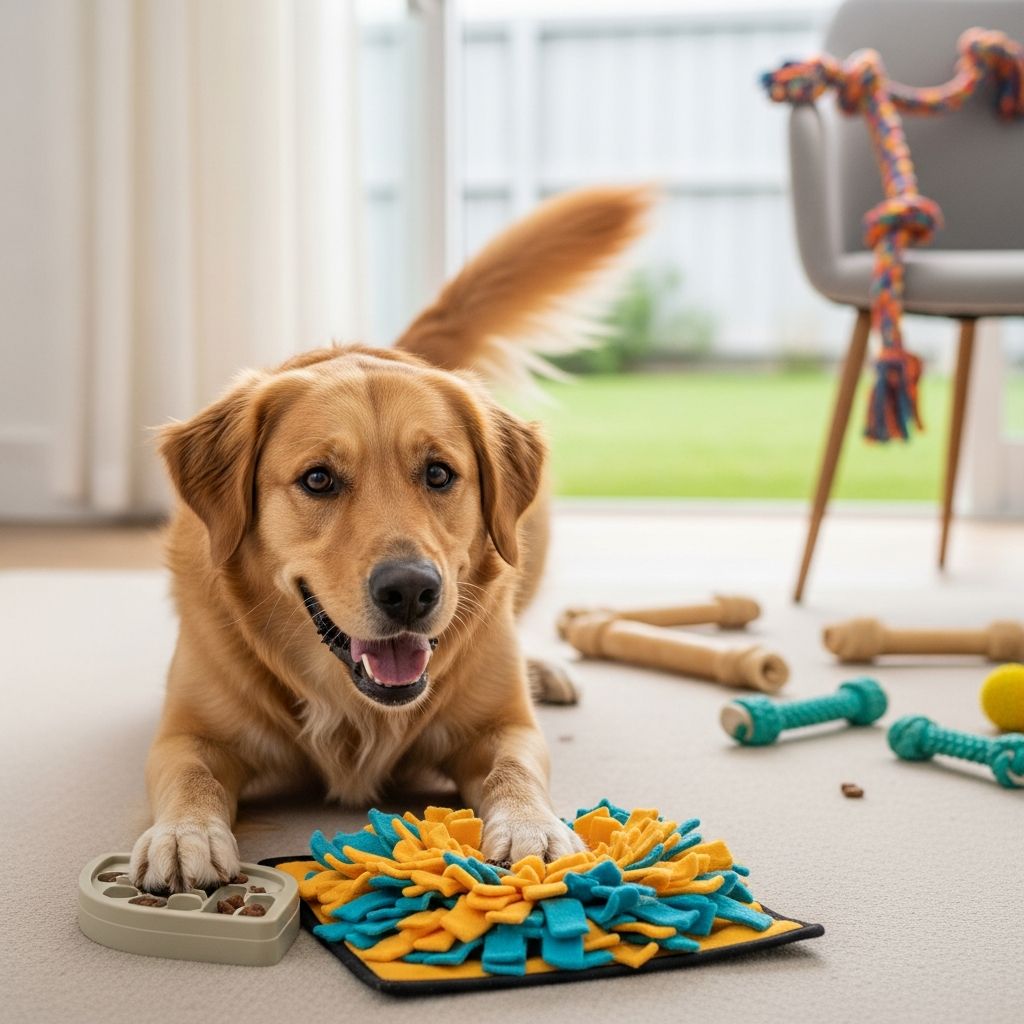
Dogs thrive on mental and physical challenges that mimic their natural instincts. Enrichment activities transform everyday routines into exciting adventures, helping prevent destructive behaviors, alleviate anxiety, and improve overall happiness. This guide offers practical, budget-friendly ideas drawn from expert veterinary and animal welfare recommendations to keep your dog engaged.
Understanding the Power of Enrichment for Dogs
Enrichment taps into a dog’s evolutionary needs for foraging, exploring, and socializing. According to animal behavior specialists, these activities provide essential mental workouts equivalent to physical exercise, reducing stress hormones and promoting better sleep. Core benefits include sharper cognitive function, lower boredom-induced issues like chewing furniture, and deeper bonds with owners. Veterinary sources emphasize balancing sensory, food-based, physical, and social elements for comprehensive well-being.
Scent-Based Games: Awakening the Super Sniffer
Dogs possess an olfactory sense 10,000 to 100,000 times more powerful than humans, making nosework ideal for stimulation. Start simple to build confidence and gradually increase difficulty.
- Scatter Feeding Adventure: Toss kibble or treats across grass, leaves, or a blanket. Use the cue “find it” to signal the start. This encourages natural hunting and can tire out high-energy dogs in minutes.
- Snuffle Mats DIY: Create one by tying fleece strips or old t-shirts to a rubber mat base. Bury treats deep within the fringes. Dogs spend 10-15 minutes foraging, which calms anxiety.
- Scent Trails: Drop small treats in a line outdoors or indoors, starting visible and progressing to hidden paths. Shape trails into patterns like your dog’s name for added fun.
These games are low-cost and adaptable for all ages, with puppies enjoying easier setups and seniors benefiting from gentle sniffing sessions.
DIY Puzzle Feeders: Brain-Teasing Mealtime
Food puzzles slow rapid eaters, preventing bloat and extending meal enjoyment. They’re simple to assemble from household recyclables.
| Puzzle Type | Materials Needed | How to Play | Difficulty Level |
|---|---|---|---|
| Cardboard Tube Challenge | Paper towel tube, treats, tape | Cut holes, fill with kibble, seal ends. Dog paws and noses to release food. | Beginner |
| Egg Carton Hunt | Empty egg carton, treats | Hide treats in compartments; dog rips and sniffs to find them. | Beginner-Intermediate |
| Muffin Tin Mystery | Muffin tin, tennis balls, kibble | Place food in cups, cover with balls. Dog displaces balls to access treats. | Intermediate |
| Twisted Towel Puzzle | Towel, optional Kong with treats | Roll treats in towel, twist ends. Dog unravels for reward. | Intermediate-Advanced |
Rotate puzzles weekly to maintain novelty. Studies from animal shelters show these reduce destructive chewing by channeling energy positively.
Physical Challenges: Building Strength and Coordination
Active enrichment enhances fitness without overexertion. Focus on variety to engage proprioception (body awareness).
- Surface Circus Setup: Arrange pillows, blankets, boxes, and pool noodles for a balance course. Guide your dog over and around obstacles to improve agility.
- Digging Zone Creation: Fill a kiddie pool or sandbox with soil and bury toys. This satisfies innate digging urges safely.
- Flirt Pole Fun: Attach a lure to a string on a pole; tease and let your dog chase. Builds speed and impulse control.
- Bubble Chasing Party: Use pet-safe bubbles for popping play, combining sight, movement, and jaw exercise.
For indoor days, a ball pit with hidden toys adds digging and burrowing excitement. Always supervise to ensure safety.
Training Tricks: Mental Workouts and Bonding
Teaching new skills provides cognitive boosts and reinforces good behavior. Use positive reinforcement with praise or toys.
- High-Five Paw: Hold treat above paw; say “paw” and reward contact.
- Toy Tidy-Up: Place toys in a basket; lure dog to drop them with a target stick.
- Figure-Eight Weave: Use two objects; guide dog around in loops.
- Tunnel Run: Encourage through a collapsible tunnel for confidence.
Sessions of 5-10 minutes daily yield results. Experts note training tires dogs mentally more than walks alone.
Social and Sensory Experiences: Holistic Stimulation
Beyond solo play, interactions fulfill pack instincts. Sensory inputs calm or excite as needed.
- Playdates and Daycare: Match with compatible dogs in supervised settings for social skills.
- Classical Music Sessions: Play soothing tunes to reduce separation anxiety.
- Texture Exploration: Offer safe items like wading pools filled with novel objects (plastic bottles, towels) for sniffing and pawing.
- Desensitization Sounds: Introduce low-volume recordings of fireworks or traffic gradually.
Tailor to your dog’s personality—introverts prefer human-focused games.
Creating a Daily Enrichment Routine
Integrate activities into schedules for consistency. Morning scent games energize, afternoon puzzles occupy, evening training bonds.
- Rotate 2-3 activities daily to prevent habituation.
- Observe preferences: Food-motivated? Puzzles. Athletic? Obstacles.
- Scale for age/health: Puppies need supervision; seniors favor sniffing.
A sample weekly plan:
| Day | Morning | Afternoon | Evening |
|---|---|---|---|
| Monday | Scatter Feed | Muffin Puzzle | Trick Practice |
| Tuesday | Surface Walk | Snuffle Mat | Bubble Play |
| Wednesday | Scent Trail | Dig Pit | Social Play |
| Thursday | Towel Puzzle | Obstacle Course | Music Time |
| Friday | Tube Game | Flirt Pole | Paw Tricks |
| Weekend | Free Choice | Outdoor Hunt | Family Game |
Track engagement in a journal to refine. Consistency yields calmer, happier dogs.
Common Mistakes and Pro Tips
Avoid overwhelming novices—start easy. Never use punishment; positivity builds trust. Clean toys regularly to prevent bacteria.
- Pro Tip: Film sessions to monitor stress signals like yawning or lip-licking.
- For multi-dog homes, provide individual activities to reduce rivalry.
Frequently Asked Questions (FAQs)
Is enrichment necessary for apartment dogs?
Yes, compact activities like puzzles and scent games suit small spaces perfectly.
How much time daily for enrichment?
15-30 minutes split into sessions suffices for most dogs.
Can puppies under 6 months do these?
Modified versions yes; supervise to avoid choking hazards.
What if my dog ignores new toys?
Pair with high-value treats initially; patience is key.
Does enrichment help anxious dogs?
Absolutely, scent and puzzle work lowers cortisol levels.
References
- Canine Enrichment Ideas — Cornell University College of Veterinary Medicine. 2023-07-01. https://riney.vet.cornell.edu/member-benefits-health-tips/canine-enrichment-ideas
- Enrichment Activities — Animal Friends (Thinking Outside the Cage). Accessed 2026. https://thinkingoutsidethecage.org/resources/enrichment/
- 15 Non-Food Enrichment Activities for Dogs — Wear Wag Repeat. Accessed 2026. https://wearwagrepeat.com/non-food-dog-enrichment-activities/
- Enrichment Activities for Dogs — Dogs Trust. Accessed 2026. https://www.dogstrust.org.uk/dog-advice/life-with-your-dog/enrichment/enrichment-activities-for-dogs
- Dog Enrichment: What It Is, Benefits, and Activity Ideas — PetSuites of America. Accessed 2026. https://www.petsuitesofamerica.com/blog/what-is-dog-enrichment
- Canine DIY Enrichment — ASPCA. Accessed 2026. https://www.aspca.org/pet-care/dog-care/canine-diy-enrichment
Similar Articles








Read full bio of Sneha Tete