

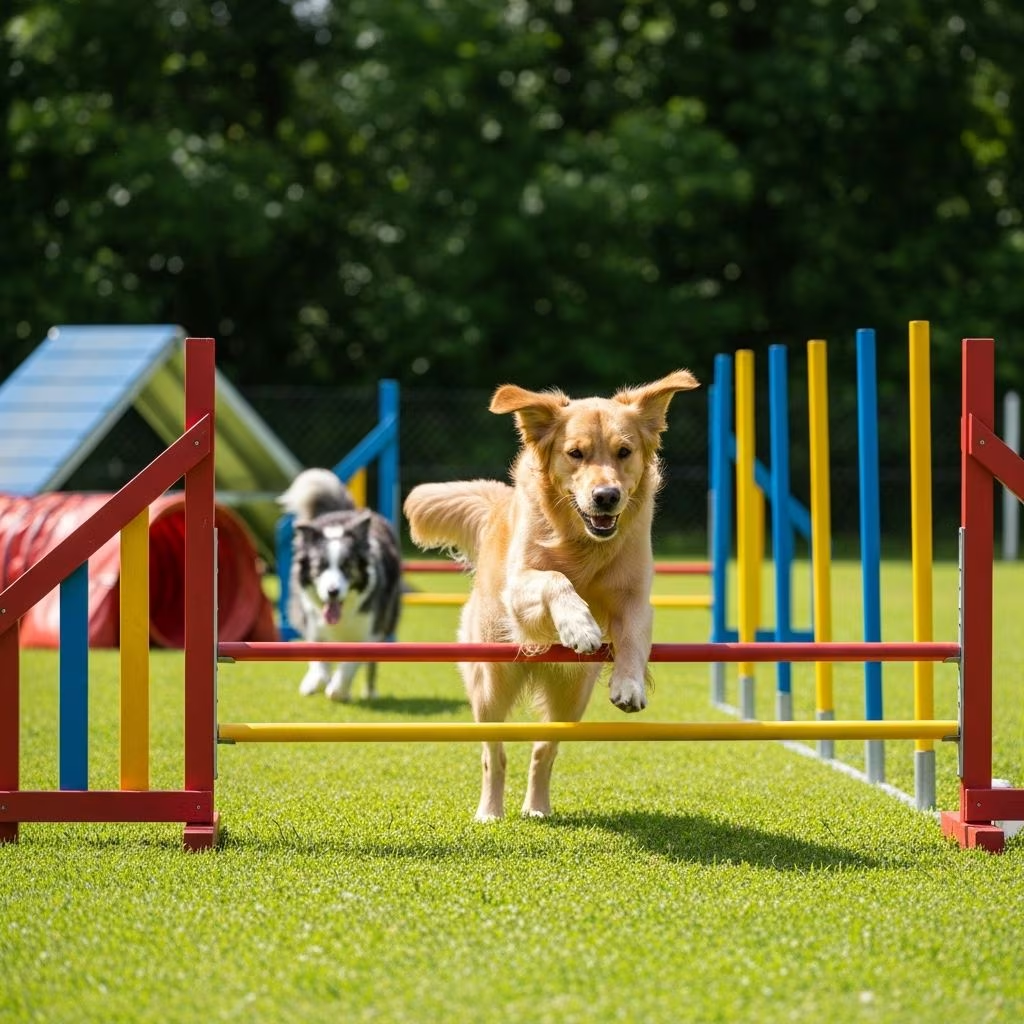
Dog aggression often stems from fear, frustration, or lack of impulse control, but targeted agility exercises offer a dynamic solution by channeling energy into structured play. These activities enhance mental focus, build physical confidence, and foster positive associations with movement and rewards, significantly reducing reactive behaviors.
Why Agility Work Excels for Aggressive Dogs
Agility training redirects a dog’s natural instincts toward productive outlets, minimizing stress-induced outbursts. Unlike static obedience drills, agility involves full-body engagement, quick decision-making, and handler teamwork, which strengthens the human-canine bond while teaching self-regulation.
Research supports reward-based methods like those in agility, showing up to 35% reduction in aggression over 12 weeks through techniques such as desensitization and counter-conditioning. By prioritizing fun over force, these drills avoid escalating fear, a common pitfall of punitive approaches.
- Boosts Confidence: Navigating obstacles helps fearful dogs feel accomplished.
- Improves Focus: Rapid commands shift attention from triggers to tasks.
- Reduces Frustration: Physical exertion burns off excess energy that fuels reactivity.
Essential Safety Measures Before Starting
Before introducing agility, prioritize risk assessment and environmental controls to prevent incidents. List all known triggers like strangers or other dogs, then create a management plan with barriers, muzzles, and confinement training.
| Safety Tool | Purpose | Training Tip |
|---|---|---|
| Basket Muzzle | Allows panting/breathing while preventing bites | Pair with treats for positive association; practice daily |
| Pet Gates/Barriers | Separates during high-risk times like meals | Feed treats behind gates to build comfort |
| Secure Leash/Crate | Controls movement in sessions | Practice calm settling first |
Consult a veterinary behaviorist for medical checks, as pain can mimic aggression. Start sessions in low-distraction areas, using high-value rewards to maintain engagement.
Foundational Agility Skills for Reactivity Management
Begin with basic maneuvers that teach impulse control and handler responsiveness, gradually layering complexity. These build a base for advanced drills.
Contact Zone Basics: Teaching Steady Focus
Use low platforms or mats as ‘contact zones’ where your dog must pause and look at you before earning a reward. This drill interrupts fixation on external stimuli, crucial for leash reactivity.
- Place a mat in a quiet yard; lure dog onto it with a treat.
- Say ‘settle’ and reward eye contact for 2-3 seconds.
- Gradually add distance or mild distractions, like clapping.
Practice 5-minute sessions daily; progress halts if tension appears, resuming at easier levels.
Tunnel Runs: Channeling High Energy
Short tunnels (3-6 feet) teach forward momentum without fixation. Send your dog through while you stay neutral, rewarding exits with play.
- Start with coaxing; fade lures over time.
- Use for pre-walk warm-ups to drain reactivity-fueling energy.
Intermediate Drills to Build Emotional Resilience
Once basics are solid, introduce sequences that simulate real-world triggers, pairing them with rewards to rewire responses.
Weave Pole Pathways: Enhancing Body Awareness
Flexible weave poles (or broomsticks in PVC) promote precise footwork, improving proprioception and reducing clumsy, frustration-based snaps.
Setup: Space poles 18-24 inches apart. Guide with a treat hand, verbal cue ‘weave.’ Reward weaves and straight exits. Sessions: 8-10 reps, 3x/week.
Consistent weave practice fosters patience, as dogs learn to navigate tight spaces calmly, mirroring controlled interactions with others.
A-Frame Ascents: Conquering Fear Heights
Raised ramps mimic intimidating approaches, desensitizing dogs to looming objects or elevated triggers like fences.
- Lower incline (2-3 feet); encourage up/down with cheers.
- Increase height as confidence grows; target specific paw placements.
- Introduce handler movement below for socialization prep.
Advanced Games for Real-World Application
These integrate multiple elements, preparing dogs for dynamic environments while reinforcing calm defaults.
Jump Grids with Distractions
Series of low jumps (12-18 inches) teaches commitment to motion over staring contests. Add a helper at a distance tossing toys to simulate passersby.
| Level | Jump Count | Distraction | Reward |
|---|---|---|---|
| Beginner | 2 | None | Treat |
| Intermediate | 4 | Quiet claps | Play tug |
| Advanced | 6 | Passing person | Jackpot treats |
Tabletop Stays Amid Motion
Dog holds a ‘stay’ on an elevated table while you circle or introduce mild motion (waving arms). Builds tolerance to unpredictable handler positions, key for resource guarding.
Integrating Mental Stimulation and Daily Routines
Agility shines when blended with enrichment. Puzzle toys post-session reinforce focus, while scent games enhance olfactory confidence. Schedule: 20-30 minutes agility, followed by calm sniffing walks.
Household protocols include object exchanges during play: Trade toys for higher-value treats to preempt guarding. Consistent family involvement ensures uniform cues.
Tracking Progress and When to Seek Pros
Monitor via a journal: Note trigger intensity (1-10), calm duration, and drill success. Plateaus signal need for professional input. Certified trainers use behavior therapy combining desensitization and meds if anxiety underlies issues.
Frequently Asked Questions
Can agility fix all aggression?
No, it’s a tool within a holistic plan including vet checks and management.
How often should sessions occur?
3-5 times weekly, 15-30 minutes, avoiding fatigue.
What if my dog regresses?
Downshift intensity; ensure no pain or stress buildup.
Is it safe for puppies?
Modified low-impact versions yes, focusing on fun foundations.
Breeds most benefiting?
High-drive types like herding breeds, but adaptable for all.
References
- Mastering Understanding Dog Aggression Training Techniques Fully — The Collar Club Academy. 2023. https://www.thecollarclubacademy.com/blog/mastering-understanding-dog-aggression-training-techniques-fully
- How to Work with Aggressive Dog Behavior — Andrea Arden. 2022. https://andreaarden.com/dog-training/how-to-work-with-aggressive-dog-behavior/
- Effective Training Techniques for Aggressive Dogs — Obedient K9. 2024. https://obedientk9.com/effective-training-techniques-for-aggressive-dogs/
- Dog Behavior Problems – Aggression – Getting Started – Safety and Management — VCA Animal Hospitals. 2023-10-01. https://vcahospitals.com/know-your-pet/dog-behavior-problems—aggression—getting-started—safety-and-management
- Aggression in Dogs: Etiology, Signalment, and Management — Today’s Veterinary Practice. 2022-05-15. https://todaysveterinarypractice.com/behavior/aggression-in-dogs-etiology-signalment-and-management/



