
Fumonisin Toxicosis in Livestock: Health Risks & Management
Understanding mycotoxin contamination and its devastating effects on animal health across species
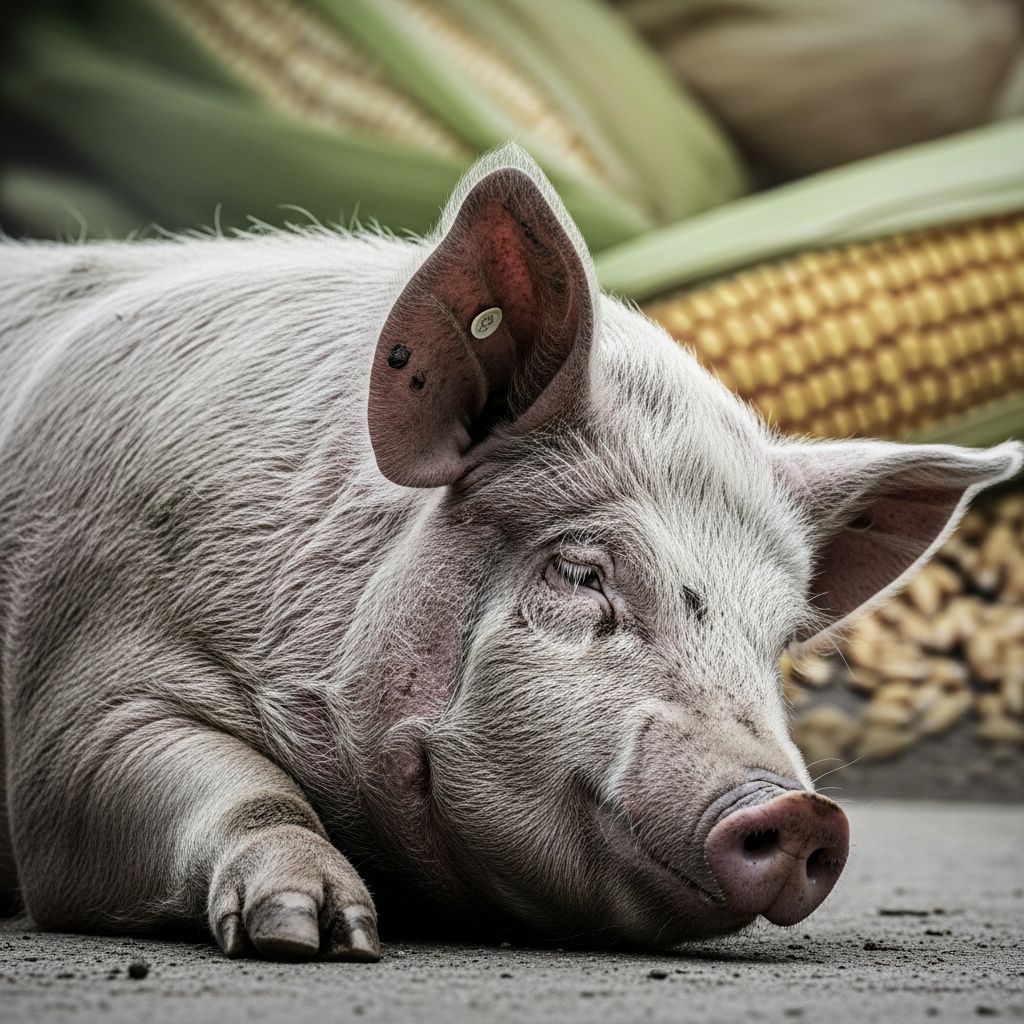
Fumonisin contamination represents a significant and often underestimated threat to livestock operations worldwide. This mycotoxin family, produced primarily by Fusarium moniliforme fungal species, has emerged as one of the most consequential mycotoxicoses affecting domestic animals. Unlike some mycotoxins that have been recognized for decades, fumonisins were only recently identified and linked to specific livestock diseases that had puzzled veterinarians for years. Understanding the properties, mechanisms, and management of fumonisin toxicosis is essential for farmers, veterinarians, and livestock producers seeking to protect their herds from this serious health challenge.
The Nature of Fumonisin Contamination
Fumonisin mycotoxins belong to a relatively recent category of fungal metabolites that contaminate feed materials, particularly corn and corn-based products. The most prominent fumonisin variant is fumonisin B1 (FB1), which demonstrates the strongest toxic potential across most animal species. FB2 exhibits similar toxicity levels to FB1, while FB3 remains relatively nontoxic in most circumstances. Contamination levels vary considerably depending on growing conditions, harvest timing, and storage practices.
Naturally contaminated corn typically contains between 1 to 3 parts per million (ppm) of fumonisins under normal conditions. However, during favorable fungal growth years or when corn is damaged, molded, or of poor quality, contamination can escalate dramatically to 20, 100, or even exceed 100 ppm. The toxins concentrate primarily in molded, damaged, or low test weight corn kernels, making visual inspection an unreliable quality assurance method.
Species-Specific Vulnerability and Clinical Expression
The toxic effects of fumonisin vary substantially across different livestock species, with some showing extreme sensitivity while others demonstrate considerable resistance. This differential susceptibility reflects variations in how each species metabolizes fumonisins and distributes them throughout body tissues.
Horses and Equines: The Most Vulnerable Species
Horses and other equids rank among the most fumonisin-sensitive species known, alongside rabbits. The brain serves as the primary target organ in equines, where fumonisin toxicosis manifests as equine leukoencephalomalacia (ELEM), commonly known as moldy corn poisoning. This neurological condition involves liquefactive necrosis, or softening and death, of white matter in the cerebrum. The necrotic lesion typically appears unilateral but may present asymmetrically on both sides of the brain.
Horses may develop leukoencephalomalacia following prolonged exposure to concentrations as low as 8-10 ppm in their diet. The onset of neurological signs—including uncoordinated movement, blindness, circling, behavioral changes, recumbency, and eventual death—almost invariably leads to fatal outcomes. Some horses may also develop hepatic (liver) necrosis similar to that observed in aflatoxicosis. The progressive nature of ELEM means that clinical signs typically indicate advanced neurological damage, leaving minimal opportunity for successful intervention.
Swine: Respiratory and Hepatic Involvement
Pigs demonstrate heightened sensitivity to fumonisins, though the primary manifestation differs from horses. The lungs emerge as the main target organ in swine, where fumonisin toxicosis produces porcine pulmonary edema (PPE)—an accumulation of excess fluid in lung tissues that effectively causes internal drowning. Acute PPE develops rapidly following consumption of fumonisins at dietary concentrations exceeding 100 ppm for just 3 to 6 days.
Affected swine experience sudden onset of difficult breathing, bluish discoloration of mucous membranes, weakness, recumbency, and death often within 24 hours of initial clinical signs appearing. Herd-level morbidity may exceed 50 percent, with mortality rates among affected pigs ranging from 50 to 100 percent. Pregnant sows that survive acute PPE may abort within 2 to 3 days, presumably due to oxygen deprivation to the developing fetus.
Beyond acute respiratory crisis, chronic exposure to sublethal fumonisin concentrations produces hepatotoxicosis marked by reduced growth, jaundice, and elevated levels of liver enzymes and bilirubin in the blood. Additionally, pigs exposed to fumonisin exhibit pancreatic lesions not typically observed in other species, contributing to nutritional and metabolic complications.
Cattle, Sheep, and Poultry: Relative Resistance
Cattle and sheep demonstrate considerably lower sensitivity to fumonisins compared to horses and swine. These species can tolerate fumonisin concentrations of 100 ppm with minimal adverse effects. Dietary concentrations in the range of 150-200 ppm produce inappetence, weight loss, and mild liver damage. Despite this relative resistance, fumonisin still impairs gastrointestinal health, interferes with immune function, and concentrates in liver tissue where it causes toxic effects.
Poultry species, including broiler chickens and turkey poults, are affected by fumonisin concentrations exceeding 200-400 ppm, developing inappetence, weight loss, and skeletal abnormalities. While these species show greater resistance than equines and swine, fumonisin still significantly impacts performance parameters and selected immune functions even at lower exposure levels.
Mechanisms of Toxicological Action
The profound toxic effects of fumonisin stem from its ability to interfere with critical cellular biochemical processes, particularly those involving sphingolipid metabolism. Sphingolipids are specialized fats that form stable, chemically resistant protective layers on cell membranes, safeguarding cells from environmental damage and enabling proper cellular signaling.
Fumonisins disrupt sphingolipid synthesis by inhibiting ceramide synthase, an enzyme essential for building complex sphingolipids. This inhibition interrupts sphingolipid metabolism throughout the body and alters cellular morphology—the physical shape and structure of affected cells. The resulting reduction in cellular stability and protection leads to cell death and significant alterations in both cellular metabolism and cell-to-cell communication patterns.
In affected individuals, particularly equines, serum levels of complex sphingolipids and free sphingosine and sphinganine become elevated, indicating widespread disruption of normal lipid metabolism. This mechanism underlies fumonisin’s ability to produce both acute life-threatening conditions and chronic diseases affecting multiple organ systems.
Gastrointestinal and Immune Consequences
Even when fumonisin is poorly absorbed and metabolized, as occurs in cattle, the mycotoxin induces significant disturbances throughout the gastrointestinal tract. Rumen motility slows considerably, increasing the exposure duration of the intestinal epithelium to fumonisin and other mycotoxins present in contaminated feed.
Low-level fumonisin exposure damages epithelial cells lining the gastrointestinal tract, reducing the protective mucin layer thickness, weakening tight junctions between cells, and decreasing cell proliferation rates. These changes ultimately increase opportunity for pathogenic microorganisms to invade the intestinal barrier and enter systemic circulation, leading to infection and disease.
Fumonisin-induced immune suppression occurs partly through impaired lymphocyte development in immune tissues. Sphingolipid metabolism in immune cells participates in signaling pathways controlling lymphocyte development, differentiation, activation, and proliferation. Lymphocytes are white blood cells fundamental to maintaining strong antigen responses. When fumonisin disrupts these processes, affected animals experience decreased immune function, increased susceptibility to infectious diseases, and reduced vaccine efficacy.
Hepatic and Renal Accumulation
Although fumonisin absorption varies by species, the mycotoxin that does absorb concentrates preferentially in the liver, with smaller amounts accumulating in muscles and kidneys. The liver appears to be a primary repository for absorbed fumonisin, creating prolonged exposure of hepatic tissue to toxic effects.
Fumonisin toxicity in the liver involves triggering apoptosis—programmed cell death—followed by proliferation of regenerative cells attempting to repair damaged tissue. Simultaneously, fumonisin reduces antioxidant levels in liver tissue, decreasing the animal’s antioxidant defense mechanisms. This combination produces liver lesions and elevated serum enzymes indicative of significant liver damage. Kidney tissue similarly experiences fumonisin-induced toxicity, though typically at lower severity than hepatic involvement.
Diagnostic Recognition and Post-Mortem Findings
Recognition of fumonisin toxicosis requires understanding the characteristic lesions and clinical presentations specific to each affected species. In horses with ELEM, the hallmark finding is liquefactive necrosis of white matter in the cerebrum, visible upon necropsy examination. Severity correlates with the degree of neurological dysfunction observed before death.
In swine with acute PPE, massive pulmonary edema dominates the post-mortem picture, with fluid-filled lungs that cause affected animals to essentially drown internally. Gross or microscopic liver damage may also be evident. The absence of pneumonia or associated chest trauma helps distinguish fumonisin-induced PPE from infectious respiratory diseases.
Feed analysis demonstrating high fumonisin levels supports a presumptive diagnosis, though such testing is expensive and relatively slow. Any situation presenting with sudden mortality increases and post-mortem findings dominated by pulmonary edema without pneumonia should raise immediate suspicion for fumonisin toxicosis.
Management and Prevention Strategies
Currently, no antidote exists for fumonisin poisoning once toxicosis develops. Treatment options remain severely limited and focus primarily on removal of contaminated feed materials along with symptomatic and supportive care. Even with aggressive treatment interventions, most animals showing clinical signs of fumonisin toxicosis, particularly neurological involvement in horses, succumb to the disease.
Prevention through feed management represents the most effective strategy. This includes sourcing corn from reliable suppliers with quality assurance protocols, storing grain in conditions that minimize mold development, and screening incoming feedstuffs for visible mold damage. Feed additives containing mold-binding agents may provide supplemental protection but should not be considered a substitute for proper feed sourcing and storage.
Monitoring for early signs of toxicosis in herd animals allows rapid removal of contaminated feed before widespread disease occurs. In operations where fumonisin contamination is suspected, serological testing and detailed herd health monitoring can identify exposure before lethal doses develop.
Species-Specific Fumonisin Tolerance Levels
| Species | Susceptibility Level | Critical Concentration (ppm) | Primary Health Effects |
|---|---|---|---|
| Horses | Extremely High | 8-10 | Brain necrosis (ELEM), neurological signs |
| Swine | Extremely High | 100+ (acute); 50+ (chronic) | Pulmonary edema, hepatotoxicosis, pancreatic lesions |
| Cattle | Low | 100-200 | Mild liver damage, GI disturbances, immune suppression |
| Sheep | Low | 100-200 | Reduced growth, weight loss |
| Poultry | Moderate | 200-400 | Skeletal abnormalities, reduced performance |
Frequently Asked Questions About Fumonisin Toxicosis
What warning signs should livestock producers watch for?
In horses, watch for progressive neurological deterioration including loss of coordination, behavioral changes, blindness, head pressing, and circling. In swine, sudden onset of respiratory distress with high mortality in otherwise healthy animals should trigger immediate investigation. In cattle, subtle signs like reduced feed intake and weight loss may be the only indicators before more serious liver damage develops.
Can fumonisin contamination be visually identified in feed?
While heavily molded corn is often visually apparent, significant fumonisin contamination may occur without obvious mold visible to the naked eye. Only laboratory analysis can definitively confirm fumonisin presence and quantify contamination levels.
Does cooking or processing reduce fumonisin levels?
Fumonisin is relatively heat-stable and persists through most standard feed processing and cooking methods. Physical removal of visibly damaged kernels remains the most practical mitigation approach.
Are there species-specific vaccination or therapeutic approaches?
Currently, no vaccines exist to prevent fumonisin toxicosis, and no specific antitoxin treatments reverse the toxic damage once exposure occurs. Management focuses entirely on prevention through feed quality control.
How long does recovery take for animals exposed to non-lethal amounts?
Animals surviving sublethal fumonisin exposure may require extended recovery periods with hepatic and immune system damage persisting for weeks or months. Complete resolution depends on the degree of tissue damage and the animal’s inherent regenerative capacity.
References
- Fumonisin Toxicosis in Domestic Animals: A Review — MAD Barn Research Bank. 2024. https://madbarn.com/research/fumonisin-toxicosis-in-domestic-animals-a-review/
- Fumonisin Toxicosis in Animals — MSD Veterinary Manual. 2024. https://www.msdvetmanual.com/toxicology/mycotoxicoses/fumonisin-toxicosis-in-animals
- Fumonisin Poisoning — NADIS (National Animal Disease Information System). 2024. https://www.nadis.org.uk/disease-a-z/pigs/fumonisin-poisoning/
- Fumonisin Facts — Texas A&M Veterinary Medical Diagnostic Laboratory. 2024. https://tvmdl.tamu.edu/education-library/fumonisin-facts/
- The Hidden Threat of Fumonisin in Cattle Feed — Alltech Mycotoxin Management. 2024. https://www.alltech.com/blog/hidden-threat-fumonisin-cattle-feed
- Fumonisin Toxicosis in Domestic Animals — PubMed Central, National Institutes of Health. https://pubmed.ncbi.nlm.nih.gov/7900277/
Similar Articles








Read full bio of medha deb


