

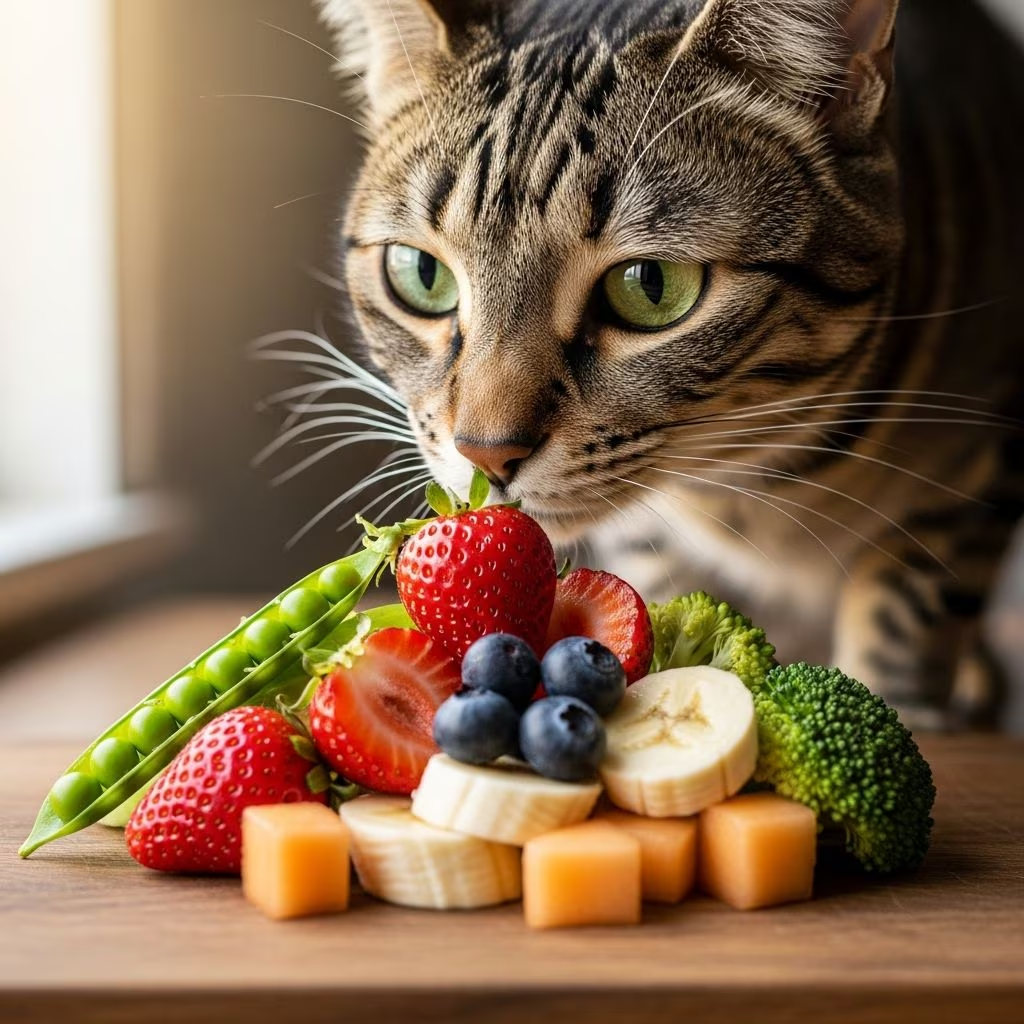
Cats are obligate carnivores, meaning their primary diet should consist of meat-based foods rich in protein and taurine. However, certain fruits and vegetables can serve as occasional treats, providing vitamins, fiber, antioxidants, and hydration when offered in moderation—typically no more than 10% of their daily caloric intake. These treats can support immune health, digestion, skin and coat condition, and overall vitality, but always introduce new foods gradually to monitor for allergies or digestive upset.
Can Cats Eat Fruits and Vegetables?
Yes, cats can eat select fruits and vegetables safely, but not all are suitable due to their carnivorous nature and sensitivity to sugars and certain compounds. Fruits like blueberries and bananas offer antioxidants and potassium, while vegetables such as carrots and pumpkin provide fiber for digestion. Overfeeding can lead to diarrhea, obesity, or nutritional imbalances, so portion control is essential. Consult your veterinarian before adding these to your cat’s diet, especially for kittens, seniors, or cats with health conditions.
Fruits Cats Can Eat (And Their Benefits)
Several fruits are safe for cats when prepared properly—remove seeds, pits, peels, and cores to avoid choking or toxicity. These low-calorie options add variety and nutrients without replacing balanced cat food.
- Apples: Rich in vitamins A and C, fiber, and antioxidants, apples support digestion and immune function. Remove seeds and core, as they contain trace cyanide. Serve thinly sliced or mashed.
- Apricots: High in beta-carotene, lutein, vitamins A and C; promote eye health and immunity. Pit and peel before offering small amounts.
- Bananas: Provide potassium, vitamins B6 and C for heart health and muscle function. High sugar content means tiny slices only; freeze-dried versions make crunchy treats.
- Blackberries: Packed with antioxidants, fiber, vitamins A, C, K, E; aid immune support, skin health, digestion.
- Blueberries: Antioxidant-rich with flavonoids, fiber, vitamins C, K, E; boost immunity and digestion. Offer whole or mashed.
- Cantaloupe: Hydrating, low-calorie with vitamin C, beta-carotene, fiber; mimics meat scent, supports skin/coat. Remove rind and seeds.
- Cranberries: Source of vitamin C, magnesium, fiber; raw or cooked in small quantities. Avoid sugary sauces.
- Honeydew: Hydrating with vitamin C and fiber; promotes immunity and digestion. Seedless flesh only.
- Kiwi: Vitamin C, antioxidants, fiber for immunity, digestion, skin. Peel and dice finely.
- Mangos: Fiber, vitamins A, B6, C; support digestion, immunity, skin/coat. Peel and remove pit.
- Peaches: Vitamins A, C, fiber for digestion and hydration. Pit and peel essential.
- Pears: Fiber, vitamin C, potassium; aid digestion and immunity. Remove seeds/core.
- Pineapple: Fiber, vitamins A, B6, C, folate, magnesium, potassium. Fresh, small pieces only.
- Plums: Vitamins A, C, antioxidants for immunity and eye health. No pits or skin.
- Raspberries: Fiber, antioxidants, vitamins C, K, E; reduce inflammation, support digestion. Small servings to avoid laxative effect.
- Strawberries: Vitamin C, folate, potassium, manganese, antioxidants, fiber; fight inflammation.
- Watermelon: Over 90% water with vitamins A, C; hydrates and supports skin. Remove seeds/rind.
Vegetables Cats Can Eat (And Their Benefits)
Vegetables offer fiber for hairballs and digestion, plus vitamins with fewer sugars than fruits. Cook or puree most to reduce choking risks and improve digestibility.
- Broccoli: Antioxidants, vitamin C, fiber, carotenoids; supports immunity and digestion. Steamed or pureed.
- Carrots: Beta-carotene for eyes, skin, coat; fiber aids digestion. Cooked, peeled, pureed or sliced.
- Cucumber: Hydrating, low-calorie with vitamins K, C, potassium, magnesium. Peeled, thin strips.
- Green Beans: Fiber, low calories; great snack. Plain, cooked or chopped.
- Pumpkin: Fiber for digestive health, hairballs. Plain canned or cooked, no spices.
- Peas: Safe option with nutrients; cook to soften.
- Sweet Potatoes: Support digestion; cooked and mashed.
- Spinach: Iron-rich but limit if urinary issues due to oxalates. Steamed sparingly.
How to Safely Prepare Fruits and Vegetables for Cats
Preparation minimizes risks: wash thoroughly, remove toxic parts, cut into tiny pieces, and serve plain—no seasonings, sugars, or oils. Steam or boil vegetables for softness; mash or puree for easy eating. Start with pea-sized amounts daily, observing for vomiting, diarrhea, or lethargy. Store leftovers refrigerated for up to 48 hours.
| Food Type | Preparation Tips | Portion Size |
|---|---|---|
| Fruits | Wash, peel, seed/pit, slice thin | 1-2 tsp per day |
| Vegetables | Cook/steam, puree if hard | 1 tsp to 1 tbsp |
Fruits and Vegetables to Avoid for Cats
Some are toxic: Grapes/raisins cause kidney failure; citrus (oranges, lemons) irritate stomach; onions/garlic damage red blood cells; unripe tomatoes/green parts contain solanine. Avocado pits/flesh have persin (heart issues); cherry pits cyanide. Even safe foods in excess cause upset.
- Grapes/Raisins: Kidney toxic.
- Citrus: Acidic, upsetting.
- Onions/Garlic: Anemia risk.
- Tomatoes (unripe): Solanine poison.
Health Benefits of Fruits and Vegetables for Cats
These treats provide: antioxidants (immunity, anti-inflammation), fiber (digestion, hairballs), vitamins (skin/coat, eyes), hydration (urinary health), low calories (weight management). They complement commercial diets but don’t replace taurine/protein needs.
FAQs
Can cats eat bananas?
Yes, small slices for potassium and vitamins, but limit due to sugar.
Are blueberries safe for cats?
Yes, antioxidant-packed treats in moderation.
Can cats have carrots?
Cooked carrots support vision and digestion.
Is pumpkin good for cats?
Plain pumpkin aids digestion and relieves constipation.
What fruits are toxic to cats?
Grapes, raisins, citrus; avoid entirely.
References
- What Fruits Can Cats Eat? — PetMD (Teresa Manucy, DVM). 2023. https://www.petmd.com/cat/nutrition/which-fruits-can-cats-eat
- List of Human Foods Cats Can And Can’t Eat — Pawlicy Advisor. 2023. https://www.pawlicy.com/blog/food-cats-can-and-cant-eat/
- What ‘Human Foods’ Are Safe for Cats? — PETA. 2023. https://www.peta.org/living/animal-companions/human-food-cats/
- What Human Foods Can Cats Eat? — Taste of the Wild Pet Food. 2023. https://www.tasteofthewildpetfood.com/articles/nutrition/what-human-foods-can-cats-eat/
- Top 11 Healthiest Human Foods That Cats Can Eat [Vet-Approved] — Sploot Vets. 2023. https://www.splootvets.com/post/top-10-healthiest-human-food-that-cats-can-eat
- Sharing is Caring: Foods You Can Safely Share with Your Pet — ASPCA. 2023. https://www.aspca.org/news/sharing-caring-foods-you-can-safely-share-your-pet



