
Is Frozen Water Safe for Your Dog?
Learn whether ice is a healthy treat or a dental hazard for your canine companion.
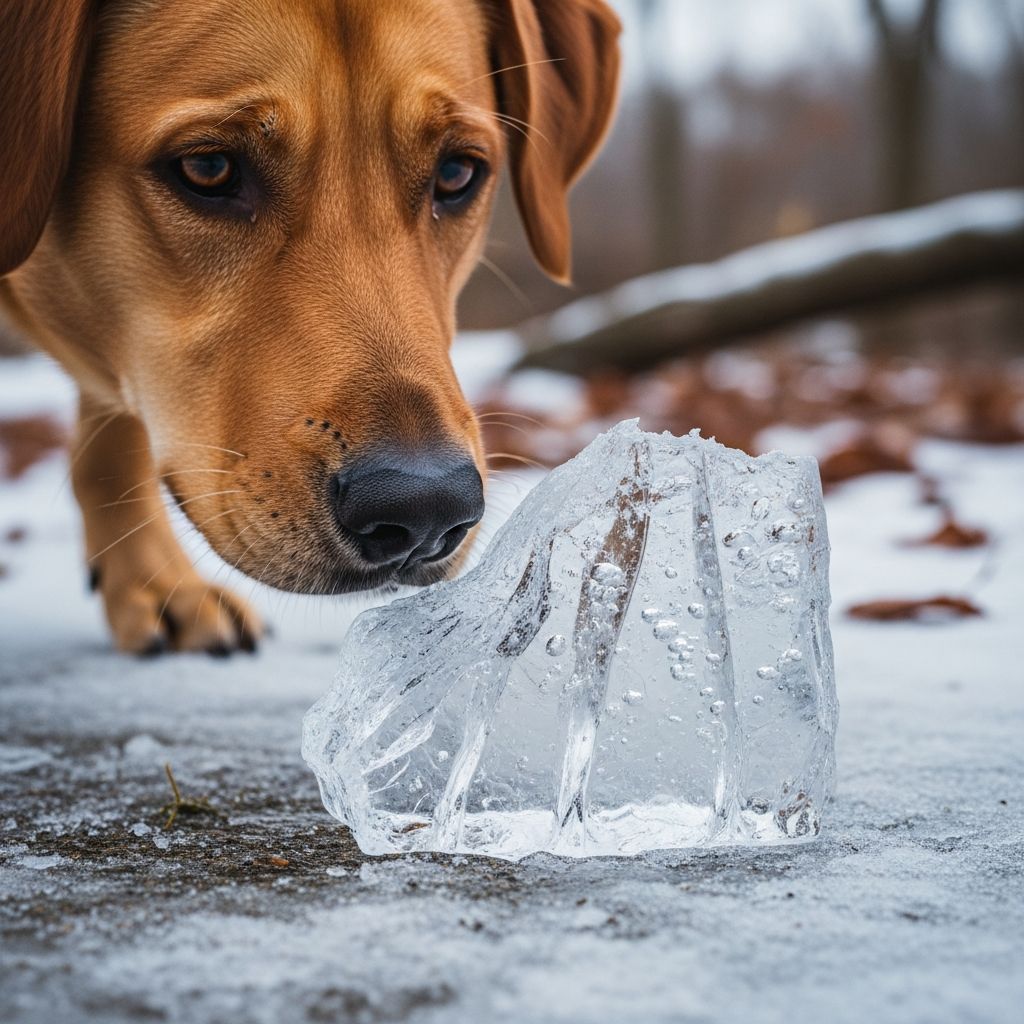
Is Frozen Water Safe for Your Dog? A Complete Guide to Ice and Your Canine Companion
Many pet owners wonder whether offering ice to their dogs is a healthy choice or a potential hazard. The answer is nuanced—while ice can provide hydration and enrichment, it comes with specific considerations that every responsible dog owner should understand. This comprehensive guide explores the science behind ice consumption in dogs, potential risks, and evidence-based recommendations for safe practices.
Understanding the Basics: Can Dogs Actually Consume Ice?
The straightforward answer is yes, dogs can consume ice in appropriate amounts. Since ice is merely frozen water, it fundamentally poses no inherent toxicity to canines. When a dog ingests ice, the frozen solid quickly melts within the warmth of their mouth and digestive tract, transforming back into standard water that their system processes without difficulty. This physiological reality forms the foundation for understanding why veterinarians generally consider ice safe for most dogs.
However, the ability to consume something safely does not automatically make it an ideal treat. Context matters tremendously—the size of your dog, their individual health status, dental condition, and how the ice is presented all influence whether offering ice represents a beneficial option or an inadvisable choice for your specific pet.
The Dental Dimension: Tooth Damage Concerns
Perhaps the most significant concern surrounding ice consumption involves potential dental damage. Ice presents a hardness that can exceed the structural integrity of a dog’s tooth enamel when subjected to forceful chewing. According to veterinary dental specialists, dogs possess a natural tendency toward aggressive chewing behavior, and the biomechanical force required to fracture ice can cause serious dental complications.
Veterinary dentists report that attempting to break ice with molars can result in slab fractures, particularly affecting the upper fourth premolar teeth. These fractures frequently expose the pulp chamber—the sensitive interior of the tooth containing nerves and blood vessels—resulting in severe oral pain and necessitating either root canal therapy or surgical tooth extraction. For dogs already experiencing dental disease or those with compromised enamel, this risk escalates considerably.
Certain populations require extra caution regarding ice consumption:
- Puppies with developing dentition: Young dogs still growing permanent teeth face heightened vulnerability to enamel damage that could affect their dental health throughout their lifetime
- Senior dogs with existing dental disease: Older animals frequently suffer from worn enamel, gum disease, or loose teeth, making them less capable of safely processing hard substances
- Dogs with prior dental procedures: Pets who have undergone extractions or dental work may have compromised tooth structure
- Breeds predisposed to dental issues: Certain small breeds and brachycephalic dogs naturally experience higher rates of dental problems
Choking Hazards and Airway Obstruction
While choking incidents from ice remain relatively uncommon, they represent a legitimate safety concern that warrants discussion. Large ice cubes can potentially lodge in a dog’s airway before melting completely, particularly if swallowed hastily without adequate mastication. The risk increases substantially for dogs with certain medical conditions or anatomical considerations.
Dogs most vulnerable to choking complications include those with:
- Severe periodontal disease affecting their ability to chew effectively
- Missing teeth or significant tooth loss
- Neurological conditions impairing swallowing function
- Upper airway disease or respiratory compromise
- Difficulty coordinating swallowing reflexes
Mitigation strategies effectively eliminate most choking risks. Offering crushed ice, ice shavings, or specifically manufactured small ice cubes dramatically reduces the probability of dangerous airway obstruction. Additionally, maintaining visual supervision while your dog consumes any frozen treats allows for rapid intervention if unexpected difficulties arise.
The Bloat Connection: Understanding Gastric Dilatation-Volvulus
A concern occasionally mentioned regarding ice consumption involves potential development of bloat, medically termed gastric dilatation-volvulus. While ice itself does not directly cause bloat, the behavioral patterns ice consumption might trigger can indirectly increase risk in predisposed animals.
Bloat occurs when a dog’s stomach fills with gas and potentially twists on itself—a life-threatening emergency requiring immediate veterinary intervention. Contributing factors include rapid ingestion of large food volumes, excessive water consumption, and gulp-oriented eating patterns. If consuming ice causes your dog to drink excessive quantities of water or gulp rapidly in excitement, this behavior chain could theoretically elevate bloat risk.
Dogs at higher risk for bloat include large and giant breed dogs, particularly those with deep, narrow chest cavities. If your dog falls into this category, discuss ice consumption with your veterinarian before offering it as a treat.
Beneficial Applications and Appropriate Use Cases
Beyond simple hydration, ice offers legitimate therapeutic and enrichment applications that make it valuable for many dogs when offered appropriately. Understanding these beneficial uses helps contextualize why veterinarians don’t universally discourage ice consumption.
Temperature Regulation and Cooling
During hot weather, ice provides a natural cooling mechanism that helps prevent heat stress and dehydration. Dogs lacking efficient cooling systems benefit from frozen water access, particularly during exercise or outdoor activities in elevated temperatures. This proves especially valuable for dogs who resist drinking adequate plain water or those requiring encouragement to maintain hydration levels.
Enrichment and Behavioral Management
Ice cubes offer mental stimulation and occupy attention, particularly valuable for dogs experiencing boredom, anxiety, or excessive energy. The tactile experience of manipulating and breaking ice cubes engages problem-solving instincts, and frozen treats can redirect focus from destructive behaviors.
Post-Surgical and Gastrointestinal Recovery
Veterinarians frequently recommend ice cubes as a controlled method for introducing water to dogs recovering from surgery or gastrointestinal illness. The frozen format naturally slows water intake, preventing the rapid fluid consumption that might overwhelm a compromised digestive system. This graduated reintroduction approach helps determine whether recovering dogs can tolerate fluids without vomiting.
Teething Symptom Relief
Puppies experiencing the discomfort of erupting permanent teeth often benefit from ice’s numbing properties. The cold sensation provides analgesic relief while offering safe enrichment, though crushed or shaved ice presents less dental risk than solid cubes for young animals.
Safety Guidelines for Responsible Ice Offering
If you decide that ice represents an appropriate treat for your dog, following evidence-based safety practices minimizes potential complications:
| Safety Factor | Recommended Practice |
|---|---|
| Ice Size | Use crushed ice, shaved ice, or small ice cubes appropriate to your dog’s size; ensure small dogs never receive large cubes |
| Frequency | Offer ice as an occasional treat rather than daily consumption; moderation prevents excessive wear on dental structures |
| Supervision | Always monitor your dog while consuming ice, particularly during initial exposures; watch for signs of discomfort or abnormal behavior |
| Portion Control | Limit quantities to prevent upset stomach or excessive water intake that might trigger bloat in susceptible dogs |
| Container Management | Add ice to water bowls rather than offering cubes directly; this provides cooling benefits with reduced choking risk |
| Contamination Prevention | Ensure ice originates from clean sources; outdoor ice may contain harmful substances like antifreeze or road salt |
Alternative Frozen Treats and Safer Options
For dogs whose individual circumstances make ice consumption inadvisable, numerous frozen alternatives provide similar cooling and enrichment benefits with reduced risk profiles. These options include crushed frozen vegetables like green beans, blueberries, and seedless watermelon, which offer nutritional value alongside the cooling sensation. Frozen carrots provide natural tooth-cleaning properties while delivering harder chewing experiences that some dogs prefer.
Commercially manufactured frozen dog treats designed specifically for canine consumption eliminate contamination concerns while offering appropriate hardness levels. Additionally, frozen bone broth or plain Greek yogurt popsicles provide enrichment and hydration without dental hazards.
Environmental and Source Considerations
The origin of ice matters significantly for safety. While ice produced from clean tap water in your home poses minimal concerns, ice encountered in external environments presents additional considerations. Urban and suburban areas frequently expose outdoor ice to chemical contamination through road salt application, antifreeze residues, and industrial pollutants. Dogs consuming contaminated ice risk ingesting toxic substances that might cause serious health consequences. Always supervise outdoor exploration and prevent your dog from consuming ice found in parking lots, roadsides, or other potentially hazardous locations.
Veterinary Consultation and Individual Assessment
Your veterinarian represents the most valuable resource for determining whether ice represents an appropriate treat for your specific dog. They can assess your individual pet’s dental health, evaluate any underlying conditions affecting chewing or swallowing function, and consider breed-specific predispositions toward complications. Dogs with existing dental disease, those recovering from specific medical conditions, or breeds prone to bloat warrant professional guidance before ice introduction.
Practical Implementation and Monitoring Strategies
For dogs cleared by veterinarians to consume ice, implementing smart practices ensures safe enjoyment. Begin by observing your dog’s behavior during initial ice exposure—watch for excessive salivation, difficulty swallowing, or discomfort indicators. Introduce small quantities and gradually increase familiarity while maintaining close observation. Consider using specialized ice cube molds that produce smaller, safer portions rather than standard freezer-produced cubes.
Many pet owners find that adding crushed ice to regular water bowls provides cooling benefits while dramatically reducing choking and dental risks. This approach allows your dog to receive hydration advantages without direct hard-substance chewing. Monitor water consumption to ensure ice addition doesn’t inadvertently increase overall fluid intake to problematic levels.
Addressing Common Misconceptions
Various myths surround ice consumption in dogs. Some claim ice causes stomach problems by shocking the digestive system—this lacks scientific support, as dogs’ internal temperatures quickly neutralize frozen water without difficulty. Others worry that ice consumption leads to bloat as a direct cause, when in reality bloat results from multiple factors and isn’t directly triggered by ice itself. Understanding evidence-based information helps owners make rational decisions rather than reacting to unfounded concerns.
Final Recommendations and Key Takeaways
Ice represents a generally safe treat for most healthy adult dogs when offered thoughtfully and in moderation. The potential benefits—including cooling, hydration encouragement, enrichment, and therapeutic applications—make it valuable for many situations. However, individual circumstances matter tremendously. Dogs with dental disease, choking vulnerability, susceptibility to bloat, or other specific health conditions may warrant avoiding ice entirely or using safer alternatives instead.
The most responsible approach involves assessing your individual dog’s characteristics, consulting with your veterinarian about any concerns, implementing size-appropriate serving methods, and maintaining vigilant supervision. By balancing the genuine benefits ice offers with realistic acknowledgment of potential risks, you can make informed decisions that optimize your dog’s health and happiness.
References
- Ice Cubes for Dogs | American Kennel Club — American Kennel Club. 2024. https://www.akc.org/expert-advice/advice/ice-cubes-for-dogs/
- Can Dogs Eat Ice? | PetMD — PetMD Editorial. 2024. https://www.petmd.com/dog/general-health/ice-bad-dogs
- Can Dogs Eat Ice? | Chewy Education — Chewy, Inc. 2024. https://www.chewy.com/education/dog/food-and-nutrition/can-dogs-eat-ice
- Can Dogs Have Ice Cubes? The Dangers Explained | Purina UK — Nestl . 2024. https://www.purina.co.uk/articles/dogs/feeding/what-dogs-eat/can-dogs-have-ice-cubes
- Are Ice Cubes Bad for Dogs’ Teeth? | MetLife Pet Insurance — MetLife Pet Insurance. 2024. https://www.metlifepetinsurance.com/blog/pet-health/are-ice-cubes-bad-for-dogs/
- Ice Cubes for Dogs | Blue Cross UK — Blue Cross. 2024. https://www.bluecross.org.uk/advice/dog/ice-cubes-for-dogs
- Can You Feed Your Dog Ice? | FirstVet — FirstVet. 2024. https://firstvet.com/us/articles/can-dogs-eat-ice
Similar Articles








Read full bio of medha deb




