

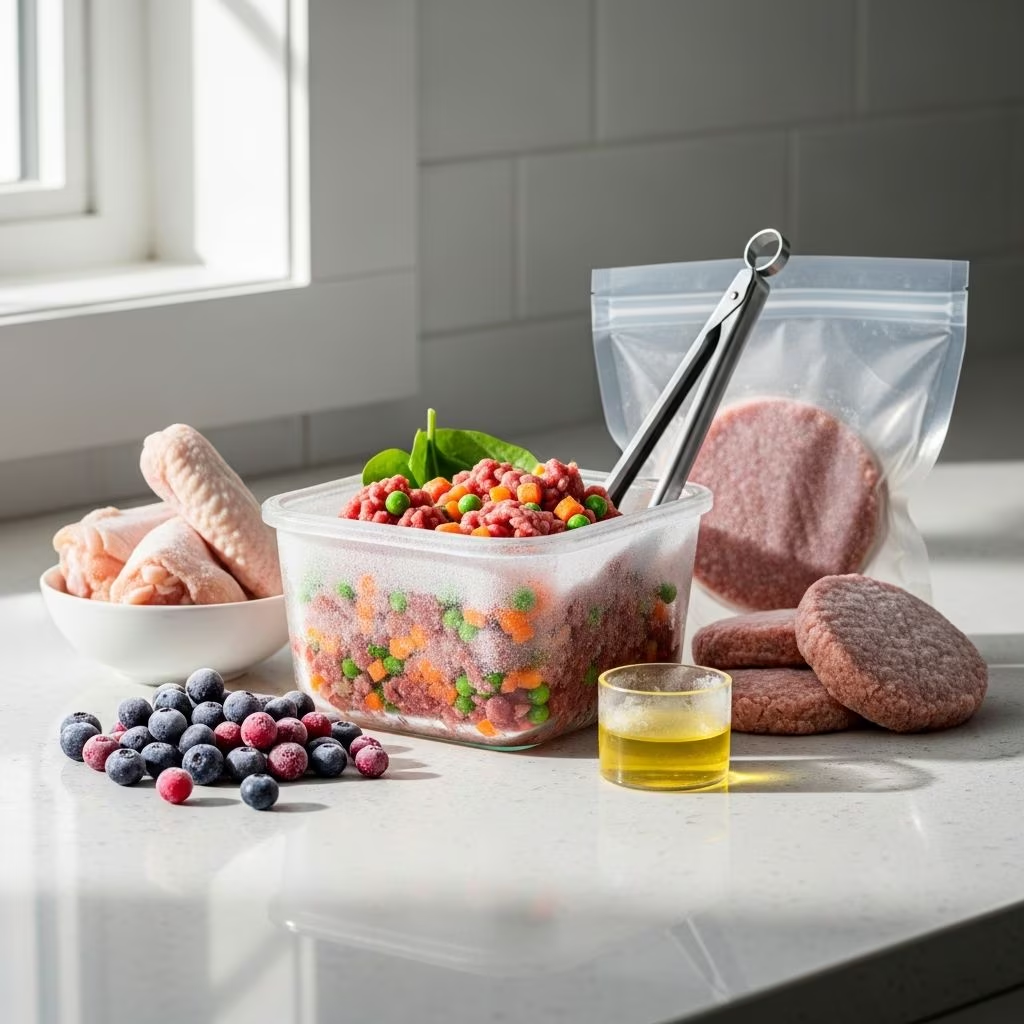
Frozen raw pet foods represent a growing trend in pet nutrition, offering minimally processed meals that mimic the natural diets of dogs and cats. These diets typically include raw meats, organs, bones, and sometimes vegetables or fruits, flash-frozen to retain maximum nutritional integrity. Pet owners increasingly turn to them for benefits like improved digestion, shinier coats, and higher energy levels compared to traditional kibble.
Understanding the Composition of Frozen Raw Diets
At their core, frozen raw pet foods are crafted from high-quality, human-grade ingredients. They often follow a biologically appropriate raw food (BARF) model, balancing muscle meat (about 70-80%), edible bones (10-15%), organs (5-10%), and small amounts of vegetables or fruits for fiber and antioxidants. This composition aims to replicate what wild ancestors consumed, providing complete and balanced nutrition when properly formulated.
Manufacturers source fresh meats like chicken, beef, turkey, or fish, grinding them coarsely to preserve texture while ensuring safety through high-pressure processing (HPP) or freezing shortly after preparation. Unlike kibble, which undergoes high-heat extrusion, these foods avoid cooking to preserve enzymes, probiotics, and moisture essential for gut health.
Key Nutritional Advantages Over Processed Foods
Frozen raw diets excel in nutrient retention. Freezing halts enzymatic breakdown and oxidation, locking in proteins, fats, vitamins (like B-complex and vitamin E), and minerals such as zinc and selenium. Studies on raw feeding show pets experience fewer allergies, better stool quality, and enhanced immune function due to the absence of fillers, grains, or artificial additives.
- High Bioavailability: Raw proteins and fats are more digestible, leading to smaller stools and efficient nutrient absorption.
- Moisture Content: With 70-80% water, these foods promote hydration, reducing urinary tract issues common in kibble-fed pets.
- Probiotic Support: Natural bacteria from raw ingredients foster a healthy microbiome, aiding digestion and mental well-being.
For cats, obligate carnivores, raw frozen foods align perfectly with their high-protein, low-carb needs, potentially preventing obesity and diabetes.
Safety Protocols: Mitigating Bacterial Risks
While nutrient-dense, raw foods carry risks like Salmonella or E. coli from raw meat. The FDA monitors raw pet foods due to potential cross-contamination in households. However, reputable brands use pathogen testing, HPP (a non-thermal kill step using water pressure), and strict sourcing to minimize hazards.
| Risk Factor | Mitigation Strategy | Effectiveness |
|---|---|---|
| Bacterial Contamination | HPP and Freeze-Drying | Reduces pathogens by 5-log without nutrient loss |
| Freezer Burn | Airtight Packaging | Preserves flavor and quality for 1-2 years |
| Nutritional Imbalance | AAFCO-Compliant Formulas | Ensures complete nutrition for all life stages |
Pet owners should wash hands, bowls, and surfaces after handling, and consult vets for puppies, seniors, or immunocompromised pets. Recent data indicates raw-fed pets have low infection rates when hygiene is maintained.
Practical Handling and Storage Guidelines
Proper management is crucial for maintaining quality. Store frozen raw foods at 0°F (-18°C) or below in a dedicated freezer space. Thaw portions in the refrigerator for 12-24 hours, never at room temperature to avoid bacterial growth. Serve immediately or refrigerate thawed meals for up to 48 hours.
- Portion daily amounts to minimize thawing cycles.
- Use ice pack coolers for transport from stores.
- Discard any food with off odors, discoloration, or sliminess.
Transition gradually over 7-10 days by mixing with current food to prevent digestive upset.
Comparing Frozen Raw to Other Fresh Options
Frozen raw stands out but differs from alternatives like gently cooked fresh, refrigerated ready-to-serve, or freeze-dried formats.
| Diet Type | Processing | Storage | Pros | Cons |
|---|---|---|---|---|
| Frozen Raw | Raw, Flash-Frozen | Freezer | Max nutrients, natural enzymes | Thawing required, bacterial risk |
| Gently Cooked Fresh | Low-Temp Cooked, Refrigerated | Fridge | Safer, palatable | Some nutrient loss from heat |
| Freeze-Dried Raw | Dehydrated Raw | Pantry | Convenient, lightweight | Rehydration needed, pricier |
| Air-Dried | Gentle Air-Drying | Pantry | Dental benefits, shelf-stable | Lower moisture |
Frozen raw offers the closest mimicry to ancestral diets, ideal for raw enthusiasts, while gently cooked suits convenience-focused owners wary of raw handling.
Health Outcomes and Real-World Benefits
Veterinarians report raw-fed pets show improved coat quality (85% of owners note shinier fur), reduced itching (from allergies), and firmer stools. A study on raw diets linked them to lower inflammation markers and better joint health in active dogs. Cats benefit from weight management and kidney support due to high-quality proteins.
Long-term feeders observe increased playfulness and mental sharpness, attributing it to omega-3s and antioxidants preserved in raw forms.
Choosing the Right Frozen Raw Brand
Select brands with transparent sourcing, third-party testing, and AAFCO statements. Look for variety packs to rotate proteins, preventing sensitivities. Budget-wise, raw costs 2-3 times more than kibble but reduces vet bills through preventive health.
- Check for single-protein options for allergy testing.
- Opt for complete meals over bases needing supplements.
- Read labels for grind size—coarser for dental health.
Cost Analysis and Long-Term Value
Expect $4-8 per pound for premium frozen raw. Bulk buying and subscription models lower costs. Compared to vet expenses for allergies or obesity ($500+ annually), raw proves economical. Calculate needs: a 50-lb dog requires 1-1.5 lbs daily, totaling $150-300 monthly.
Addressing Common Myths and Concerns
Myth: Raw diets lack balance—Fact: Reputable formulas meet WSAVA and AAFCO standards. Myth: Too risky for households—Fact: Proper hygiene matches cooked food risks. Myth: Dogs don’t need raw—Fact: Evolutionary biology supports meat-based diets.
FAQs on Frozen Raw Pet Foods
Is frozen raw safe for puppies?
Yes, choose puppy-specific formulas with softer bones and higher calories. Consult a vet for growth monitoring.
Can cats eat frozen raw dog food?
No—cats need taurine-rich cat formulas to avoid deficiencies.
How do I know if my pet likes it?
Observe enthusiasm, stool quality, and energy after 2 weeks. Adjust proteins if picky.
What’s the shelf life post-thaw?
Refrigerate thawed food for 2-3 days max; refreezing compromises texture.
Does insurance cover raw diet transitions?
Some pet insurers reimburse wellness exams during diet changes—check policies.
Integrating Frozen Raw into Daily Routines
Meal prep weekly: Thaw 7 days’ portions Sunday. Combine with kibble toppers for hybrids. Monitor weight bi-weekly, adjusting via body condition scoring (ideal: visible waist, palpable ribs).
For multi-pet homes, use puzzle feeders to prevent competition. Seasonal tweaks: Add fish oils in winter for coat health.
References
- Raw Pet Food Safety Guidelines — U.S. Food and Drug Administration (FDA). 2024-05-15. https://www.fda.gov/animal-veterinary/animal-food-feeds/pet-food
- Nutritional Adequacy of Raw Diets for Dogs and Cats — Association of American Feed Control Officials (AAFCO). 2025-01-10. https://www.aafco.org/
- Raw vs. Processed Pet Foods: Health Impacts — Journal of Animal Science (Peer-reviewed). 2023-11-20. https://doi.org/10.1093/jas/skad312
- Pathogen Reduction in Raw Pet Foods — Centers for Disease Control and Prevention (CDC). 2024-08-05. https://www.cdc.gov/healthypets/pets/dogs.html
- Freeze-Dried and Raw Diet Comparisons — Whole Dog Journal. 2025-02-01. https://www.whole-dog-journal.com/food/what-to-look-for-in-a-raw-frozen-dog-food/



