

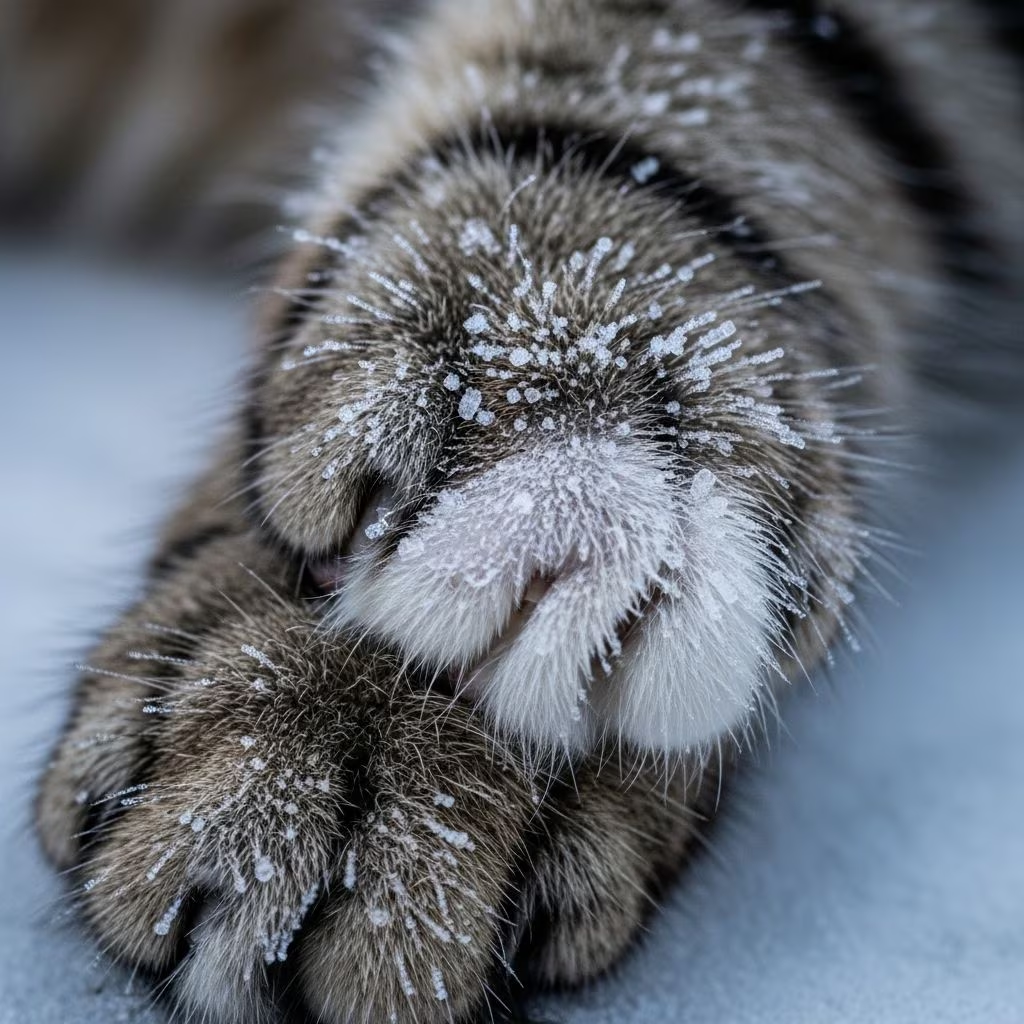
Understanding Frostbite in Cats
Frostbite is a serious condition that occurs when a cat’s skin and underlying tissues freeze due to prolonged exposure to extremely cold temperatures. This injury can cause permanent damage to affected areas and requires immediate veterinary attention. Cats are particularly vulnerable during winter months when temperatures drop significantly, especially outdoor cats or those with limited shelter access. Understanding the signs, causes, and treatment options is essential for every cat owner.
What Causes Frostbite in Cats?
Frostbite develops when cats are exposed to freezing temperatures for extended periods. The condition occurs as ice crystals form in the skin and underlying tissues, causing cellular damage. Certain cats are at higher risk for developing frostbite, including those with underlying health conditions.
Risk Factors for Frostbite
Cats with specific health conditions are more susceptible to frostbite. These include:
– Cats with heart disease- Cats with diabetes mellitus- Cats with conditions that reduce blood flow to the extremities- Outdoor or semi-outdoor cats with limited shelter- Senior cats with compromised circulation- Kittens with underdeveloped temperature regulation
The ear tips of cats are especially vulnerable to frostbite, and damage may occur to these tissues very quickly. Additionally, cats spending extended periods in wet conditions are at increased risk, as moisture accelerates heat loss.
Common Areas Affected by Frostbite
Frostbite most commonly affects the extremities and areas with minimal insulation. The tail, ears, nose, and paws are the most frequently impacted body parts. These areas have less fur coverage and are exposed to cold air, making them particularly susceptible to freezing damage.
Recognizing the Symptoms of Frostbite
Early detection of frostbite is crucial for preventing severe complications. Cat owners should monitor their pets closely during cold weather and watch for the following warning signs:
Initial Signs of Frostbite
– Discoloration of the affected area, appearing pale, bluish, or gray- Skin that feels cold and brittle to the touch- The affected area being numb or lacking sensation- Swelling and redness as tissues begin to thaw- Blistering and skin ulcers- Fur falling out, leaving inflamed and bald areas
Advanced Frostbite Symptoms
As frostbite progresses and tissues continue to freeze, more severe symptoms develop. The skin typically turns bluish-gray or white, and there is a complete loss of sensation in the affected area. As tissue dies, it changes to a dark blue or black color. Over several days to weeks, the dead tissue sloughs or falls off. During this healing phase, pus may form or the tissue may develop a foul smell due to secondary bacterial infection.
It should be noted that cats with frostbite are very likely to be suffering from hypothermia, which is an extremely low body temperature. This dual condition requires immediate medical intervention to prevent life-threatening complications.
Stages of Frostbite Development
Frostbite progresses through different stages, with each stage causing increasing tissue damage:
Superficial Frostbite
In the early stages, only the outer skin layers are affected. The skin may appear pale or slightly discolored, and the affected area feels cold and numb. Once warmed, slight redness and mild swelling may occur, but recovery is often complete with minimal permanent damage.
Deep Frostbite
Deep frostbite affects all skin layers and even the tissue underneath. In this stage, the skin usually turns bluish-gray or white with a complete loss of sensation. Once the skin is warmed, large blisters will appear within one to two days. Eventually, the affected area will harden and turn black as the tissue dies, resulting in permanent damage to the affected tissues and extremities.
First Aid for Frostbitten Cats
If you suspect your cat has frostbite, immediate action is necessary. However, certain first aid measures are critical to implement correctly to prevent further damage.
What You Should Do
– Quickly move your pet to a warm and dry area- If your cat’s body temperature is low and you suspect hypothermia, wrap them in a blanket and place hot water bottles wrapped in towels near them- Keep the animal wrapped while transporting to your vet for medical treatment- Soak the affected area in a bowl of warm (blood temperature) water for 15-30 minutes- Apply warm water compresses to affected areas- Call an emergency vet immediately- Monitor the affected areas closely, as damage can take days to fully manifest
What You Should NOT Do
– Do not apply direct heat, such as a hairdryer or heating pad, to frostbitten areas- Do not massage or rub the affected skin area, as this will further traumatize already damaged tissue- Do not give any pain relief medication unless instructed by your veterinarian- Do not delay seeking professional veterinary care
The goal of first aid is to gently and gradually rewarm the affected areas without causing additional trauma to the damaged tissues. Improper first aid can worsen the condition and increase the risk of complications.
Veterinary Diagnosis and Examination
If you suspect your cat has frostbite, you should seek medical attention immediately. Your veterinarian will examine your cat and take a complete history of cold exposure to diagnose the condition. The vet will perform a physical examination of the lesions and assess the extent of tissue damage.
During the initial examination, your veterinarian will also check for and treat any other conditions, especially systemic shock or hypothermia. These concurrent conditions require immediate treatment to stabilize your cat’s condition before focusing on the frostbite itself.
Professional Treatment Options
Veterinary treatment for frostbite is comprehensive and may involve multiple approaches depending on the severity of the condition.
Pain Management
Since the thawing tissues are extremely painful, your cat will probably be given pain medication. Your veterinarian will prescribe appropriate pain relief medications to keep your cat comfortable during the recovery process. Only veterinarian-prescribed medications should be used, as over-the-counter pain medications designed for humans are not safe for cats.
Warming and Supportive Care
Your veterinarian will continue the warming process by applying warm dressings to the extremities. In some cases, warm intravenous fluids may be used to gradually raise your cat’s core body temperature and support circulation to affected areas. The cat will be kept in a warm environment to facilitate recovery.
Infection Prevention
If tissue necrosis or death is suspected, antibiotics will be used to prevent secondary bacterial skin infection. Your veterinarian may prescribe topical creams to soothe and protect damaged skin as well. These preventative measures are essential, as infected tissue can lead to serious systemic infections.
Tissue Assessment and Debridement
Your veterinarian will assess which tissue is vital and which is dead. Dead tissue will be debrided away. This procedure may need to be repeated every couple of days until a margin of healthy tissue is established. The cat will need either sedation or anesthesia for these debridement procedures to minimize pain and trauma.
Advanced Therapies
In some cases, veterinarians utilize additional therapies to improve outcomes. These may include oclacitinib (Apoquel®), pentoxifylline, aloe vera, and hyperbaric oxygen therapy. These advanced treatment options can help improve blood flow, reduce inflammation, and promote tissue healing.
Amputation in Severe Cases
In severe cases where tissue damage is extensive, amputation may be necessary to prevent complications and gangrene. If the damage affects a large area of skin or if there is a risk of gangrene developing, your veterinarian may recommend amputation of the affected body part. While this is a difficult decision, amputation can prevent life-threatening infections and significantly improve your cat’s quality of life.
Recovery and Aftercare
The healing process from frostbite is typically painful and can take several days to weeks. Your cat will need careful monitoring during recovery to ensure proper healing and to catch any complications early.
Pets with mild frostbite cases will likely not require an extended hospital stay. However, some pets may require surgery to remove damaged tissue or amputation of an affected body part. These pets may need to stay in the veterinary hospital for a few days so their animal care team can closely monitor their recovery.
If your cat’s paws are affected, cage rest may be necessary to decrease pain while the paws heal. During recovery, the affected areas may become itchy, and it may be necessary to use a cone or Elizabethan collar to prevent your cat from scratching and biting their wounds, which could lead to infection.
Your veterinarian will likely want follow-up appointments to ensure your pet is healing and recovering well. These appointments allow your vet to monitor the healing progress and adjust treatment as needed.
Prevention Strategies
The best approach to frostbite is prevention. Cat owners should take steps to protect their feline companions from extreme cold exposure:
– Keep cats indoors during extreme cold weather and winter months- Provide outdoor cats with proper shelter, including insulated cat houses or access to heated structures- Limit outdoor time when temperatures drop below freezing- Ensure cats have access to unfrozen water and warm shelter- Use protective clothing for cats that must go outside in cold weather- Check your cat’s extremities regularly during winter months- Maintain good overall health through proper nutrition and veterinary care to support circulation- Keep your cat’s weight appropriate, as overweight cats may have circulation issues- Monitor weather forecasts and plan accordingly
When to Seek Emergency Care
Contact your veterinarian immediately or visit an emergency veterinary clinic if you notice any signs of frostbite on your cat. Do not wait to see if the condition improves on its own. The sooner your cat receives professional treatment, the better the prognosis and the lower the risk of permanent damage or complications.
Frequently Asked Questions (FAQs)
Q: What is the difference between frostbite and hypothermia?
A: Hypothermia is a dangerously low body temperature, while frostbite is localized tissue damage from freezing. Cats with frostbite often have hypothermia as well, and both conditions require immediate treatment.
Q: How quickly can frostbite develop in cats?
A: Frostbite can develop relatively quickly, especially on vulnerable areas like ear tips. Damage may occur within minutes to hours of exposure to extreme cold.
Q: Can frostbite be completely cured?
A: Deep frostbite often results in permanent damage, including tissue loss and discoloration. Early-stage superficial frostbite may recover with minimal permanent effects, but severe cases typically leave lasting damage.
Q: Is it safe to apply direct heat to frostbitten areas?
A: No, direct heat should be avoided. Instead, use warm (not hot) water soaks or warm compresses. Direct heat can cause further tissue damage by causing peripheral blood vessels to shut down.
Q: What should I do if my cat has both frostbite and hypothermia?
A: Treat hypothermia first by slowly warming your cat with blankets and hot water bottles wrapped in towels. Then transport your cat to the veterinarian for comprehensive treatment of both conditions.
Q: Can indoor cats get frostbite?
A: While less common, indoor cats can get frostbite if exposed to extreme cold for extended periods, such as near poorly insulated windows or doors during extreme weather.
Q: How long does recovery from frostbite take?
A: Recovery can take several days to weeks, depending on the severity of the frostbite. Deep frostbite may require ongoing treatment and monitoring for extended periods.
References
- Frostbite in Cats — VCA Animal Hospitals. 2024. https://vcahospitals.com/know-your-pet/frostbite-in-cats
- Frostbite in Cats: Symptoms, Treatment & Prevention — Pawlicy Advisor. 2024. https://www.pawlicy.com/blog/frostbite-in-cats/
- Frostbite in Cats — PetMD. 2024. https://www.petmd.com/cat/emergency/common-emergencies/e_ct_frostbite
- Frostbite in Cats – Symptoms, Causes, Diagnosis, Treatment — Wag! Walking. 2024. https://wagwalking.com/cat/condition/frostbite
- Cat Frostbite: Clinical Signs and Prevention — Hill’s Pet Nutrition. 2024. https://www.hillspet.com/cat-care/healthcare/cat-frostbite



