

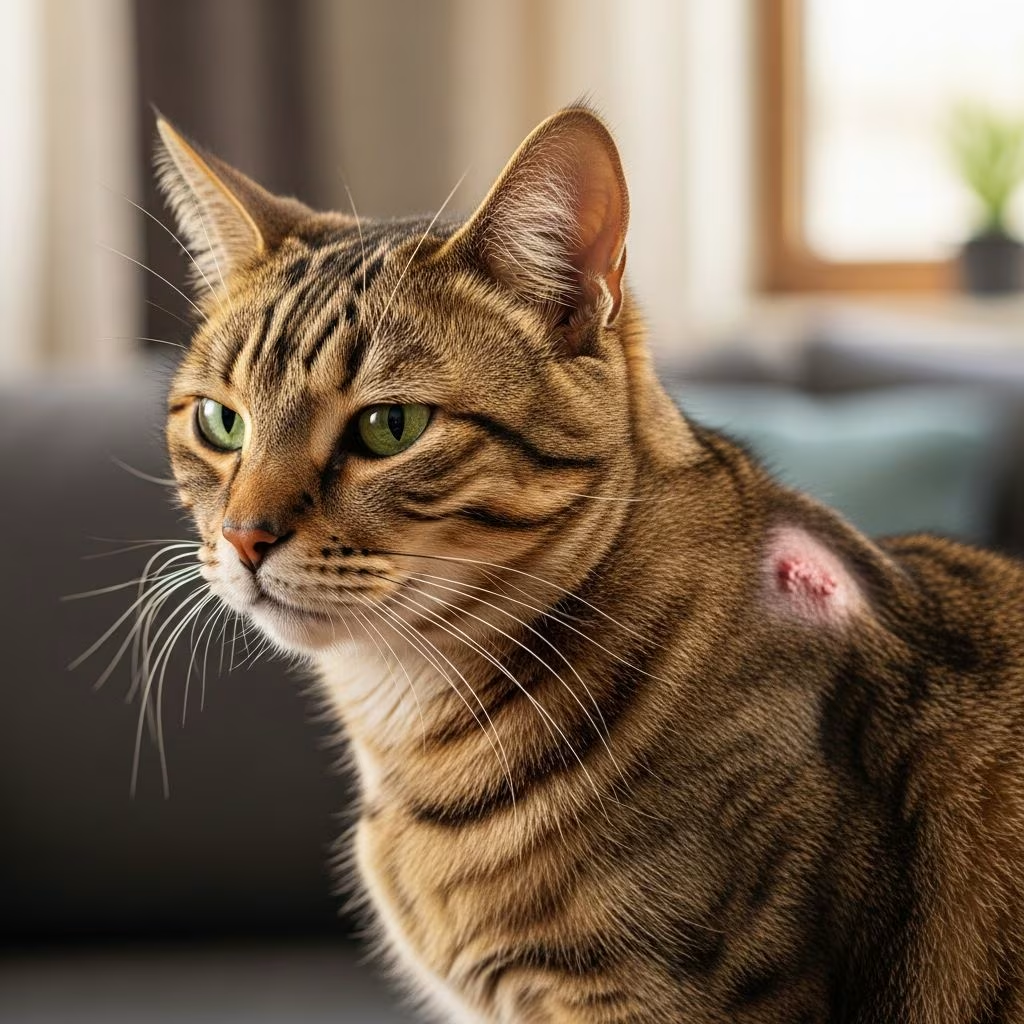
Frontline products, popular topical flea and tick preventives for cats, contain active ingredients like fipronil and (S)-methoprene that target parasites effectively. While generally safe for cats over 8 weeks and weighing at least 1.5 pounds, some felines experience adverse reactions ranging from mild skin issues to rare severe symptoms. Understanding these risks helps pet owners apply treatments correctly and recognize when veterinary intervention is needed.
Understanding Frontline and Its Active Components
Frontline Plus spreads across a cat’s skin via natural oils, killing fleas, ticks, and lice upon contact. The formula disrupts the parasites’ nervous systems without requiring biting, providing month-long protection. Key ingredients include fipronil, which inhibits GABA receptors in insects, and (S)-methoprene, an insect growth regulator preventing flea egg and larval development. These components have low toxicity in mammals when used as directed, but cats’ sensitive skin and grooming habits can lead to unintended exposure.
Cats metabolize these chemicals differently than dogs, making species-specific formulations essential. Over-the-counter availability simplifies access, but consulting a vet ensures suitability, especially for kittens, seniors, or those with health conditions.
Common Mild Reactions to Monitor
Most side effects are localized and transient, affecting less than 1% of treated cats. The primary complaint involves the application site, typically the base of the skull.
- Skin redness and irritation: Temporary inflammation or warmth occurs in some cats, resolving within 24-48 hours.
- Hair loss (alopecia): Patchy fur thinning at the site, often due to scratching from itchiness.
- Itching or scratching: Heightened grooming leads to self-trauma, exacerbating irritation.
- Drooling (hypersalivation): If cats lick the wet application before drying, the bitter taste triggers excessive saliva production.
These reactions stem from sensitivity to active or inactive ingredients like solvents. Bathing the cat prematurely or applying to dirty fur can worsen absorption issues. Owners report symptoms peaking 1-2 days post-application, with most fading naturally.
Rare but Serious Adverse Events
Though infrequent, severe responses demand immediate attention. Neurological signs, gastrointestinal upset, or respiratory distress signal potential toxicity.
| Symptom | Description | Action Required |
|---|---|---|
| Vomiting or diarrhea | Persistent episodes beyond mild upset | Contact vet; hydrate cat |
| Lethargy or weakness | Unusual sleepiness or reluctance to move | Monitor; seek exam if ongoing |
| Uncoordinated movements (ataxia) | Stumbling, tremors, or balance loss | Emergency vet visit |
| Seizures or excitability | Convulsions, hyperactivity, or yowling | Immediate veterinary care |
| Shortness of breath | Rapid or labored breathing | Urgent evaluation |
Such events may arise from accidental ingestion, overdose, or hypersensitivity. User anecdotes describe kittens experiencing intense vocalization, limb weakness, or temporary paralysis post-application, often linked to improper dosing or bathing too soon. Fipronil’s bitterness can cause agitation if groomed off prematurely.
Factors Increasing Reaction Risks
Not all cats react equally; certain conditions heighten vulnerability.
- Age extremes: Kittens under 8 weeks or frail seniors process topicals slower.
- Pre-existing conditions: Immune-compromised, epileptic, or medicated cats face amplified risks.
- Application errors: Using dog formulas, excessive squeezing, or sites reachable by licking.
- Environmental factors: Heavy flea burdens cause ‘hyperactivity’ in dying parasites, mimicking worsening infestations.
- Concurrent products: Mixing with other pesticides leads to interactions.
Pyrethroids in non-feline products are particularly toxic to cats, causing tremors or seizures even in trace amounts.
Proper Application Techniques for Safety
Minimize risks with precise administration.
- Confirm cat’s weight and age eligibility (over 1.5 lbs, 8 weeks).
- Part fur at the neck’s skin level; apply entire contents in one spot.
- Prevent licking for 24-48 hours using cones or distractions.
- Avoid bathing or swimming for 48 hours post-treatment.
- Store securely away from children and other pets.
Monitor for 72 hours, as delayed symptoms can emerge. If reactions occur, bathe with mild dish soap to remove residue, though efficacy varies.
Recognizing Allergic Responses
Hypersensitivity manifests as hives, facial swelling, or anaphylaxis-like symptoms. Genetic predispositions or prior exposures sensitize some cats. Differentiate from irritation: allergies persist or intensify despite time. Switch to oral preventives like nitenpyram or prescription topicals under vet guidance.
Alternatives to Frontline for Flea Control
For reactive cats, explore vetted options.
- Revolution (selamectin): Prescription topical for fleas, heartworms, mites; lower skin reaction reports.
- Advantage Multi: Combines imidacloprid with moxidectin for broad protection.
- Capstar (nitenpyram): Oral fast-kill for infestations; short-acting.
- Natural aids: Diatomaceous earth or essential oil collars (vet-approved only).
Environmental control—vacuuming, washing bedding—complements any treatment, targeting 95% of flea life stages off-host.
When to Contact a Veterinarian
Err on caution: any behavioral changes, persistent symptoms, or uncertainty warrants professional input. Poison control hotlines like ASPCA offer 24/7 advice. Vets may recommend bloodwork, supportive care (IV fluids, anti-seizure meds), or product discontinuation.
Preventive Strategies for Long-Term Flea Management
Year-round treatment in endemic areas prevents resistance buildup. Rotate products judiciously under supervision to maintain efficacy. Regular vet check-ups tailor plans to lifestyle and regional threats.
Frequently Asked Questions (FAQs)
Can Frontline cause seizures in cats?
Rarely, yes—neurological effects like seizures occur in hypersensitive cats or with misuse. Seek emergency care immediately.
How long do side effects last?
Mild issues resolve in 1-2 days; severe ones require intervention and may linger until the product metabolizes (up to 30 days).
Is Frontline safe for pregnant cats?
Yes, when directed, but consult a vet for breeding or lactating queens.
What if my cat licks Frontline?
Expect drooling from bitterness; monitor for vomiting. Bathe if possible and call a vet if symptoms escalate.
Why do fleas appear after treatment?
Dying fleas become hyperactive, emerging from hiding. Consistent environmental cleaning addresses eggs/pupae.
References
- Frontline Plus for Cats: Uses, Dosage, Side Effects — GoodRx. 2023. https://www.goodrx.com/pet-health/cat/frontline-plus-for-cats
- The Side Effects of Frontline Flea & Tick Prevention — PetBucket. 2017-04-24. https://www.petbucket.com/blog/62916/the-side-effects-of-frontline-flea-tick-prevention.html
- Frontline for Cats: Dosage, Safety & Side Effects — Cats.com. 2023. https://cats.com/frontline-for-cats
- Does Frontline Plus Have Any Known Side-effects? — PetShed. 2023. https://www.petshed.com/petcyclopedia/frontline-plus-have-any-known-side-effects.html
- Flea Control Product Toxicity – in Dogs and Cats — MedVet. 2023. https://www.medvet.com/know-flea-product-toxicity-dogs-cats/
- Flea and Tick Medicine Poisoning in Cats — PetMD. 2023. https://www.petmd.com/cat/conditions/poisoning/neurological/flea-and-tick-medicine-poisoning-cats



