

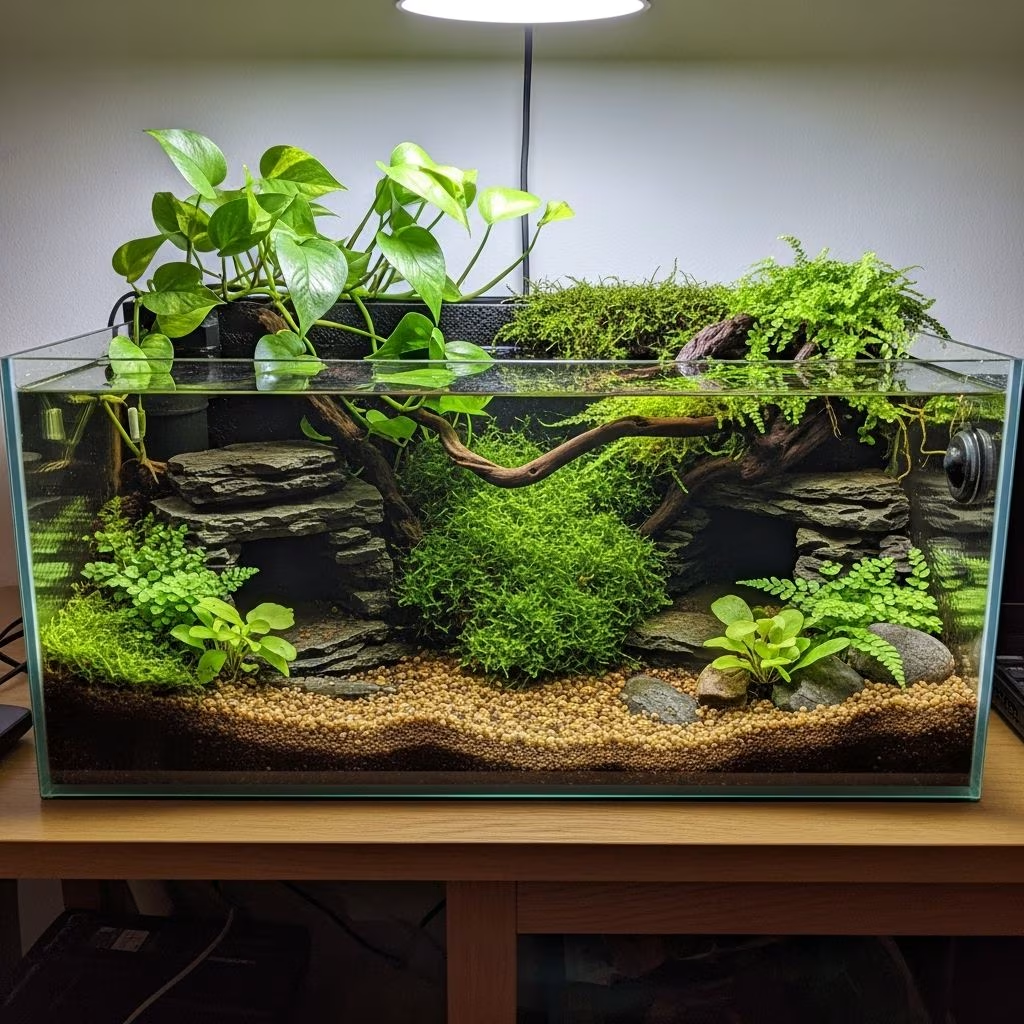
Setting up a proper frog tank requires careful planning and attention to detail. Unlike many other pets, frogs have specific environmental needs that must be met to ensure their health and longevity. Whether you are a beginner or an experienced herpetologist, understanding the fundamentals of frog tank setup is essential for creating a thriving habitat. This comprehensive guide will walk you through every aspect of establishing the perfect environment for your pet frogs.
Understanding Your Frog Species
Before you begin setting up your frog tank, it is crucial to identify the species of frog you plan to keep. Different frog species have vastly different habitat requirements, and what works for one species may be entirely inappropriate for another. Some frogs are arboreal, meaning they live in trees and require vertical space. Others are terrestrial and need horizontal floor space, while aquatic frogs spend most of their time in water.
The species you choose will determine the tank size, substrate type, humidity levels, temperature ranges, and overall design of your habitat. Taking time to research your specific frog species before purchasing equipment will save you money and effort in the long run.
Selecting the Right Tank Size
Tank size is one of the most important factors in frog tank setup. An undersized tank can lead to stress, poor water quality, and health issues for your frogs. The appropriate tank size depends on both the species and the number of frogs you plan to house.
Tank Size Recommendations by Species
For dart frogs, a 20-gallon tank is suitable for a small group, providing adequate floor space for these active frogs. Tree frogs, being arboreal, benefit from taller enclosures that allow them to climb and explore vertical spaces. A tall tank measuring 18 to 24 inches in height is ideal for tree frogs. Aquatic frogs, such as African dwarf frogs, can be housed in smaller 10-gallon tanks, though more space is always beneficial for their well-being.
When keeping multiple frogs, significantly more space is necessary to prevent territorial conflicts and reduce stress. Always err on the side of providing more space rather than less, as overcrowding is a common cause of poor frog health.
Substrate and Drainage Layers
The substrate you choose forms the foundation of your frog tank and plays a vital role in maintaining proper humidity and supporting plant life within the enclosure. A well-designed drainage system prevents waterlogging and keeps your frogs healthy.
Drainage Layer Importance
A proper drainage layer should be established at the bottom of your tank, typically consisting of hydroton, expanded clay balls, or pebbles. This layer allows excess water to drain away from the main substrate, preventing waterlogged conditions that can harm your frogs. For bioactive vivariums, a drainage layer 3-4 inches deep is recommended to reduce the frequency of drainage intervals and minimize disturbance to the enclosure.
Substrate Options
Several substrate types are suitable for frog tanks, each offering different benefits:
Coco Fiber: Excellent for holding moisture and humidity, coco fiber is suitable for most terrestrial frogs and is easy to maintain. Sphagnum Moss: This substrate excels at retaining moisture and is perfect for frogs requiring highly humid environments. Gravel or Sand: These materials work well for aquatic frog tanks and can create an aesthetically pleasing appearance when layered. Pine Bark: Another option for terrestrial setups, pine bark provides good drainage while maintaining humidity levels.
Creating Proper Humidity and Moisture Control
Humidity is critical for frog health, as these amphibians breathe through their skin and require consistent moisture levels. The humidity requirements vary by species but typically range from 50% to 100% depending on whether your frogs are tropical, temperate, or moisture-loving species.
Humidity Monitoring and Management
A hygrometer is an essential tool for monitoring humidity levels in your frog tank. Simple spray misters can be used to maintain humidity by regularly misting the enclosure, though this requires constant monitoring and manual adjustment. For more advanced setups, foggers and rainmakers can automatically simulate natural moisture conditions, creating morning fog or mini rainstorms that keep humidity levels optimal while requiring minimal daily maintenance.
Water Features
Incorporating water features into your frog tank provides both functional and aesthetic benefits. A shallow water dish allows frogs to soak and hydrate, while cascading water features help maintain humidity and create a more naturalistic environment. For paludarium setups that combine land and water, maintain water levels where frogs can access shallow areas for resting and swimming.
Temperature Control and Lighting
Temperature regulation is essential for maintaining your frogs’ metabolic functions and overall health. Most frogs do best in temperatures between 75-85°F (24-29°C) during the day, with cooler nighttime temperatures of 65-75°F (18-24°C).
Heating Equipment
Heat mats, ceramic heat emitters, and under-tank heaters can be used to maintain appropriate temperatures. Dual lamp fixtures allow you to control both heating and lighting simultaneously. Always use a thermostat to prevent overheating and maintain consistent temperatures.
Lighting Considerations
While many frog species do not require specialized UVB lighting like reptiles do, providing a natural day-night cycle supports their circadian rhythms. A 12-hour light and 12-hour dark cycle is typically appropriate. If you are growing live plants in your tank, adequate lighting becomes even more important for supporting plant growth and photosynthesis.
Live Plants and Vegetation
Live plants serve multiple important functions in a frog tank. They provide hiding spots, climbing surfaces for arboreal species, and help maintain humidity levels. Hardy, easy-to-maintain plants are ideal for frog habitats.
Plant Selection and Placement
Consider species like Sedums and other moisture-tolerant plants that thrive in humid conditions. For arboreal setups, trailing plants can be positioned to create natural vines and climbing pathways. When setting up bioactive vivariums, plants play a crucial role in filtering water and maintaining the ecosystem balance.
Plants can be positioned in the substrate, in pots recessed into the foam or substrate, or attached to branches and cork bark. Many frog tank plants enjoy having their roots in water or consistently moist substrate, making them perfectly suited for amphibian enclosures.
Decor and Enrichment
Proper decor is just as important as plants in creating a comfortable and stimulating environment for your frogs. These items provide hiding spots, climbing surfaces, and psychological enrichment.
Decor Options
Branches and Driftwood: Essential for arboreal frogs, these create climbing pathways and perching spots. Branches can be suspended using nylon or cotton for flexible positioning. Cork Bark: This material provides natural-looking hiding spots and climbing surfaces while being lightweight and easy to position. Rocks: Use rocks to create ground-level hiding spots, climbing features, and to support water features. Rocks can direct water flow in waterfall setups. 3D Printed Accessories: Modern bioactive setups often incorporate custom 3D printed accessories designed specifically for amphibian habitats.
Water and Filtration Systems
The water component of your frog tank requires careful management to maintain proper water quality and humidity. The filtration system you choose depends on whether you are creating a fully aquatic, semi-aquatic, or paludarium setup.
Waterfall and Filtration Setup
For paludarium setups combining land and water sections, a simple sponge filter with suction cup attachment can be positioned at the back of the tank. The filter intake sits in the water while the output cascades over rocks or onto the sponge platform above, creating a waterfall effect that maintains humidity while returning water to the pond area. This approach is simpler than traditional plumbing methods and works well for most frog species.
When setting up waterfall features, ensure water flows over rocks or designated areas to prevent debris from stirring up sand and gravel on the substrate. Placing flat rocks beneath cascading water helps control water flow and keeps the substrate cleaner.
Paludarium Setup Specifics
A paludarium combines aquatic and terrestrial environments, making it suitable for semi-aquatic frogs and marsh species. This setup mimics natural wetland habitats where frogs can rest in shallow water, climb on land, and explore both environments.
Creating Land and Water Areas
Sponge platforms can create dry land areas while allowing water to cascade down into collection areas below. The water level should be shallow enough for frogs to access easily but deep enough for swimming and soaking. Typically, water levels should accommodate comfortable shallow areas where frogs can rest while their heads remain above water.
Secure all structures carefully to prevent frogs from becoming trapped or drowning. Push platforms into corners, wedge them with gravel and rocks, and glue larger rock structures together with super glue for borrowing species.
Substrate Layering and Design
A well-designed substrate layer creates an attractive, functional living space. Many setups benefit from layered substrates that combine different materials for both visual appeal and functional benefits.
Layering Technique
Start with darker substrate materials on top layers for visual appeal, then transition to lighter materials like sand in middle sections. This creates an attractive, naturalistic appearance while providing varied textures and microhabitats within the substrate. Ensure adequate drainage by keeping the drainage layer at the bottom free of decorative substrate.
Setting Up Your Tank: Step-by-Step Process
Follow these steps to create a well-organized frog tank:
Step 1: Plan Layout Determine where land areas, water features, and climbing structures will be positioned. Step 2: Install Drainage Add your drainage layer at the bottom using hydroton or pebbles. Step 3: Position Filters and Equipment Place filter equipment to support your waterfall or water circulation system. Step 4: Create Platforms Install sponge platforms or other structures that create land areas. Step 5: Add Substrate Layer your chosen substrate materials in the designated areas. Step 6: Position Rocks and Decor Arrange rocks, branches, and other decorative elements. Step 7: Plant Vegetation Install live plants by recessing pots or positioning plants throughout the substrate. Step 8: Fill and Test Add water carefully and test all equipment before introducing frogs.
Tank Ventilation and Sealing
Proper ventilation is essential for preventing fungal and bacterial growth while maintaining appropriate humidity levels. A terrarium sealed with aquarium sealant around the bottom and edges provides a moisture-controlled environment. However, ventilation ports or nets on the top allow for fresh air circulation without losing humidity control.
The balance between sealing and ventilation depends on your specific setup and frog species. Most frog tanks benefit from sealed bottoms and sides with screened or ported ventilation on top.
Essential Equipment Checklist
Before setting up your frog tank, gather these essential items:
– Appropriate-sized tank or enclosure- Substrate materials (coco fiber, moss, or combination)- Drainage layer materials (hydroton, pebbles)- Water filter and circulation equipment- Heating equipment (heat mat, ceramic heat emitter)- Thermometer and hygrometer- Lighting and lamp fixtures- Live plants- Branches, cork bark, and rocks- Aquarium sealant- Dechlorinated water- Food and feeding equipment
Frequently Asked Questions
Q: How often should I mist my frog tank?
A: Misting frequency depends on your humidity levels and equipment. With automated foggers or rainmakers, misting may occur automatically several times daily. With manual spray misters, mist as needed to maintain appropriate humidity levels, typically 1-3 times daily depending on your setup.
Q: Can I keep different frog species together?
A: Generally, it is best to keep same species together or compatible species with similar environmental needs. Different species have varying temperature, humidity, and diet requirements, and combining incompatible species often leads to stress and health problems.
Q: What is the best substrate for my frog tank?
A: The best substrate depends on your frog species. Coco fiber and sphagnum moss are excellent for most terrestrial and semi-aquatic frogs. Gravel and sand work well for aquatic frogs. Choose materials that support proper humidity while allowing adequate drainage.
Q: How long does it take to set up a frog tank?
A: Setting up a basic frog tank typically takes 2-4 hours, while more complex bioactive setups may require a full day or more. The time investment upfront ensures a healthy, stable environment for your frogs.
Q: Do all frogs need live plants in their tanks?
A: While not absolutely required, live plants provide significant benefits including humidity maintenance, hiding spots, and aesthetic appeal. Many frog keepers recommend including at least some hardy plants in any frog setup.
Q: What temperature should my frog tank maintain?
A: Most frogs do best between 75-85°F during the day and 65-75°F at night. However, specific requirements vary by species, so research your particular frog’s temperature needs before setting up your enclosure.
References
- How To Setup a Frog Tank / Frog Paludarium Build — YouTube. Accessed 2025-11-28. https://www.youtube.com/watch?v=8Qvy1RaQKtQ
- How to set up a frog terrarium at home – Help Guides — Swell Aquatics UK. Accessed 2025-11-28. https://www.reptiles.swelluk.com/help-guides/setting-up-a-frog-terrarium-at-home/
- The Ultimate Guide To Setting Up The Perfect Frog Tank — Frog Father. Accessed 2025-11-28. https://frogfather.co.uk/the-ultimate-guide-to-setting-up-the-perfect-frog-tank/
- A Set-up Guide for Your Tree Frog — Reptizoo. Accessed 2025-11-28. https://reptizoo.store/blogs/reptizoo-reptiles-blogs/a-set-up-guide-for-your-tree-frog
- Bioactive Vivarium Build Guide for Pacific Tree Frogs – Part 1 — Betta Botanicals. Accessed 2025-11-28. https://bettabotanicals.com/blogs/bens-aquarium/bioactive-vivarium-build-guide-for-pacific-tree-frogs-part-1



