

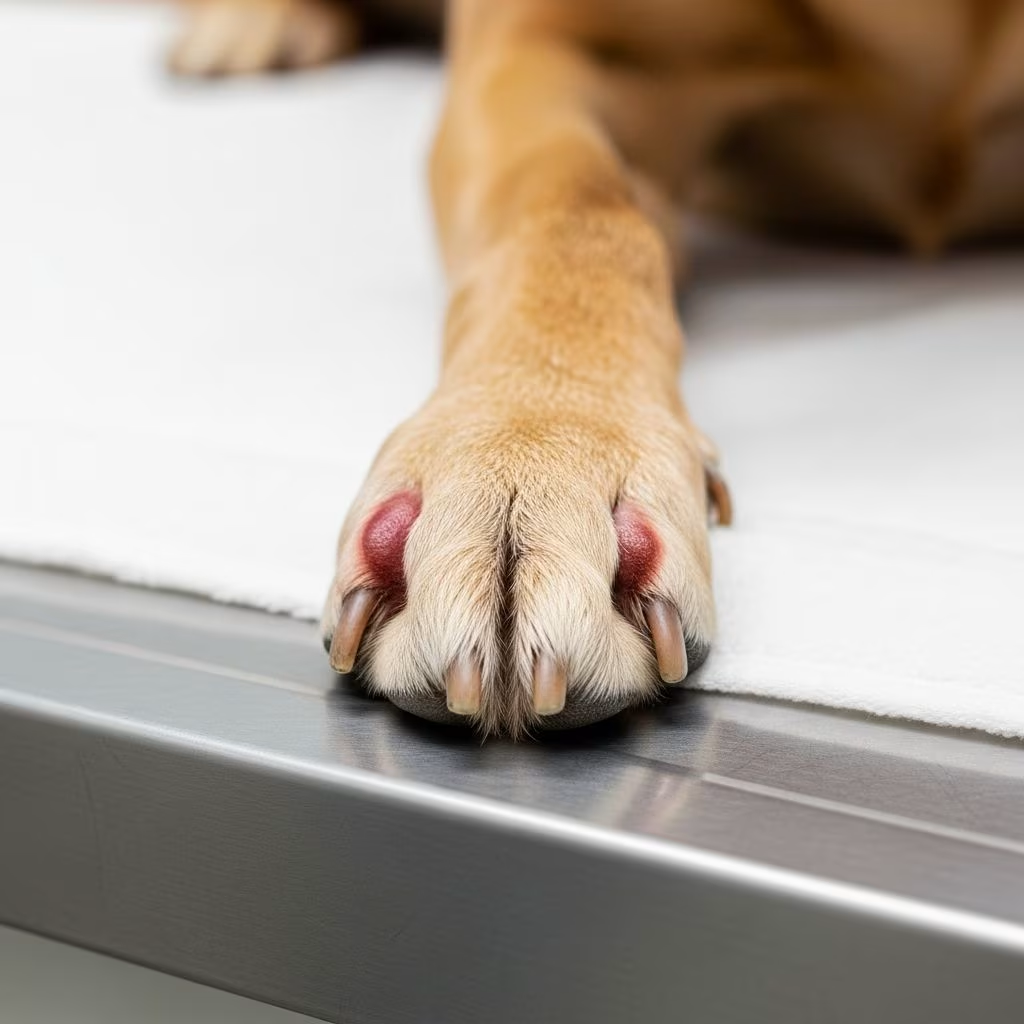
The distinctive corn chip aroma emanating from a dog’s paws, affectionately dubbed “Frito feet,” is a common observation among pet owners. This scent arises primarily from natural microorganisms thriving on the paw skin, particularly in the moist spaces between toes. While often benign, understanding its origins helps distinguish normal occurrences from potential health concerns.
Understanding the Corn Chip Scent Phenomenon
Dogs’ paws serve as their primary cooling mechanism since they lack widespread sweat glands, concentrating them in the paw pads. This leads to constant moisture, creating an ideal habitat for bacteria and yeast. The smell mimics Fritos or popcorn due to volatile compounds produced by these microbes during metabolism.
Bacteria such as Proteus and Pseudomonas are frequent contributors, residing as part of the skin’s normal microbiome. Yeast, another resident, amplifies the odor in warm, damp conditions. These organisms are present on healthy dogs but proliferate under certain triggers.
Microbial Culprits Behind the Odor
- Proteus Bacteria: This rod-shaped bacterium flourishes in wet environments like interdigital spaces, producing a musty, chip-like scent when it metabolizes skin debris and sweat.
- Pseudomonas Species: Known for producing similar aromas, these bacteria colonize paw surfaces, especially after exposure to soil or water.
- Yeast Organisms: Malassezia yeast, common on canine skin, emits a yeasty, corn-like smell. It prefers humid areas such as paws and ears.
- Staphylococcus (Staph): Occasionally involved, contributing to the overall microbial bouquet in moderate amounts.
In balanced populations, these microbes maintain skin health. Overgrowth, however, signals imbalance, often linked to external factors.
Factors Promoting Odor Development
Several everyday elements foster microbial growth on paws:
| Factor | Description | Impact |
|---|---|---|
| Moisture | Sweat from paw pads and wet walks traps humidity between toes. | Creates breeding ground for bacteria and yeast. |
| Allergies | Environmental or food sensitivities cause itching, leading to licking. | Introduces saliva bacteria, exacerbates overgrowth. |
| Licking/Chewing | Self-soothing behavior adds moisture and oral microbes. | Breaks skin barrier, invites infection. |
| Environmental Exposure | Dirt, grass, allergens accumulate during outdoor activity. | Feeds microbes, intensifies scent. |
| Breed Predisposition | Dogs with pendulous ears or skin folds (e.g., Bulldogs) retain more moisture. | Higher risk of persistent odor. |
Hot weather or stress increases paw sweating, amplifying conditions for scent production.
When Frito Feet Signal a Problem
A mild corn chip smell is typically harmless and reflects a healthy microbiome. However, monitor for escalation:
- Intensified or foul odor beyond mild chip scent.
- Redness, swelling, or hot spots (pododermatitis) on pads or between toes.
- Excessive paw licking, chewing, or limping.
- Hair loss, bumps, lesions, or cracked nails around paws.
- Behavioral changes like paw favoring or irritability.
Pododermatitis, an inflammatory paw condition, often stems from unchecked microbial overgrowth, allergies, or injuries. Untreated, it leads to pain and secondary infections.
Daily Maintenance for Fresh Paws
Preventive care keeps Frito feet in check without eliminating beneficial microbes entirely.
- Thorough Drying: After walks, baths, or rain, towel-dry paws, focusing on toe webs. Use a low-heat blow dryer if needed.
- Regular Cleaning: Wipe paws with pet-safe wipes or a diluted apple cider vinegar solution (1:1 with water) weekly to balance pH.
- Trimming Fur: Keep hair between toes short to improve airflow and reduce trapping.
- Moisturizing: Apply vet-recommended paw balms to prevent cracks that harbor bacteria.
- Dietary Support: Omega-3 supplements may reduce allergy-related itching.
Avoid over-bathing, which strips natural oils and promotes rebound microbial growth.
Advanced Solutions for Persistent Issues
If home care fails, consult a veterinarian. Diagnostics may include skin scrapes or cytology to identify overgrowth.
- Topical Treatments: Medicated shampoos with chlorhexidine or antifungal agents target bacteria and yeast.
- Oral Medications: Antibiotics for bacterial infections or antifungals for yeast dermatitis.
- Allergy Management: Testing for food/environmental triggers, followed by hypoallergenic diets or immunotherapy.
- Cone or Booties: Prevent licking to allow healing.
For chronic cases, address underlying issues like hypothyroidism or immune disorders.
Breed-Specific Considerations
Certain breeds face heightened risks:
- Short-Nosed Breeds (e.g., Pugs): Facial folds extend to paw moisture retention.
- Hounds and Retrievers: Active lifestyles increase dirt exposure.
- Allergy-Prone (e.g., Bulldogs, Labs): Genetic predispositions amplify issues.
Tailor care to breed traits for optimal results.
FAQs on Frito Feet
Is Frito feet dangerous for my dog?
Usually not; it’s a normal microbial scent. Seek vet care for accompanying inflammation.
Can I stop the smell completely?
Not advisable, as it indicates healthy bacteria. Focus on moderation through hygiene.
How often should I clean my dog’s paws?
Daily wipes after walks; deep cleans 1-2 times weekly.
Does diet affect paw odor?
Yes, allergies from poor diet can worsen it. High-quality, hypoallergenic food helps.
When to worry about ear smells too?
Combined paw and ear odors suggest systemic yeast issues; vet evaluation needed.
Long-Term Paw Health Strategies
Beyond odor control, promote paw resilience:
- Inspect paws weekly for cuts or foreign objects.
- Provide varied walking surfaces to toughen pads.
- Monitor for seasonal allergy flares in spring/fall.
- Integrate paw massages to improve circulation.
Consistent routines prevent escalation to costly treatments. Educated owners catch issues early, ensuring paws—and noses—stay happy.
References
- Why Do My Dog’s Paws Smell like Fritos? — Skout’s Honor. 2023. https://www.skoutshonor.com/blogs/resources/why-do-my-dogs-paws-smell-like-fritos
- Why Do My Dog’s Feet Smell Like Fritos? — Bottletree Animal Hospital. 2024. https://bottletreeanimalhospital.com/blog/dogs-feet-smell-like-fritos/
- Why Do My Dog’s Feet Smell Like Fritos? Is This Normal? — Chewy. 2023. https://www.chewy.com/education/dog/health-and-wellness/why-do-dogs-feet-smell-like-fritos
- Why Do My Dog’s Paws Smell Like Fritos? — Precious Petcare. 2024. https://www.preciouspetcaresd.com/news/why-do-my-dogs-paws-smell-like-fritos/
- Why Does My Dog Smell Like Fritos? — Wag Hotels. 2023. https://www.waghotels.com/blog/why-does-my-dog-smell-like-fritos-understanding-the-corn-chip-aroma/
- Why Do My Dog’s Feet Smell Like Corn Chips? — AKC. 2024. https://www.akc.org/expert-advice/health/why-do-my-dogs-feet-smell-like-fritos/
- Why Do My Dog’s Feet Smell Like Fritos? — Lone Tree Veterinary. 2023. https://www.lonetreevet.com/blog/why-do-my-dogs-feet-smell-like-fritos/



