

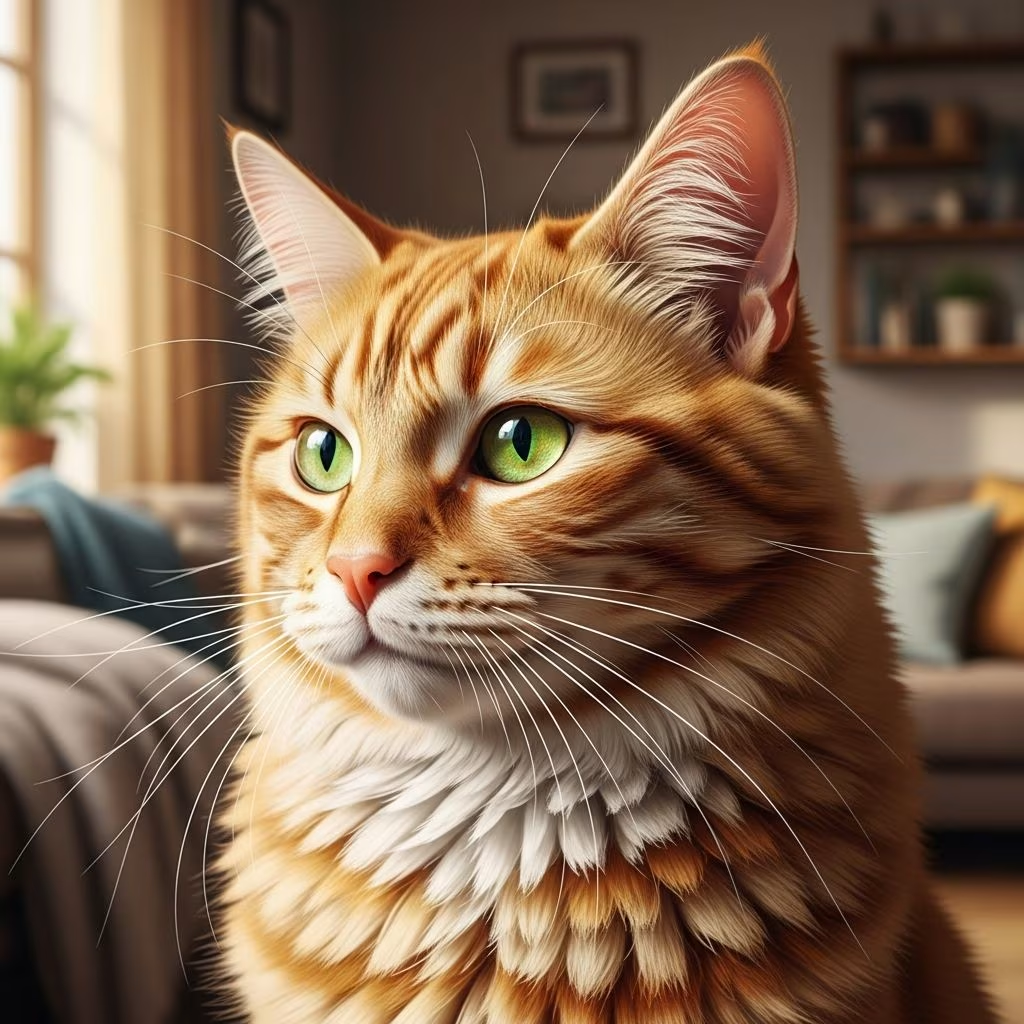
Choosing a cat breed that prioritizes sociability can transform your home into a hub of warmth and interaction. These friendly felines often greet you at the door, curl up for laps, and engage playfully with everyone around. Drawing from breed standards and expert observations, this guide highlights standout sociable cats, their unique traits, care needs, and why they bond so deeply with humans.
Why Sociability Matters in Cat Selection
Friendly cat breeds stand out for their outgoing personalities, tolerance for handling, and desire for companionship. Unlike more independent types, these cats seek interaction, making them ideal for busy households, apartments, or families with children and other pets. Their adaptability reduces stress and enhances mutual joy, fostering lifelong attachments.
- Key sociable traits: Vocal communication, playfulness, and lap-loving tendencies.
- Family benefits: Gentle with kids, compatible with dogs, and welcoming to guests.
- Health perks: Active lifestyles from play prevent obesity and promote mental sharpness.
Top Sociable Giants: Maine Coon and Norwegian Forest Cat
Large breeds like the Maine Coon top lists for friendliness due to their dog-like loyalty and gentle demeanor. Nicknamed “gentle giants,” they thrive in dynamic environments.
Maine Coon: The Loyal Family Ambassador
Maine Coons impress with their massive size yet tender approach, often chirping greetings and following owners room-to-room. Their intelligence demands puzzles and fetch games, strengthening bonds through shared activities. Long, water-repellent coats require weekly brushing, turning grooming into affection sessions. They excel with children, rarely showing aggression, and adapt well to multi-pet homes.
- Size: Up to 25 pounds, 40 inches long.
- Temperament: Playful, sociable, patient.
- Care: High grooming, moderate exercise.
Norwegian Forest Cat: Majestic and Welcoming
With thick, waterproof fur suited for cold climates, Norwegian Forest Cats embody rugged charm paired with warm sociability. They patrol homes like guardians, enjoying human presence without clinginess. Patient with kids and dogs, they balance independence with cuddles, making them versatile for various lifestyles.
Expressive Talkers: Siamese and Oriental Shorthair
Vocal breeds like Siamese bring conversation to feline companionship, meowing to share thoughts and demand attention.
Siamese: The Chatty Heart-Stealer
Siamese’s striking blue eyes and sleek bodies match their bold personalities. They shadow owners, vocalizing needs and joining family meals. Heat-seeking cuddlers, they dislike solitude, preferring active homes or pairs. Excellent with respectful children, their energy suits interactive play.
Oriental Shorthair: Curious Conversationalists
Related to Siamese, Oriental Shorthairs boast elegant lines and endless curiosity. They explore boldly, chatter animatedly, and form deep loyalties. Playful athletes, they fetch toys and befriend other animals, thriving in stimulating environments.
Relaxed Cuddlers: Ragdoll and Birman
These plush-coated breeds melt into relaxation, offering serene affection.
Ragdoll: The Ultimate Lap Cat
Ragdolls earn their name by going limp when held, embodying pure trust. They greet arrivals at doors, follow quietly, and tolerate gentle handling from kids. Calm yet playful, they fit apartments perfectly, with semi-long fur needing moderate grooming.
Birman: Gentle Souls for Multi-Pet Homes
Birmans’ striking points and white-gloved paws complement their sweet dispositions. Highly sociable, they mingle with pets and people alike, purring contentedly during pets. Affectionate without demands, they suit calm families seeking quiet companions.
Energetic Explorers: Abyssinian and Bengal
High-energy breeds demand engagement but reward with devoted fun.
Abyssinian: Playful Adventurers
Abyssinians, among ancient breeds, buzz with activity, leaping and investigating. Affectionate family lovers, they perch nearby during downtime. Their ticked coats gleam with minimal care, but vertical spaces like cat trees are essential.
Bengal: Wild-Looking Socialites
Bengals’ leopard spots hide playful hearts. Athletic and people-oriented, they splash in water and learn tricks. Social butterflies, they greet strangers warmly and play with dogs, needing outlets for energy.
Hairless Warm-Seekers: Sphynx
Sphynx: Wrinkle-Filled Affection Machines
Sphynx cats crave body heat, burrowing under blankets for skin-to-skin bonds. Extroverted and dog-friendly, they “wink” with slow blinks. Weekly baths maintain wrinkle-free skin, and their hospitality welcomes all.
Laid-Back Classics: British Shorthair, American Shorthair, and Persian
| Breed | Temperament | Grooming | Best For |
|---|---|---|---|
| British Shorthair | Calm, chatty, playful | Low | Families, kids |
| American Shorthair | Even-tempered, gentle | Low | Working homes |
| Persian | Easygoing, lap-loving | High | Quiet spaces |
British Shorthairs offer plush comfort with friendly chats. American Shorthairs provide reliable companionship. Persians demand trust but repay with devotion.
Other Notables: Burmese, Exotic Shorthair, and Tonkinese
Burmese fetch like dogs, full of courage. Exotic Shorthairs blend Persian charm with easy coats. Tonkinese mix Siamese energy with Burmese warmth.
Care Essentials for Sociable Cats
Match breeds to lifestyles: active homes suit Abyssinians; relaxed ones favor Ragdolls. Provide enrichment like toys and perches. Regular vet checks monitor breed-specific issues like Maine Coon’s hip dysplasia or Siamese’s dental needs.
- Nutrition: High-protein diets for energy.
- Exercise: Interactive play 15-20 minutes daily.
- Socialization: Early exposure builds confidence.
Choosing Your Friendly Feline
Visit breeders or shelters; observe interactions. Consider allergies, space, and time. Mixed breeds often inherit sociable traits too.
Frequently Asked Questions
Are friendly cats good with kids?
Yes, breeds like Maine Coons and Ragdolls show remarkable patience.
Do sociable cats get along with dogs?
Many, including Sphynx and Bengals, form interspecies friendships.
How to encourage bonding?
Use play, treats, and gentle handling from kittenhood.
What’s the most low-maintenance friendly breed?
American Shorthair offers affection with minimal grooming.
Can shy cats become friendly?
With patience and enrichment, many do.
References
- Discover the friendliest cat breeds with Sheba — Sheba UK. 2023. https://www.uk.sheba.com/blog/bonding-care/friendliest-cat-breeds
- What are the Friendliest Cat Breeds? — Hill’s Pet. 2024. https://www.hillspet.com/cat-care/new-pet-parent/friendliest-cat-breeds
- 15 Friendliest Cat Breeds To Add To Your Family — Litter-Robot. 2023. https://www.litter-robot.com/blog/friendliest-cat-breeds/
- 13 Friendliest Cat Breeds — PetMD. 2024-01-15. https://www.petmd.com/cat/general-health/friendliest-cat-breeds
- The Top 10 Most Affectionate and Friendliest Cat Breeds — Purina UK. 2023. https://www.purina.co.uk/find-a-pet/articles/cat-types/breed-guides/friendliest-cat-breeds



