

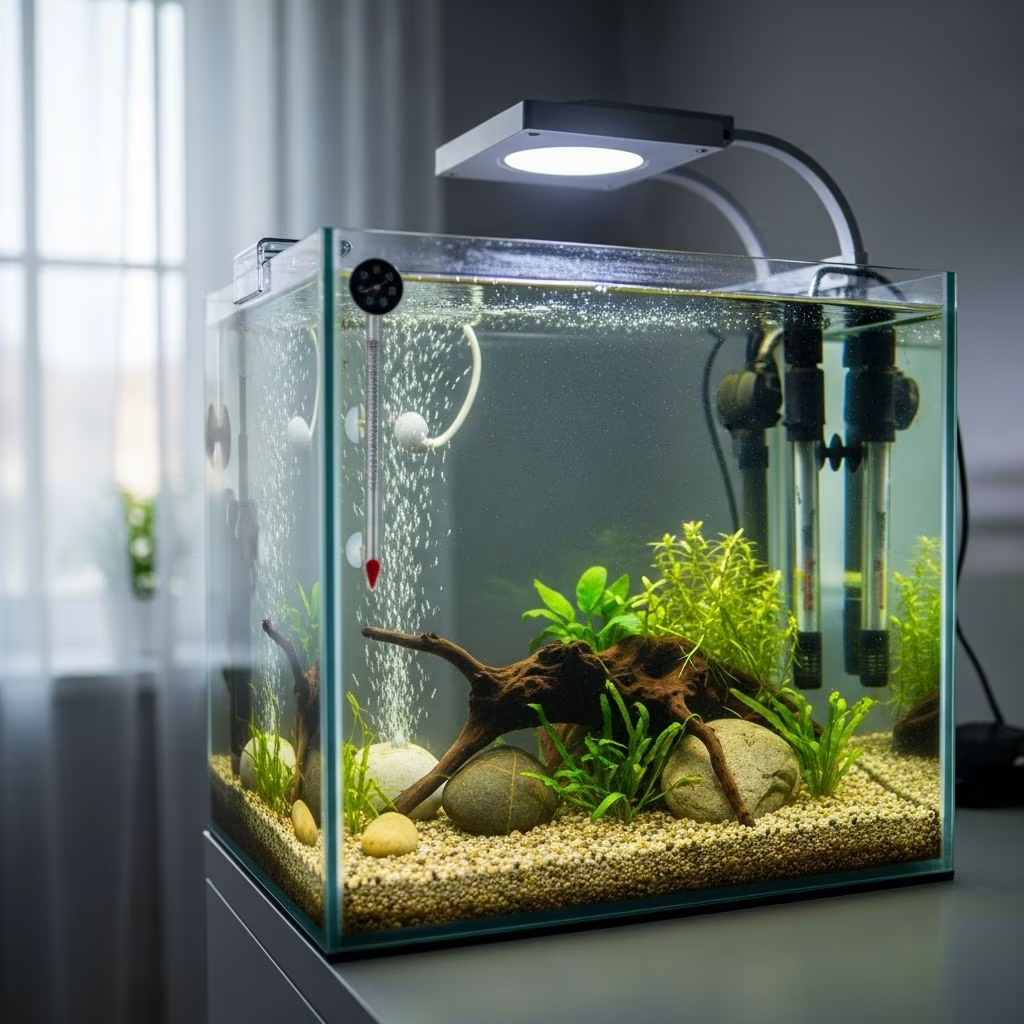
Understanding Freshwater Aquarium Tank Cycling
Setting up a new freshwater aquarium is an exciting prospect for any aquarist, but rushing into adding fish without proper preparation can lead to disaster. The key to a thriving aquarium ecosystem is understanding and properly executing the aquarium cycling process. Tank cycling is the biological process that establishes a healthy environment where your fish can safely live. Without cycling, ammonia and other toxic compounds will accumulate in your tank, harming or killing your fish.
The aquarium cycling process ensures that beneficial bacteria colonies develop in your tank to process fish waste and convert toxic compounds into safer substances. This transformation happens through the nitrogen cycle, a natural biological process that mirrors what occurs in natural water environments. Understanding this fundamental process is the first step toward creating a successful aquarium.
What is the Nitrogen Cycle?
The nitrogen cycle is nature’s recycling system for nutrients. In an aquarium, bacteria and plants convert nitrogen compounds from their environment, creating a balanced ecosystem where fish waste becomes manageable. The aquarium nitrogen cycle begins when a source of ammonia enters the tank through fish waste, uneaten food, or plant decay.
The cycle works through several stages. First, ammonia is introduced into the water column. Beneficial bacteria called Nitrosomonas convert ammonia into nitrite, which is still toxic to fish. Then, another strain of beneficial bacteria called Nitrobacter converts nitrite into nitrate, which is far less harmful to fish at typical aquarium levels. This three-stage transformation is essential for creating a safe environment.
The cycle is considered complete when ammonia and nitrite levels remain at 0 ppm while nitrate levels are above 0 ppm. At this point, your tank can safely support fish, though regular maintenance like water changes becomes necessary to manage nitrate accumulation.
Why Cycling is Critical for Your Aquarium
New aquariums lack the established bacterial colonies necessary to process waste. Without these beneficial bacteria, ammonia accumulates to toxic levels within days, causing fish to become stressed, ill, or die. Even hardy fish species cannot survive in uncycled tanks. Cycling establishes the bacterial foundation that keeps your aquarium stable and safe long-term.
The cycling process also stabilizes other water parameters like pH and oxygen levels. As the beneficial bacteria population grows, it consumes nutrients that would otherwise cause harmful algae blooms and water quality deterioration. A properly cycled tank becomes a self-regulating ecosystem that requires only basic maintenance to remain healthy.
Methods for Cycling Your Freshwater Aquarium
Several proven methods exist for establishing the nitrogen cycle in your aquarium. The approach you choose depends on your goals, available time, and whether you want to add fish immediately.
Fish-In Cycling
Fish-in cycling involves adding a small number of hardy fish to an uncycled tank and relying on their waste to establish the bacterial colonies. This traditional method requires careful monitoring and patience. Start by adding only a few hardy species like danios or platies that can tolerate temporary spikes in ammonia and nitrite.
Feed sparingly—only the amount of food your fish can consume in one minute, once per day. Overfeeding accelerates ammonia production beyond what developing bacteria can process. Avoid performing water changes during the initial cycling period, as the beneficial bacteria need ammonia and nitrite as their food source. Water changes slow bacterial growth and extend the cycling timeline.
During fish-in cycling, test water parameters regularly using an aquarium test kit. When ammonia and nitrite drop to zero and nitrate appears, your cycle is nearly complete. This method typically takes 4 to 8 weeks, depending on tank size, temperature, and other factors.
Fishless Cycling
Fishless cycling establishes nitrifying bacteria without exposing fish to toxic ammonia and nitrite spikes. This method uses an alternative ammonia source such as pure ammonia solution, ammonium chloride, or specialty products designed for fishless cycling. You manually add ammonia to reach 2-4 ppm, allowing bacteria to colonize without harming any animals.
The advantage of fishless cycling is speed and safety. Bacteria reproduce more rapidly when provided consistent ammonia levels, potentially completing the cycle in 2 to 4 weeks. You can then add fish once the cycle is established and stable. This method is ideal for hobbyists who want to avoid potential fish stress or loss.
Cycling with Plants
Using live aquatic plants offers a beautiful and highly effective cycling method. Aquatic plants consume nitrogen waste compounds directly, complementing and sometimes even replacing bacterial processes. According to microbiologist Diana Walstad, aquatic plants consume nitrogen waste more effectively than bacteria alone, creating a truly natural ecosystem.
Start with a bare tank equipped with substrate, filtration, and lighting. Add live aquarium plants and focus on promoting their growth through proper lighting, quality substrate, and fertilizers. The plant leaves and roots naturally harbor beneficial bacteria, and as the plants establish and grow, they’ll consume ammonia and nitrates. Once you observe new plant growth, the cycle is essentially complete, though you should still test water parameters before adding fish.
Planted tanks offer the added benefit of aesthetic beauty and superior water quality. As plants thrive and spread, they provide natural filtration that benefits your fish long-term.
Speeding Up the Cycling Process
If you want to accelerate cycling beyond the standard timeline, several strategies can help establish bacterial colonies more quickly.
Using Beneficial Bacteria Products
Live nitrifying bacteria supplements introduce pre-cultured bacteria directly into your tank, jumpstarting the cycling process. These products are most effective when used at the beginning of tank setup. Quality matters significantly—ensure you’re purchasing from reputable manufacturers that guarantee live bacteria counts.
Transferring Established Media
If you already have an established aquarium, transfer some used filter media, substrate, or decorations to your new tank. The brown gunk coating established filter media is actually a thriving colony of beneficial bacteria. This bacterial seed material can reduce cycling time by weeks. Similarly, substrate from a healthy tank contains bacteria throughout that will quickly colonize your new system.
Maintaining Optimal Conditions
Beneficial bacteria thrive under specific conditions. Maintain water temperature between 75-80°F for optimal bacterial growth. Bacteria are sensitive to pH extremes—keep pH between 7.0 and 9.0 to support rapid colonization. Ensure your filter runs continuously throughout the cycling period, providing oxygen and water circulation that bacteria require.
Timeline for Tank Cycling
Aquarium cycling typically takes 2 to 8 weeks, though several factors influence this timeline. Tank size affects cycling duration—larger tanks with more water volume generally cycle more slowly than smaller systems. Water temperature significantly impacts bacterial reproduction rates; warmer water accelerates the process while cooler temperatures slow it down.
The cycling method you choose also determines timeline. Fishless cycling with added ammonia and starter bacteria may complete in 2-3 weeks, while traditional fish-in cycling often requires 6-8 weeks. Planted tank cycling varies based on plant growth rates, which depend on lighting quality and nutrient availability.
Initial water parameters also matter. If your tap water contains chlorine, this disrupts cycling and kills developing bacteria. Use dechlorinated or filtered water to avoid this setback. Some tap water contains ammonia, which can speed up cycling by providing an initial ammonia source.
What You Need to Cycle Your Tank
Before beginning the cycling process, gather essential equipment and supplies:
- Aquarium components: Tank, stand, lighting, and necessary plumbing
- Filtration system: Filter, filter media, and sponges appropriate for your tank size
- Test kit: Aquarium master test kit with ammonia, nitrite, and nitrate tests (strips or liquid)
- Substrate and decorations: Gravel or sand, rocks, plants, or driftwood
- Water treatment: Dechlorinator or water conditioner to remove chlorine and chloramine
- Fish food: High-quality food suitable for your intended fish species
- Optional items: Live plants, beneficial bacteria starter, pH buffer
Monitoring Water Parameters During Cycling
Regular testing is crucial for tracking cycling progress. Test water parameters every 2-3 days initially, then increase frequency as the cycle progresses. You’re looking for specific patterns that indicate the cycle is progressing normally.
During early cycling, ammonia rises as bacteria haven’t yet established. After several days, you should see ammonia decline and nitrite begin to appear. This marks the second stage of the cycle. Continue monitoring as nitrite rises, then eventually declines as Nitrobacter bacteria establish.
When you detect nitrate in the water, the cycle is nearly complete. The final stage requires ammonia and nitrite to drop to zero while nitrate remains detectable. At this point, your tank is cycled and ready for fish.
Common Mistakes to Avoid
Many aquarists make preventable errors that extend cycling time or cause it to fail entirely. Don’t panic when ammonia or nitrite spikes—this is normal and necessary. Performing water changes during cycling removes the bacteria’s food source and restarts the process. During fish-in cycling, maintain patience and resist the urge to do water changes unless absolutely necessary.
Never clean or replace filter media during cycling, as this destroys the developing bacterial colonies. The brown coating on filter media is beneficial bacteria, not waste. Only rinse media in old aquarium water if flow becomes restricted. Additionally, avoid adding too many fish or feeding excessively, which creates ammonia faster than bacteria can process it, causing fish stress.
Don’t use tap water directly without treating it. Chlorine and chloramine kill beneficial bacteria and harm fish. Always use a quality dechlorinator or water conditioner before adding water to your cycling tank.
Maintenance After Cycling is Complete
Once your tank is cycled, maintenance routines keep the bacterial colonies stable. Perform 25-30% water changes every week or every two weeks, depending on fish load and tank size. Water changes remove accumulated nitrate, which continues building even in a cycled tank.
Never completely clean your filter. Rinse media in old aquarium water to remove debris while preserving bacterial colonies. Continue monitoring water parameters monthly to ensure ammonia and nitrite remain at zero. If these parameters spike, it may indicate overfeeding or inadequate biological filtration for your current fish load.
Frequently Asked Questions
Q: How can I tell if my tank is fully cycled?
A: Your tank is cycled when ammonia and nitrite test at 0 ppm while nitrate tests at detectable levels (above 0 ppm). You should maintain these parameters after a full week of normal feeding to confirm the cycle is complete.
Q: Can I add fish before cycling is complete?
A: Fish-in cycling is possible with hardy species, but they may experience stress from ammonia and nitrite exposure. Fishless cycling or using established media from another tank avoids this risk entirely.
Q: What temperature is best for faster cycling?
A: Beneficial bacteria reproduce most rapidly between 75-80°F. Cooler temperatures slow bacterial growth, extending cycling time significantly.
Q: Can plants alone cycle a tank?
A: Live plants consume nitrogen waste effectively, but they work best in combination with bacterial processes. A planted tank cycles successfully through a combination of plant uptake and bacterial conversion.
Q: What should I do if my cycle stalls?
A: If cycling stops progressing, pH may have dropped too low. Perform a 20-25% water change to raise pH and restart bacterial processes. Ensure adequate oxygen circulation and consistent ammonia levels.
References
- Freshwater Fish Tank Cycling: How to Prepare for New Fish — Aquarium Coop. Accessed 2025. https://www.aquariumcoop.com/blogs/aquarium/fish-tank-cycling
- Nitrogen Cycle – How to Cycle a Fish Tank? — Aquaforest. Accessed 2025. https://aquaforest.eu/en/knowledge-base/nitrogen-cycle-how-to-cycle-a-fish-tank/
- Cycling an Aquarium with Fish in It — Aquarium Science. Accessed 2025. https://aquariumscience.org/index.php/2-5-aquarium-fish-in-cycling/
- Fishless Cycling Guide — Dr. Tim’s Aquatics. Accessed 2025. https://www.drtimsaquatics.com/resources/fishless-cycling/



