

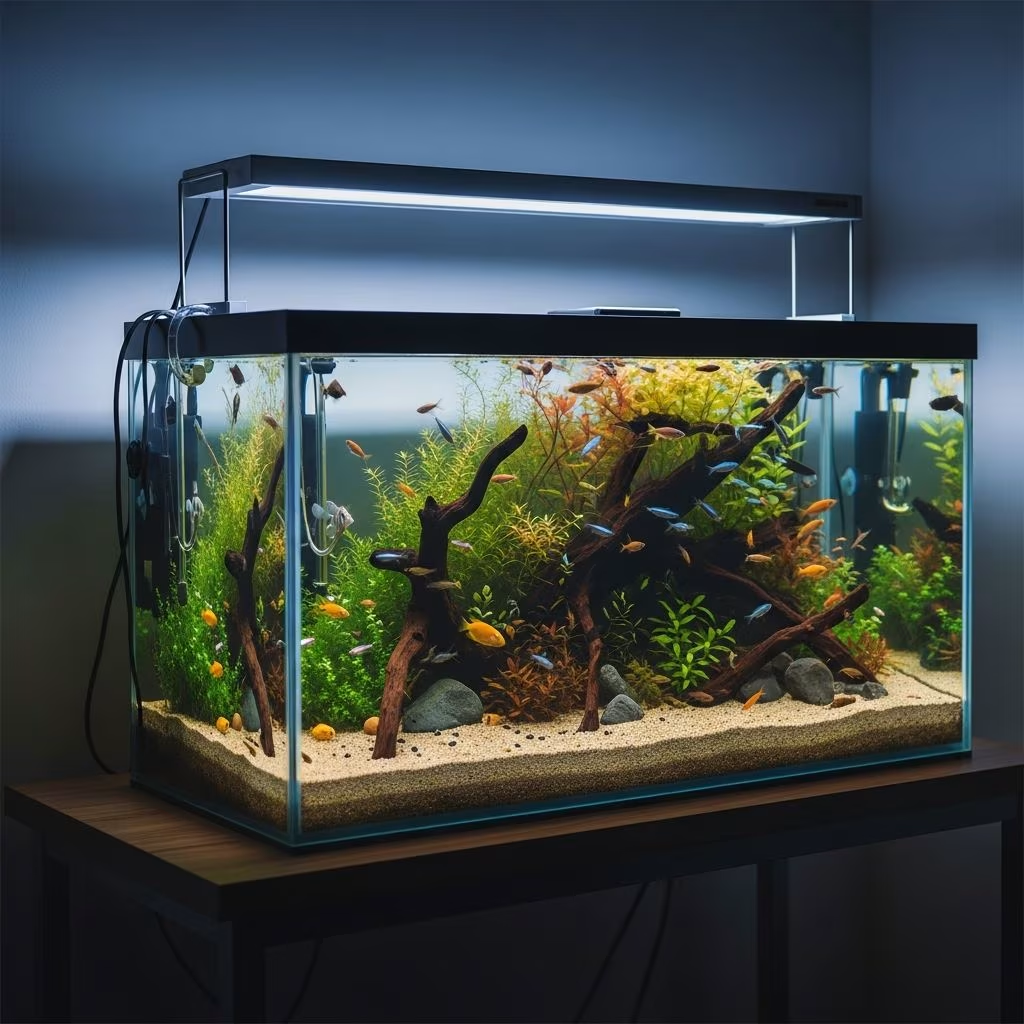
Understanding Freshwater Aquarium Cycling
Setting up a new freshwater aquarium is an exciting endeavor, but rushing the process can lead to unhealthy water conditions and stressed or deceased fish. The foundation of a successful aquarium lies in understanding and properly executing the aquarium cycling process. Aquarium cycling is the establishment of a balanced ecosystem where beneficial bacteria convert toxic fish waste into less harmful compounds. This biological process is essential for maintaining water quality and ensuring your fish thrive in their new home.
Before adding fish to your aquarium, it’s crucial to understand what happens during the cycling process and why it matters. Without proper cycling, ammonia and nitrite—both toxic to fish—accumulate to dangerous levels. By following the right cycling method, you give beneficial bacteria time to colonize your filter media and substrate, creating a stable environment where your fish can live healthily.
The Nitrogen Cycle Explained
The nitrogen cycle is a biological process that occurs naturally in all aquariums. Understanding this cycle is key to successful aquarium maintenance and fish health. The cycle consists of three primary stages, each involving different types of bacteria converting various nitrogen compounds.
Stage One: Ammonia Production
The nitrogen cycle begins with ammonia production. Fish produce ammonia through their waste and metabolism, and uneaten food also decomposes into ammonia. Ammonia is highly toxic to fish, even in small concentrations, and can cause stress, gill damage, and death. In a new, uncycled aquarium, ammonia levels typically rise after about three days of introducing fish. Without beneficial bacteria to process this ammonia, levels can quickly become dangerous, creating a hostile environment for your aquatic inhabitants.
Stage Two: Nitrite Formation
Once ammonia accumulates in the aquarium, a specific type of bacteria called Nitrosomonas begins to colonize surfaces throughout the tank. These bacteria consume ammonia as an energy source and convert it into nitrite. Nitrite is also toxic to fish, though slightly less dangerous than ammonia. During the early stages of cycling, nitrite levels spike as the Nitrosomonas population establishes itself. This phase can be particularly challenging for fish as they endure exposure to both ammonia and nitrite simultaneously.
Stage Three: Nitrate Formation
The final stage involves another beneficial bacteria species called Nitrobacter. These bacteria consume nitrite and convert it into nitrate, which is the least toxic of the three nitrogen compounds. While nitrate is much safer for fish, it still accumulates over time and requires regular water changes to maintain safe levels. The cycle is considered complete when ammonia and nitrite remain at zero parts per million (ppm) while nitrate is above zero. At this point, your aquarium is ready to support fish life sustainably.
Aquarium Cycling Methods
There are several approaches to cycling a freshwater aquarium, each with distinct advantages and challenges. The method you choose depends on your experience level, available resources, and comfort with different techniques.
Fish-In Cycling
Fish-in cycling involves adding fish to the aquarium while the nitrogen cycle establishes itself. This method is practical for those who want to begin enjoying their aquarium immediately but requires careful management to keep fish safe during the process. When using this method, start with just a few hardy fish species like tetras and danios, which are more tolerant of the elevated ammonia and nitrite levels present during cycling. Feed your fish very lightly at first, then gradually increase the amount over four to six weeks as the beneficial bacteria population grows and can handle increased waste loads.
To protect your fish during fish-in cycling, perform partial water changes of 10-25% every few days using dechlorinated water. This dilutes the toxic ammonia and nitrite levels, keeping them at manageable concentrations. Monitor water parameters regularly using aquarium test strips to ensure ammonia and nitrite don’t spike to dangerous levels. Most aquariums complete the fish-in cycle within four to six weeks, though the timeline varies based on tank size, bioload, and bacterial growth rates.
Fishless Cycling
Fishless cycling eliminates the need to subject fish to toxic water conditions. This method involves dosing the aquarium with a source of ammonia—such as ammonium chloride or fish food—without adding any fish initially. You allow beneficial bacteria to establish before introducing any livestock. The advantage is that fish experience zero exposure to toxic compounds. However, this method requires more precision and knowledge to execute correctly.
To perform fishless cycling successfully, set up your tank with all equipment and dechlorinated water. Add an ammonia source and consider supplementing with beneficial bacteria from established aquariums or commercial additives to accelerate the process. Maintain the temperature between 85-90°F to encourage bacterial growth, and aerate the aquarium heavily to provide oxygen that nitrifying bacteria require. Test ammonia and nitrite levels regularly. When both ammonia and nitrite remain at zero ppm for 24 hours after adding ammonia, the cycle is complete. Fishless cycling typically takes two to four weeks, though beginners sometimes struggle with this method and may need to troubleshoot if the cycle stalls.
Planted Tank Cycling
Planted tank cycling combines the benefits of both previous methods by immediately adding live aquarium plants to the new tank. Rather than maintaining a bare tank or adding fish right away, focus on establishing thriving plants with appropriate lighting, substrate, and fertilizers. Live aquatic plants consume nitrogen waste—including ammonia and nitrates—even more effectively than bacteria alone, converting them into new leaves and roots. This creates a natural ecosystem that processes waste biologically and visually transforms your aquarium.
The planted tank method works because the plants and their associated bacteria consume nitrogen compounds directly. Once you observe new plant growth, the cycle is essentially complete. The plants are successfully consuming ammonia and nitrate and converting them into biomass. You can then gradually add a few fish, feed them sparingly, and maintain ammonia and nitrite at zero while keeping nitrate below 40 ppm. Many aquarists prefer this method because it results in a beautiful, balanced ecosystem while avoiding the stress of exposing fish to toxic conditions.
Accelerating the Cycling Process
Waiting several weeks for a new aquarium to cycle can test any hobbyist’s patience. Fortunately, several strategies can significantly speed up the process by jumpstarting beneficial bacteria colonization.
Using Established Filter Media
One of the most effective methods to accelerate cycling is transferring filter media from an established aquarium to your new tank. Used filter media already contains millions of beneficial bacteria colonies ready to process waste immediately. If you don’t have access to an established aquarium, ask experienced aquarist friends if they have spare filter media you can borrow or purchase. Simply place the used media into your new tank’s filter, and the bacteria will begin processing ammonia almost immediately, cutting the cycling time significantly.
Adding Live Beneficial Bacteria
Commercial beneficial bacteria products contain live Nitrosomonas and Nitrobacter cultures specifically designed to speed up cycling. These products are readily available at aquarium stores and online retailers. Adding live bacteria from the onset, combined with an ammonia source, can reduce cycling time from weeks to just days. For best results, select products that contain multiple bacterial strains and follow the manufacturer’s instructions carefully regarding dosage and application timing.
Transferring Substrate
Aquarium substrate—sand or gravel—provides extensive surface area for beneficial bacteria colonization. Transferring a portion of substrate from an established aquarium to your new tank introduces these established bacterial populations. Even a small amount of substrate can make a meaningful difference in cycling speed.
Monitoring Water Parameters
Successful aquarium cycling depends on regular monitoring of water chemistry. Understanding what your tests reveal allows you to adjust your approach and protect your fish or bacteria colonies.
Testing for Ammonia and Nitrite
Aquarium test strips provide reliable measurements of ammonia, nitrite, and nitrate levels. During cycling, test your water every few days initially, then adjust frequency based on what you observe. Ammonia should remain below 2 ppm to protect fish during fish-in cycling, and ideally below 1 ppm once fish are eating normally. Nitrite often spikes after ammonia begins declining, creating a second critical period where both compounds may be present. Maintain nitrite below 1 ppm through partial water changes if needed.
Monitoring Nitrate Levels
Nitrate accumulates continuously during and after cycling as bacteria convert nitrite. While less toxic than ammonia or nitrite, nitrate becomes problematic at concentrations above 40 ppm. Once the cycle is complete and you’re maintaining an established aquarium, perform regular water changes to keep nitrate below this threshold. The cycle is truly complete once ammonia and nitrite remain at 0 ppm while nitrate is above 0 ppm.
Common Cycling Mistakes to Avoid
Many aquarists encounter problems during the cycling process that delay completion or harm their fish. Understanding common mistakes helps you avoid them.
Overfeeding During Cycling
Excess food decomposes into ammonia, overwhelming the developing bacterial population. Feed fish very sparingly during cycling—only what they can consume in a few minutes. As bacteria populations grow and water parameters improve, gradually increase feeding frequency and amounts.
Inadequate Aeration
Nitrifying bacteria require abundant oxygen to function optimally. Ensure your filter provides adequate water movement and consider adding an air stone for additional aeration, especially during fishless cycling.
Unstable pH Levels
Beneficial bacteria perform best at pH levels above 7.0, preferably between 7.2 and 7.6. If pH drops too low during cycling, the process stalls. Maintain stable pH through appropriate substrate selection and, if necessary, pH buffering products.
Inconsistent Water Changes
Skipping water changes during fish-in cycling allows toxic compounds to accumulate dangerously. Perform 10-25% water changes every few days without fail to protect your fish.
Post-Cycle Maintenance
Once your aquarium cycle completes, your responsibilities don’t end. Maintaining the established bacterial colonies and water quality requires ongoing effort.
Gradual Fish Addition
After completing the cycle, add new fish gradually—only a few at a time with wait periods between additions. This allows the bacterial population to expand and accommodate increased bioload. Adding too many fish at once can overwhelm the bacteria and cause a temporary ammonia and nitrite spike.
Regular Maintenance Schedule
Maintain consistent weekly or bi-weekly partial water changes (20-25%) to remove accumulated nitrate. Clean filter media in removed aquarium water rather than tap water to preserve beneficial bacteria. Test water parameters monthly once the tank is established to catch any developing problems early.
Frequently Asked Questions
Q: How long does aquarium cycling take?
A: Fish-in cycling typically takes 4-6 weeks, fishless cycling takes 2-4 weeks, and planted tank cycling completes once new plant growth appears. Using established filter media or bacterial additives can reduce these timelines significantly.
Q: Can I add fish immediately to a new aquarium?
A: Adding fish to an uncycled aquarium exposes them to dangerous ammonia and nitrite levels. It’s best to either cycle the tank first or use fish-in cycling with hardy species and careful monitoring. Never add fish to a completely uncycled tank without precautions.
Q: What are the best fish for cycling?
A: Hardy species like tetras, danios, and corydoras catfish tolerate elevated ammonia and nitrite better than sensitive species. Avoid delicate fish like discus or bettas during cycling.
Q: Is fishless cycling better than fish-in cycling?
A: Fishless cycling avoids exposing fish to toxic conditions but requires more precision to execute correctly. Fish-in cycling is more intuitive for beginners but requires careful management and water changes to protect fish.
Q: Why did my cycling process stall?
A: Common causes include low pH (add buffer), low temperature (increase to 85-90°F), insufficient ammonia source, or inadequate aeration. A 25% water change often restarts a stalled cycle by adjusting pH and removing accumulated compounds.
Q: How often should I test water during cycling?
A: Test every 2-3 days during active cycling to track ammonia, nitrite, and nitrate progression. Once cycling completes, reduce testing to monthly for established tanks.
References
- Freshwater Fish Tank Cycling: How to Prepare for New Fish — Aquarium Coop. 2024. https://www.aquariumcoop.com/blogs/aquarium/fish-tank-cycling
- A Short (And Long) Guide to Aquarium Cycling — SOS Fishy. 2024. https://www.sosofishy.com/post/a-short-and-long-guide-to-aquarium-cycling
- How to Cycle a Fish Tank: The Beginner’s Guide — Aquacadabra. 2024. https://aquacadabra.com/blogs/news/how-to-cycle-a-fish-tank-the-beginner-s-guide
- 2.3. How I Cycle — Aquarium Science. 2024. https://aquariumscience.org/index.php/2-3-how-i-cycle/
- Fishless Cycling Guide — DrTim’s Aquatics. 2024. https://www.drtimsaquatics.com/resources/fishless-cycling/



