

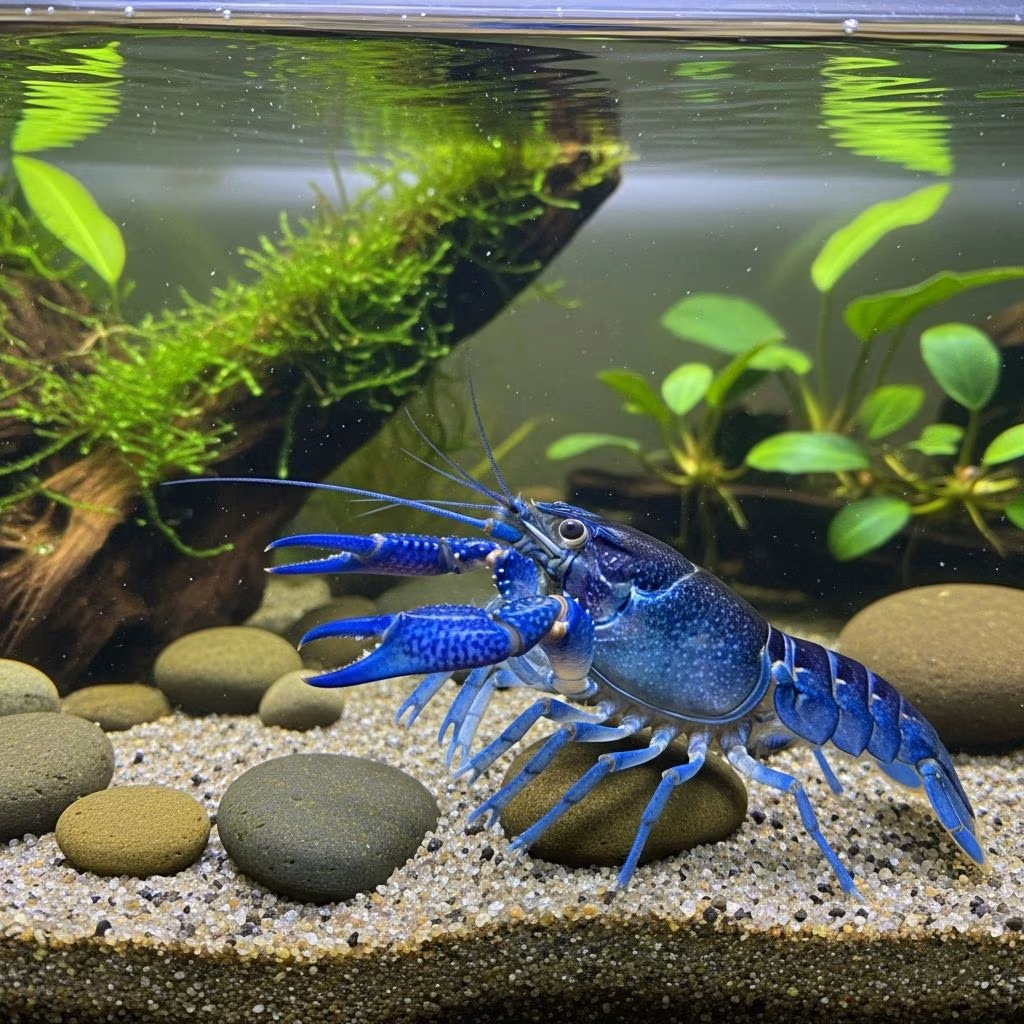
Freshwater Aquarium Crayfish: A Complete Care and Setup Guide
Freshwater crayfish make fascinating and engaging aquarium pets that captivate hobbyists with their unique behaviors and striking appearances. These crustaceans are relatively hardy creatures that can thrive in properly maintained aquariums, making them an excellent choice for both beginners and experienced aquarists. Whether you’re interested in the vibrant blue varieties, the popular Florida crayfish, or other species, understanding their specific care requirements is essential for their long-term health and happiness. This comprehensive guide covers everything you need to know about setting up and maintaining a thriving freshwater crayfish aquarium.
Understanding Freshwater Crayfish Species
The aquarium hobby offers several crayfish species that adapt well to captive environments. The most popular varieties include the Florida crayfish (Procambarus alleni), Electric Blue crayfish, and various other regional species. Each species has slightly different requirements, but they share common care needs that form the foundation of successful crayfish keeping. Understanding which species you plan to keep helps you provide the most appropriate habitat and care.
Florida crayfish are among the most widely available species, known for their hardy nature and ability to tolerate varied water conditions. Electric Blue crayfish are prized for their stunning coloration and can live up to five or six years in well-maintained aquariums. Regardless of the species you choose, proper planning and setup are crucial for their success.
Tank Size and Setup Requirements
Selecting an appropriately sized aquarium is the foundation of successful crayfish care. A minimum tank size of 20 gallons is recommended for a single crayfish, providing sufficient space for them to establish territory and exhibit natural behaviors. If you plan to keep multiple crayfish, add at least 10 additional gallons for each extra individual to minimize aggression and territorial disputes.
The aquarium setup should replicate elements of their natural habitat, creating an environment where crayfish can feel secure and express their instinctive behaviors. Consider the following essential components:
Substrate Selection
Crayfish are natural burrowers that spend considerable time digging and rearranging their substrate. Sand is the preferred substrate choice, as its softer composition allows crayfish to dig more easily compared to gravel. A substrate depth of 2 to 4 inches provides adequate opportunity for burrowing behavior. Some aquarists use a combination of small gravel and sand, but pure sand remains the optimal choice for most crayfish keepers.
Hiding Places and Decorations
Crayfish are territorial creatures that require numerous hiding spots to feel secure and reduce stress. These hiding places are particularly important during molting periods when crayfish are vulnerable. Create a complex landscape with multiple shelters using:
- Driftwood and cholla wood
- Aquarium rocks and stone formations
- PVC pipes cut into sections
- Commercially available caves and tunnels
- Dense plant life and natural vegetation
Ensure all decorations are securely placed, as crayfish actively rearrange their environment. Avoid sharp or rough edges that could injure their delicate exoskeletons. When using natural decorations like driftwood, clean and soak them thoroughly before adding them to the tank.
Aquatic Plants
Live plants offer multiple benefits to a crayfish aquarium, including improved water quality and additional hiding opportunities. However, many crayfish species are voracious consumers of vegetation and will readily uproot and consume plants. If you want to maintain live plants, consider using floating varieties or designating certain plants as food sources. Some aquarists find that heavily planted tanks appeal to crayfish naturally, but the plants become sacrificial.
Water Parameters and Temperature
Maintaining proper water chemistry is essential for crayfish health and successful molting. Most freshwater crayfish thrive within specific parameter ranges:
| Parameter | Ideal Range |
|---|---|
| pH Level | 7.0 – 7.5 (Some species tolerate 7-9) |
| Temperature | 65°F – 75°F (18°C – 24°C) |
| General Hardness (GH) | 3 – 18 dGH |
| Carbonate Hardness (KH) | 3 – 15 dKH |
| Ammonia | 0 ppm |
| Nitrite | 0 ppm |
| Nitrate | Below 20 ppm |
Water temperature is particularly important, as most crayfish prefer cooler environments and do not require heating in most climates. In warmer regions, you may need cooling equipment to maintain temperatures within the appropriate range. Crayfish produce significant bioload, making water quality management crucial.
Filtration and Water Circulation
A robust filtration system is essential for maintaining clean water in a crayfish aquarium. Crayfish generate substantial waste, requiring filtration that effectively removes ammonia and other harmful compounds. Hang-on-back (HOB) filters or canister filters work well for crayfish tanks, providing mechanical, chemical, and biological filtration.
While strong water flow is not necessary for crayfish survival, gentle water circulation aids in oxygenation and helps distribute beneficial bacteria throughout the tank. A small aquarium pump can agitate the water surface, increasing oxygen dissolution without creating excessive current that might disturb the crayfish. Some crayfish species prefer slightly oxygenated water and may even appreciate the opportunity to climb partially out of the water.
Lighting Requirements
Crayfish do not have specific lighting requirements and prefer low to moderate lighting levels. LED aquarium lights are recommended for energy efficiency and minimal heat generation. If you maintain live plants, LED lighting provides sufficient spectrum for photosynthesis while keeping the tank cool. Most crayfish are nocturnal and will be more active during low-light periods, so simulating natural day-night cycles encourages natural behavior patterns.
Tank Cycling and Nitrogen Cycle Establishment
Before introducing crayfish to your aquarium, establish a healthy nitrogen cycle. This critical process typically takes 4 to 6 weeks and establishes beneficial bacteria colonies that convert toxic ammonia into less harmful nitrite, and then nitrate. Cycling your tank before adding crayfish ensures that waste products are properly processed, protecting your new residents from ammonia poisoning.
To cycle your tank, add an ammonia source such as fish food or hardy starter fish like guppies. Test water parameters every few days using an aquarium test kit, monitoring ammonia, nitrite, and nitrate levels. Once ammonia and nitrite consistently read 0 ppm while nitrate levels rise, your tank is cycled and ready for crayfish introduction.
Acclimation and Introduction
Proper acclimation is vital when introducing crayfish to their new tank. Float the transport bag in the aquarium for 15 to 20 minutes, allowing the water temperature inside the bag to gradually match the tank temperature. After this period, slowly introduce crayfish to the tank by gradually mixing tank water with the bag water over another 15 to 20 minutes. This gradual process prevents shock and stress, significantly improving survival rates.
Important safety note: Crayfish are notorious escape artists capable of squeezing through remarkably small openings and climbing almost vertical surfaces. Cover all cable entries and ensure your aquarium has a secure, escape-proof lid. Check the tank regularly for any potential escape routes.
Feeding and Nutrition
Crayfish are opportunistic omnivores that consume a wide variety of foods in their natural environments and aquariums. A varied diet ensures they receive all necessary nutrients for growth, molting, and overall health. Feed your crayfish 3 to 4 times weekly, though daily feeding is acceptable with appropriate portion control.
Recommended Foods
- High-quality sinking pellets and invertebrate foods
- Algae wafers and spirulina flakes
- Blanched vegetables such as zucchini, spinach, and carrots
- Protein sources including bloodworms and frozen fish foods
- Occasional treats of shrimp and other crustaceans
Calcium is particularly important for crayfish health, as adequate calcium intake supports successful molting. Include calcium-rich foods or supplements in their diet regularly. Remove any uneaten food within a few hours to prevent water quality deterioration. Ensure food reaches the tank bottom where crayfish prefer to eat, using sinking pellets rather than floating foods.
Important caution: Avoid foods, medications, and supplements containing copper in any form. While copper is required in trace amounts for invertebrate health, excess copper is highly toxic to crayfish and other crustaceans. Always review ingredient lists carefully before introducing new products to your aquarium.
Water Maintenance and Quality Management
Regular maintenance is essential for maintaining healthy water conditions. Perform 20 to 25 percent water changes weekly to control ammonia, nitrite, and nitrate accumulation. During water changes, use a gravel vacuum to remove waste and uneaten food from the substrate, preventing decomposition and water quality degradation.
Test water parameters regularly using a quality aquarium test kit. Monitor pH, ammonia, nitrite, and nitrate levels, adjusting maintenance schedules as needed. New tanks or those recently stocked may require more frequent testing and maintenance. As beneficial bacteria colonies mature and stabilize, maintenance often becomes less demanding.
Molting and Growth
Molting is a critical and vulnerable period in crayfish life cycles. During molting, crayfish shed their rigid exoskeleton to grow larger. Juvenile crayfish molt every few days, while adults typically molt approximately every two months. Newly molted crayfish lack protective armor, making them vulnerable to predation and cannibalism.
After molting, crayfish instinctively consume their shed exoskeleton to recover calcium and other minerals necessary for hardening their new shell. Provide multiple hiding places and low-stress conditions during molting periods. Crayfish typically retreat to their caves during this vulnerable time, seeking protection while their new exoskeleton hardens.
Breeding and Reproduction
Crayfish breeding can occur in aquariums when properly conditioned males and females are kept together. The mating process may appear aggressive, with the male pinning the female on her back during reproduction. Following successful mating, the female carries fertilized eggs on her swimmerets (swimmerets are the small swimming legs on the abdomen) for 20 to 30 days.
The female crayfish naturally protects her developing eggs, fanning and cleaning them throughout the incubation period. Once eggs hatch, babies remain under the mother’s tail for several days before becoming independent. To prevent cannibalism, raise juveniles in a separate rearing tank with ample hiding places and abundant small foods. Baby crayfish are aggressive toward each other and require significant hiding opportunities to prevent losses from predation.
Health Issues and Common Problems
Healthy crayfish display active behavior, maintain good coloration, and eat regularly. Common health indicators of stress include lethargy, color fading, and loss of appetite. Poor water quality is the most common cause of crayfish illness and death. Maintain consistent water testing and regular maintenance to prevent most health problems.
Molting difficulties can occur when water conditions are inadequate, particularly when calcium levels are insufficient. Ensure proper nutrition and stable water parameters to support successful molting. Crayfish with incomplete or stuck molts rarely survive without intervention and typically do not recover.
Compatibility Considerations
Crayfish are highly territorial and aggressive toward other crayfish, making single-species tanks the safest option. In larger aquariums with abundant hiding places and multiple food sources, some crayfish may coexist peacefully, though aggression and cannibalism remain common. When housing multiple crayfish, maintain similar sizes and provide at least one hiding place per individual.
Most fish species are too small to coexist safely with crayfish, which view small fish as food. Larger fish species may injure or harass crayfish during vulnerable molting periods. Shrimp and other invertebrates are similarly at risk. Generally, keeping crayfish alone in dedicated tanks prevents aggression-related problems.
Frequently Asked Questions
Q: How long do freshwater crayfish live?
A: Most freshwater crayfish species live 3 to 5 years in well-maintained aquariums, with some individuals reaching 6 years with exceptional care.
Q: Can crayfish drown in aquariums?
A: Yes, crayfish can drown if water oxygen levels are insufficient. Ensure adequate water circulation and aeration, or provide climbing opportunities allowing them to partially exit the water.
Q: What size tank do I need for a single crayfish?
A: A minimum 20-gallon aquarium is recommended for a single crayfish, with an additional 10 gallons for each extra individual.
Q: Do crayfish need plants in their tank?
A: While not essential, plants improve water quality and provide aesthetic appeal. However, many crayfish species consume plants, so designate them as food sources or use hardy floating varieties.
Q: How often should I perform water changes?
A: Perform 20 to 25 percent water changes weekly to maintain water quality and control nitrate accumulation.
Q: Can I keep multiple crayfish together?
A: Crayfish are territorial and aggressive. Keep them individually, or in large tanks (30+ gallons) with multiple hiding places, similar sizes, and preferably different genders.
Q: What causes crayfish to escape?
A: Crayfish are excellent climbers and escape artists. Cover cable entries and ensure secure tank lids to prevent escapes.
Q: Do crayfish need heating?
A: Most crayfish prefer cool water (65-75°F) and do not require heaters in most climates. In warmer regions, cooling equipment may be necessary.
References
- How to Set Up A Freshwater Crayfish Tank — Splashy Fish Store. 2024. https://splashyfishstore.com/blogs/fish-keeping-101/how-to-set-up-a-freshwater-crayfish-tank
- Florida Crayfish (Procambaras alleni) Care & Info — The Shrimp Farm. 2024. https://www.theshrimpfarm.com/posts/florida-crayfish-procambarus-alleni/
- Introduction to the Crayfish Care – Setup, Diet, and Facts — Aquarium Breeder. 2024. https://aquariumbreeder.com/introduction-to-the-crayfish-care-setup-diet-and-facts/
- Electric Blue Crayfish – Care Guide — Aquatic Arts. 2024. https://aquaticarts.com/pages/electric-blue-crayfish-care-guide



