

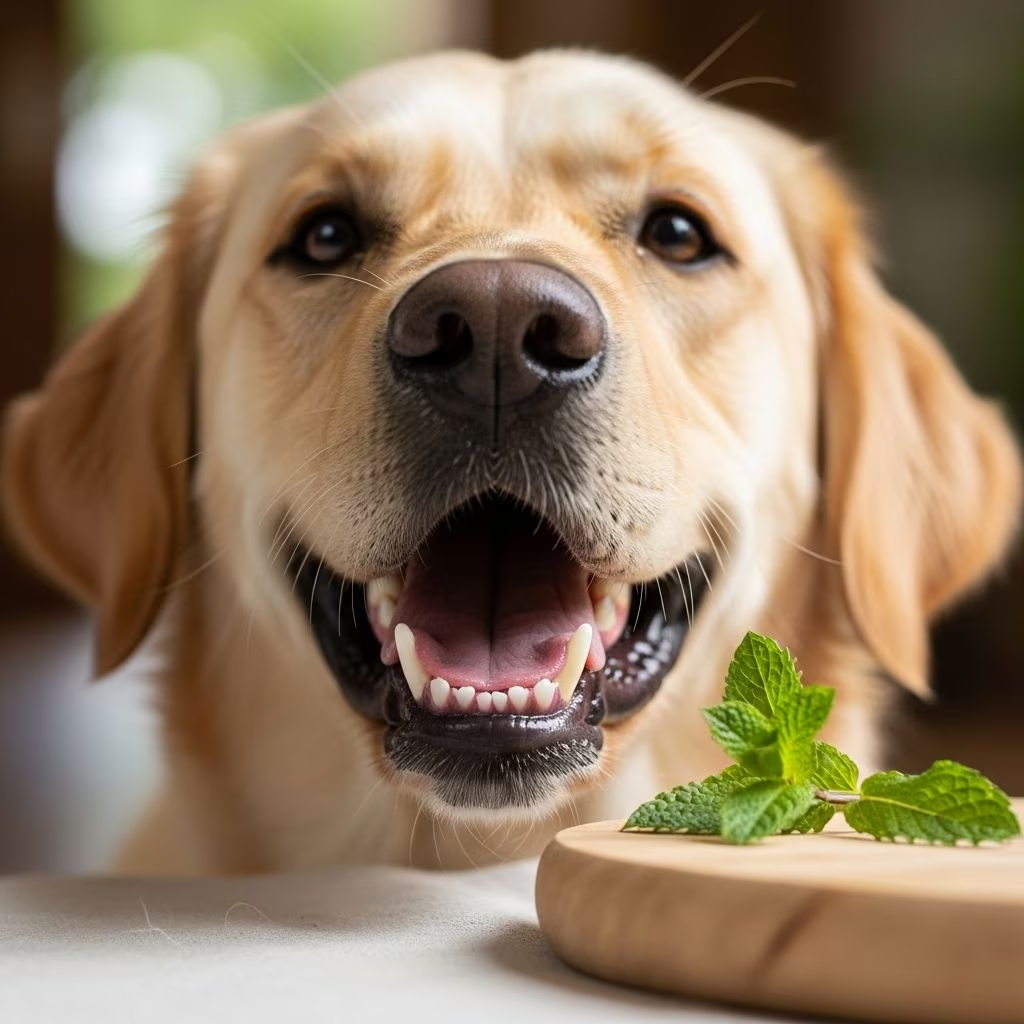
Bad breath in dogs, known medically as halitosis, affects millions of pets and their owners yearly. While occasional whiffs might stem from a recent meal, persistent foul odors usually point to underlying issues ranging from poor oral hygiene to systemic diseases. Addressing it promptly improves your dog’s comfort and overall well-being, potentially preventing costly treatments down the line.
Why Does My Dog Have Bad Breath? Common Culprits
Understanding the root causes is the first step toward resolution. Most cases trace back to the mouth, but some odors reveal deeper problems. Here’s a breakdown of primary triggers.
Oral Health Problems: The Leading Offender
Dental and gum diseases top the list, responsible for up to 80% of chronic halitosis cases in dogs. Plaque—a sticky film of bacteria, food particles, and saliva—forms on teeth within hours of eating. If not removed, it mineralizes into tartar, harboring more bacteria that produce volatile sulfur compounds, creating that notorious stench.
Gingivitis (gum inflammation) and periodontitis (advanced gum disease) follow, eroding tissues and exposing roots. Crowded or misaligned teeth exacerbate buildup, especially in small breeds. Infections in the lips, tongue, or teeth compound the issue, sometimes leading to abscesses with pus-like smells.
Internal Organ Dysfunction
When breath smells like urine or ammonia, suspect kidney disease. Failing kidneys can’t filter urea, a waste product, causing it to accumulate in blood (uremia) and exhale through the lungs. Oral ulcers from uremia worsen the odor.
Liver issues produce a sweet or musty scent due to toxin buildup. Diabetes may yield fruity breath from acetone, while intestinal problems or coprophagia (eating feces) mimic fecal smells.
Diet and Behavioral Factors
Raw or home-cooked diets can disrupt oral and gut bacteria balance, fostering odor-causing microbes like Salmonella. Toxin ingestion—plants, cigarettes, or chemicals—imparts unique smells, such as nicotine or rot. Respiratory infections like sinusitis add nasal discharge odors, accompanied by sneezing or coughing.
| Odor Type | Possible Cause | Accompanying Signs |
|---|---|---|
| Foul/Sulfur | Dental plaque/tartar | Yellow teeth, drooling, pawing at mouth |
| Urine/Ammonia | Kidney disease | Increased thirst/urination, lethargy |
| Sweet/Musty | Liver disease, diabetes | Vomiting, weight loss, excessive hunger |
| Fecal | GI issues, coprophagia | Diarrhea, scooting |
Daily Strategies for Brighter Breath
Prevention beats cure. Integrate these habits to maintain fresh breath without constant intervention.
Master the Art of Dog Toothbrushing
Brushing 3-7 times weekly with dog-specific toothpaste (enzymatic formulas break down plaque; flavors like poultry appeal to pups) is gold standard. Use a soft finger brush or dual-ended toothbrush, applying gentle circular motions for 30 seconds per side. Start slow: let your dog lick paste off your finger, then progress to touching teeth.
- Never use human toothpaste—fluoride and xylitol are toxic to dogs.
- Aim for back molars where buildup hides.
- Reward heavily to build positive association.
Dental Chews and Treats: Chew Your Way to Clean Teeth
VOHC-approved chews mechanically scrape plaque while enzymes or textures fight bacteria. Varieties include rawhide alternatives, rubber toys, and vegetable-based sticks. Limit to 10% of daily calories to avoid weight gain.
Water additives with enzymes or chlorhexidine reduce mouth bacteria when added daily (follow dosing).
Nutrition Tailored for Oral Wellness
Kibble with larger, textured pieces abrades teeth during chewing, curbing tartar. Prescription dental diets incorporate polyphenols or fibers for extra cleaning. Consult a vet nutritionist for raw/home-cooked feeders to balance microbes.
Advanced Remedies and Professional Interventions
For stubborn cases, escalate care.
At-Home Supplements and Rinses
Probiotics restore oral/gut flora; oils like coconut (antibacterial lauric acid) can be rubbed on gums sparingly. Parsley or mint chews offer temporary masking, but address causes first.
Veterinary Dental Procedures
Annual checkups catch issues early. Professional cleanings under anesthesia remove subgingival tartar, polish teeth, and apply sealants. Extractions for rotten teeth prevent spread. Costs vary ($500-$1500), but prevent pricier systemic issues.
Treating Systemic Diseases
Diagnostics (bloodwork, X-rays) pinpoint organ failures. Kidney support includes fluids/diets; liver meds target specifics. Early detection via breath changes saves lives.
Recognizing When It’s Time for the Vet
Not all bad breath is benign. Seek care if:
- Odor persists >2 weeks despite home care.
- Sudden worsening or odd smells (urine, rot).
- Your dog shows pain (drooling, reluctance to eat), loose teeth, or bleeding gums.
- Accompanied by vomiting, thirst changes, or lethargy.
Sudden shifts in seniors signal emergencies.
FAQs: Dog Breath Essentials
Is bad breath normal in dogs?
No—mild morning breath is okay, but chronic halitosis indicates problems.
How often should I brush my dog’s teeth?
Daily ideal; minimum 3x/week for control.
Can diet alone fix bad breath?
It helps prevent but won’t cure advanced dental disease.
What if my dog hates toothbrushing?
Use finger wipes, chews, or vet-recommended gels as starters.
Does age affect dog breath?
Yes—seniors prone to dental wear and organ decline.
Long-Term Oral Health Plan
Combine brushing, chews, diet, and vet visits twice yearly. Monitor breath weekly; note changes in a journal. Healthy gums are pink/firm; pale/red/swollen signal trouble.
Investing time yields a happier, healthier companion. Fresh breath is just the bonus.
References
- Bad Breath in Dogs: Causes, Prevention, and Solutions — St. Paul Pet Hospital. 2023. https://stpaulpet.com/blog/dog-bad-breath/
- Bad Breath in Dogs: Causes and Treatment — PetMD. 2024. https://www.petmd.com/dog/symptoms/bad-breath-dogs-causes-treatment
- Halitosis in Dogs — VCA Animal Hospitals. 2023. https://vcahospitals.com/know-your-pet/halitosis-in-dogs
- Bad Breath in Dogs: Causes & Remedies — Heart of Brooklyn Veterinary. 2023-10-31. https://www.heartofbrooklynveterinary.com/site/blog/2023/10/31/bad-breath-dogs–causes-remedies
- Bad Breath in Dogs: Causes and Treatments — Apple Valley Animal Hospital. 2021-08-15. https://www.applevalleyanimalhospital.com/site/blog/2021/08/15/bad-breath-in-dogs-causes-and-treatments



