

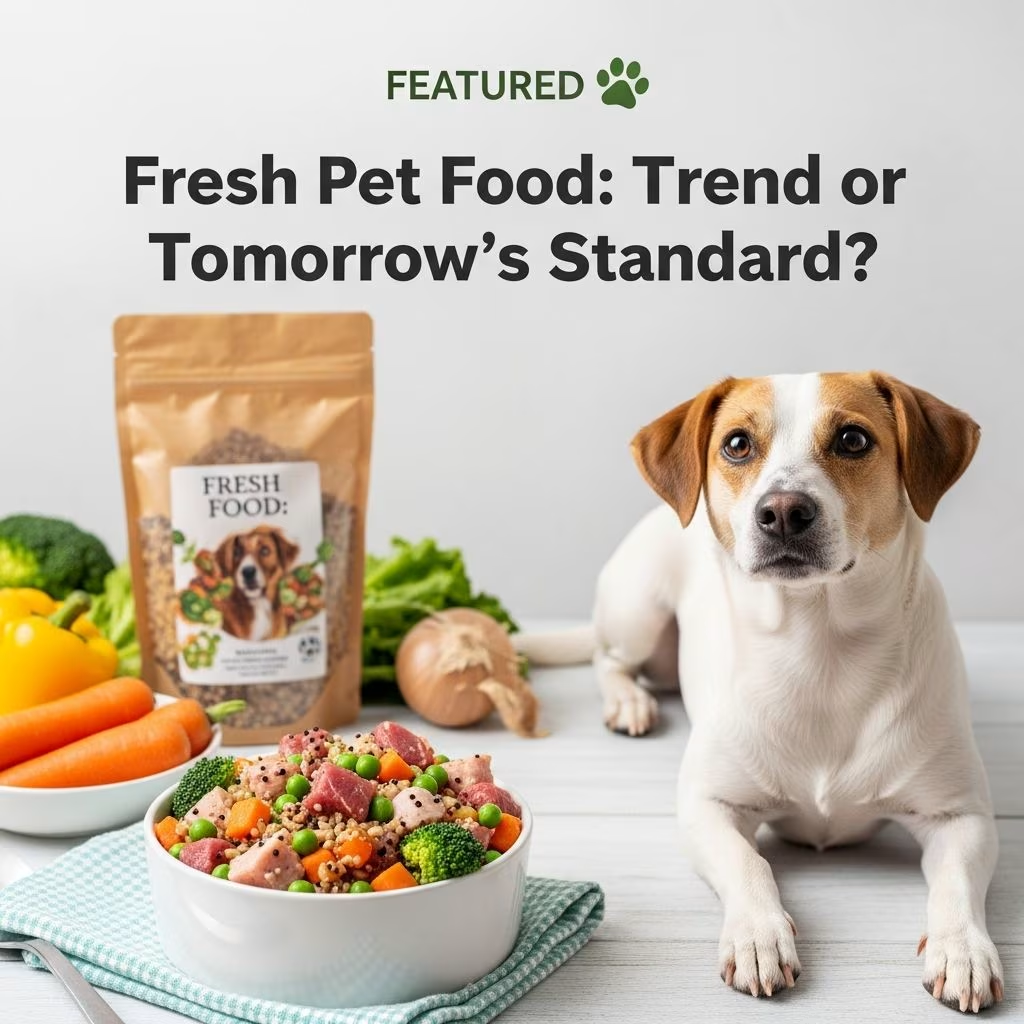
Pet owners increasingly treat their companions like family members, fueling a surge in demand for fresh pet food options that mirror human dietary standards. This shift reflects broader trends in pet humanization, where nutrition plays a central role in enhancing longevity and vitality.
The Surge in Fresh Pet Food Demand
The fresh pet food market is expanding rapidly, driven by heightened awareness of pet health and wellness. In 2024, the sector reached USD 64.24 billion, with projections estimating growth to USD 70.61 billion in 2025 and soaring to USD 181.68 billion by 2035 at a compound annual growth rate (CAGR) of 9.91%. North America leads as the dominant region, bolstered by a cultural emphasis on premium pet care, while Asia-Pacific emerges as the fastest-growing area due to rising pet ownership and evolving consumer habits.
This boom stems from pet parents prioritizing high-quality, minimally processed foods. Refrigerated and frozen dog food sales jumped 13.4%, starkly contrasting the overall dog food category’s -0.2% growth. Brands are innovating with dehydrated, air-dried, and gently cooked varieties, alongside personalized diets tailored to individual pet needs.
Why Pet Owners Are Making the Switch
Central to this transformation is the humanization of pets, where 67% of U.S. baby boomers and over 80% of millennials view pets as children. This mindset translates to demands for natural, organic, and functional ingredients that support physical and mental well-being. For instance, 42% of owners seek high-protein formulas, with additional focus on digestion, mobility, weight management, and immunity.
- Health Benefits: Fresh foods often feature bioavailable nutrients, prebiotics like inulin and FOS, and probiotics such as Lactobacillus plantarum, aiding gut health and preventing issues like diarrhea.
- Premium Appeal: Human-grade ingredients appeal to affluent consumers willing to invest in longevity and vitality.
- Sustainability: Ethical sourcing and minimal processing align with eco-conscious values.
Dogs dominate the market, but cat food segments are accelerating, reflecting diverse species-specific needs.
Nutritional Edge of Fresh Over Traditional Kibble
Fresh pet food stands out for retaining natural enzymes, vitamins, and moisture lost in kibble extrusion processes. Unlike dry foods preserved with synthetic additives, fresh options use refrigeration or gentle cooking to maintain freshness without compromising quality.
| Aspect | Fresh Pet Food | Traditional Kibble |
|---|---|---|
| Processing | Minimal (refrigerated/frozen) | High-heat extrusion |
| Nutrient Retention | High (bioavailable) | Moderate (fortified) |
| Shelf Life | Short (refrigerated) | Long (ambient) |
| Ingredients | Human-grade, whole foods | Often rendered meats, fillers |
| Health Outcomes | Better digestion, coat, energy | Convenient but potential obesity risk |
With pet obesity affecting over 59% of dogs, fresh formulations address weight control through balanced, palatable recipes.
Key Players Shaping the Industry
Leading companies are at the forefront of innovation. U.S.-based Freshpet, The Honest Kitchen, Nom, PetPlate, Ollie, Just Food For Dogs, and A Pup Above dominate, alongside Canadian Petcurean. Giants like General Mills and Nestlé Purina are entering with fresh lines, signaling mainstream adoption.
Startups carve niches: Zesty Paws offers calming treats with hemp and chamomile; ElleVet Sciences develops CBD blends for joints; Wild Earth provides plant-based probiotics; Mammaly targets longevity. These players emphasize transparency and vet-approved formulas.
Challenges Facing Fresh Pet Food Growth
Despite momentum, hurdles persist. High costs deter 64% of U.S. and 43% of global consumers, prompting value-seeking behaviors amid economic pressures. Supply chain demands for fresh ingredients elevate prices, and limited shelf life complicates distribution compared to kibble.
Regulatory landscapes vary, especially for novel ingredients like CBD, adding uncertainty.Scaling production while upholding human-grade standards remains a balancing act for brands.
Global Market Dynamics and Regional Insights
North America commands the largest share in human-grade pet food, driven by pet welfare focus and high disposable incomes. Asia-Pacific’s rapid rise ties to urbanization and pet adoption booms, with India projecting 16.5% CAGR through 2032. Globally, pet food hits $161.72 billion, growing at 5.01% CAGR to 2030, propelled by premiumization.
Raw, fresh, and frozen dog food alone will expand from $18.81 billion in 2025 to $19.93 billion in 2026.
Packaging and Delivery Innovations
Premiumization extends to packaging: sustainable materials, personalization, and storytelling enhance appeal. Subscription models from Ollie and PetPlate ensure freshness via direct-to-door delivery, mitigating logistical challenges.
Functional Foods: Beyond Basic Nutrition
Trends lean toward targeted health: gut-focused pre/probiotics, cognitive treats, and emotional wellness products. High-income shoppers demand vet-endorsed options for digestion, immunity, and life extension.
Future Outlook: Mainstream Integration
By 2026, fresh pet food will evolve from niche to expectation, with brands prioritizing quality, variety, and affordability. E-commerce and digital marketing will broaden access, while R&D tackles cost barriers. As pets integrate deeper into families, nutrition will mirror human trends like cultivated meats and vegetarian options.
Frequently Asked Questions (FAQs)
What is fresh pet food?
Fresh pet food consists of human-grade, minimally processed meals refrigerated or frozen for optimal nutrient preservation, unlike shelf-stable kibble.
Is fresh pet food healthier than kibble?
Yes, it typically offers superior nutrient bioavailability, better hydration, and fewer preservatives, supporting digestion and reducing obesity risks.
How much does fresh pet food cost?
It’s pricier—often 2-3x kibble—but subscriptions and larger portions can lower per-meal costs for committed owners.
Can all pets switch to fresh food?
Most can with veterinary guidance, especially for transitions to avoid digestive upset. Puppies, seniors, and those with conditions benefit most.
Where to buy fresh pet food?
Online via brands like Freshpet or Ollie, select retailers, or vet clinics. Look for human-grade certifications.
Is fresh pet food sustainable?
Many brands emphasize ethical sourcing and eco-packaging, though refrigeration impacts carbon footprints.
References
- Fresh Pet Food Market Size, Share, Growth, Forecast 2035 — Market Research Future. 2025. https://www.marketresearchfuture.com/reports/fresh-pet-food-market-26249
- 2026 Pet Care Industry Trends — Clarkston Consulting. 2026. https://clarkstonconsulting.com/insights/2026-pet-care-industry-trends/
- Pet food in 2026: Premiumisation and ‘humanisation’ drives growth — Food Navigator. 2026-01-22. https://www.foodnavigator.com/Article/2026/01/22/pet-food-market-growth-in-2026
- Top 5 Pet Food Trends in 2026 — GreyB. 2026. https://greyb.com/blog/pet-food-trends/
- Human Grade Pet Food Market Size and Scope 2026 to 2035 — InsightAce Analytic. 2026. https://www.insightaceanalytic.com/report/human-grade-pet-food-market/2582
- Top 3 trends in 2026: pet owners continue to drive focus — Petfood Industry. 2026. https://www.petfoodindustry.com/pet-food-market/market-trends-and-reports/article/15774105/top-3-trends-in-2026-pet-owners-continue-to-drive-focus
- 4 Pet Food Packaging Trends Shaping 2026 — Printpack. 2026. https://www.printpack.com/4-pet-food-packaging-trends-shaping-2026/
- Raw, Fresh And Frozen Dog Food Market Report 2026 — The Business Research Company. 2026. https://www.thebusinessresearchcompany.com/report/raw-fresh-and-frozen-dog-food-global-market-report



