

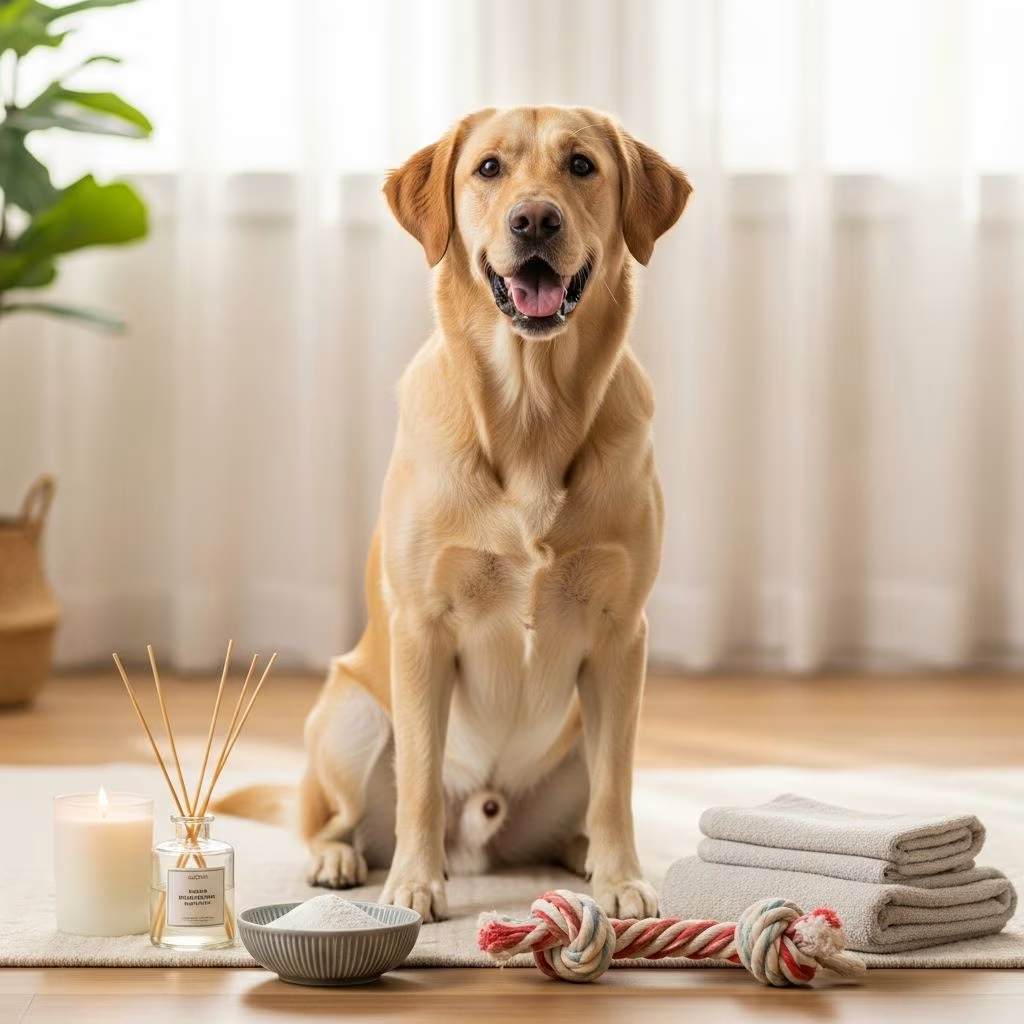
Pet owners often face the challenge of managing their dog’s natural odors without resorting to daily baths, which can strip essential oils from the skin and cause dryness. This guide explores practical, non-invasive methods to maintain a pleasant scent through targeted hygiene practices, dietary adjustments, and home remedies. By focusing on high-impact areas like the coat, paws, ears, and mouth, you can achieve lasting freshness while prioritizing your dog’s health and comfort.
Understanding the Roots of Dog Odors
Dog smells typically arise from accumulated dead skin cells, oils, bacteria buildup, and environmental factors. Brushing distributes natural sebum to prevent greasy buildup, while neglecting paws or ears allows moisture to foster bacteria. Dental plaque contributes up to 80% of overall body odor in some cases, making comprehensive care essential. Addressing these sources proactively reduces reliance on water-based cleaning.
Daily Brushing Routines for Lasting Freshness
Consistent brushing stands as the cornerstone of odor management. Use a slicker brush or undercoat rake 3-5 times weekly to lift dirt, dander, and loose fur that trap smells. For long-haired breeds, daily sessions prevent matting where odors concentrate. This practice not only removes debris but stimulates skin glands, promoting a naturally glossy coat that resists bacterial growth.
- Select breed-appropriate tools: rubber curry brushes for short coats, pin brushes for longer fur.
- Focus on high-odor zones like the back, belly, and tail base.
- Combine with a quick vacuuming afterward to eliminate shed particles from your space.
Natural Dry Shampoos and Powder Treatments
Dry shampoos offer instant odor absorption without wetting the fur. Sprinkle baking soda or cornstarch directly onto the coat, massage into the skin, wait 5 minutes, then brush thoroughly. These powders neutralize acids from bacteria and oils effectively. Limit use to twice weekly to avoid follicle clogging, which could impair skin’s natural defenses.
| Method | Ingredients | Application Time | Frequency |
|---|---|---|---|
| Baking Soda Solo | 1 cup baking soda | 5 minutes | 2x/week |
| Cornstarch Blend | 1 cup cornstarch + 1/2 cup baking soda | 3-5 minutes | 1-2x/week |
| Herbal Powder | Arrowroot + dried lavender | 5 minutes | As needed |
Pet-Safe Wipes for Spot Cleaning
Moist wipes formulated for dogs target paws, underbelly, and sanitary areas after outdoor adventures. Opt for pH-balanced, fragrance-free options with natural antimicrobials like aloe or witch hazel to gently dissolve grime without irritation. Wipe in the direction of fur growth, avoiding eyes and mucous membranes, for a quick refresh that lasts hours.
- Paws: Remove mud and allergens post-walk.
- Underbelly: Clear urine residue in females.
- Facial folds: Prevent yeast buildup in breeds like Bulldogs.
Crafting Homemade Deodorizing Sprays
DIY sprays provide customizable freshness using pantry staples. Dilute essential oils sparingly—lavender and chamomile soothe while repelling microbes when mixed at 1-2 drops per cup of water. Apple cider vinegar (1:4 ratio with water) balances skin pH and dissipates odors naturally.
Simple Recipes to Try
- Lavender Freshener: 2 cups distilled water, 1 tbsp baking soda, 10 drops lavender oil. Shake, mist lightly, brush through.
- Vinegar Neutralizer: 1 cup water, 1/4 cup ACV, 5 drops chamomile. Spray on coat, avoid face.
- Citrus Zinger: 1 cup water, 1 tbsp witch hazel, 3 drops lemongrass oil (diluted for safety).
Always patch-test on a small area first to ensure no allergic reactions.
Ear Maintenance to Prevent Stink
Ear canals trap wax and moisture, breeding yeast and bacteria that produce foul smells. Clean weekly using vet-approved solutions on cotton pads—massage base, let dog shake, then wipe exterior. Redness or discharge signals infection; consult a vet promptly. Regular checks keep this hidden odor source in check.
Oral Hygiene for Breath Control
Bad breath often stems from plaque and tartar, permeating the entire body scent. Brush teeth daily with enzymatic dog toothpaste and a finger brush. Dental chews reduce buildup by 70% with consistent use, while water additives with chlorophyll freshen from within. Schedule bi-annual vet cleanings for thorough removal.
- Brushing tools: Soft nylon brushes sized for your dog.
- Treats: VOHC-approved chews for verified efficacy.
- Additives: Chlorophyll drops in water bowl for digestive deodorizing.
Dietary Choices for Internal Freshness
Nutrition influences odor profoundly—high-quality proteins minimize gas and stool smells, while omega-3 supplements combat dry, flaky skin that harbors bacteria. Probiotics support gut health, reducing systemic odors. Ensure constant fresh water access to flush toxins. Transition foods gradually to avoid digestive upset.
Environmental Cleanliness Around Your Dog
Odors linger in bedding, carpets, and furniture from dander and accidents. Wash pet linens weekly in hot water with pet-safe detergent, sprinkle baking soda on rugs before vacuuming, and air out crates daily. HEPA air purifiers capture airborne particles, maintaining a neutral home atmosphere.
Potential Health Flags Behind Persistent Smells
While hygiene resolves most issues, ongoing odors may indicate allergies, infections, or anal gland problems. Monitor for scratching, lethargy, or changes in stool, and seek veterinary evaluation. Early intervention prevents escalation.
Common Questions on No-Bath Freshness
FAQs
How often should I brush my dog for odor control?
3-5 times per week, more for long coats, to remove debris and distribute oils effectively.
Are essential oils safe for dog sprays?
Yes, when heavily diluted (1 drop per ounce); stick to pet-safe options like lavender, avoiding tea tree or eucalyptus in excess.
Can diet really affect my dog’s smell?
Absolutely—quality kibble with omegas and probiotics reduces internal odors from digestion and skin health.
What if my dog’s ears smell bad?
Clean gently weekly; if persistent with redness, visit a vet for possible infection treatment.
Do dry shampoos replace baths entirely?
No, use as supplement; baths every 4-6 weeks maintain skin balance alongside these methods.
Incorporating these strategies creates a multifaceted approach to dog freshness, blending prevention, targeted cleaning, and health monitoring. Pet owners report noticeable improvements within days, fostering a more enjoyable coexistence without the mess of constant bathing.
References
- How to Stop a Dog from Smelling Without Bathing — Black Sheep Organics. 2024-08-26. https://www.blacksheeporganics.com/en-us/blogs/how-to-clean-your-dogs-ears/how-to-stop-a-dog-from-smelling-without-bathing
- How to make your dog smell good naturally – without a bath! — Animal Wellness Magazine. N/A. https://animalwellnessmagazine.com/how-to-make-your-dog-smell-good-naturally-without-a-bath/
- How to Make My Dog Smell Better Without a Bath — Four Paws Pet Services. N/A. https://www.fourpawspetservices.com/blog/how-to-make-my-dog-smell-better-without-a-bath
- How To Get Rid of Dog Smell — Abernathy Company. N/A. https://www.abernathycompany.com/how-to-get-rid-of-dog-smell
- How to Make My Dog Smell Better Without a Bath: Effective Tips — UAH Pet. N/A. https://www.uahpet.com/blogs/post/how-to-make-my-dog-smell-better-without-a-bath-effective-tips-and-tricks
- Top 10 Tips to Remove Pet Odor to Keep Your Home Fresh — Topaz Vet. N/A. https://www.topazvet.com/remove-pet-odor-home-proven-methods/
- How to Wash a Dog Without Water: Mess-Free Tips — American Kennel Club. N/A. https://www.akc.org/expert-advice/health/mess-free-ways-keep-dogs-clean-baths/



