

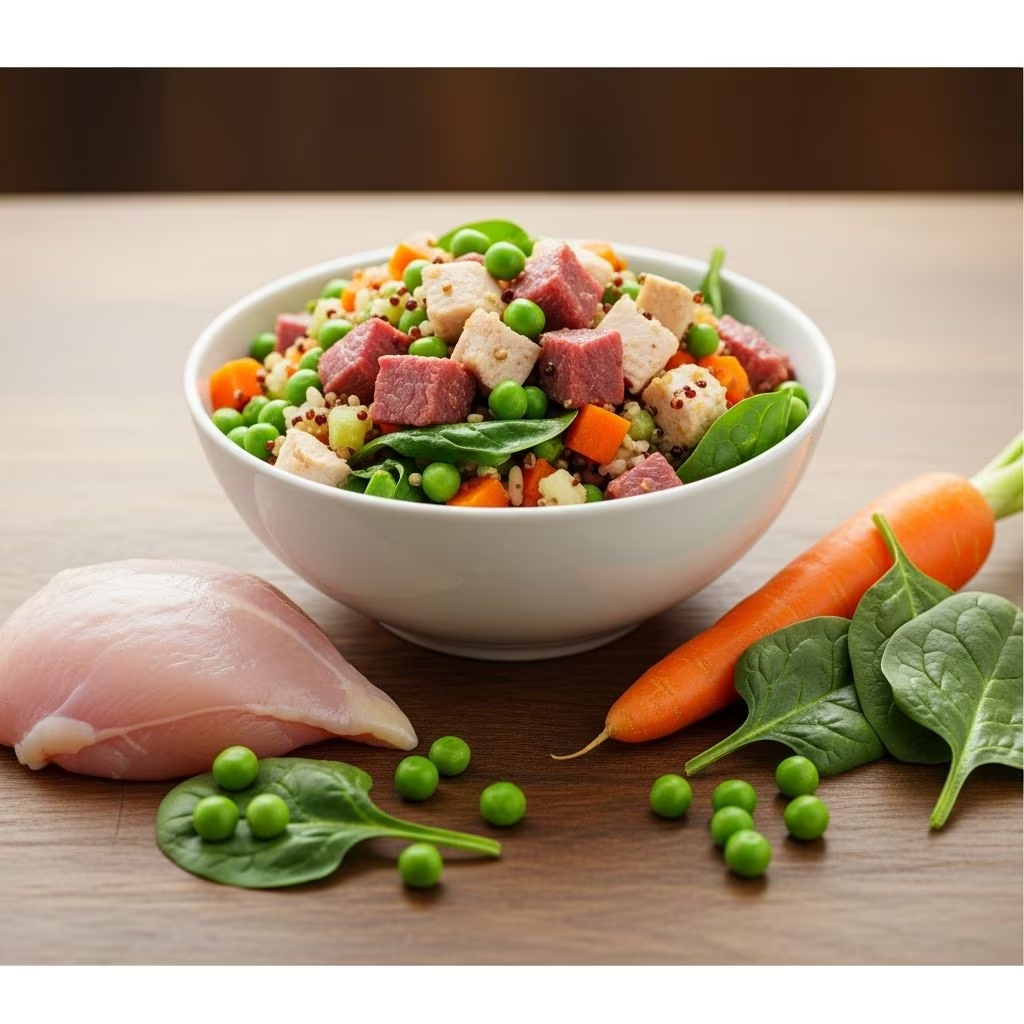
What Is Fresh Dog Food?
Fresh dog food represents a departure from traditional commercial pet nutrition, offering a minimally processed alternative to conventional kibble and canned options. Fresh dog food is typically prepared with whole, recognizable ingredients that closely resemble what you might prepare for your own meals. Unlike heavily processed kibble that undergoes high-temperature extrusion and contains numerous synthetic additives, fresh dog food maintains the nutritional integrity of its components through gentle cooking methods or minimal processing techniques.
This type of dog food is often refrigerated or frozen and comes in various forms, from pre-portioned meals to customizable recipes. The primary distinction lies in the processing methods and ingredient quality—fresh dog food prioritizes ingredient transparency and nutritional bioavailability, making it an increasingly popular choice among pet owners who prioritize their dogs’ dietary quality.
Understanding the Nutritional Components of Fresh Dog Food
Just like humans, dogs require specific nutrients to thrive. Fresh dog food formulations are built around five essential nutritional pillars that work together to support optimal canine health:
Proteins
Proteins serve as the foundation for numerous critical bodily functions in dogs. They are essential for building and maintaining muscles, skin, fur, nails, tendons, ligaments, and cartilage. Additionally, proteins function as enzymes, hormones, and antibodies that support immune function and metabolic processes. High-quality fresh dog food sources protein from whole meat sources rather than meat by-products, ensuring your dog receives complete amino acid profiles necessary for optimal health.
Fats
Fats represent the most energy-rich nutrient available to dogs and provide essential fatty acids that support various bodily functions. These include nerve impulse transmission, brain development, skin and coat health, and immune function. Fresh dog food typically includes healthy fat sources such as fish oil, chicken fat, and other natural sources that provide omega-3 and omega-6 fatty acids in balanced proportions.
Carbohydrates
Carbohydrates serve as the primary source of quickly accessible energy for dogs. While dogs don’t strictly require carbohydrates as obligate carnivores would, appropriate carbohydrate sources in fresh dog food provide fiber, vitamins, and minerals that support digestive health and overall wellness. Fresh formulations typically use whole grain or vegetable-based carbohydrate sources rather than refined alternatives.
Vitamins
Vitamins primarily function as enzymes necessary for normal metabolic processes. They support immune function, bone health, vision, and numerous other critical biological processes. Fresh dog food formulations carefully balance vitamin content to ensure dogs receive appropriate amounts without over-supplementation, which can lead to health complications.
Minerals
Minerals contribute to structural integrity—such as calcium in bones—and support metabolic functions throughout the body. Proper mineral balance is crucial for puppies during growth phases and for senior dogs maintaining bone density.
Key Benefits of Fresh Dog Food
Fresh dog food offers numerous advantages over traditional commercial alternatives, backed by both scientific research and real-world observations from pet owners.
Superior Digestibility
One of the most significant benefits of fresh dog food is its high digestibility. A dog’s gastrointestinal tract can easily break down and absorb the nutrients in fresh food formulations. This enhanced digestibility means your dog’s body can extract maximum nutritional value from each meal. As a secondary benefit, high digestibility results in reduced fecal output—meaning less waste in your dog’s poop, which often concerns pet owners dealing with multiple dogs or limited yard space.
Fresh food is particularly beneficial for dogs with sensitive stomachs or those prone to digestive issues. The minimal processing and absence of fillers mean fewer potential irritants for sensitive digestive systems.
Improved Palatability
Many dogs seem to love the taste of a fresh food diet considerably more than kibble alternatives. This enhanced palatability proves especially helpful for picky eaters or dogs recovering from illness or injury who need encouragement to maintain adequate nutrition. The natural flavors and aromas of fresh ingredients appeal to dogs’ instinctive preferences in ways that heavily processed kibble often cannot match.
Metabolic Health and Healthy Aging
Recent scientific research has demonstrated compelling evidence that fresh dog food supports metabolic health, particularly in aging dogs. A year-long metabolomic study led by Dr. Heather Huson at Cornell University found that feeding dogs fresh, human-grade food can significantly impact metabolic health and support healthier aging. The research analyzed senior Alaskan sled dogs fed fresh, minimally processed recipes versus kibble and revealed striking metabolic transformations.
Dogs fed fresh food experienced a rapid and sustained metabolic shift after just one month, marked by lower levels of advanced glycation end products (AGEs)—harmful compounds linked to aging and chronic disease. These dogs also showed reduced sucrose and improved glycemic control biomarkers.
Enhanced Antioxidant Protection
Fresh dog food formulations support increased antioxidant capacity and reduced oxidative stress. Research shows elevated levels of ergothioneine (a potent antioxidant compound) as well as carnosine and anserine (histidine-related metabolites with antioxidant properties) in dogs consuming fresh diets. These compounds help protect cells from damage and support healthy aging processes.
Optimal Fat Utilization
Fresh dog food promotes efficient fat metabolism and utilization. Studies demonstrate elevated serum 3-hydroxybutyrate (a ketone body) in dogs fed fresh food, reflecting enhanced fat utilization and healthy ketosis—a metabolic state associated with improved energy efficiency and potential cognitive benefits.
Improved Muscle and Neurological Health
Fresh dog food supports elevated branched-chain amino acid (BCAA) metabolism, with increased levels of leucine, isoleucine, and valine and their derivatives. These amino acids are particularly important for muscle maintenance, especially in aging dogs or those recovering from illness. Additionally, the nutrient profile supports neurological health, which becomes increasingly important as dogs age.
Microbiome Benefits
Feeding fresh food appears to affect the microbiome on a dog’s skin and in their gastrointestinal tract, which may help with digestion, immune function, and skin and coat health. A healthy microbiome is foundational for overall wellness, supporting immune responses and nutrient absorption.
Long-Term Health Benefits
While research in dogs is still developing, experts note that in humans, studies have linked ultra-processed foods to increased risks of heart disease, diabetes, and cancer. Similarly, some veterinary nutrition experts believe less-processed diets may support better long-term health outcomes in dogs, potentially reducing the risk of obesity, diabetes, and cognitive decline.
Fresh Dog Food Versus Traditional Kibble
| Factor | Fresh Dog Food | Traditional Kibble |
|---|---|---|
| Processing Method | Minimal processing with gentle cooking | High-temperature extrusion process |
| Digestibility | High digestibility; easily absorbed nutrients | Lower digestibility; more waste produced |
| Ingredient Quality | Whole, recognizable ingredients | May contain by-products and fillers |
| Storage | Refrigerated or frozen | Shelf-stable at room temperature |
| Cost | Generally higher per serving | More economical option |
| Palatability | Often preferred by picky eaters | May require additional flavor enhancers |
| Nutritional Bioavailability | Nutrients more easily absorbed by body | Some nutrient loss during processing |
What to Expect When Transitioning to Fresh Dog Food
Many pet owners notice changes relatively quickly when switching their dogs to fresh food diets. Understanding what to expect during this transition helps ensure a smooth changeover and allows you to monitor your dog’s adjustment.
Initial Changes (First Few Weeks)
During the first few weeks of transitioning to fresh dog food, many dogs experience increased energy levels and more excitement at mealtime. You may notice your dog appearing more animated, playful, and engaged—a response many owners attribute to the improved palatability and nutritional quality of fresh ingredients.
Medium-Term Benefits (First Few Months)
As your dog’s body adjusts to the fresh food diet, you may observe improvements in coat quality, skin appearance, and overall vitality. Many owners report shinier coats, healthier skin, and improved muscle tone as their dogs’ bodies optimize nutrient absorption and utilization.
Long-Term Health Impact
Research suggests that fresh dog food is linked to a 20% longer lifespan compared to dogs fed traditional processed diets. Over the course of years, the cumulative metabolic benefits of fresh food nutrition may contribute to improved quality of life, better disease resistance, and healthier aging processes.
Important Considerations Before Switching to Fresh Dog Food
While fresh dog food offers numerous benefits, it’s essential to consider potential limitations and ensure it’s appropriate for your specific dog’s needs.
Nutritional Completeness
Not all fresh dog food brands provide complete and balanced nutrition. Some formulations may lack critical nutrients or contain inappropriate nutrient ratios. Select fresh dog food from reputable companies that employ board-certified veterinary nutritionists and adhere to AAFCO (Association of American Feed Control Officials) nutrition guidelines. Always verify that the food meets your dog’s specific life stage and health requirements.
Dogs with Special Medical Conditions
Fresh food may not be suitable for all dogs, particularly those with certain medical conditions or decreased immune function. Dogs with kidney disease, for example, require carefully controlled protein and mineral levels that may be difficult to maintain in fresh food formulations. Always consult your veterinarian before transitioning a dog with chronic health conditions to any new diet.
Supplement Requirements
Some fresh dog food brands may lack appropriate amounts of essential vitamins and minerals. If the fresh dog food is not properly supplemented with balanced vitamins and minerals, dogs could be missing key nutrients, which could prove detrimental—especially for those with chronic health conditions.
Veterinary Guidance
Before making dietary changes, consult your veterinarian to determine whether fresh dog food is the best option for your individual dog. Your vet can assess your dog’s age, health status, activity level, and specific nutritional needs to provide personalized recommendations.
Selecting Quality Fresh Dog Food
When choosing a fresh dog food brand, prioritize these quality indicators:
- Board-certified veterinary nutritionists on staff
- AAFCO certification and compliance with nutrition standards
- Transparent ingredient sourcing and labeling
- Regular safety testing and quality control procedures
- Positive veterinary endorsements and customer reviews
- Clear information about nutrient profiles and supplementation
Frequently Asked Questions
Q: Is fresh dog food more expensive than kibble?
A: Generally, yes. Fresh dog food typically costs more per serving than traditional kibble due to higher-quality ingredients and minimal processing. However, many owners find the health benefits and potential longevity gains justify the additional investment.
Q: Can I feed my dog fresh food exclusively?
A: Yes, provided the fresh food is formulated to be complete and balanced and meets AAFCO standards. Consult your veterinarian to ensure the specific brand you choose provides all necessary nutrients for your dog’s life stage and health status.
Q: How do I transition my dog from kibble to fresh food?
A: Transition gradually over 7-10 days, gradually increasing the proportion of fresh food while decreasing kibble. This allows your dog’s digestive system to adjust and minimizes potential gastrointestinal upset.
Q: Is fresh dog food safe for senior dogs?
A: Yes, research demonstrates that fresh dog food is particularly beneficial for senior dogs, supporting metabolic health, muscle maintenance, and healthy aging processes. However, always consult your veterinarian, especially if your senior dog has existing health conditions.
Q: Can fresh dog food help with digestive issues?
A: Fresh dog food’s high digestibility and minimal processing make it beneficial for dogs with sensitive stomachs or digestive issues. The absence of fillers and artificial additives reduces potential irritants, though consulting your vet is recommended for dogs with specific digestive conditions.
Q: How should I store fresh dog food?
A: Fresh dog food should be refrigerated or frozen according to the manufacturer’s instructions. Once thawed or opened, follow the recommended storage guidelines to maintain food safety and nutritional quality.
Q: Is raw dog food the same as fresh dog food?
A: No. Fresh dog food is typically cooked or gently processed, while raw dog food consists of uncooked ingredients. Fresh cooked options reduce pathogen risks while maintaining nutritional benefits, making them a safer alternative to raw diets for many dog owners.
References
- Study: Fresh dog food supports healthier aging in seniors — Pet Food Industry. 2025-01-15. https://www.petfoodindustry.com/nutrition/research-notes/news/15769793/study-fresh-dog-food-supports-healthier-aging-in-seniors
- The Pros and Cons of Fresh Dog Food — PetMD. 2024. https://www.petmd.com/dog/nutrition/pros-and-cons-fresh-dog-food
- What Is Fresh Dog Food? — Chewy. 2024. https://www.chewy.com/education/dog/food-and-nutrition/fresh-dog-food



