

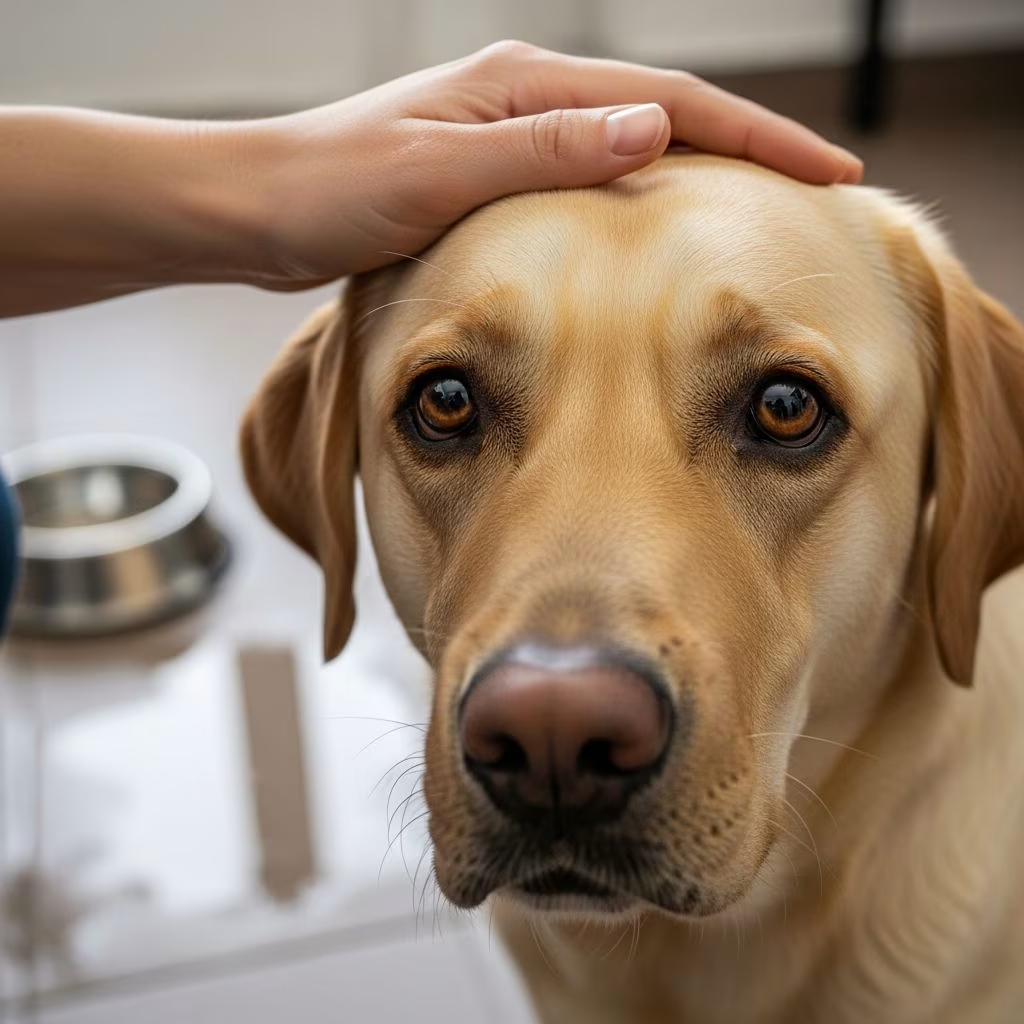
Excessive urination in dogs is a concerning symptom that many pet owners encounter. When your dog begins making frequent trips outdoors or has accidents indoors, it signals an underlying health issue requiring veterinary attention. This condition affects a dog’s quality of life and can indicate serious medical conditions ranging from simple infections to chronic diseases. Understanding the potential causes and available treatments empowers dog owners to seek appropriate care promptly.
What Triggers Excessive Urination in Canines?
Multiple health conditions can lead to increased urination frequency in dogs. These causes vary in severity, from manageable infections to progressive diseases requiring long-term management. Identifying the specific cause is essential for developing an effective treatment plan tailored to your dog’s needs.
Metabolic and Endocrine Disorders
Diabetes mellitus stands as one of the most prevalent causes of excessive urination in dogs. Dogs with this metabolic disorder experience polydipsia (excessive thirst) alongside polyuria (frequent urination). The condition occurs when the pancreas fails to produce sufficient insulin or the body develops insulin resistance. Without proper insulin regulation, glucose accumulates in the bloodstream and spills into the urine, drawing additional water and causing frequent bathroom breaks.
Urinary Tract Infections and Inflammation
Severe urinary tract infections represent another common culprit. When bacteria invade the bladder, they trigger inflammation and irritation, prompting the dog to urinate more frequently, often in small amounts. Additionally, internal bladder inflammation from various causes can produce similar symptoms. These infections demand prompt antibiotic intervention to prevent progression to more serious conditions.
Structural and Obstructive Issues
Physical abnormalities within the urinary system can significantly impact bladder function. Bladder stones form from mineral accumulation and create discomfort, causing dogs to urinate more frequently. An enlarged prostate gland, common in older males, exerts pressure on the bladder, reducing its capacity and triggering frequent urination urges. These structural problems often require specialized intervention beyond simple medication.
Neurological and Functional Concerns
Nerve damage affecting bladder control represents a less common but serious cause. Dogs suffering spinal injuries or conditions affecting nerve transmission to the bladder may lose voluntary control over urination. When nerves fail to deliver proper signals, the bladder either retains excessive urine or cannot contain it properly, resulting in leakage or inability to empty completely.
Other Contributing Factors
Kidney disease can increase urination frequency due to the kidneys’ reduced ability to concentrate urine. Psychological stress, referred to as psychogenic polydipsia, causes some dogs to drink and urinate excessively. Hormonal imbalances, electrolyte disorders, and even certain cancers can manifest as increased urination in dogs. Liver infections and other systemic illnesses may also contribute to this symptom.
Recognizing Symptoms Beyond Frequent Urination
While increased urination frequency is the primary symptom, owners should watch for accompanying signs indicating bladder dysfunction:
- Blood present in urine
- Leaking urine, especially during sleep or rest
- Pain or straining during urination
- Urinating in unusual locations, particularly indoors
- Increased thirst and water consumption
- Blood dripping from the genital area
- Difficulty or inability to urinate (emergency situation)
The combination of these symptoms helps veterinarians narrow down potential diagnoses and develop appropriate intervention strategies.
Diagnostic Procedures Your Veterinarian Will Recommend
Determining the root cause of excessive urination requires systematic evaluation. Your veterinarian will likely recommend a combination of diagnostic tests:
Laboratory Testing
Urine analysis examines the physical and chemical properties of your dog’s urine, revealing signs of infection, crystals, or abnormal glucose levels. Blood tests assess organ function, glucose regulation, and electrolyte balance, helping identify metabolic disorders like diabetes or kidney disease. More specialized tests may include ACTH stimulation to rule out Cushing’s disease and calcium testing to identify hypercalcemia. Advanced diagnostics such as BRAF urine testing help detect transitional cell carcinoma, a form of bladder cancer in dogs.
Imaging Studies
X-rays reveal bladder stones, structural abnormalities, and enlarged organs that might compress the bladder. Ultrasound imaging provides detailed visualization of internal organs and can detect tumors, kidney disease, or other anatomical issues affecting urinary function.
Physical Examination
A thorough physical assessment by your veterinarian may reveal an enlarged prostate, abdominal pain, or other clinical signs pointing toward specific diagnoses.
Treatment Approaches for Different Underlying Causes
Once your veterinarian identifies the specific cause, treatment becomes targeted and more effective. Different conditions require distinct therapeutic strategies:
Managing Diabetic Dogs
Dogs diagnosed with diabetes benefit from insulin therapy to restore normal glucose metabolism. Depending on diabetes severity, dogs may require insulin injections for the remainder of their lives. Dietary management, regular monitoring of blood glucose levels, and consistent insulin administration create a stable condition allowing dogs to live quality lives despite chronic disease.
Addressing Urinary Tract Infections
Bacterial urinary tract infections respond well to antibiotic therapy. Your veterinarian will prescribe appropriate antibiotics based on culture results and sensitivity testing. For inflammatory conditions without bacterial infection, corticosteroid medications provide short-term relief, though they represent temporary solutions requiring a comprehensive management plan to prevent recurrence.
Dissolving Bladder Stones
Certain bladder stone types, particularly struvite stones, can dissolve through specific prescription diet changes. Your veterinarian will recommend specialized commercial diets formulated to adjust urine pH and mineral composition, gradually reducing stone size. Stones that cannot dissolve typically require surgical removal.
Managing Prostate Conditions
Prostatitis, or prostate inflammation, responds to antibiotics and pain management medications. If an enlarged prostate is cancerous, your veterinarian may recommend biopsies to assess malignancy. Malignant cases might involve chemotherapy, radiation therapy, or surgical intervention. Non-cancerous enlargement may be managed medically or, in severe cases, surgically.
Pharmaceutical Options for Incontinence
Phenylpropanolamine (PPA) strengthens urethral sphincter tone and represents the most effective medication for many incontinence cases. Estrogen supplementation, including medications like Incurin, increases urethral tone in spayed females, significantly reducing incontinence episodes. Male dogs may benefit from testosterone supplementation in specific situations. For functional urethral obstruction, alpha-receptor antagonists relax smooth bladder muscle, while low-dose diazepam before urination can relax skeletal muscles. Dogs exhibiting stress-related worsening may benefit from anxiolytic medications like trazodone or fluoxetine.
Surgical Interventions
Some conditions necessitate surgical correction. Bladder stones causing complete obstruction, congenital abnormalities affecting urinary function, and certain cancers may require surgical removal or repair. Pyometra, a life-threatening uterine infection in females, is best treated through surgical removal of the infected uterus, though early cases might respond to extended antibiotic courses.
Managing Kidney and Liver Disease
Advanced kidney disease treatment ranges from home-based fluid administration to hospitalization for intravenous therapy. Dietary modifications including low-phosphorus foods, appetite stimulants, gastroprotectants, and blood pressure management constitute standard care. Liver infections typically require hospitalization with intravenous antibiotics and supportive fluid therapy.
Natural and Complementary Management Strategies
Some dog owners prefer exploring natural remedies alongside or instead of conventional treatments, though veterinary consultation remains essential before administration. Various commercially available supplements are marketed for bladder support, though scientific evidence supporting their efficacy remains limited. Any supplement should be discussed with your veterinarian to ensure safety and appropriate integration with prescribed medications.
Long-Term Management and Monitoring
After initiating treatment, consistent monitoring ensures therapeutic success. Your veterinarian will schedule follow-up examinations to verify that chosen treatments are achieving desired results. Medication adjustments frequently become necessary as treatment progresses, and sometimes combining multiple medications proves more effective than single-drug approaches. Dogs with chronic conditions require periodic bloodwork and urinalysis to track disease progression and medication effectiveness.
Medication Adjustment and Considerations
Certain medications carry specific side effect profiles requiring careful monitoring. Phenylpropanolamine, while effective for incontinence, can cause restlessness, anxiety, elevated blood pressure, and increased heart rate, making it contraindicated in dogs with cardiac disease or hypertension. Your veterinarian will select treatments based on your individual dog’s health profile and medical history.
Special Considerations for At-Home Care
Pet owners managing dogs with urinary dysfunction should understand proper bladder expression techniques in cases of overflow incontinence. Some dogs require manual bladder emptying to prevent urinary retention and associated complications. Your veterinarian can teach proper catheterization and expression methods, potentially preventing expensive emergency veterinary visits.
Frequently Asked Questions
When should I contact my veterinarian about excessive urination?
Contact your veterinarian immediately if your dog suddenly increases urination frequency, is unable to urinate, shows signs of pain during urination, or has blood in the urine. These symptoms warrant prompt professional evaluation.
Can overactive bladder in dogs be prevented?
While some causes cannot be prevented, maintaining appropriate hydration, regular exercise, proper diet, and preventive veterinary care may reduce risk of certain urinary problems. Early detection through regular veterinary checkups helps catch conditions at manageable stages.
Is excessive urination a sign of aging in dogs?
While increased urination can accompany aging, it always indicates an underlying condition requiring investigation rather than normal aging. Senior dogs deserve thorough diagnostic evaluation just as younger dogs do.
How long does treatment typically take?
Treatment duration varies significantly based on the underlying cause. Simple UTIs might resolve within weeks of antibiotics, while chronic conditions like diabetes require lifelong management. Your veterinarian can provide specific timelines based on your dog’s diagnosis.
Will my dog need lifelong medication?
Some conditions, particularly diabetes and certain incontinence types, require indefinite medication. Others may resolve completely once treated. Your veterinarian can discuss your dog’s specific prognosis during the diagnostic phase.
The Importance of Professional Veterinary Care
Excessive urination in dogs represents a significant health concern demanding professional veterinary investigation. The wide range of potential causes, from simple infections to complex systemic diseases, necessitates systematic diagnostic evaluation. While home management and supportive care play important roles, establishing the correct diagnosis through veterinary testing remains paramount. Pet owners should recognize that although symptoms may seem merely inconvenient or distressing to them, the underlying condition often seriously impacts their dog’s health, comfort, and longevity. Prompt veterinary consultation, thorough diagnostic testing, and appropriate targeted treatment offer the best opportunity for restoring your dog’s urinary health and overall wellbeing.
References
- Overactive Bladder in Dogs: Causes and Treatment — Dog’s Health. 2024. https://www.dogshealth.com/overactive-bladder-in-dogs/
- Why Is My Dog Peeing a Lot? Causes and Treatments — PetMD. 2024. https://www.petmd.com/dog/symptoms/why-my-dog-peeing-lot
- Urinary Incontinence In The Dog: Functional Urethral Obstruction — Proin ER. 2024. https://www.proin-er.com/veterinary-resources/urinary-incontinence-in-the-dog/
- Urine and Bladder Problems in Dogs — PDSA. 2020. https://www.pdsa.org.uk/pet-help-and-advice/pet-health-hub/symptoms/urine-and-bladder-problems-in-dogs
- Urinary Incontinence in Dogs: Signs, Causes, Treatments — Best Friends Animal Society. 2024. https://bestfriends.org/pet-care-resources/urinary-incontinence-dogs-signs-causes-treatments
- Urinary Incontinence in Dogs: Causes and Treatment — WebMD Pets. 2024. https://www.webmd.com/pets/dogs/urinary-incontinence-dogs
- Urinary Incontinence in the Dog: Medical Management — UC Davis School of Veterinary Medicine. 2024. https://www.vetmed.ucdavis.edu/hospital/animal-health-topics/canine-incontinence



