French Lop Rabbit Care Guide: Essential Tips For Giant Bunnies
Master the essentials of nurturing a French Lop rabbit with expert tips on housing, diet, health, and bonding for a happy, healthy companion.
French Lop Rabbit Care Guide
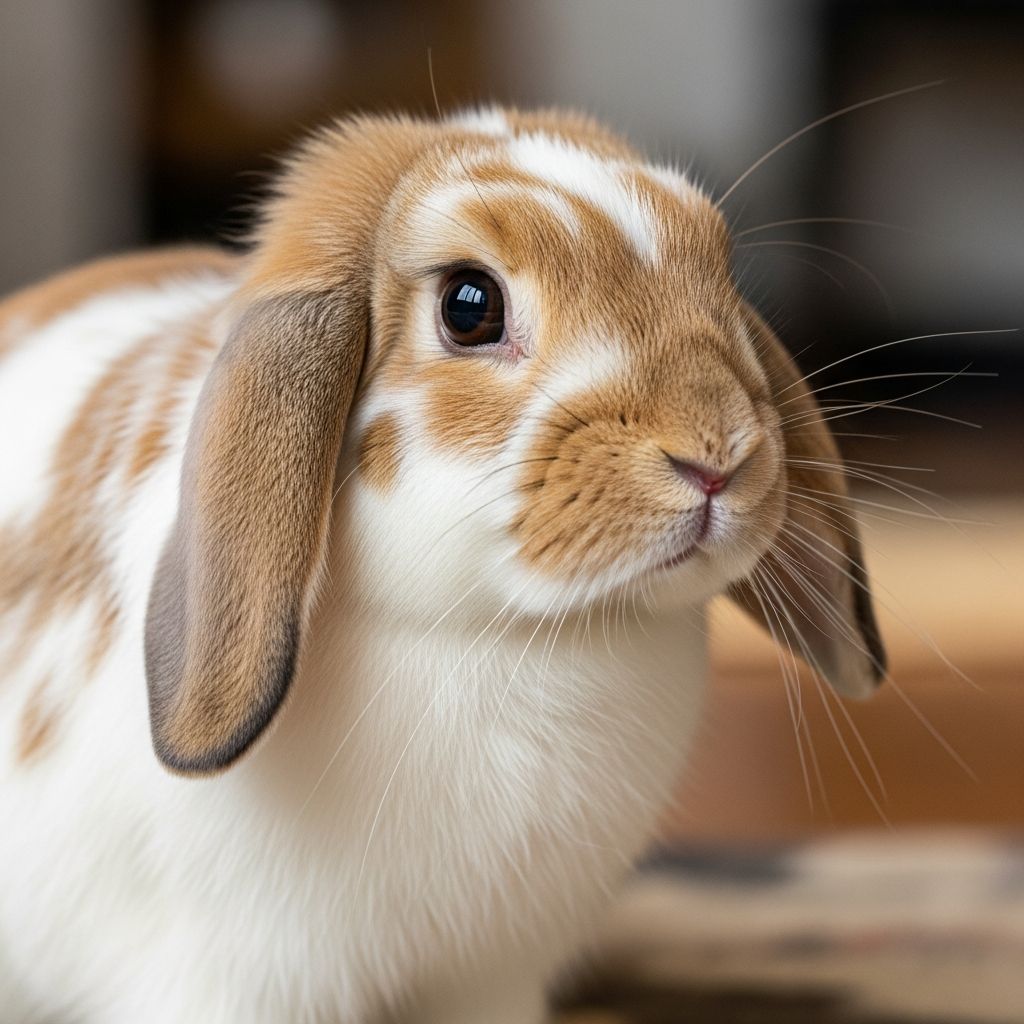
Large, floppy-eared French Lop rabbits make affectionate pets when given proper attention to their unique needs as a giant breed. These muscular bunnies require ample space, precise nutrition, and vigilant health checks to live comfortably up to 5-7 years or more.
Understanding the French Lop Breed
French Lops stand out with their impressive size, reaching 4.5-6.5 kg as adults around 15 months old, featuring distinctive heavy, lopped ears that hang low. Originating as a companion breed, they boast a friendly temperament, thriving on human interaction and regular handling from a young age. Their short, dense coat demands minimal but consistent maintenance, while their vigorous nature calls for active lifestyles to prevent obesity and joint strain.
These rabbits excel as house companions due to their sociable personalities, often bonding deeply with families. However, their substantial build means they need robust setups and careful handling to avoid injuries like broken bones from improper lifting.
Optimal Housing Solutions
French Lops demand expansive living areas reflecting their large stature. Indoor living is ideal, allowing litter training and constant companionship, but outdoor options work with precautions.
- Minimum Indoor Space: Use large playpens or dedicated rooms exceeding 8 feet in length, 4 feet wide, and 2 feet high for stretching and hopping.
- Outdoor Hutch Specs: Opt for sheds or hutches at least 8×4 feet with ventilation, paired with secure runs for daily access.
- Hideouts and Accessories: Provide oversized hiding spots, deep litter trays (like under-bed storage), and chew toys since they can’t squeeze into small shelters like dwarf breeds.
Rabbit-proof thoroughly: cover cords, secure furniture, elevate items, and use dig-proof barriers. Soft, grippy flooring prevents slips leading to joint issues or slipped discs.
Nutrition Essentials for Vitality
A hay-centric diet keeps French Lops lean and supports dental and digestive health. Limit pellets and treats to under 10% of intake to combat weight gain risks in this hefty breed.
| Food Type | Daily Amount | Benefits |
|---|---|---|
| Hay (timothy, meadow) | Body weight equivalent | Grinds teeth, aids digestion |
| Pellets | Small handful | Nutrient boost, sparingly |
| Veggies/Fruits | Varied handfuls | Hydration, variety; wash thoroughly |
| Water | Constant fresh supply | Essential hydration |
Supplements for heart health are advisable given breed predispositions. Avoid calorie-dense treats; focus on fresh variety to maintain muscular builds without excess fat.
Grooming and Coat Maintenance
Though short-haired, their thick undercoat requires weekly checks to prevent matting, especially under arms, legs, and rear. Use slicker brushes for enjoyable sessions and pet-safe wipes for spot cleans.
- Nail trims monthly with proper clippers.
- Inspect for mats, urine scald, flystrike, eye/ear discharge, or wounds.
- Trim fur short around hindquarters if prone to soiling.
Blow into fur to detect dry skin; comb out loose undercoat gently to avoid dermatitis.
Exercise and Mental Stimulation
These energetic giants need 2-3 hours daily outside enclosures for hopping, digging, and exploring. Indoor free-roam sessions or harnessed walks foster bonding.
Provide toys like tunnels, balls, and destructible items. Pairing with a companion reduces boredom, especially outdoors. Supervised play prevents mishaps from their clumsy tendencies.
Health Monitoring and Common Concerns
French Lops face breed-specific issues: ear infections from heavy lobes, arthritis by age 3, heart weaknesses, and joint pains from weight.
- Ears: Daily checks for mites, shaking, overheating (cool with damp cloth in summer); vet ear canal exams every 3-4 months.
- Joints: Physiotherapy post-3 years; pain meds for arthritis. Avoid stairs, ice, slippery floors.
- Other: Monitor weight, heart; spay females at 5-6 months, neuter males to curb spraying and aggression.
Weekly full-body inspections catch issues early. Children should never lift unsupervised to prevent back/kicking injuries.
Socialization and Family Integration
Handled young, French Lops become cuddly like puppies. Indoor life maximizes interaction; pairs provide mutual company.
Best for adults or supervised families. Litter training eases house living; harness training enables outdoor adventures.
Spaying, Neutering, and Lifespan
Sterilization at 5-6 months for females (post-organ growth) and males prevents cancers, aggression, and uterine issues. Same-day procedures for bonded pairs preserve relationships. With care, expect 5+ years; attentive owners report longer spans.
FAQs
Can French Lops live outdoors?
Yes, in massive, ventilated hutches with runs and companionship, but indoor is preferable for interaction and safety.
How much space does a French Lop need?
At least 8x4x2 feet enclosure plus daily exercise area for full extension and hopping.
Are French Lops good with children?
Under adult supervision only; their size and strength risk injury if mishandled.
What is the best diet for French Lops?
Unlimited hay, limited pellets/veggies, fresh water; keep lean to support joints and heart.
Do French Lops need special grooming?
Weekly checks and light brushing; focus on ears, nails, and mat-prone areas.
Daily Care Checklist
- Hay and water refresh
- 2-3 hours exercise
- Ear and body inspection
- Social playtime
- Clean litter area
References
- The French Lop Rabbit — Home & Roost. 2023. https://homeandroost.co.uk/blogs/rabbits/the-french-lop-rabbit
- French Lops — Baby Blue Bee Bunnies. 2023. https://www.babybluebeebunnies.com/minilops-540951.html
- French Lop Care — Ross Rabbits. 2023. http://www.rossrabbits.co.uk/french-lop-care.html
Similar Articles







Read full bio of medha deb